


Framed Chinese Art
Framed chinese art brings traditional Far Eastern craftsmanship directly to the wall, offering intricate textile panels and delicate paintings preserved under glass.
Framed Chinese Art
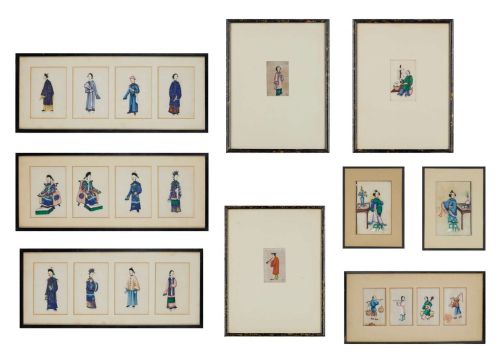
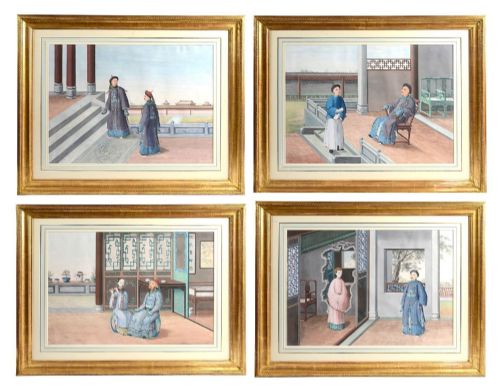
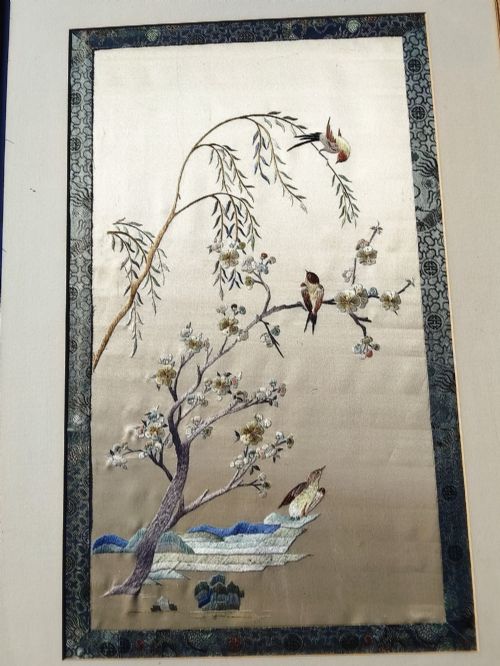
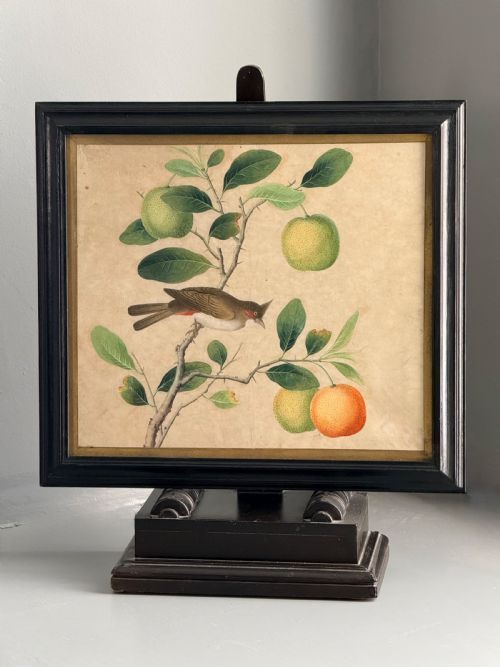
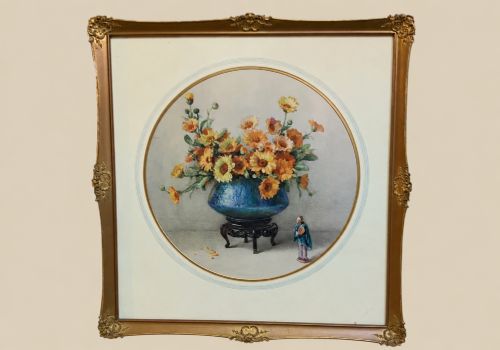
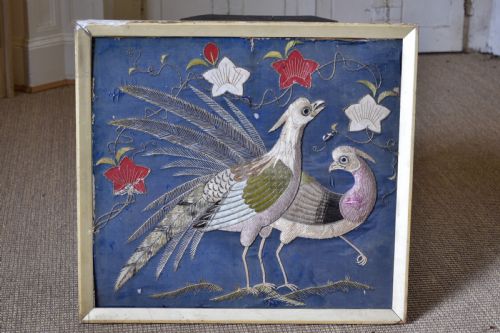
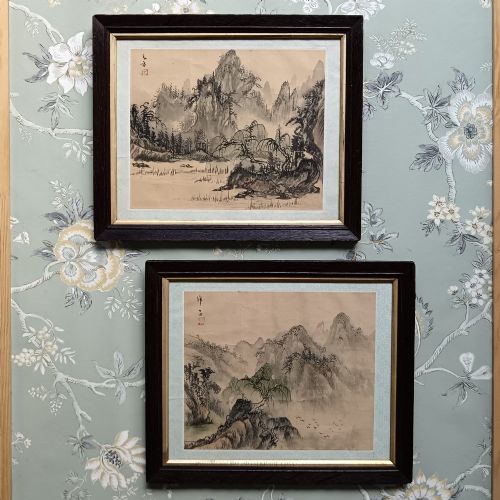
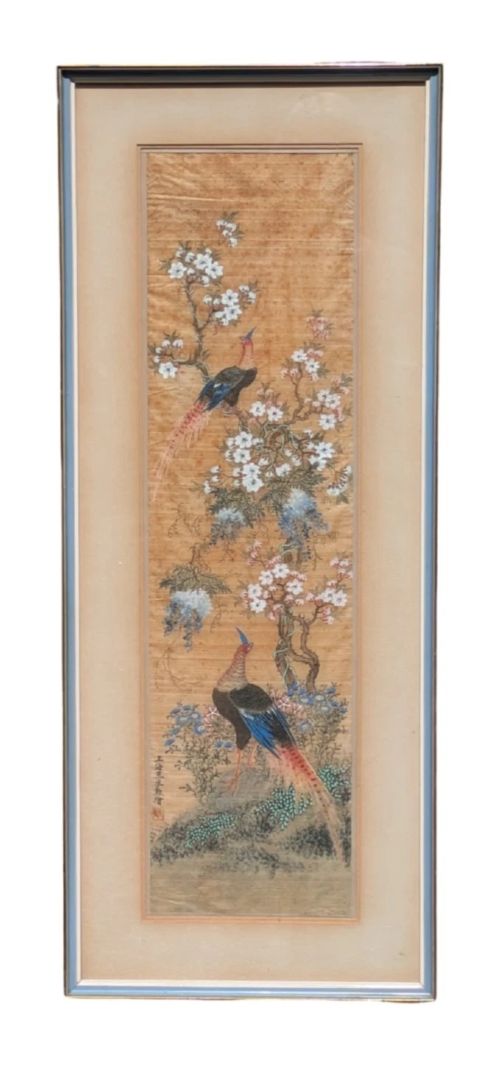
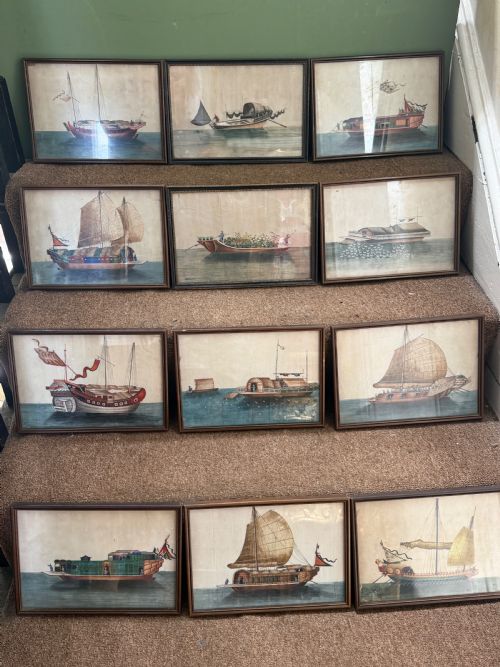
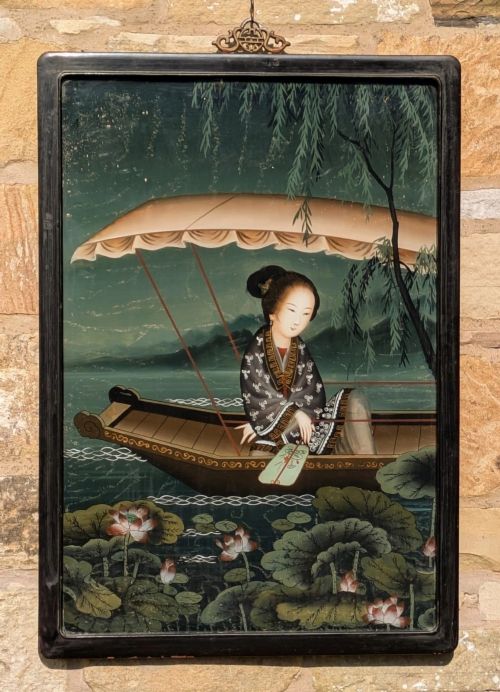
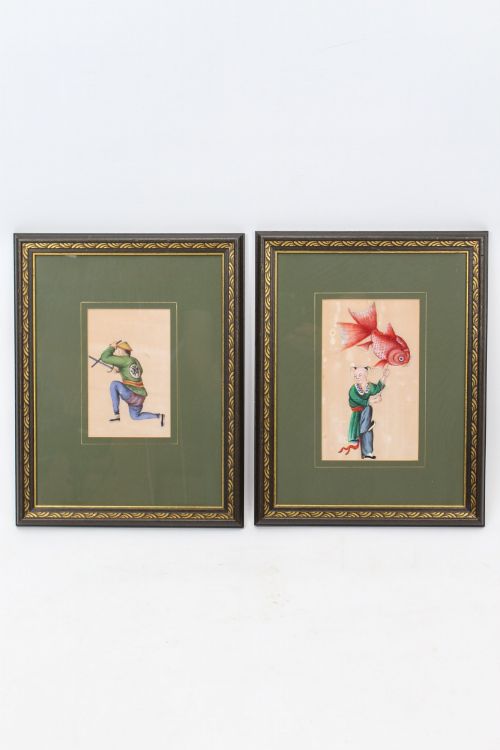
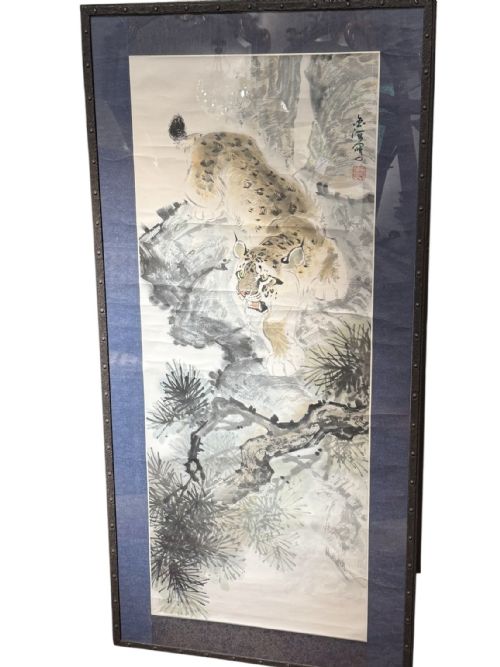
Buyers examining framed chinese art encounter a diverse selection of wall hanging pieces spanning multiple centuries. The inventory contains delicate works on pith paper, vibrant silk embroideries, and detailed reverse paintings on glass.
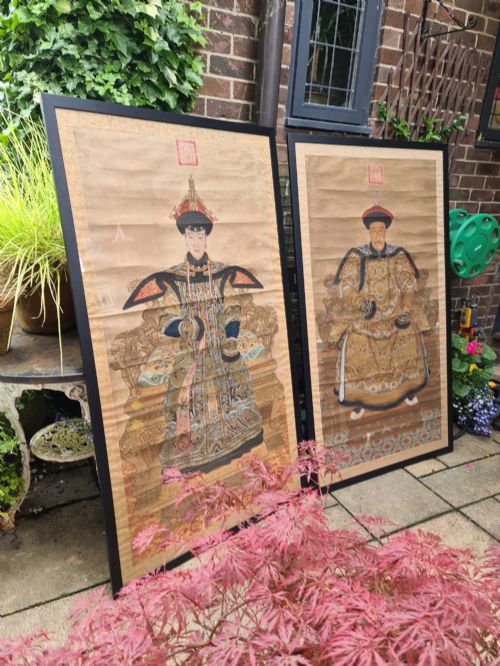
Most examples date from the nineteenth century through the mid twentieth century, encompassing both traditional scholarly subjects and items produced for export. Wall mirrors, ancestor portraits, and porcelain plaques complete the primary categories seen on this page.
Materials and techniques
Makers utilised organic supports including hand-woven silk, absorbent pith paper, and delicate rice paper for painted compositions. Pigments, gouache, and ink were applied with fine brushes to capture botanical details, figures, and maritime scenes.
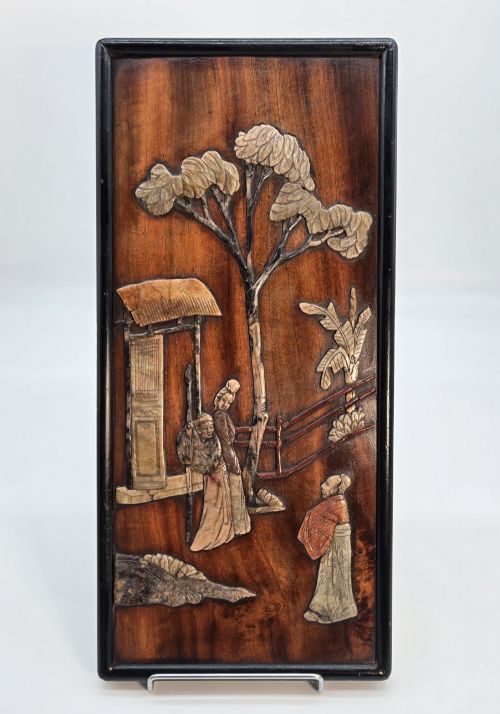
Framing often involved carved wood or lacquered panels accented with mother-of-pearl and abalone inlay. Protective layers of glass safeguard fragile textile art and paper works from environmental moisture.
Framed Chinese Art Retail Price Guide 2026
Typical asking prices for framed chinese art among the pieces listed under this phrase on Sellingantiques today, from the lower quarter to the upper quarter. They describe what is for sale here now, not the wider market.
The inventory records traditional Chinese styles alongside Qing dynasty examples, China Trade items, and Victorian interpretations.
Judging the work
Quality rests upon the precision of the brushwork or needlework and the preservation of the original pigments. Finer examples display meticulous detail in facial expressions, textiles, and background landscapes.
The integrity of the original frame and mounting significantly influences the overall standard of a piece. Older items retained in their period frames hold greater visual cohesion than those altered by later framing.
The Framed Chinese Art Glossary
- Pith paper
- A delicate material derived from the pith of the Tetrapanax papyrifer plant, commonly utilised for nineteenth-century watercolor paintings. It possesses a slightly velvety texture that absorbs water-based pigments uniquely.
- Reverse painting on glass
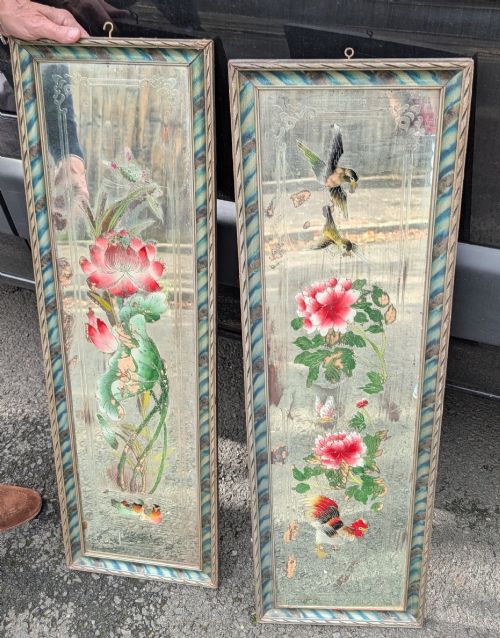
- An artistic technique where the image is painted directly onto the rear surface of a glass panel so that the finished work is viewed through the front. This method imparts a glossy sheen and depth to the subject matter.
- Rank badge
- A square embroidered patch indicating official status worn on the robes of civil and military officials during the Qing dynasty. Later examples are frequently found framed as standalone textile art.
Framed Chinese Art: Frequently Asked Questions
How should these pieces be hung?
Keep them away from direct sunlight to protect fragile silk threads and water-based pigments from fading over time.
Ensure they hang on stable interior walls where humidity and temperature fluctuations remain minimal.
What is pith paper art?
Pith paper paintings are delicate nineteenth-century works created on a spongy botanical medium that accepts bright gouache pigments exceptionally well.
These works were frequently produced in Canton for foreign visitors and collectors during the trade era.
Are these items in original frames?
Many listings specify whether the artwork retains its period frame, carved hardwood surround, or ancestral mounting.
Original frames often show appropriate signs of age that complement the textile or painting within.
How do I identify a reverse glass painting?
A reverse glass painting presents a reflective, glossy surface through which the crisp outlines and bright colours of the composition appear.
Close inspection reveals that the pigment lies beneath the glass panel rather than on top of it.