





Qing Dynasty Portrait
A qing dynasty portrait brings centuries of imperial heritage and solemn ancestor worship directly into a modern interior.
Qing Dynasty Portrait
A qing dynasty portrait captures the likeness of ancestors, dignitaries, and immortals through traditional painting and textile arts. These works primarily originate from the nineteenth and early twentieth centuries, spanning periods from eighteen fifty to nineteen ten.
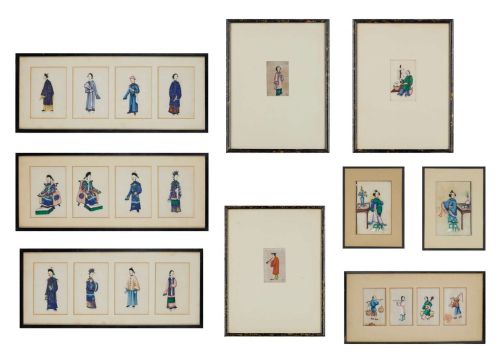
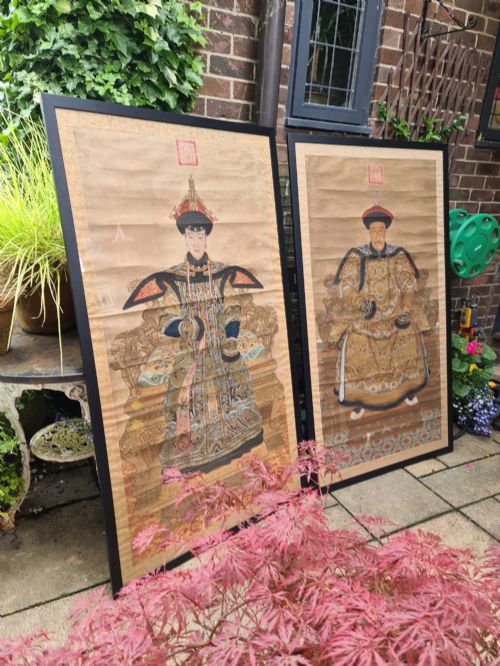
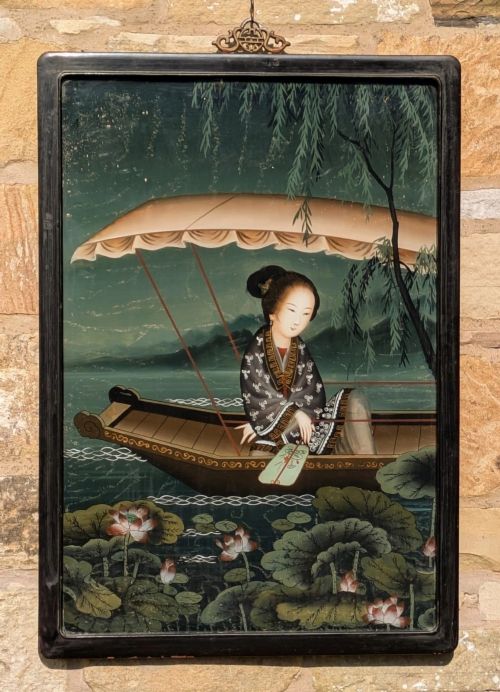
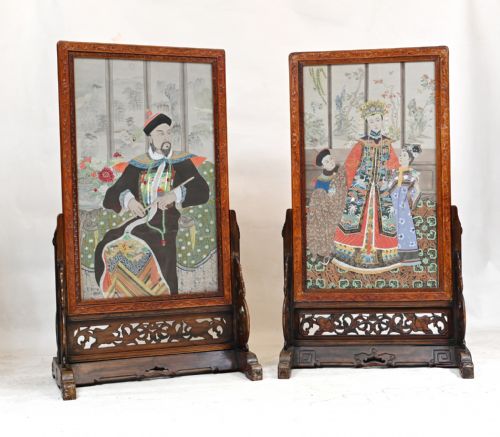
The selections available here include framed ancestral scrolls, reverse glass paintings, pith paper works, and silk woven hardwood screens. Ancestor paintings and dignitary depictions frequently appear alongside scroll paintings and wall art.
Buyers encounter varied formats ranging from individual hanging scrolls to large paired works and sets of watercolours. Statues and sculptures occasionally supplement the flat wall art and table screens found within this category.
Materials and construction methods
Artisans applied pigment and ink onto delicate surfaces such as silk, paper, and pith, creating detailed likenesses. Reverse glass paintings utilised glass panes as the primary medium, requiring painters to apply imagery in reverse order.
Framed works and screens frequently incorporate wood and brass elements to house and protect the delicate textiles and paintings. Silk woven techniques formed intricate backdrops and imagery, particularly within hardwood screen pieces.
Qing Dynasty Portrait Retail Price Guide 2026
Typical asking prices for qing dynasty portrait among the pieces listed under this phrase on Sellingantiques today, from the lower quarter to the upper quarter. They describe what is for sale here now, not the wider market.
Some nineteenth century artists painted intricate court officials on fragile pith paper using tiny brushes and boundless patience.
Distinguishing quality across examples
The refinement of pigment application and the preservation of original framing largely define the upper tier of these works. Vibrant colour retention on paper and silk enhances the visual impact of individual ancestral pieces.
Subtlety in brushwork and the structural integrity of supporting wooden elements separate superior examples from standard items. The complexity of the underlying medium, such as woven silk versus standard watercolour, dictates the sophistication of the piece.
The Qing Dynasty Portrait Glossary
- Pith paper
- A delicate material formed from the pith of the Tetrapanax papyrifer plant, commonly used for nineteenth century watercolours. Artists utilised this spongy surface for export paintings.
- Reverse glass painting
- An artistic technique where the image is painted directly onto the back of a glass panel and viewed from the front. This method protects the pigment from atmospheric damage.
- Ancestor scroll
- A hanging painting commissioned to honour deceased lineage members, traditionally displayed during memorial rites. These scrolls often depict seated figures in formal court attire.
- Table screen
- A decorative panel supported by a wooden stand, designed for placement on a desk or table. These pieces frequently combine painted or woven panels with hardwood frames.
- Gouache
- An opaque water-based medium that provides dense, vibrant colour application on paper and silk supports. This pigment type allows for rich detail in official garments.
Qing Dynasty Portrait: Frequently Asked Questions
What is a qing dynasty portrait?
A qing dynasty portrait is a traditional painting or woven textile depicting ancestors, officials, or religious figures from the imperial era. These works served commemorative and ritualistic functions within Chinese households.
Most surviving examples date from the nineteenth and early twentieth centuries, reflecting the formal attire and strict artistic conventions of the period.
How were ancestor portraits displayed?
Ancestor portraits were traditionally hung in ancestral halls or domestic shrines during important rituals and death anniversaries. Families gathered before these scrolls to pay respect to their lineage.
Today, collectors typically display these framed paintings and scrolls as statement wall art in living spaces or studies.
What materials were used?
Artists utilised silk, paper, pith paper, and glass as the primary grounds for applying ink and pigment. Wooden frames and hardwood stands frequently incorporated brass fixtures for structural support.
Textile works also employed woven silk threads to construct elaborate backgrounds and imperial motifs.
How do I care for antique portraits?
Protect these delicate works from direct sunlight to prevent the fading of natural pigments and woven silk. Stable humidity levels ensure that paper, pith, and wood elements avoid warping or deterioration.
Consulting a professional conservator is recommended for mounting or cleaning fragile nineteenth century scrolls and glass paintings.