


Asian Figure Painting
These pieces of asian figure painting bring together centuries of skilled brushwork and sculptural portraiture from diverse Eastern traditions.
Asian Figure Painting
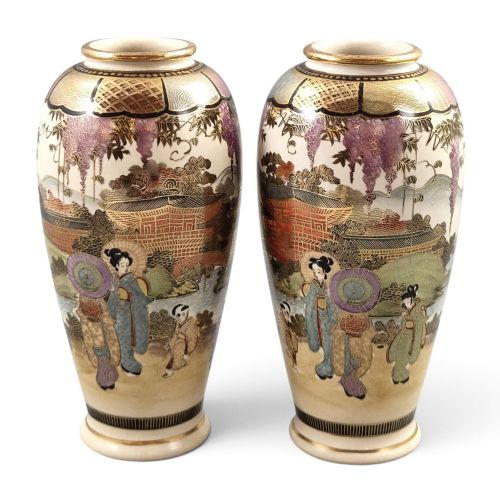
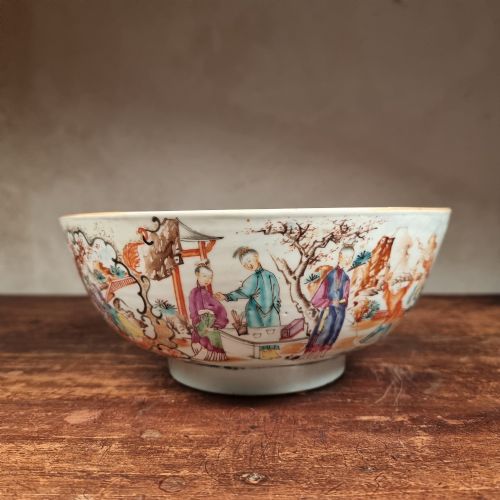
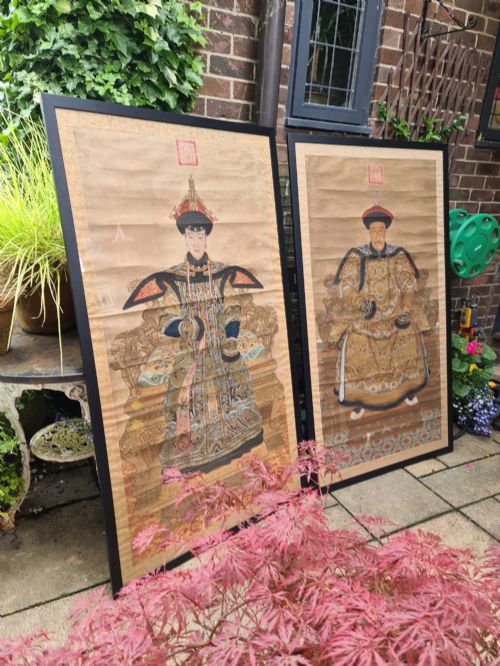
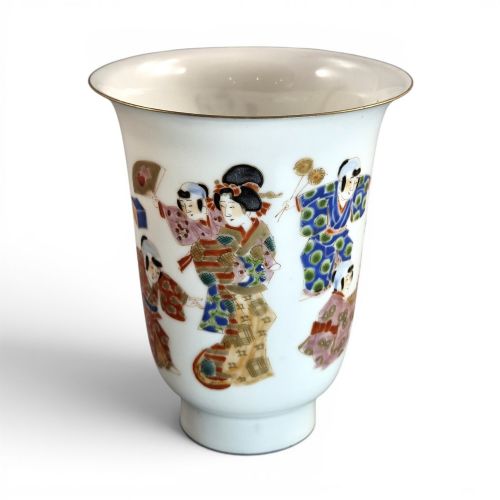
When you search for asian figure painting, you encounter a fascinating cross-section of scroll works, watercolours, and figurative ceramics depicting humans and deities. The selection spans delicate pith paper sheets and framed ancestral scrolls alongside painted porcelain vases and carved wood statues.
Most examples hail from the nineteenth century and the Meiji or Qing periods, capturing historical dress, mythic figures, and daily scenes. You will frequently find Japanese Satsuma and Kutani ceramics alongside Chinese scroll paintings and watercolours on paper or canvas.
Materials and Techniques
Artisans applied pigment, ink, and gold leaf onto traditional supports including silk, rice paper, canvas, and porcelain. Ceramic pieces often utilise enamel and intricate glazes, fired to achieve lasting colour and luminous finishes.
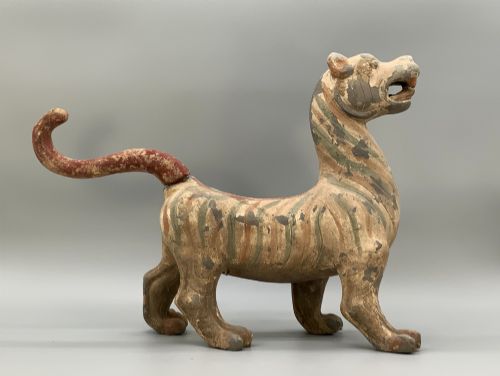
Sculptural works in wood and earthenware combine carving with polychrome paint and gilding. Painters used fine ink brushes on paper and pith, balancing subtle washes with precise facial detailing.
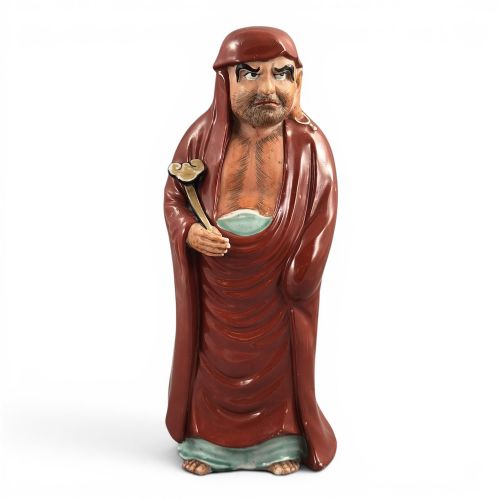
Several figures in these listings are immortal deities carrying gourds and scrolls, seemingly startled by the passage of time.
Assessing Quality and Execution
The distinction between ordinary export items and exceptional pieces lies in the precision of the brushwork and the expressive depth of the figures. Master artisans achieved superior facial definition, balanced compositions, and harmonious integration of gold leaf or enamel accents.
Kiln control and pigment preservation further separate the finest ceramics and scrolls from standard productions. Signed works by recognised makers demonstrate a higher grade of individual artistic oversight.
Tokyo Taizan·Meizan mark·Gao Hengsheng·Kinkozan Kyoto·Shozan Satsuma·Hichozan Shinpo·YA MING
The Asian Figure Painting Glossary
- Pith paper
- A delicate material made from the cellular pith of the Tetrapanax papyrifer plant, commonly used for nineteenth-century watercolours. Artists valued its unique texture for absorbing vivid water-based pigments.
- Okimono
- A Japanese decorative freestanding figurine or sculpture designed for display in a domestic interior. These carved or moulded figures frequently depict deities, immortals, or folkloric characters.
- Famille rose
- A major palette of Chinese porcelain enamels introduced in the Qing dynasty, characterised by opaque pink or rose colours. This technique allowed for subtle tonal gradations in figurative and floral motifs.
- Satsuma
- A type of Japanese earthenware featuring a crackled ivory glaze decorated with polychrome enamels and gilding. Workshops in Kyoto and Satsuma province produced these wares extensively for export.
Asian Figure Painting: Frequently Asked Questions
What is an ancestral scroll?
Ancestral scrolls are traditional painted portraits depicting family forebears, often commissioned to honour lineage and preserve memory.
Created on silk or paper, these hanging scrolls were central to domestic ritual and commemoration within historical households.
How do I care for pith paper paintings?
Pith paper requires careful handling because the material is naturally fragile and sensitive to moisture and physical pressure.
Keep these works behind protective UV-filtering glass and maintain stable humidity levels to prevent cracking or fading.
What is a Kutani figure?
Kutani figures are Japanese porcelain or ceramic sculptures produced in Ishikawa Prefecture, known for bold colour palettes and detailed overglaze enamel work.
These pieces often represent Buddhist deities, mythical sages, or figures of longevity and good fortune.
How can I distinguish Meiji period Satsuma?
Meiji period Satsuma wares typically display a finely crackled cream-coloured glaze decorated with dense enamel patterns and raised gold leaf.
Many pieces bear artist signatures or workshop seals on the underside indicating their origin in nineteenth-century Japan.