



Red Silk Wall Art
Red silk wall art brings tactile warmth and historical depth to a room through centuries of woven and embroidered textile traditions.
Red Silk Wall Art
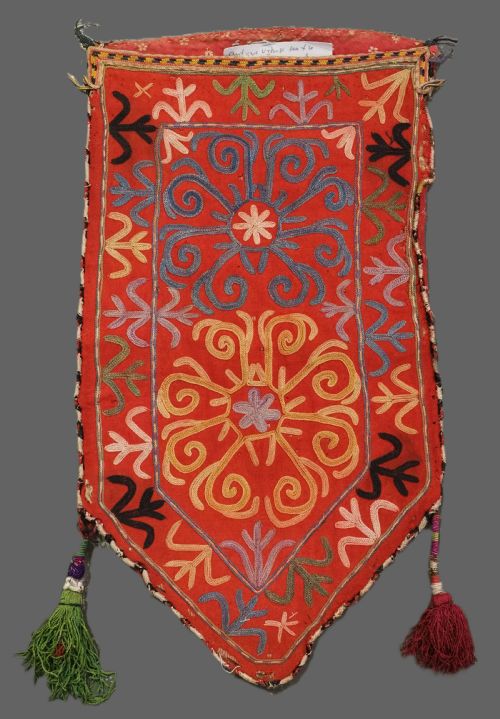
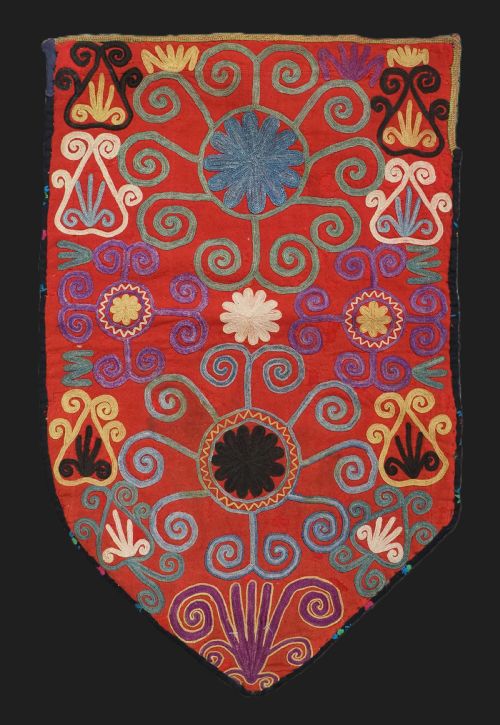
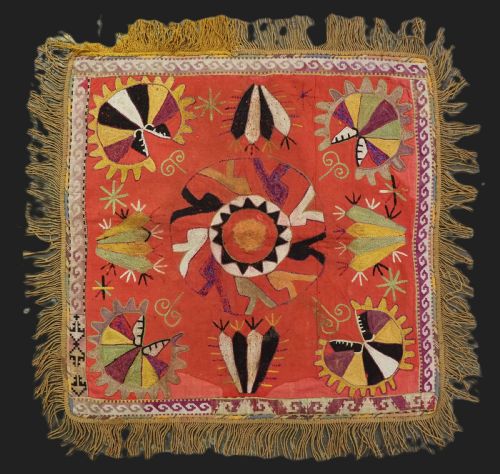
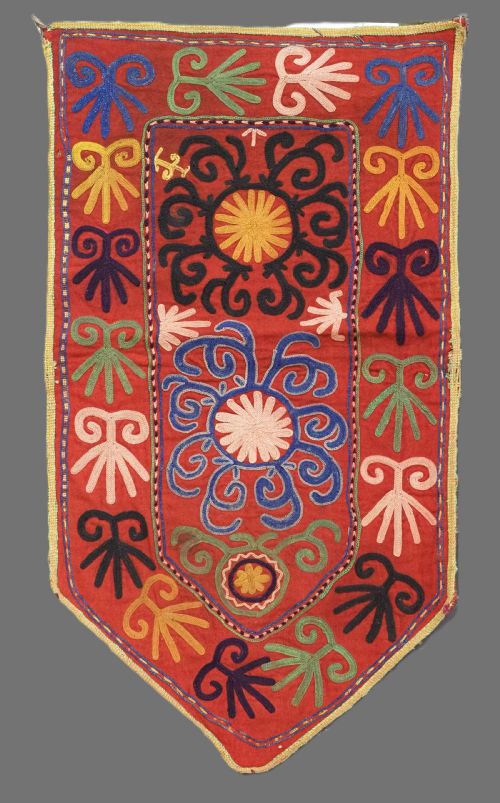
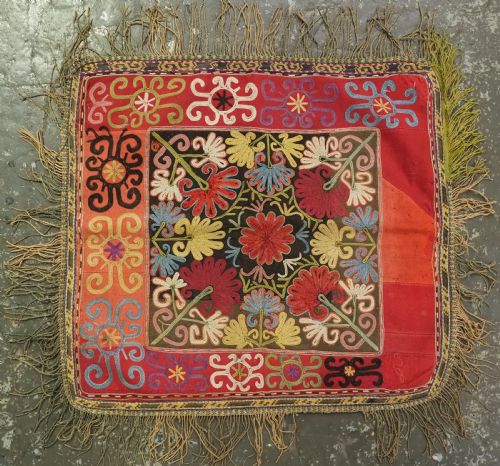
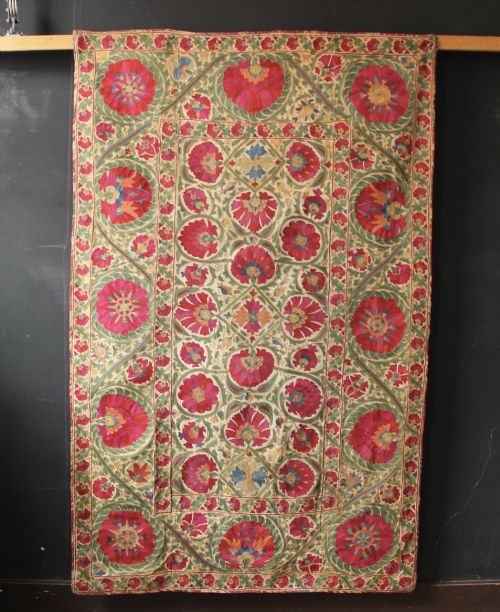
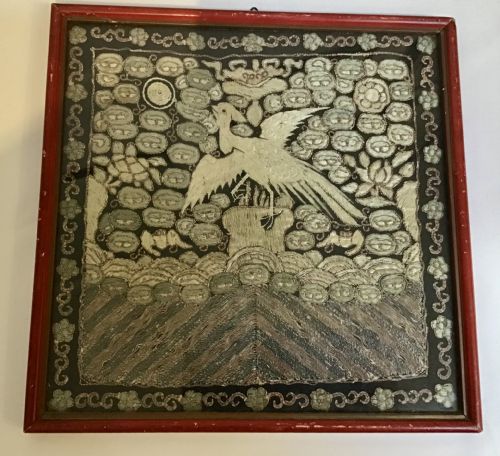
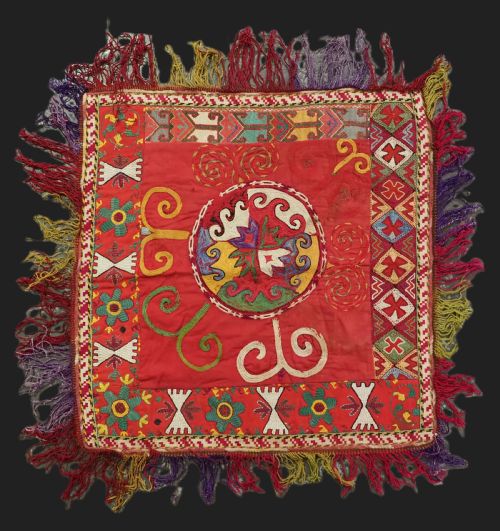
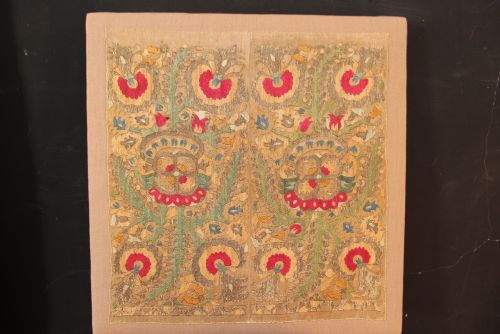
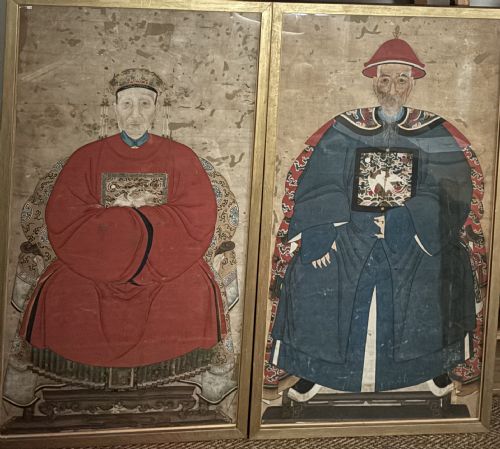
When you search for red silk wall art, you encounter a diverse collection of antique textiles, embroideries, and mounted panels originating predominantly from Central Asia, China, and Greece. These items span from the eighteenth century through to the early twentieth century, encompassing tribal dowry pieces, ceremonial coats, and framed rank badges.
The most common versions on this page are Central Asian embroideries, particularly Uzbek suzanis and Lakai tribe ilgiches, which frequently employ vibrant silk threads on contrasting grounds. Alongside these tribal items appear Chinese silk panels and Greek folk art fragments, each adapted for display as wall decoration.
The forms range from large suzani panels and yurt wall hangings down to smaller torbas, rank badges, and mounted textile fragments. Buyers select these works for their rich visual texture, cultural narrative, and the striking presence of red grounds within interior spaces.
How they were made
Makers constructed these textiles utilising natural materials such as silk, cotton, wool, and linen, often combining them on a single ground. Silk embroidery threads provide the primary visual impact, worked over cotton or wool foundations using specialised needlework techniques.
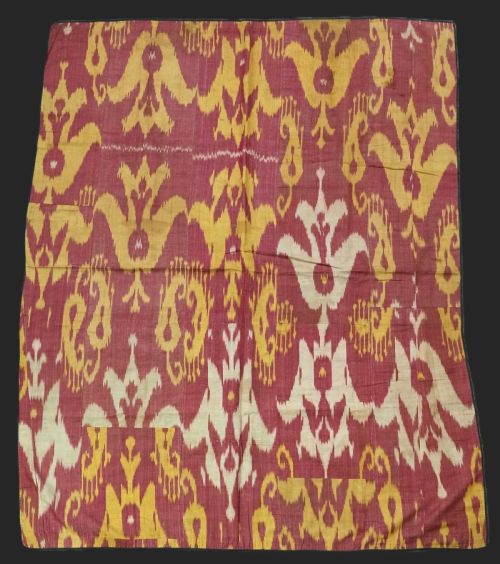
Applique work and laid-and-couched embroidery feature prominently in pieces like Persian Rasht panels and Uzbek suzanis. Artisans also employed ikat dyeing methods on adras fabrics, where warps are tie-dyed before weaving to create characteristic blurred patterns.
Some dowry embroideries carry hidden protective symbols stitched by makers to ward off the evil eye from the newlywed couple's home.
What varies in quality
The distinction between ordinary and exceptional examples rests upon the density of the needlework and the complexity of the design layout. Fully embroidered Tashkent palak suzanis demonstrate a superior investment of time and skill compared to pieces with sparse floral motifs.
Dye quality and the preservation of original pigment vibrancy dictate the visual strength of a textile. Furthermore, the precision of tribal motifs and the structural integrity of the fabric panel determine the overall standing of an antique piece.
The Red Silk Wall Art Glossary
- Suzani
- An embroidered tribal textile originating from Central Asia, traditionally worked in silk on a cotton or linen ground. These large panels served multiple domestic purposes before finding new life as wall art.
- Ikat
- A dyeing technique where yarn bundles are tightly wrapped and dyed prior to weaving. This process creates distinctive feathered edges along the pattern boundaries.
- Rank badge
- A square or circular embroidered patch worn on official Chinese garments to denote social hierarchy. When mounted, these function as miniature textile paintings.
- Torba
- A small, ornamental wall hanging or storage bag produced by Turkmen and Ersari tribes. They frequently incorporate rich silk highlights and geometric tribal symbols.
- Adras
- A traditional Central Asian fabric woven with a silk warp and a cotton weft. This hybrid construction combines the lustrous sheen of silk with the sturdiness of cotton.
Red Silk Wall Art: Frequently Asked Questions
How do I hang a textile safely?
Mounting heavy embroideries requires distributing the weight evenly across a concealed wooden batten or mounting board rather than suspending them from single points.
Conservation framing behind glass protects delicate silk threads from dust and environmental degradation while keeping the fabric taut.
Are these pieces meant for daily wear?
Many items listed as wall art originated as functional garments, ceremonial coats, or household furnishings before conversion. Items like chyrpy coats and suzani panels served social and ritual roles in their home communities.
Displaying them on walls removes them from physical handling, preserving fragile historical materials for decorative enjoyment.
How do I date a Central Asian suzani?
Examining the dyestuffs, ground fabric weave, and stylistic execution helps narrow down the period of manufacture. Natural dyes and hand-spun cotton grounds generally point towards nineteenth-century origins.
Regional motifs from centres like Tashkent, Samarkand, or Shakrisabz also provide strong clues for chronological attribution.