

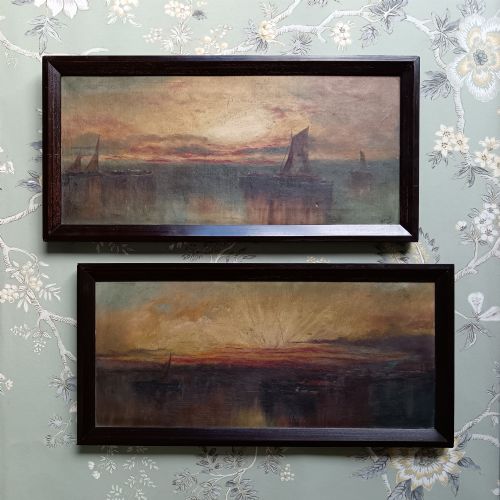
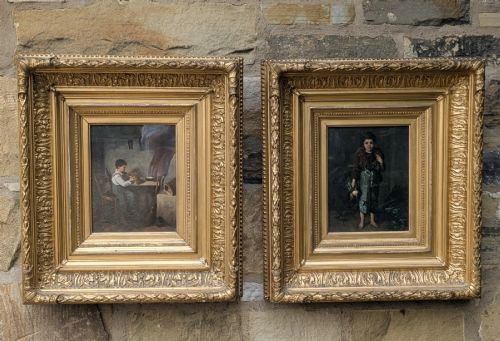
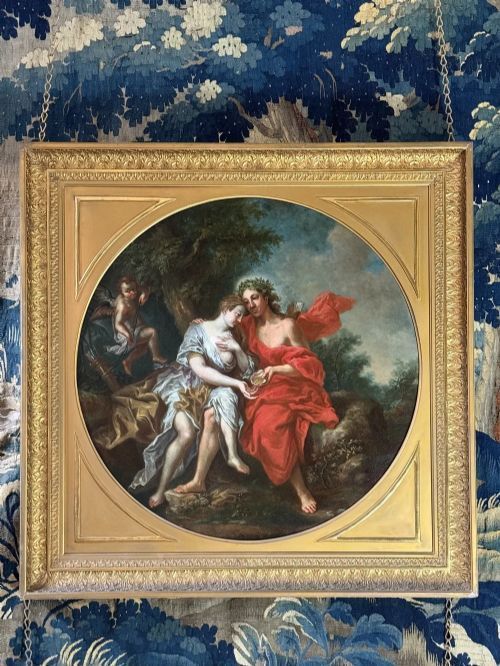
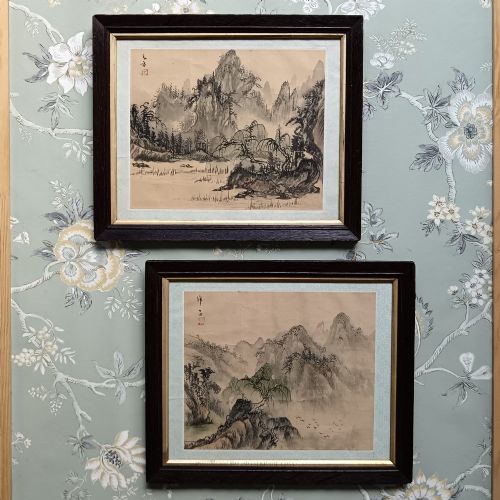
Antique Artwork Pair
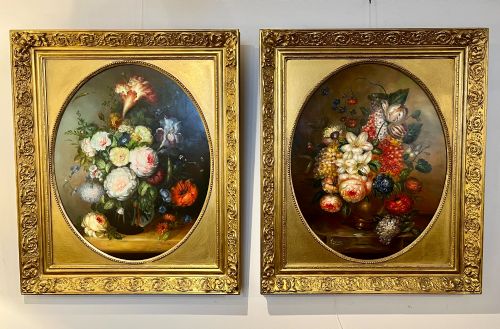
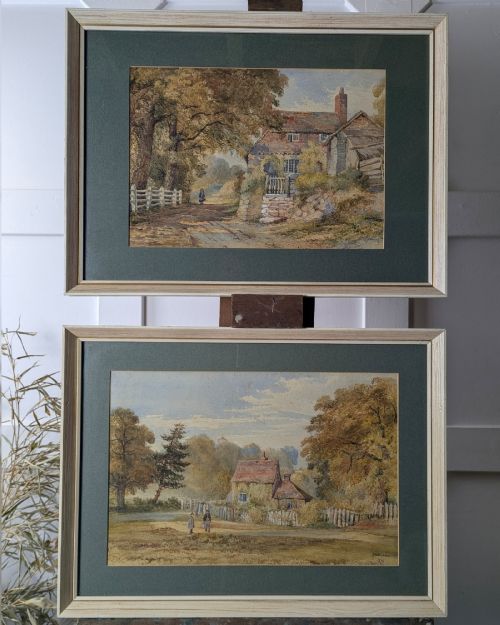
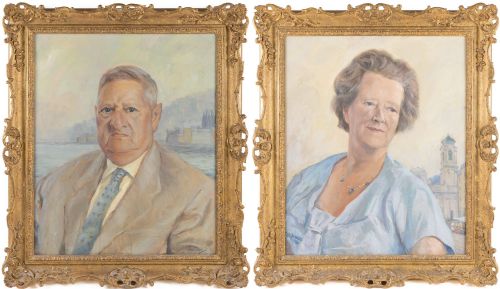
An antique artwork pair offers matching visual balance, bringing together two complementary pieces from the seventeenth, eighteenth, and nineteenth centuries.
What these pieces are
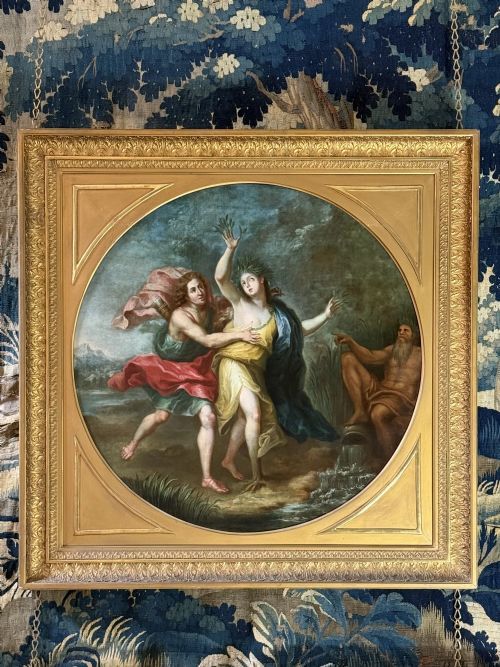
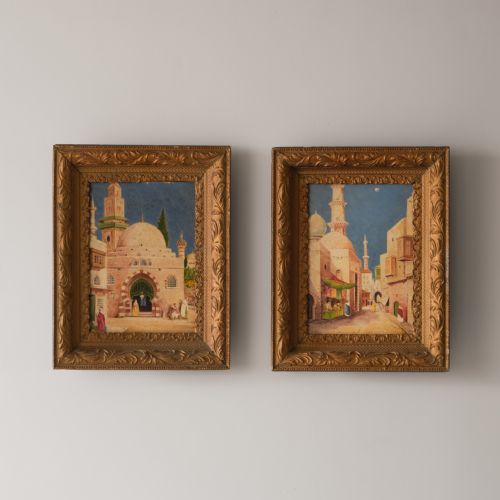
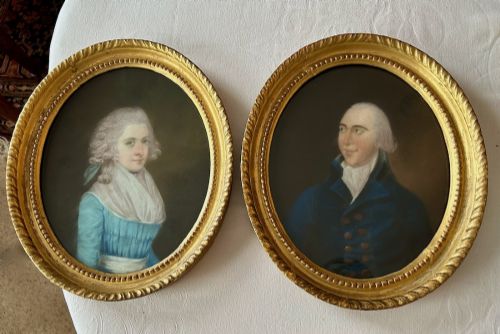
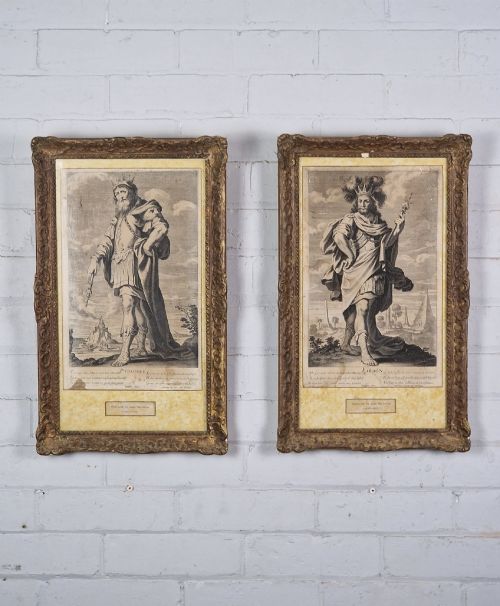
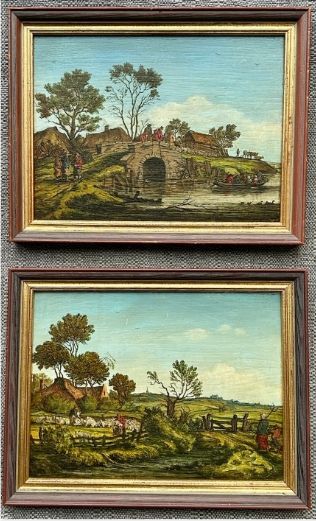
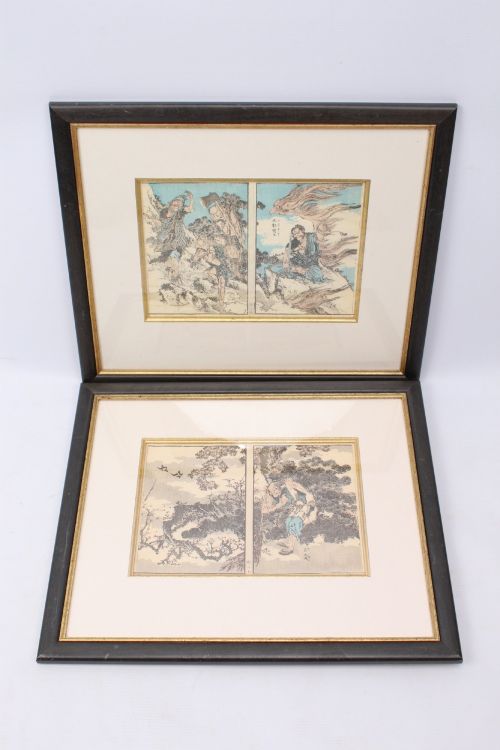
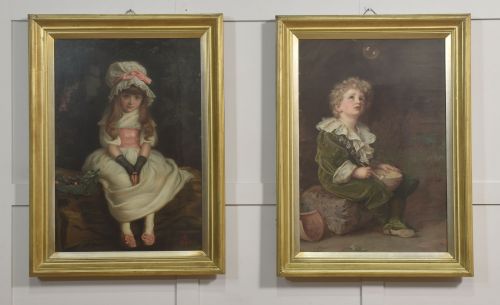
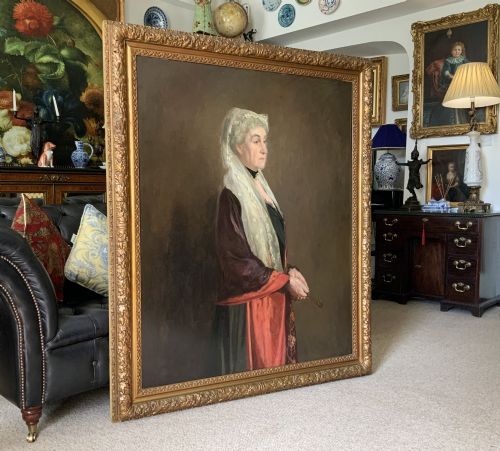
An antique artwork pair comprises two related visual pieces created to be displayed together, maintaining stylistic and thematic harmony. The selections here include framed line engravings, watercolour portrait paintings of children, and framed artwork dating from the seventeenth, eighteenth, and nineteenth centuries.
Buyers encounter diverse formats, ranging from Dutch line engravings produced by Jacobus Houbraken to watercolours by artists such as James H Hulse and Alfred Rimmer. These pairs often feature portraits or figurative compositions, sometimes housed in period walnut or gilt wood frames.
The origins span distinct historical periods, including Regency works attributed to Henry Edridge and earlier Baroque examples. Each pair reflects the aesthetic priorities of its era, whether through delicate ink work on paper or detailed watercolour application.
What varies in quality
Quality differences emerge in the preservation of the paper support and the clarity of the ink or watercolour pigment. Pieces that retain their original tones without excessive fading demonstrate superior material longevity.
The craftsmanship of the enclosing frames also dictates the overall standard, with period walnut and gilt wood housings offering greater historical integrity. The precision of the engraving lines or the expressive execution of the watercolour portraiture distinguishes finer examples from simpler output.
Retail Price Guide 2026
Typical UK retail prices for artwork pair, calculated from the Sellingantiques database of over a million retail prices indexed since 2003. This retail price guide relies exclusively on Sellingantiques data; no external sources or auction records are used, so the figures do not describe the wider market.
Frame materials across these selections include plain wood, walnut, and gilt wood.
Jacobus Houbraken·James H Hulse·Alfred Rimmer·Henry Edridge
The Antique Artwork Pair Glossary
- Line engraving
- A printmaking technique where an artist cuts lines directly into a metal plate with a burin. The resulting incisions hold ink to produce sharp, detailed images on paper.
- Watercolour
- A painting method where natural pigments are suspended in a water-based solution. Artists apply these transparent washes onto paper to create luminous portraits and scenes.
- Gilt wood
- Wood surfaces treated with a thin layer of gold leaf or gold powder. This finish adds reflective brilliance and protects the underlying wooden moulding.
- Baroque
- A stylistic period spanning the seventeenth and early eighteenth centuries, characterised by drama and rich detail. Works from this era often display dynamic composition and ornate framing.
- Regency
- A British stylistic era dating from the early nineteenth century. Pieces from this time frequently exhibit refined classical restraint and delicate proportions.
Frequently Asked Questions
How are antique artwork pairs usually displayed?
These pairs work best when hung symmetrically on a shared wall, allowing the matching subjects or frames to create visual balance.
Maintaining a consistent spacing between the two pieces ensures they read as a unified installation in a room.
What protection do these old paper works need?
Framed works on paper require placement away from direct sunlight to prevent the fading of watercolour pigments and ink.
Stable indoor humidity levels also help protect the paper support and wooden frames from warping over time.
Are the frames original to the pieces?
Some pieces retain their period walnut or gilt wood frames from the time of creation, which adds historical value.
Other works may feature later framing chosen to complement the style and protect the delicate artwork within.
How do I identify a Regency period piece?
Regency items typically date from the early nineteenth century and reflect specific classical design sensibilities of that era.
The lightness of line and restraint in decoration help distinguish these works from earlier Baroque or later Victorian examples.