




Nineteenth Century Glass Art
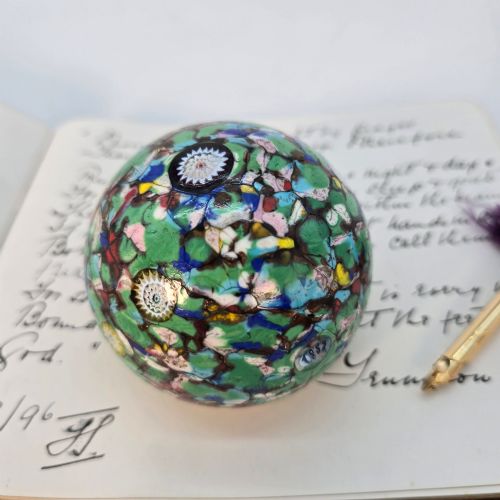
Nineteenth century glass art brings together delicate enamel-painted vessels and intricate paperweights that transform ordinary daylight into rich colour.
Nineteenth Century Glass Art
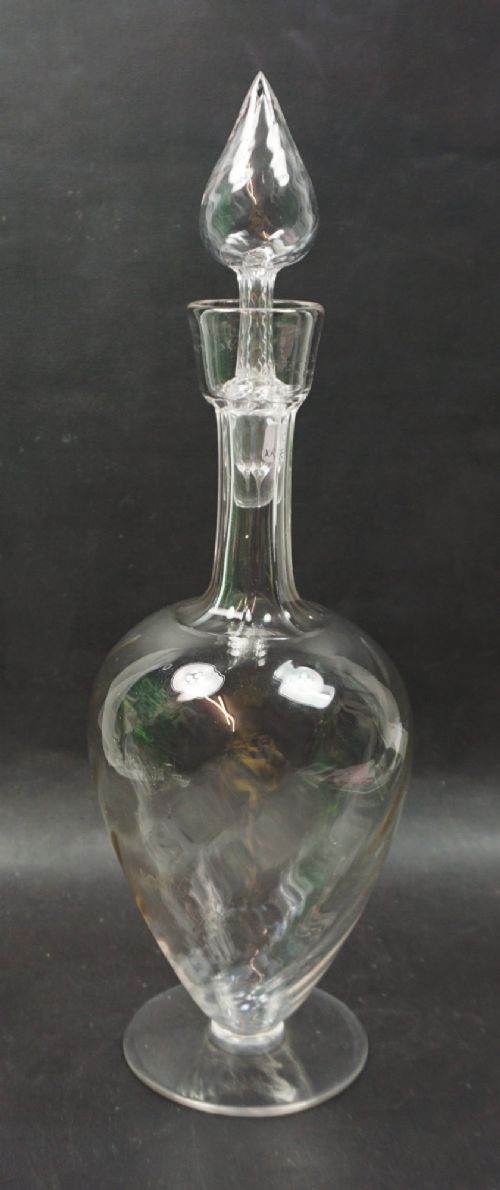
Buyers seeking nineteenth century glass art will encounter an array of decorative forms, predominantly featuring vases, paperweights, and inkstands shaped by Victorian and Regency tastes. The selection spans rich amethyst bulb vases with enameled wild roses alongside pink opaque bon bon dishes.
Many pieces display traditional craft traditions, including folk art whimseys such as carved bone and glass bottle dioramas alongside reverse glass engravings. The inventory captures both English output from makers like Richardson and continental Murano production.
How they were made
Makers utilised glassblowing and moulding techniques to form the base vessels, combining pink, cranberry, and dark amethyst tones through skilled manipulation of mineral oxides. Uranium green glass often formed contrasting bases, while enamel paint was applied to decorate surfaces with botanical motifs.
Detailed hand-carving shaped supplementary elements like wooden inkstands and bone finials, integrating diverse materials such as oak, cork, thread, and bronze mounts into complex decorative objects.
Nineteenth Century Glass Art Retail Price Guide 2026
Typical asking prices for nineteenth century glass art among the pieces listed under this phrase on Sellingantiques today, from the lower quarter to the upper quarter. They describe what is for sale here now, not the wider market.
Prisoners and sailors constructed elaborate bottle whimseys using remarkably small tools to assemble ships through narrow bottle necks.
What varies in quality
Quality rests upon the precision of the glassblower's form and the subtlety of the enamel painting applied to the surface. Stronger examples display crisp botanical detailing and harmonious colour combinations, such as pink opaque bodies set against gilt frames.
The sophistication of integrated mixed media elements, including detailed wooden carving on inkstands or well-executed reverse glass engravings, distinguishes finer decorative objects from simpler production.
Richardson
The Nineteenth Century Glass Art Glossary
- Claude glass
- A small, slightly convex mirror tinted dark to abstract and frame landscape views in the manner of the painter Claude Lorrain.
- Chrystoleum
- A photograph applied to glass, hand-painted from behind with oil or watercolour, and then pressed into a convex mount.
- Whimsey
- A decorative folk art object created by sailors or prisoners during idle hours, often incorporating miniature dioramas inside glass bottles.
- Uranium glass
- Glass containing small amounts of uranium dioxide, which fluoresces brightly under ultraviolet light and typically appears yellow or green.
- Reverse glass painting
- An artistic technique where the image is painted directly onto the back of a glass sheet and viewed through the front.
Nineteenth Century Glass Art: Frequently Asked Questions
How do I identify nineteenth century glass art?
Examine the material characteristics and decorative motifs typical of the period, such as cranberry or opaque pink colouring combined with hand-painted enamel botanical designs.
Contextual clues like period framing, bronze mounts, and traditional manufacturing marks further help establish the age and origin of the piece.
Were these glass items used daily?
Many objects served specific decorative or functional purposes in Victorian interiors, such as holding ink on a desk or displaying seasonal blooms.
Delicate items like reverse glass engravings and painted bon bon dishes were primarily ornamental displays for drawing rooms.
What materials accompany the glass?
Makers frequently combined glass with carved oak, bone, bronze, and copper to create complex sculptural objects and inkstands.
Additional elements like cork, thread, and gilt wood frames frequently appear within folk art dioramas and framed engravings.
How should I care for enamel-painted glass?
Keep painted and enameled glass out of direct sunlight to prevent fading of the delicate surface pigments over time.
Dust gently with a dry, soft cloth and avoid chemical cleaners that might lift or damage the historic enamel decoration.