
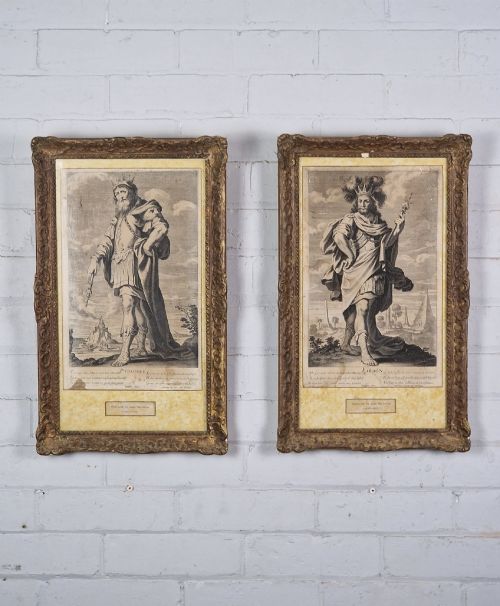

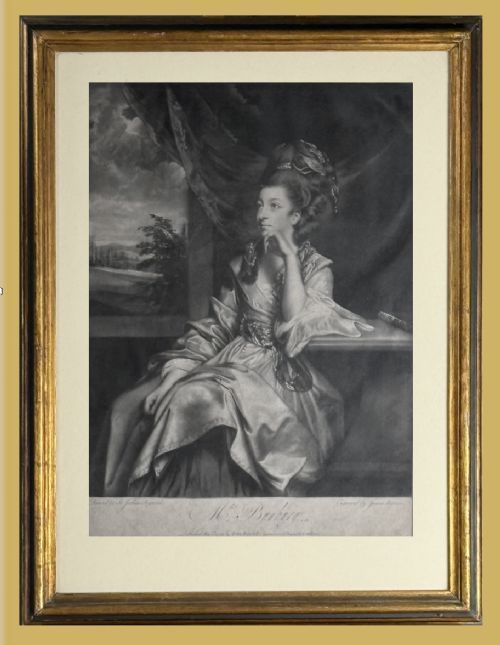
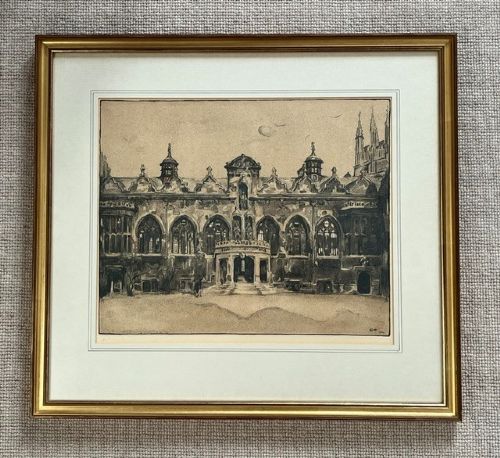
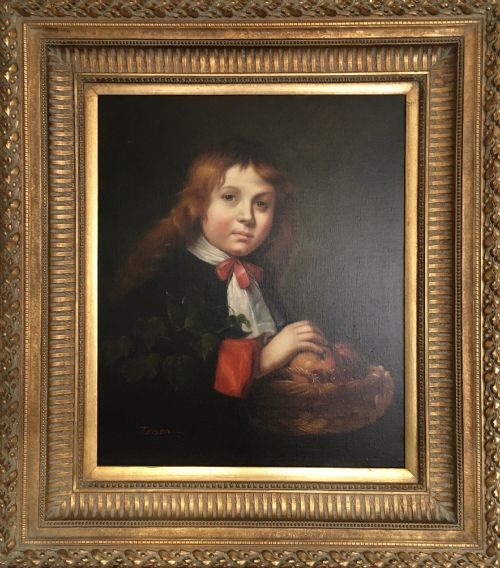

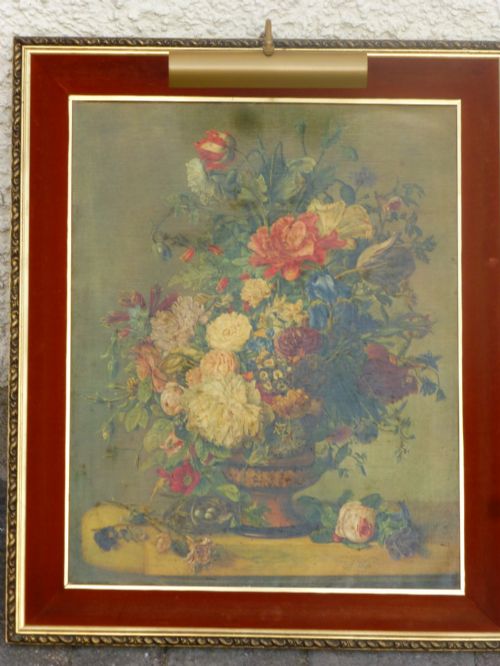
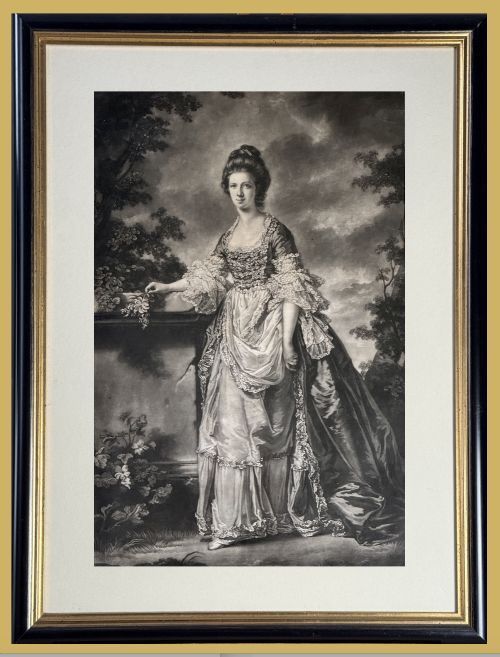
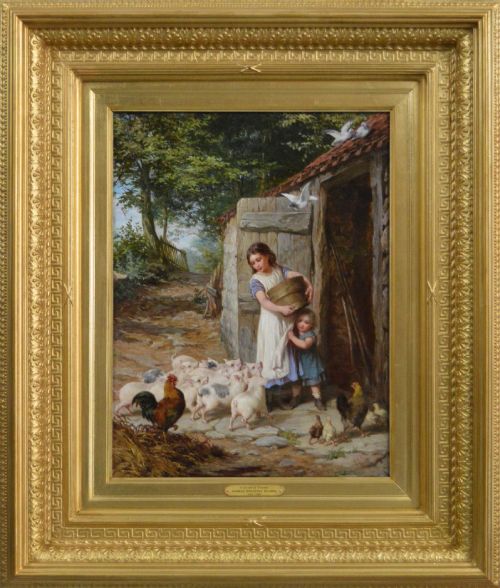
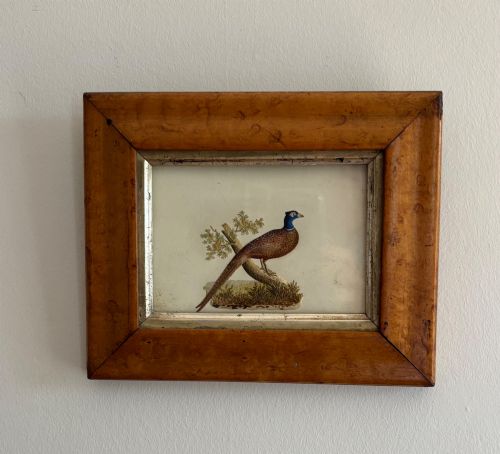
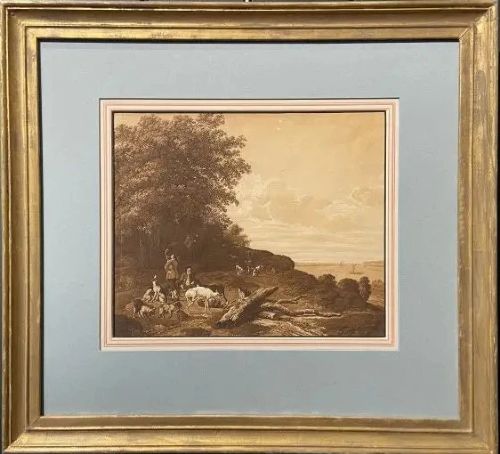
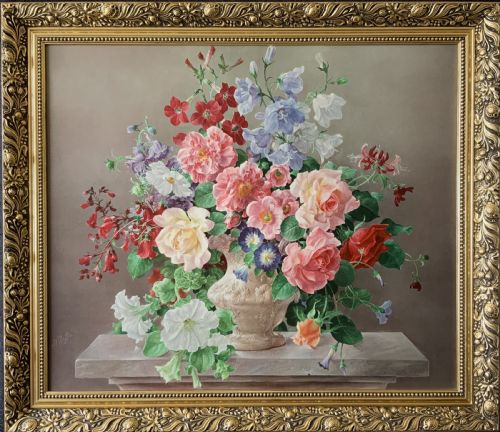
Gilded Framed Print
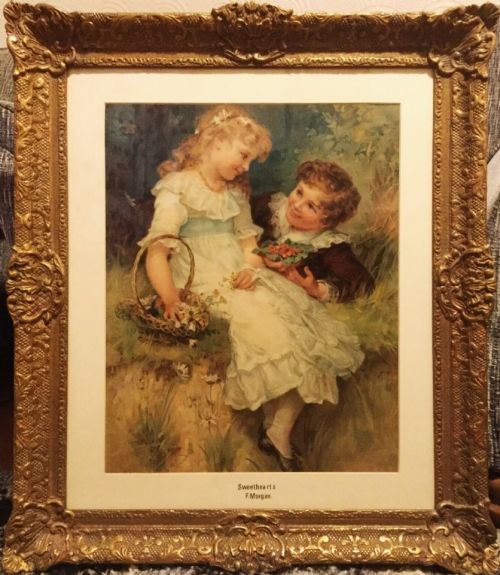
When you search for a gilded framed print, you are looking for historical wall art encased in gold leaf and carved wood.
Gilded Framed Print
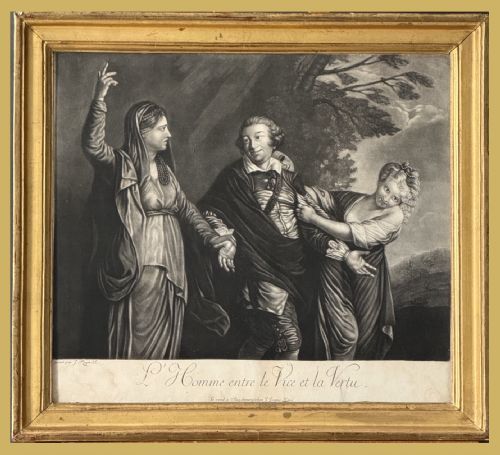
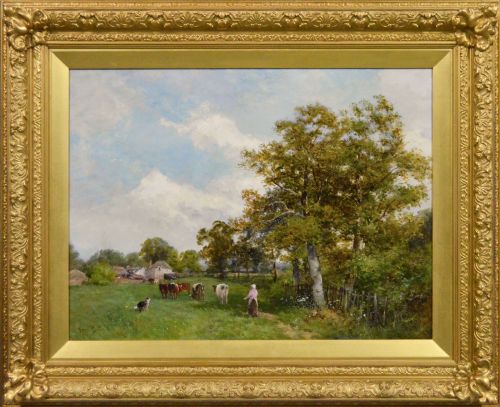
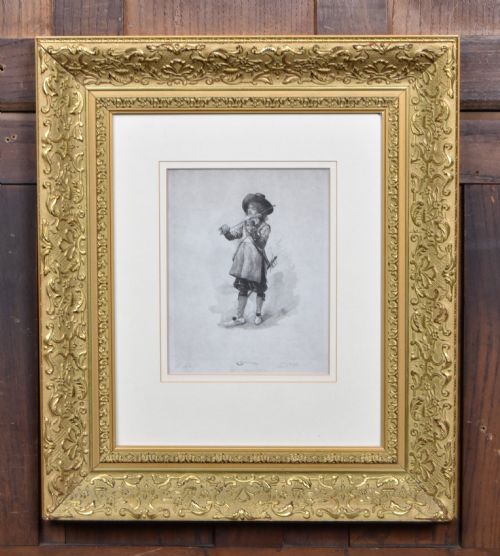
A gilded framed print brings together centuries of paper works, engravings, mezzotints, and oil paintings housed within decorative metallic frames.
The selections span from the seventeenth century through the Victorian era and into mid-century reproductions, reflecting diverse stylistic movements like the Dutch Golden Age and French Baroque.
Most examples combine traditional wall art formats with protective glass and heavy timber mouldings finished in gold leaf.
Materials and construction
Makers utilised wood as the primary structural material for frames, applying layers of gold leaf or gilt finishes over carved mouldings.
The visual components consist of paper, canvas, and glass, carrying printed, engraved, or painted imagery executed in oil, watercolour, and mezzotint techniques.
The available artworks encompass wall art, maps, portraits, and genre scenes created through engraving, painting, and printing.
Quality differences
Depth of execution separates standard decorative prints from finer works, particularly where hand-applied mezzotint engraving or original brushwork provides distinct textural contrast.
The integrity of the frame gilding and the weight of the underlying timber mount dictate the overall permanence and visual balance of the piece.
Jean Mariette·Sebastiaan Vrancx·James Watson·Sir Joshua Reynolds·Sir William Nicholson·Jean-baptiste Greuze·Frederick Morgans·Jiohan Elis Haid·Purcell·David Bates·Anton Weiss·Francis Cotes·George Augustus Holmes·Samuel Dixon·Johannes Lingelbach·Harold Clayton·Sir Peter Markham Scott·Hans Holbein·Titian·Ogilby·Robert Sayer·Margaret Maitland Howard·Simon Pietersz Verelst·Herbert Dicksee·George Edwards
The Gilded Framed Print Glossary
- Mezzotint
- A printmaking process of the intaglio family where the plate is abraded to achieve rich tonal gradations. It allows for subtle shifts in shadow and light.
- Oleograph
- A type of chromolithography printed on canvas to imitate an oil painting. Texture is often artificially embossed onto the surface.
- Reverse glass painting
- An artwork created by applying pigment directly to the back of a glass panel and viewing it from the front. The glass protects the delicate paint layers.
- Gilt wood
- Timber coated with a thin layer of gold leaf or gold powder. It provides a reflective surface that catches ambient room light.
- Cartography
- The study and practice of making maps. Antique examples often feature hand-coloured details and decorative borders.
Gilded Framed Print: Frequently Asked Questions
How do I date a gilded frame?
Dating relies on inspecting the timber construction joints, the thickness of the gesso layer beneath the gold leaf, and the tooling patterns visible on the reverse.
Earlier examples often display hand-carved wooden corners and organic wear that exposes the red bole foundation beneath the metallic leaf.
Are these prints original to their frames?
Many older artworks retain their original housings, though framing styles frequently shifted as owners updated interiors across different centuries.
Matching the historical period of the paper or canvas with the construction technique of the moulding helps confirm whether they belong together.
How should I clean glass and gilt frames?
Glass surfaces require careful wiping with a lint-free cloth and standard window cleaner applied to the cloth rather than sprayed directly onto the artwork.
Gilt wood demands very gentle dusting with a soft brush to avoid lifting the delicate metallic leaf from the carved timber beneath.
What is the difference between an engraving and a mezzotint?
Engravings use sharp tools to cut crisp, clean lines directly into a metal plate, producing sharp outlines and fine linear detail.
Mezzotints roughen the entire plate surface first to create dark tones, scraping away areas to produce velvety shadows and smooth gradients.