
Original Monochrome Sketch
An original monochrome sketch brings directness to a wall through the hand of an artist working solely in line and tone.
Original Monochrome Sketch
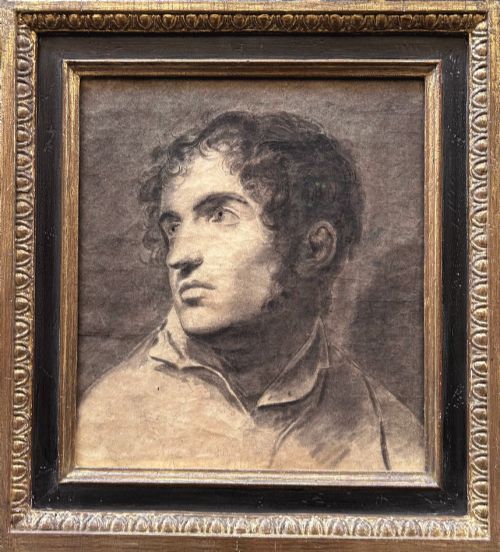
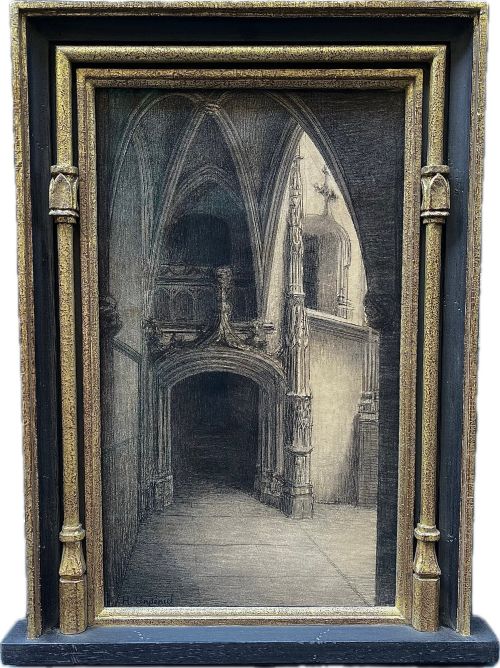
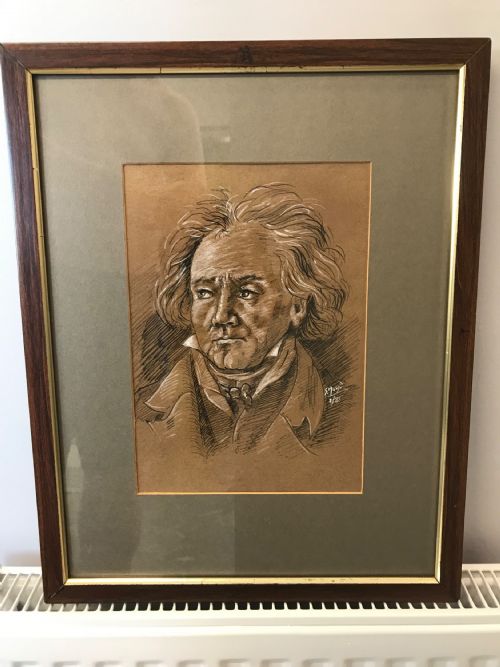
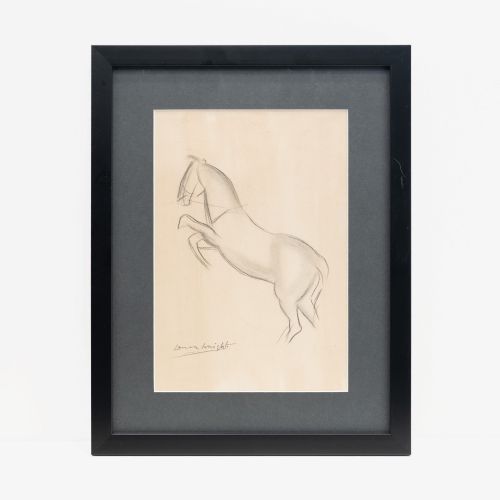
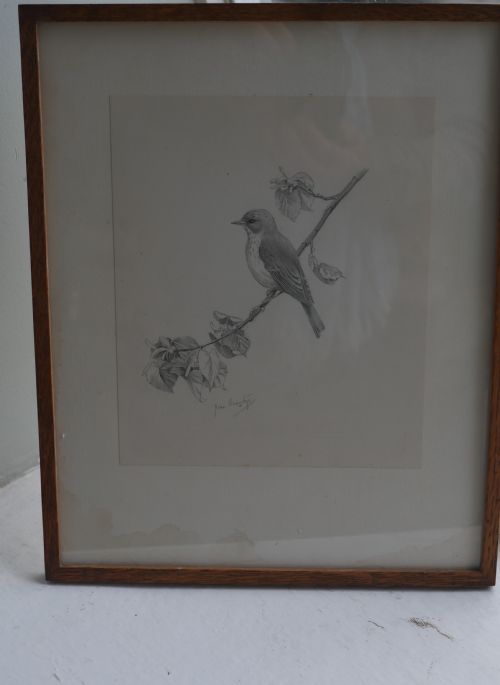
An original monochrome sketch captures a subject through single-colour mark-making on paper without the addition of full palette colour. The pieces gathered here span from the eighteenth century through the twentieth century, taking the form of framed wall art, notebook studies, and compositional drafts.
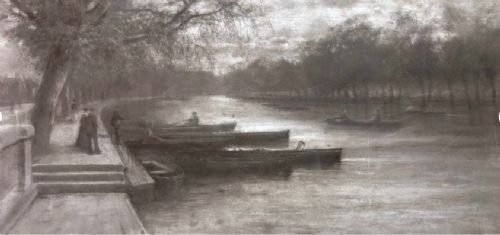
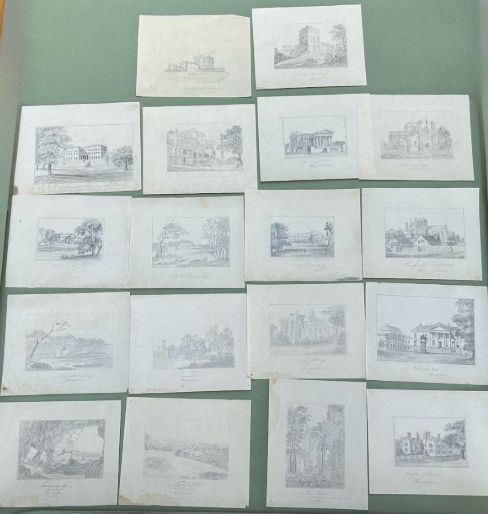
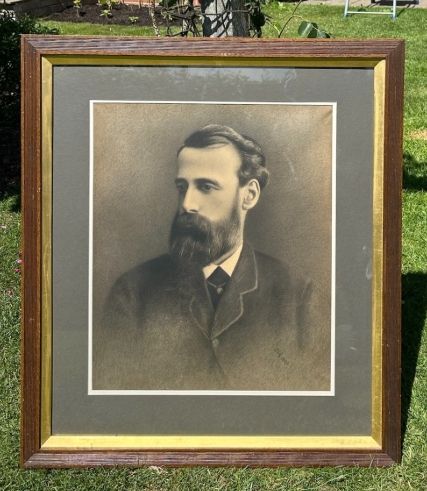
The most common examples on this page are nineteenth-century and early twentieth-century works executed in pencil, charcoal, or ink. Buyers encounter portrait studies, architectural renderings, and landscapes originating from British and continental hands.
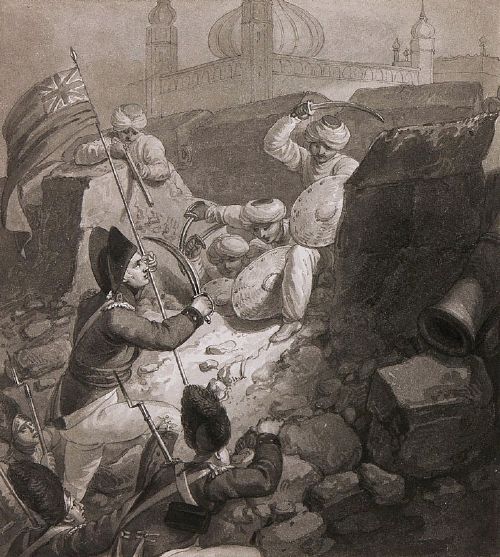
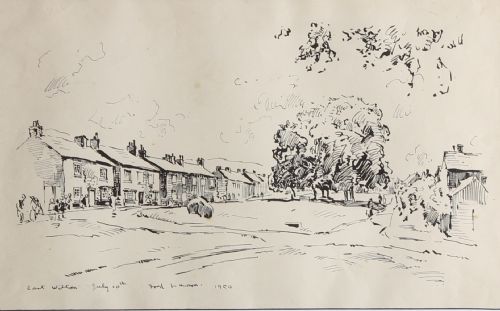
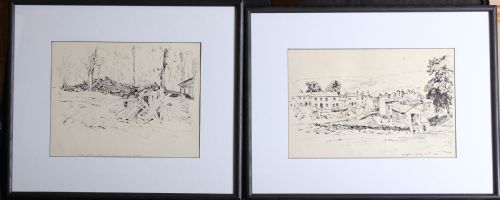
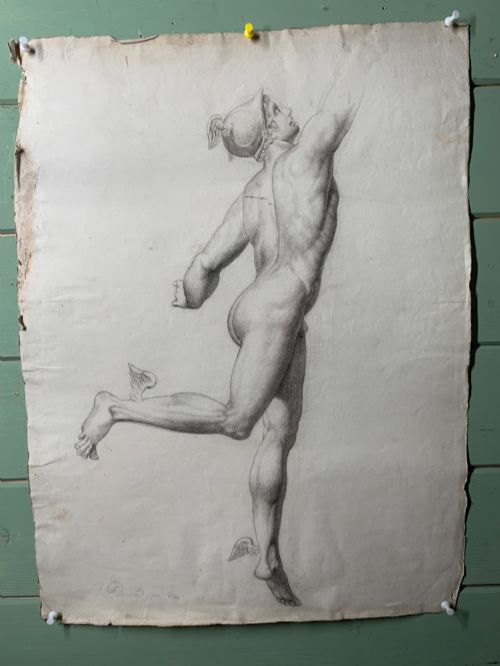
Subjects range from academic life drawings and architectural facades to battle scenes and rural English views. Many bear signatures, studio stamps, or period framing that situates them firmly in their historical context.
Materials and construction
The fundamental support across these items is paper, occasionally mounted to canvas stretchers or backing boards, paired with dry or wet media such as graphite, charcoal, pen and ink, and wash. Artists utilised graphite and charcoal for soft tonality and shading, while pen and ink provided crisp, permanent outlines.
Application techniques vary from rapid gestural strokes made in the field to highly finished academic life studies completed in the studio. Some sheets incorporate gouache highlights or wash applied with a brush to build depth and contrast within a restricted tonal range.
Listings feature works spanning the eighteenth, nineteenth, and twentieth centuries, executed in graphite, charcoal, ink, and wash on paper.
Distinguishing quality in works on paper
Quality rests upon the sureness of the draftsmanship and the economy of line used to define the subject. A superior sheet demonstrates confidence in anatomical proportion, spatial depth, or architectural perspective without relying on unnecessary corrections.
The preservation of the paper support and the clarity of the medium also dictate standing. Works that retain their original tonal contrast without excessive fading, acid burn, or severe foxing command greater appreciation from collectors.
William Marshall Craig·Fred Lawson·Henri Charles Angéniol·Dame Laura Knight·Henry Arthur Roberts·Edward Dayes·J D Fergusson·Winifred Eugene Ballard·John Hoppner·Sir Francis Leggatt Chantrey
The Original Monochrome Sketch Glossary
- Monochrome
- A work executed in a single colour or shades of a single colour. This typically encompasses black, grey, sepia, or ink wash tones on a neutral paper ground.
- Grisaille
- A painting or drawing executed entirely in shades of grey or neutral greyish-brown to imitate sculpture or produce a monochromatic tonal study. The technique dates back centuries as a method for preparatory design.
- Wash
- A thin, transparent layer of diluted ink or watercolour applied with a brush to create background depth, shadows, or atmospheric effects behind linear work. It is frequently combined with pen or pencil.
- Life study
- An artwork created by observing a live human model directly in an academic or studio setting. These sheets record physical form and musculature accurately.
- Foxing
- Brown spots and discolouration that develop on antique paper over time due to chemical reactions involving iron impurities and humidity. It is a common characteristic of aged paper goods.
Original Monochrome Sketch: Frequently Asked Questions
How do I frame an antique sketch?
Protect the paper by using acid-free mount board and framing materials that prevent the artwork from touching the glass directly. Keep the piece away from direct sunlight to prevent the ink, pencil, or paper from fading.
Choose a simple period-appropriate wood frame that complements the tone of the drawing without overpowering the delicate medium. Ensure the backing is sealed to keep out dust and moisture.
What is the difference between a sketch and a study?
A sketch is typically a quick, spontaneous drawing made to capture a fleeting composition, posture, or lighting effect. It records the initial thoughts of an artist before starting a larger work.
A study is a more deliberate and detailed examination of a specific element, such as a hand, a figure, or an architectural detail. Studies often demonstrate rigorous academic training and precise observation.
How can I date an old paper drawing?
Examine the watermark in the paper, the style of the script if it is signed or titled, and the nature of the medium used. Paper manufacturing techniques changed significantly between the eighteenth and twentieth centuries.
Contextual clues such as the framing style, mount materials, and artist biographies provide further evidence for narrowing down the decade of creation.
Are monochrome sketches finished artworks?
Many monochrome sketches were created as complete, independent works of art rather than mere preparations for paintings. Artists frequently exhibited and sold finished drawings in pencil, charcoal, and ink.
Their appeal lies precisely in the directness of the hand and the absence of layered pigments, allowing viewers to see the exact process of creation.