



Antique Line Drawing
These antique line drawing examples span centuries of ink and paper work, offering collectors crisp graphic clarity and direct touch from the artist's hand.
Antique Line Drawing
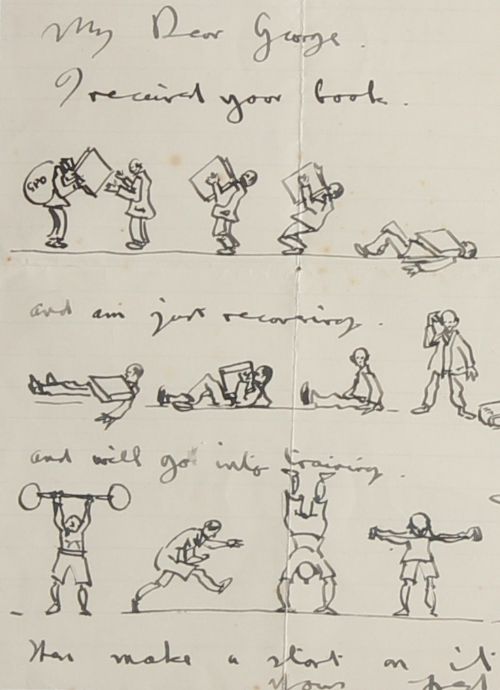
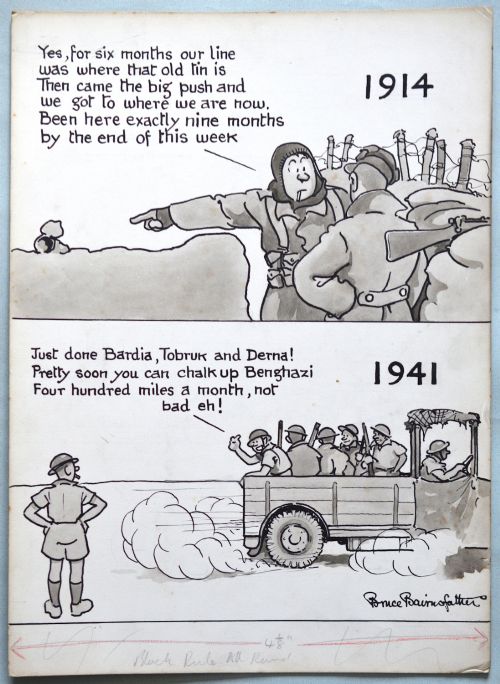
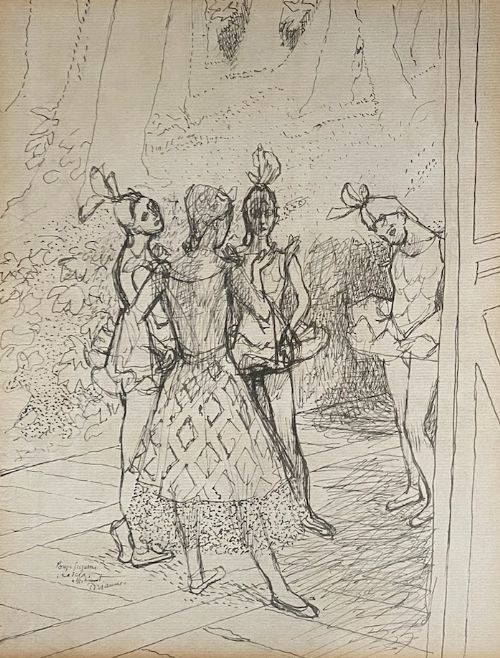
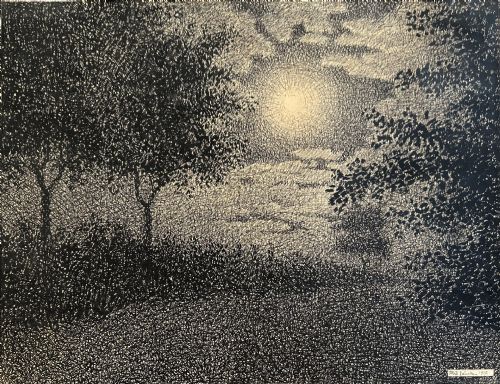
An antique line drawing relies primarily on ink, pen, or pencil marks upon paper surfaces to define form without relying heavily on broader colour fields. When you search for antique line drawing, you encounter works ranging from rapid preparatory studies and landscape views to detailed illustrative plates.
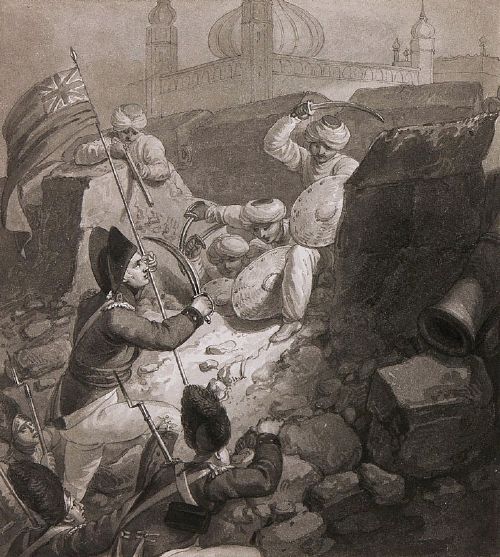
The selections span multiple eras, notably the eighteenth century, nineteenth century, and early twentieth century. You frequently meet landscape scenes, figure studies, and historical illustrations executed by various regional schools.
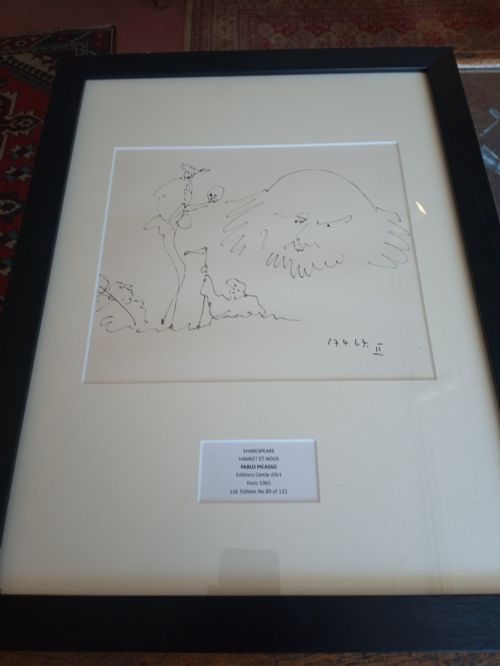
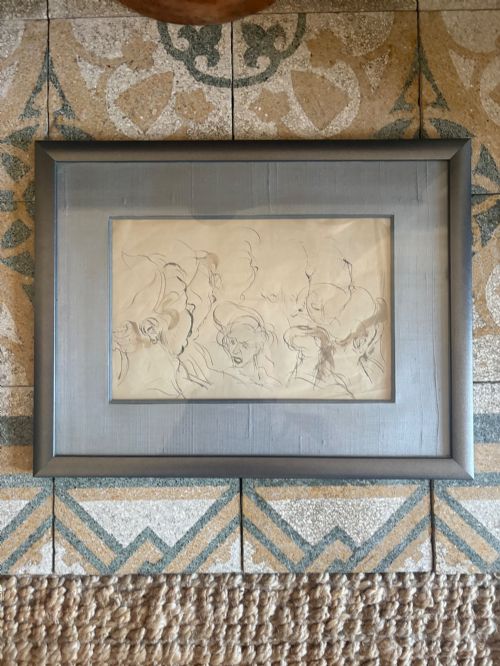
Framing often accompanies these works, utilising period mounts in wood, gilt wood, or glass to preserve the delicate paper beneath.
What defines quality
The mastery of the stroke and the precision of the draughtsmanship separate casual sketches from exceptional works. A confident, economic line demonstrates the draughtsman's authority over the medium.
Condition of the paper and the integrity of the ink determine longevity and visual appeal. Foxing, fading, or heavy acid burn diminish the clarity of the original composition, whereas well-preserved sheets retain sharp contrast.
Listings feature works on paper spanning from the eighteenth century through to the modernist period, utilising ink, wash, and pencil.
Fred Lawson·William Marshall Craig·Alfred Dehodencq·John Flaxman·John Duncan Fergusson·Henry Edridge
The Antique Line Drawing Glossary
- Wash
- A thin layer of diluted ink or watercolour applied with a brush to create shadows and tonal gradations beneath or beside the ink lines.
- Foxing
- Brown spots caused by chemical reactions in the paper over time, frequently seen in antique paper items due to iron impurities or humidity.
- Preparatory study
- A preliminary drawing executed by an artist to work out composition, lighting, or anatomy before starting a larger or more finished painting.
- Neoclassical
- A style drawing inspiration from the classical art and culture of ancient Greece or Rome, prioritising restraint, line, and proportion.
Antique Line Drawing: Frequently Asked Questions
How should I frame an antique line drawing?
Protect the paper from direct sunlight and use acid-free mounts to prevent deterioration over time. Ensure the glass does not touch the surface of the drawing directly.
Keep the framing consistent with the period of the piece where possible, choosing simple wood or gilt surrounds that complement the ink work.
How do I identify the date of a drawing?
Examine the watermark on the paper, the style of the script if signed, and the nature of the framing or mounting materials. Stylistic markers such as neoclassical proportions or romantic subject matter also help narrow the timeframe.
Compare the ink characteristics and artist signatures with recorded examples from known periods to confirm the era of execution.
Can I hang line drawings in direct sunlight?
Sunlight causes paper to yellow and ink to fade permanently, so position these works away from bright windows and south-facing walls. Conservation glass with UV protection offers an extra layer of defence for fragile ink works.
Rotate pieces displayed in brighter rooms periodically to minimise cumulative light exposure.
What is the difference between a print and a drawing?
A drawing is an original, unique artwork created directly on the paper by the artist's hand using pen, pencil, or brush. A print is a mechanical or chemical reproduction of an image, often produced in multiples from a plate or block.
Under magnification, an original drawing reveals ink pooling in the paper fibres and individual pressure marks from the pen or pencil.