
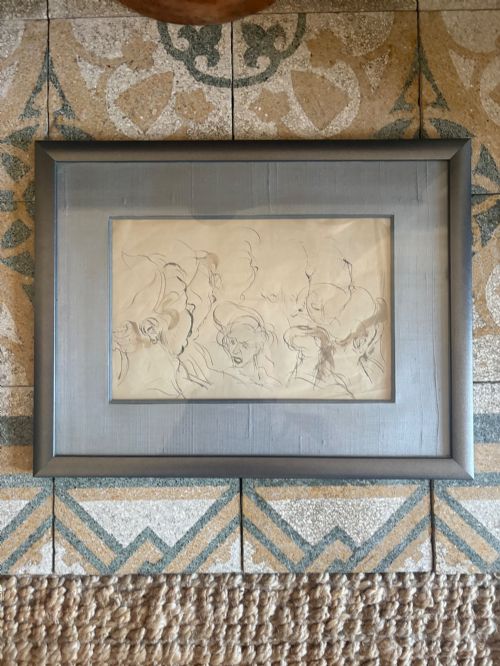
![Pen and Ink Sketch - Female Nudes by William Edward Frost [1810-1877]](https://www.sellingantiques.co.uk/photosnew/dealer_kendallhouse/dealer_kendallhouse_full_1758970795762-8493507346.jpg)


Original Pen Sketch
An original pen sketch captures the immediate touch of the artist's hand, offering a direct insight into historical composition before any final oil painting or published work takes place.
Original Pen Sketch
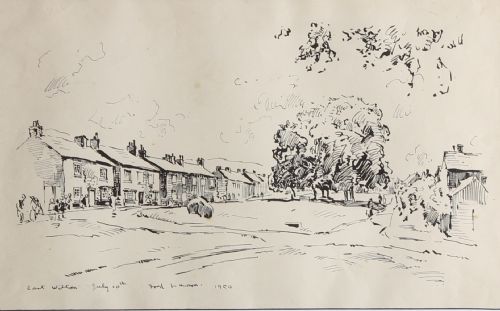
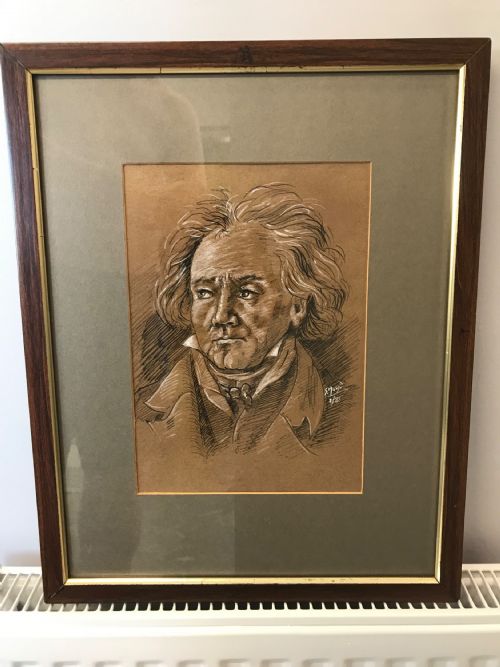
An original pen sketch is a primary work on paper executed in ink, wash, or watercolour, capturing subjects ranging from precise architectural studies to rapid landscape observations. A buyer searching this phrase encounters works spanning from the late eighteenth century through the Victorian era and into mid-twentieth-century Modern British output.
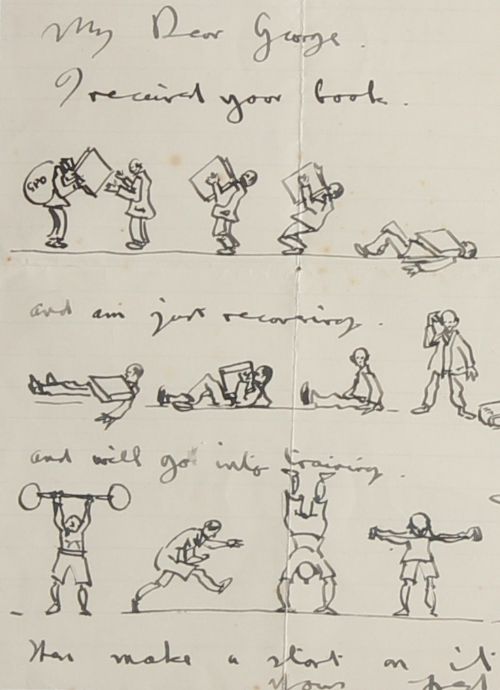
The material takes many forms across the selection, appearing as standalone framed drawings, preparatory studies for larger paintings, illustrative plates for books, and annotated historical records. These sheets often show the artist's working notes, alterations, and marginalia alongside the primary linework.
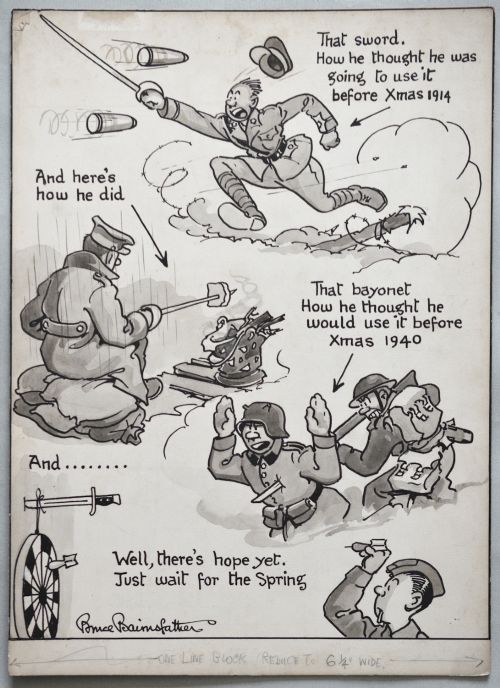
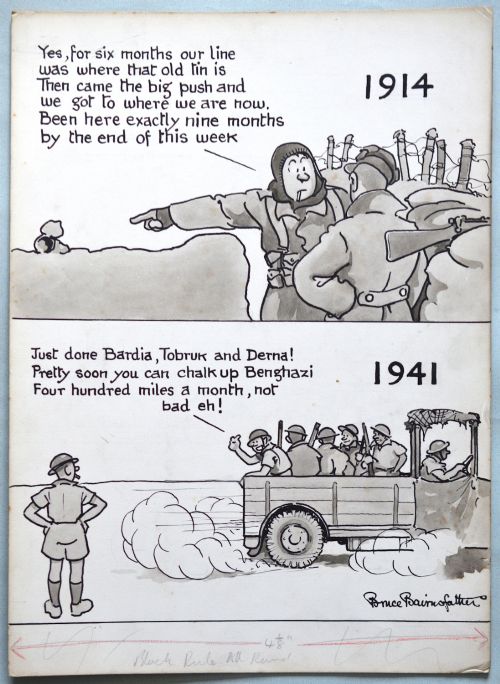
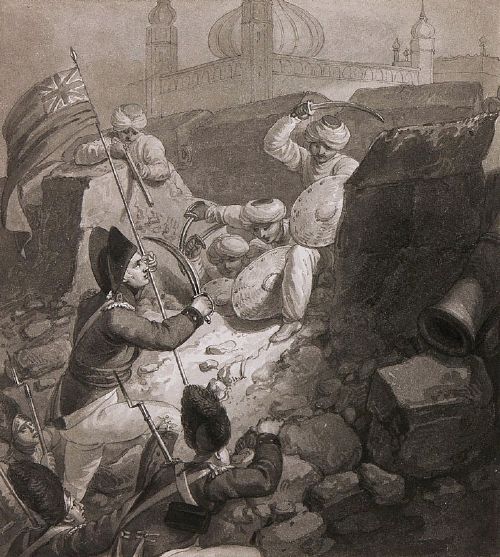
Landscape scenes, portraiture, satirical illustrations, and architectural details dominate the available subjects, providing a diverse window into past draughtsmanship. Works vary from finished watercoloured watercolours to stark, unadorned ink lines on aged paper.
Materials and technique
Artists relied primarily on iron gall or carbon-based inks applied with quill or steel nibs onto rag paper, establishing the foundational linework of an original pen sketch. Washes of diluted ink or watercolour were frequently brushed over the dry lines to introduce tonal depth and atmospheric shadow.
Supplementary pigments such as gouache, charcoal, and bodycolour appear in many examples to heighten highlights or build up opaque areas of light against dark ink strokes. Framing materials historically include simple wood mouldings, often complemented by glass protection and gilt mounts.
Listed formats include framed artworks, bound book pages, architectural elevations, and preparatory landscape studies executed in pen and ink.
What separates the best from the rest
Quality in an original pen sketch rests upon the confidence and economy of the draughtsman's line, where hesitation reveals itself in overwritten contours and dead strokes. The interplay between swift, expressive linework and controlled wash determines whether a sheet remains a dull record or a vital artistic statement.
The preservation of the paper support and the stability of the fugitive inks dictate the visual integrity of the surviving piece. Tonal richness, the absence of excessive acid burn from historic mounts, and clear provenance or attribution elevate certain examples above standard student exercises.
Fred Lawson·Bruce Bairnsfather·William Marshall Craig·Alfred Dehodencq·William Edward Frost·Louis Wain·Lucien Freud·Thomas Rowlandson·Lawrence Stephen Lowry·Dame Laura Knight·George Graham·Sir Francis Leggatt Chantrey·Harry Epworth Allen·Bert Thomas·Walter Spradbery·David Roberts·George Charles Haite·Edwin Ridsdale Tate·Henry William Burgess·John Martin
The Original Pen Sketch Glossary
- Wash
- A thin layer of diluted ink or watercolour applied with a brush to create tonal gradations and shadows beneath or over pen lines.
- Gouache
- An opaque watercolour paint containing a binding agent, used to add solid highlights and opaque touches to paper works.
- Preparatory study
- A preliminary drawing executed by an artist to plan composition, lighting, or details prior to executing a finished painting or print.
- Marginalia
- Notes, dates, or small sketches inscribed by the artist in the margins or verso of a primary drawing sheet.
- Draughtsmanship
- The technical skill and proficiency an artist demonstrates in drawing lines and constructing form.
Original Pen Sketch: Frequently Asked Questions
How should I frame an original pen sketch?
Historic drawings require conservation-grade mounting materials to prevent acid transfer from backing boards into the fragile paper fibres over time. Keeping the glazing away from the surface prevents condensation from adhering the delicate ink and wash directly to the glass.
Displaying these works away from direct sunlight protects fugitive inks and watercolours from fading or shifting in tone. Simple wooden frames that complement the historic period of the piece help maintain its visual context without distraction.
Are these drawings signed by the artists?
Many examples bear the artist's signature, monogram, or contemporary inscriptions identifying the sitter, location, or date of execution. Unsigned pieces frequently rely on distinct stylistic markers, handwriting comparisons, or notes left on the reverse by contemporary authorities.
Attributions often link sheets to specific sketchbooks, exhibition records, or known working methods of the period. Even without a signature, the quality of the handling often points directly to a recognised hand or studio.
What is the difference between a sketch and a study?
A sketch is typically a rapid, spontaneous record of a scene or idea captured directly from life to preserve a fleeting visual impression. These works emphasise movement and immediate atmosphere over finished detail.
A study is usually a more deliberate, focused examination of a specific element, such as a figure, drapery, or architectural detail, intended for use in a larger composition. Both forms offer direct access to the artist's primary thought process.