


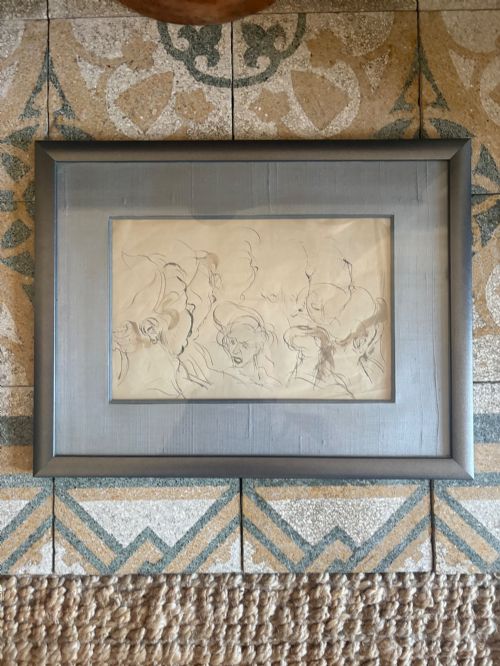


Sepia Figure Study
These sepia figure study works capture the human form in monochrome tones, offering a direct window into classical drawing technique and academic training.
Sepia Figure Study
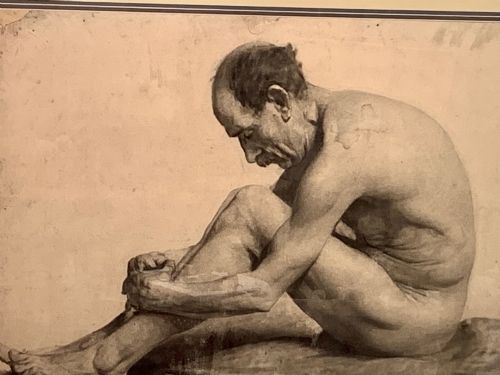
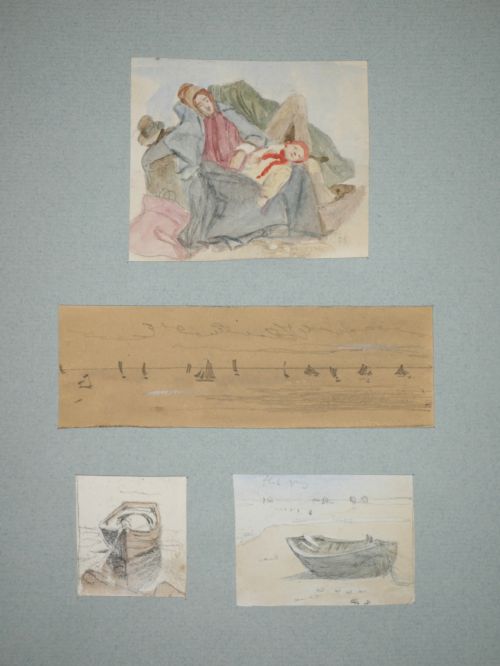
A sepia figure study is a work of art focusing on the human body, rendered in warm brown monochrome tones using various drawing media. These pieces range from preparatory sketches by named artists to anonymous academic exercises executed on paper.
The selections span multiple centuries, originating from British, French, and Italian contexts, with Victorian examples appearing alongside earlier academic works. Buyers will encounter both finished framed artworks and direct ink or graphite drawings that record anatomical observation.
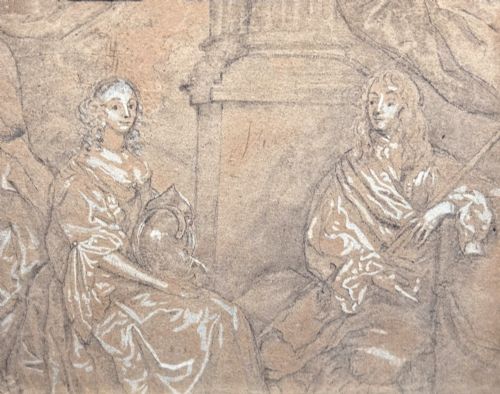
Subjects vary from male nudes in heroic poses to theatrical character sketches and classical portraiture. Works on paper predominate, preserved behind glass within period frames that complement their monochromatic palettes.
Materials and technique
Artists executed these works on paper using ink, chalk, graphite, and watercolour washes to build tone and shadow. The sepia effect is achieved through iron gall or bistre inks, or mixed watercolour pigments that mimic aged monochrome photography and traditional ink washes.
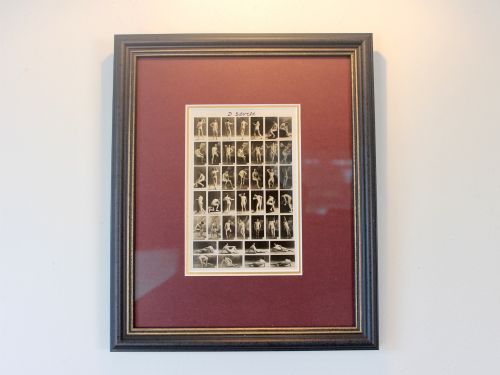
Preparation for larger compositions often began with swift graphite or pen strokes before washes were applied to define musculature and light. Some examples incorporate oil on canvas or photographic contact methods, reflecting the shifting technical approaches of the nineteenth and twentieth centuries.
Molière theatre figures rub shoulders with grand prix submissions, proving that academic discipline and theatrical drama make excellent studio companions.
Distinguishing quality in figure studies
Quality rests upon the sureness of the draughtsmanship and the artist's command of anatomical proportion and light. A master academic study displays confident line work that captures muscle tension and volume without hesitation.
The preservation of the paper support and the clarity of the ink or wash also determine the standing of a piece. Fading, acidic toning, and water damage alter the visual balance, whereas clean, stable paper retains the original contrast intended by the draughtsman.
James Smetham·Peter Lely·Julian Mandel·Alexandre-Louis Martin·Alfred Dehodencq
The Sepia Figure Study Glossary
- Sepia
- A brown pigment originally derived from the ink sac of the cuttlefish. It became widely used in European drawing for its warm, enduring tonal qualities.
- Academic art
- A style of painting and drawing produced under the influence of European academies of art. These works follow strict standards of proportion, anatomy, and historical subject matter.
- En grisaille
- A painting executed entirely in shades of grey or another single monochrome colour, often used to emulate sculpture or as an underpainting.
- Contact sheet
- A photographic print made by placing negatives directly onto sensitized paper. This method preserves a record of multiple poses captured during a single session.
- Preparatory study
- A preliminary sketch or drawing made by an artist to plan a larger, more finished composition. These works reveal the working method and underlying thought process of the creator.
Sepia Figure Study: Frequently Asked Questions
What is a figure study?
A figure study is an artistic drawing or painting created to examine the structure, movement, and anatomy of the human body. Artists produce these works to hone their observational skills or to prepare for larger, multi-figure compositions.
Historically, academic training required students to complete numerous studies from life before working on historical or mythological scenes. These pieces capture the raw process of observation rather than a polished commercial presentation.
How do I display works on paper?
Works on paper require careful framing behind glass to protect the delicate medium from dust, moisture, and handling. Acid-free mounts prevent chemical degradation and keep the paper from touching the glazing.
Position these framed pieces away from direct sunlight to prevent the sepia inks and watercolours from fading over time. Controlled interior lighting helps preserve the subtle tonal gradations of the monochrome wash.
How can I tell the period of a drawing?
Dating relies upon examining the type of paper, the framing materials, the medium used, and any inscriptions or signatures. Watermarks in the paper stock often provide reliable clues to the decade of production.
Stylistic markers also indicate the period, such as the rigid academic realism of nineteenth-century exercises versus the photographic experimentation of the early twentieth century.
Why are these works monochromatic?
Monochrome rendering allows the artist to concentrate entirely on form, shadow, and light without the distraction of colour. Sepia tones provided an accessible and expressive range for quick sketching and tonal modelling.
Working in a single hue was a standard method in European academies for teaching students how to create the illusion of three-dimensional volume on a flat surface.