
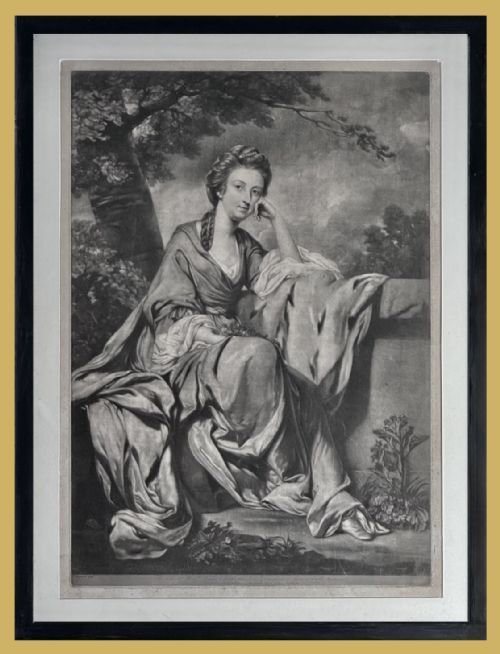
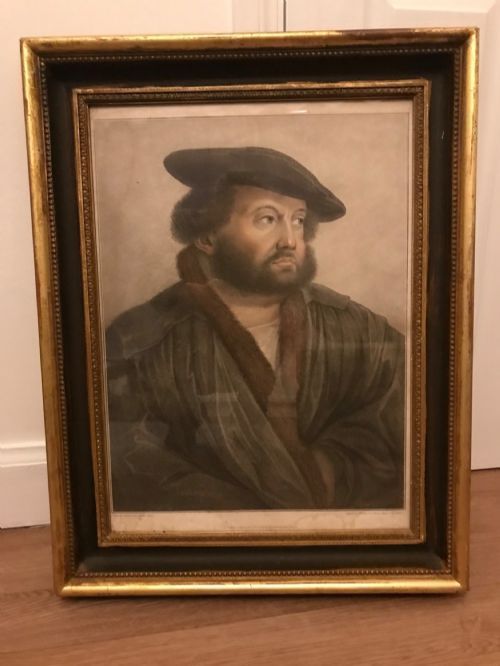
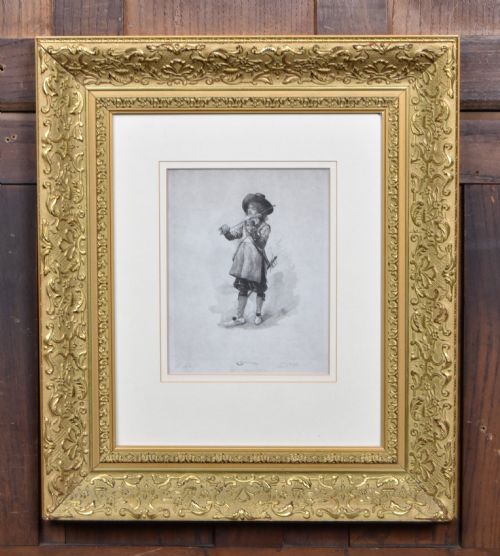
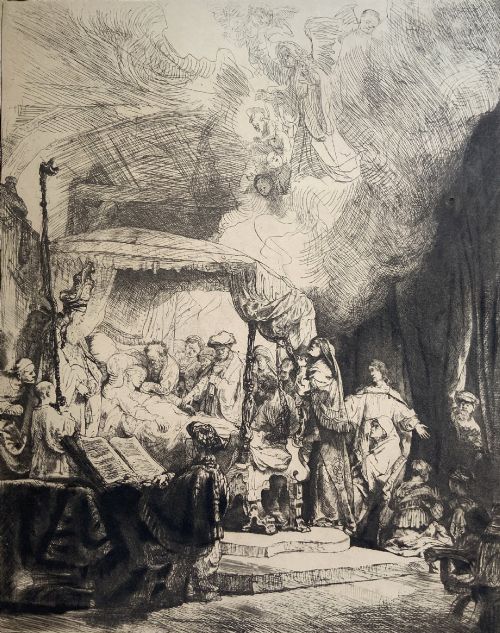
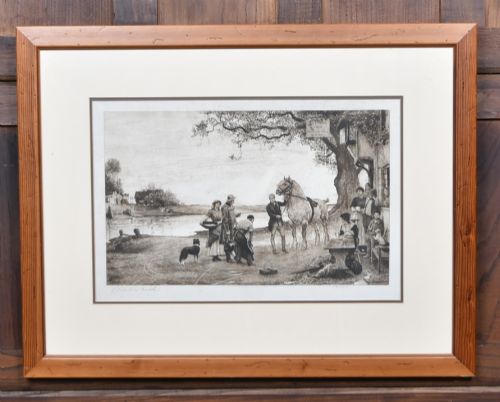
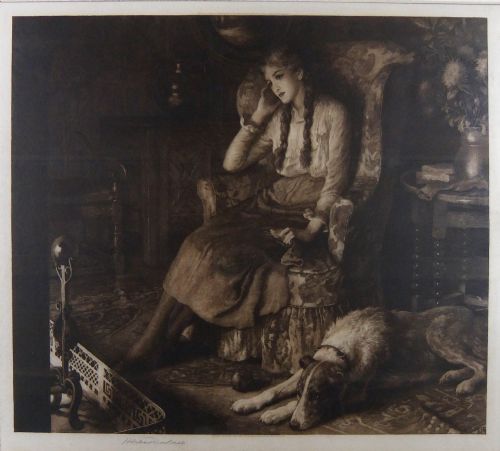
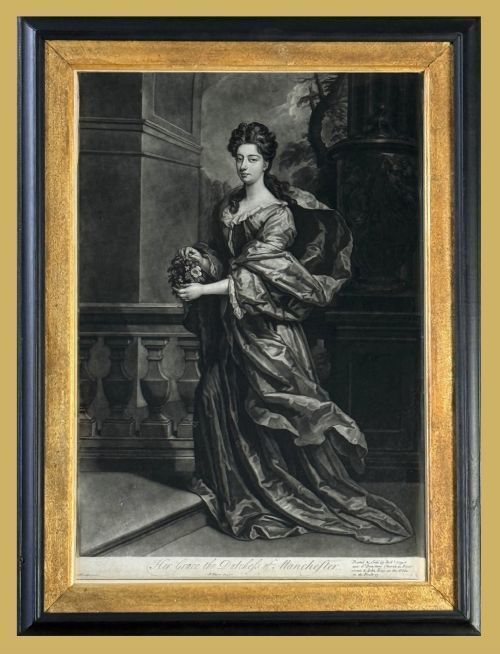
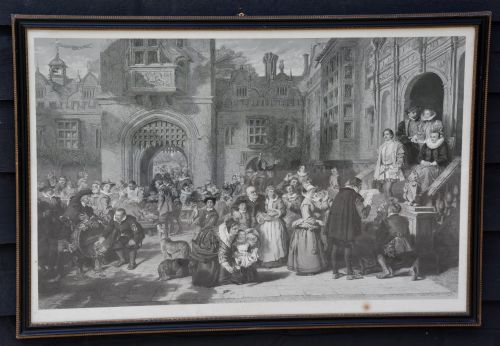
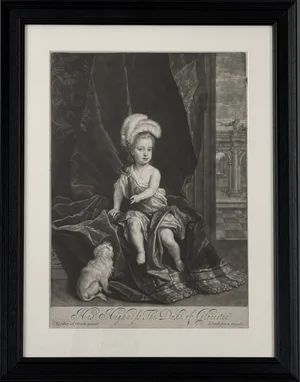
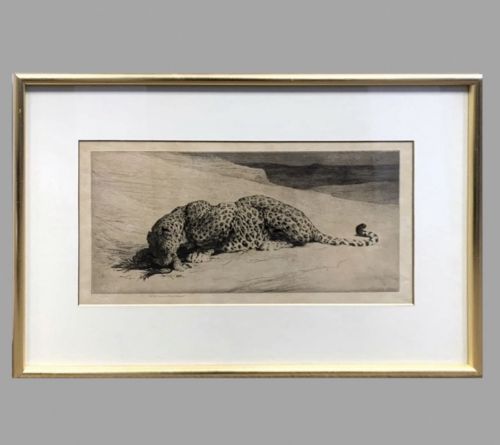
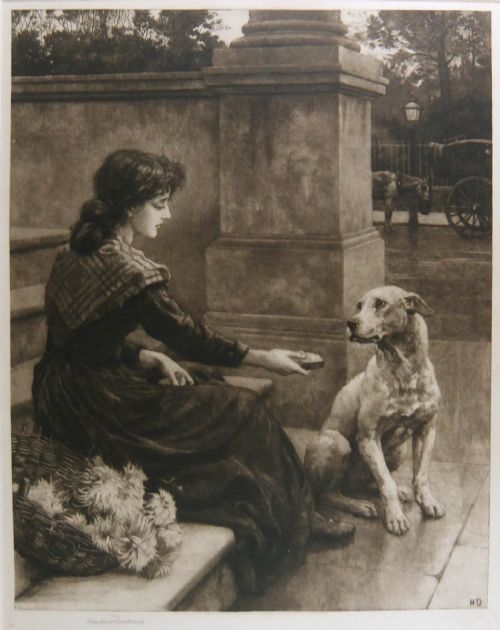
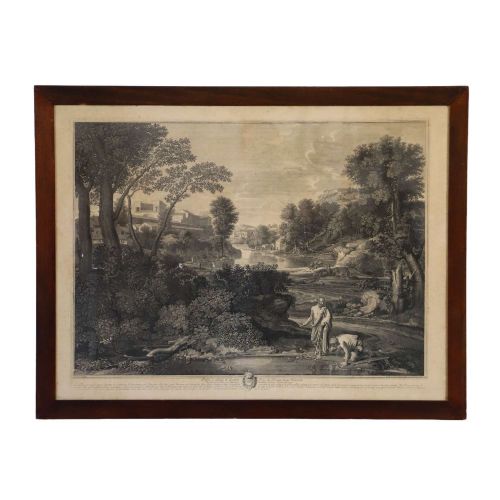
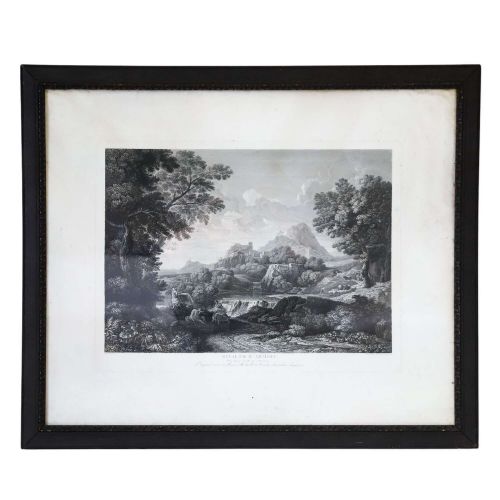
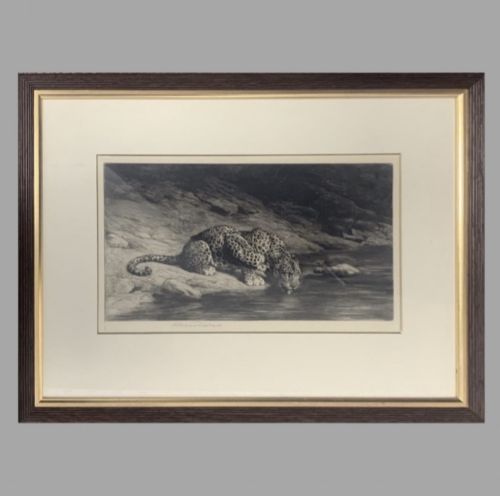
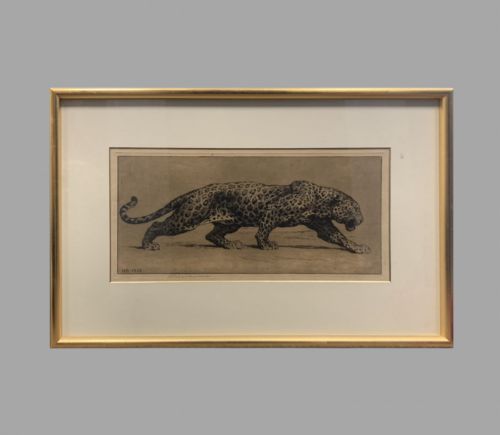
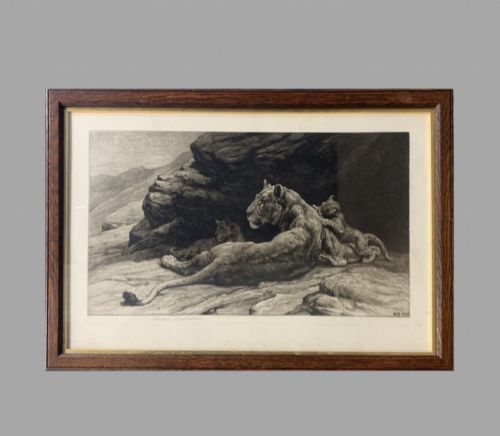
Black Framed Etching
A black framed etching brings historic architectural line and tonal depth straight to the wall.
What these pieces are
A black framed etching delivers crisp ink lines on paper, presented behind glass within a dark wooden moulding. The search for a black framed etching covers works ranging from nineteenth-century coastal scenes to mid-century architectural studies.
The Victorian examples lean towards topographical records, while the later twentieth-century pieces capture distinct country houses and city bridges. Each framed print brings a traditional British aesthetic to domestic wall art.
Buyers frequently encounter works signed by specific artists, framed securely to protect the delicate paper beneath glass. These pieces rely on monochrome ink work rather than colour to define their subjects.
How they were made
The maker incises a design into a metal plate covered with an acid-resistant ground, then submerges the plate in acid to bite the exposed lines. Ink is pushed into these recesses, wiped from the surface, and transferred onto paper under high pressure.
Once printed, the paper sheets are mounted within wooden frames and protected behind glass. Some mouldings incorporate gold leaf accents alongside the primary black finish to frame the print.
What varies in quality
Quality rests in the precision of the plate impression and the clarity of the inked lines. Earlier printings capture finer tonal gradations across the paper surface than later impressions.
The choice of framing materials also sets works apart. Solid wood mouldings and well-fitted glass offer better longevity and historical integrity than simpler secondary frames.
The Black Framed Etching Glossary
- Etching
- A printmaking method where acid bites lines into a metal plate to hold the ink. This technique creates fine, sharp details on paper.
- Plate mark
- The indentation left in the paper by the edge of the metal plate during the printing press run. It proves the work is an original print.
- Moulding
- The shaped strip of wood used to construct the picture frame. Dark wooden mouldings define the perimeter of these pieces.
- Topography
- The detailed mapping or graphical representation of specific places on earth. Many nineteenth-century prints focus on precise local views.
Frequently Asked Questions
How do I date a black framed etching?
Dating relies on the style of the paper, the framing materials, and any handwritten signatures or pencil titles beneath the image.
Clues like Victorian costume or architectural subjects from the nineteen-twenties help narrow the period further.
Are these original prints?
The pieces listed are original etchings pulled directly from metal plates rather than modern mechanical reproductions.
Close inspection under magnification reveals the slight raised ridge of ink characteristic of genuine plate printing.
How should I hang wall art with glass?
Hang these framed works away from direct sunlight to prevent the ink and paper from fading over time.
Ensure the wall fixings match the weight of the wood, glass, and paper combination.
What subjects are typical?
Subjects range from urban bridges and coastal seaweed gatherers to historic rectories and country halls.
These traditional British scenes reflect the artistic interests of the Victorian and mid-twentieth-century periods.