

Antique Architectural Artwork
Antique architectural artwork captures historic streetscapes, grand monuments and venerable buildings through centuries of paint, paper and ink.
Antique Architectural Artwork
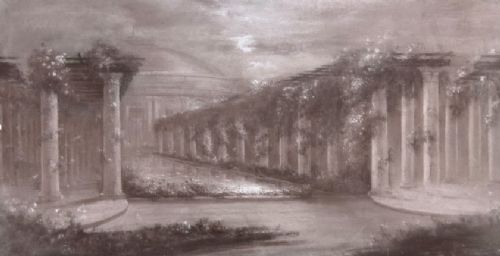
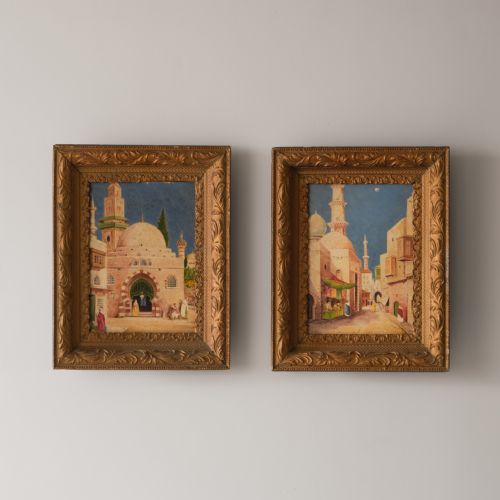
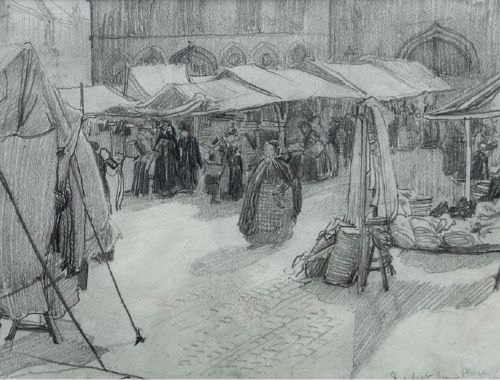
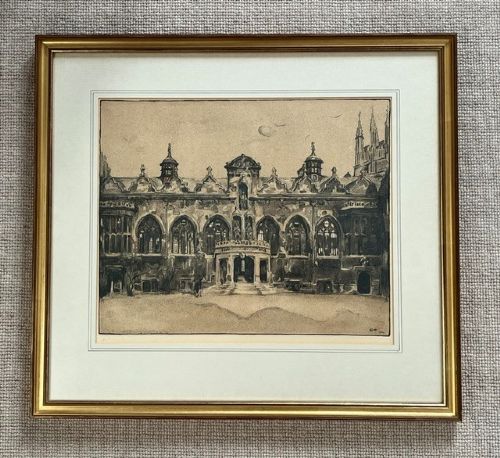
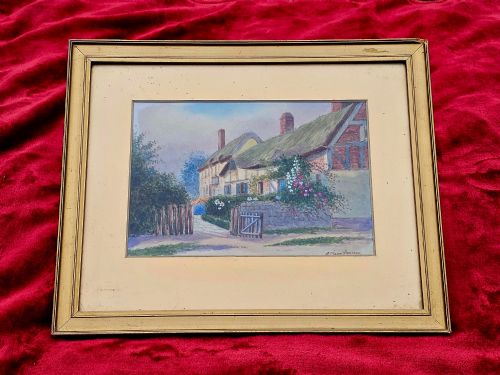
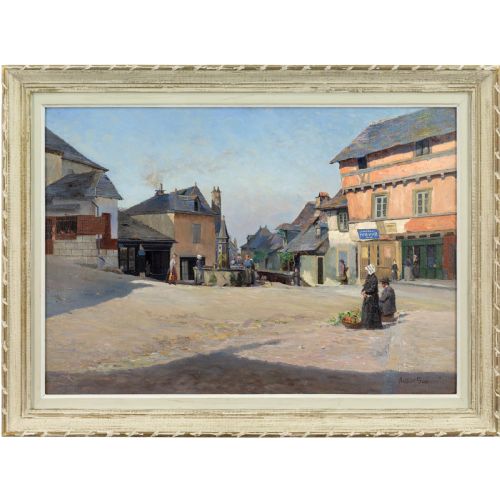
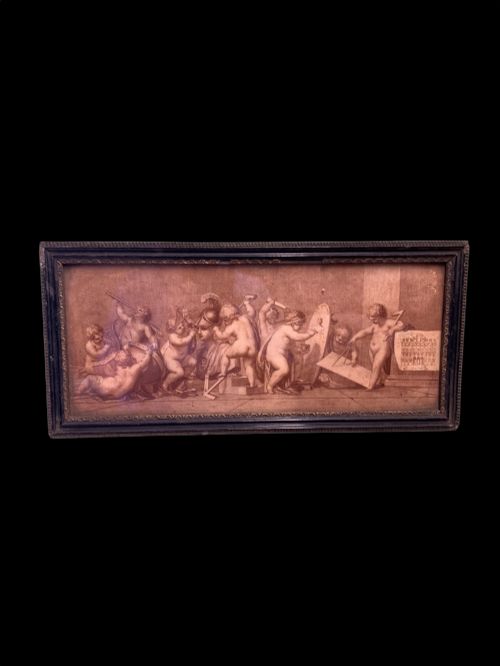
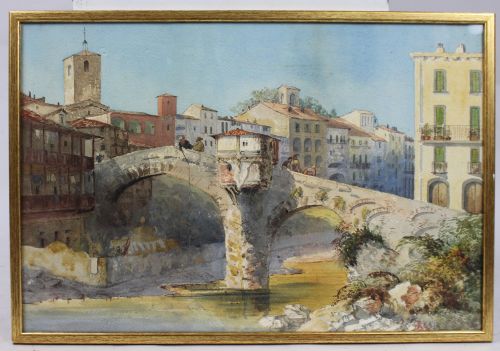
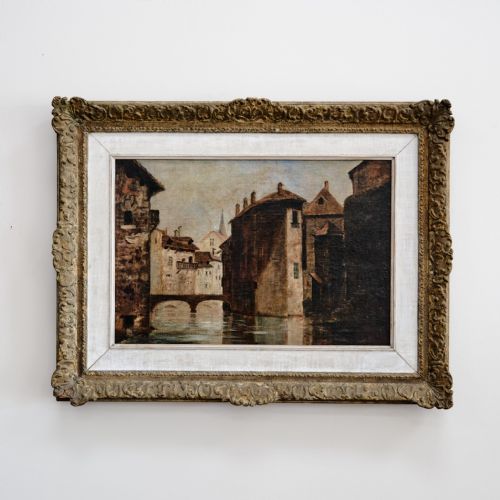
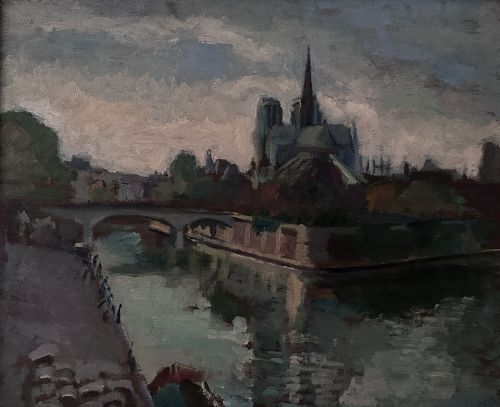
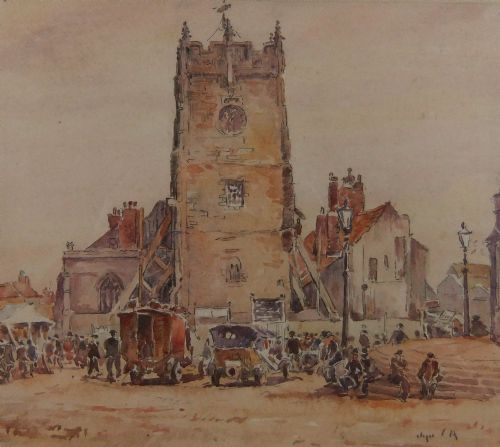
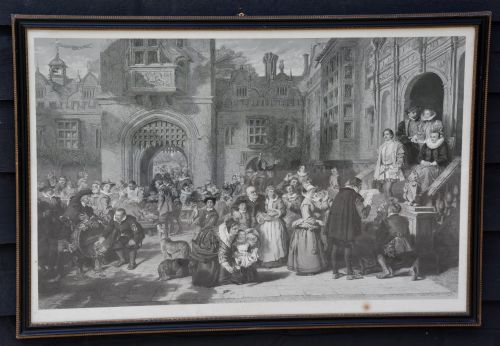
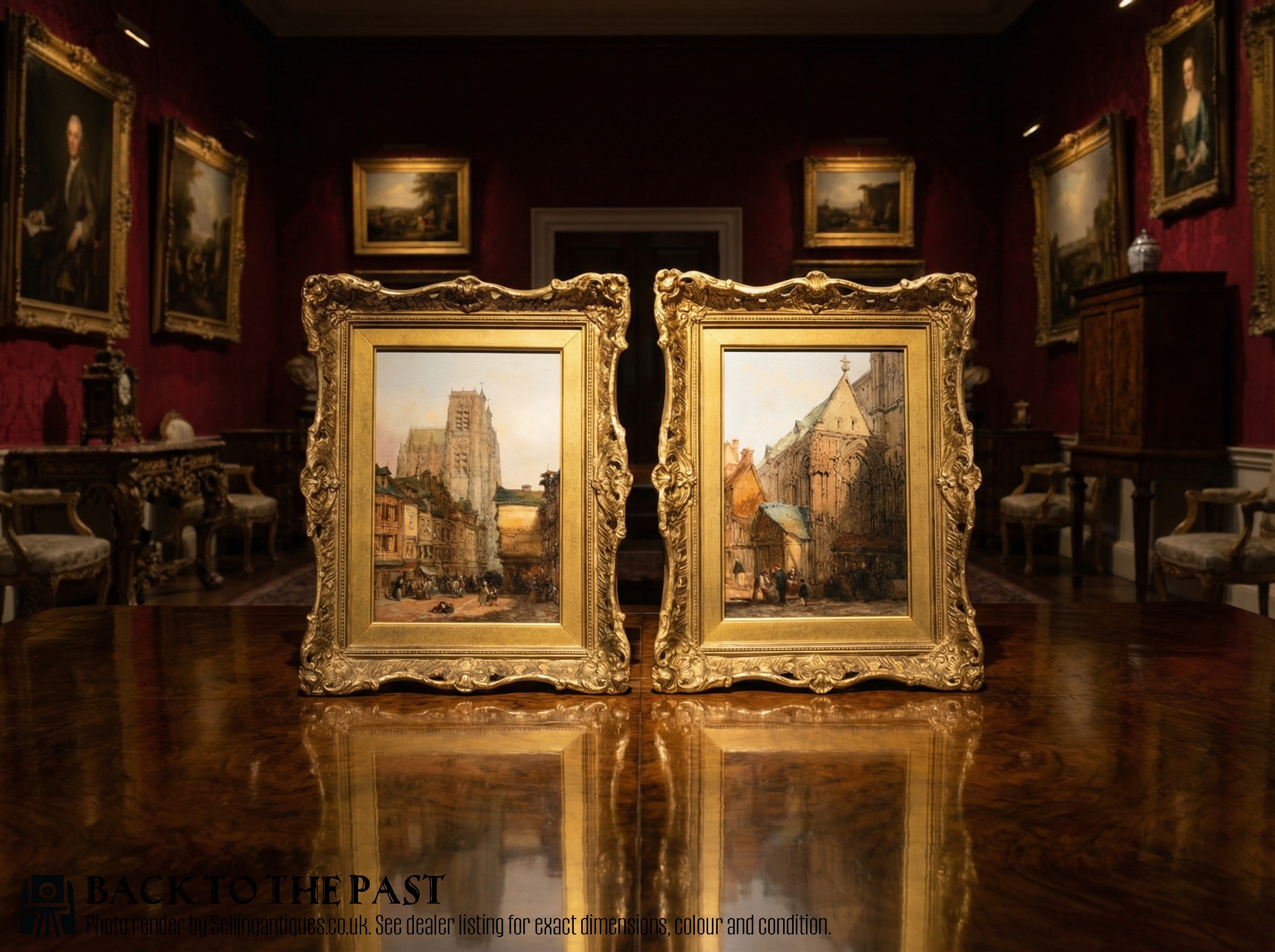
When buyers search for antique architectural artwork, they encounter a diverse selection of framed paintings, watercolours, sketches and etchings depicting notable buildings and cityscapes. These pieces range from detailed nineteenth-century depictions of foreign squares and English cathedrals to evocative views of Venetian canals and Gothic churches. The selection leans heavily towards works on paper and canvas executed during the Victorian, Edwardian and early twentieth-century periods.
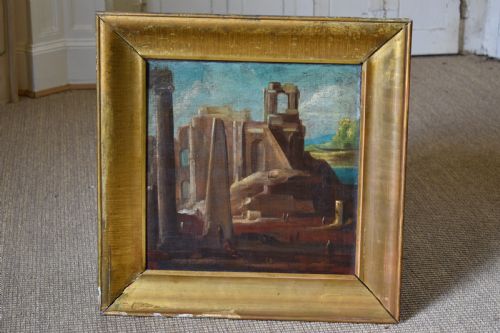
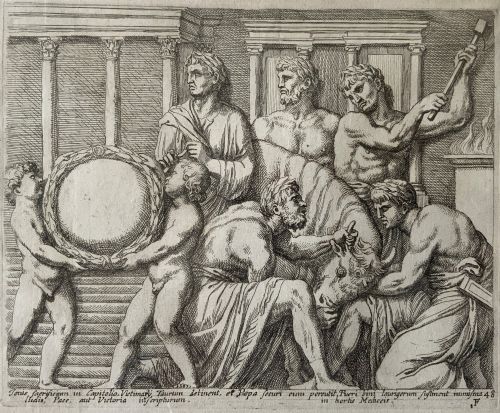
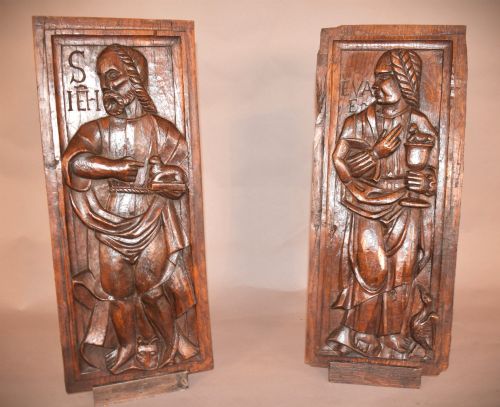
Many items record specific urban landmarks, such as Oxford colleges, Parisian churches and the Prague bridge, alongside imaginative scenes of ancient ruins and classical antiquity. Hand-drawn watercolours and oil paintings dominate the offerings, occasionally supplemented by carved panels and framed stone inlay panels representing architectural motifs. This visual record preserves the built environment through the eyes of artists working from the seventeenth century through to the mid-twentieth century.
Factors determining quality
The degree of precision in line work and the artist's ability to convey perspective and structural proportion distinguish superior examples from simpler decorative pieces. Works by documented artists and members of established art academies demonstrate a firmer command of composition and spatial depth when recording complex urban views.
The preservation of the underlying paper or canvas, the absence of excessive fading in watercolours, and the originality of the accompanying frame contribute significantly to an object's overall integrity. Finer pieces retain their original pigments and surface textures without heavy restoration, offering a clearer window into the historical landscape.
Listings feature paper, wood, glass and oil paint across periods ranging from the seventeenth century to the mid-twentieth century.
Sir William Nicholson·François Perrier·David Roberts·Anton Ignaz Melling·Victor Gabriel Gilbert
The Antique Architectural Artwork Glossary
- Etchings
- Printmaking technique where acid cuts into unprotected parts of a metal surface to create a design. This method allows for fine linear detail in architectural prints.
- Watercolour
- Paint consisting of transparent pigment suspended in a water-based solution. Artists applied these washes to paper to capture light and atmosphere in landscape and building studies.
- Pietra dura
- Pictorial inlay technique using cut and fitted polished coloured stones. This method creates durable architectural and floral motifs on stone panels.
- Lithograph
- Planographic printing process using a flat stone or metal plate. Artists utilised this technique to produce multiple impressions of architectural subjects.
- Oil on canvas
- Pigment bound in an oil medium applied to a woven fabric support. This combination offers rich colour depth and durability for large cityscapes.
Antique Architectural Artwork: Frequently Asked Questions
What subjects appear in antique architectural artwork?
These pieces typically depict urban streetscapes, cathedrals, classical ruins, bridges and domestic buildings from various European locations.
Artists recorded both contemporary nineteenth-century infrastructure and ancient architectural monuments during their travels abroad.
How do I display these works safely?
Works on paper require mounting behind glass and protection from direct sunlight to prevent fading of watercolours and inks.
Oil paintings on canvas or panel benefit from stable indoor humidity and walls away from direct heat sources.
How can I identify the period of a piece?
Stylistic indicators, artist signatures, framing materials and paper types help narrow down the date of creation.
Many listings provide specific dates or stylistic markers such as Victorian, Edwardian or Georgian origins.
Are these works original or printed reproductions?
The inventory includes numerous original hand-painted watercolours, pencil drawings and oil paintings created directly by the artist.
Selected items also comprise period engravings and lithographs produced as original print editions rather than modern mechanical copies.