

Framed Watercolour Illustration
A framed watercolour illustration brings direct hand-painted colour to a wall, capturing botanical detail, military history or domestic scenes beneath protective glass.
Framed Watercolour Illustration
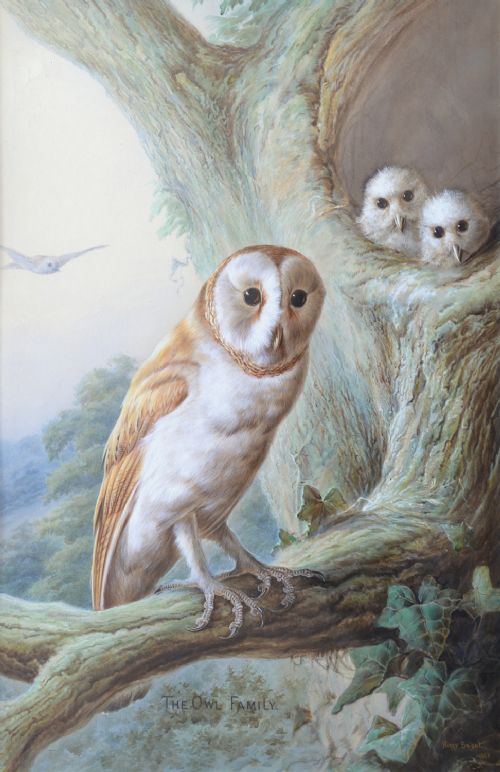
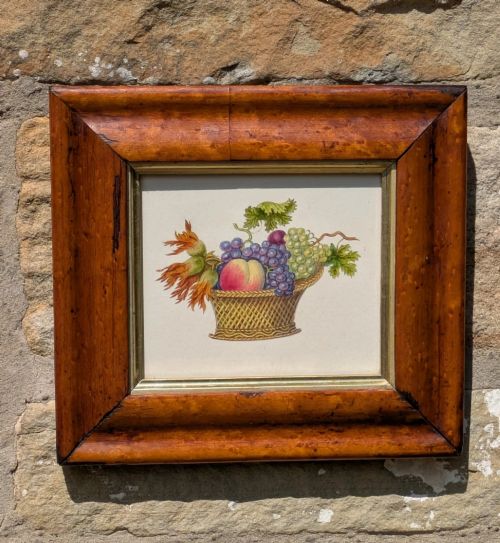
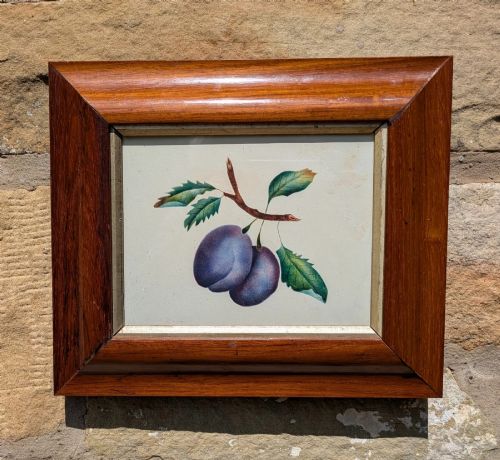
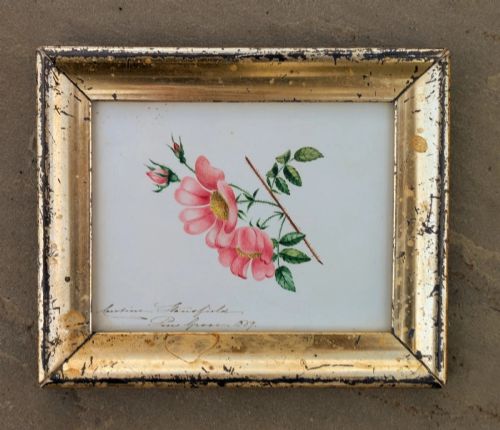
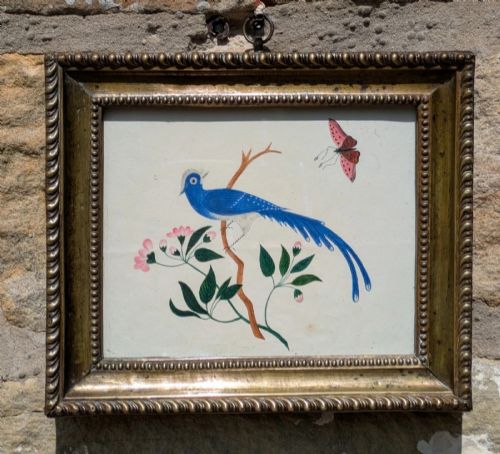
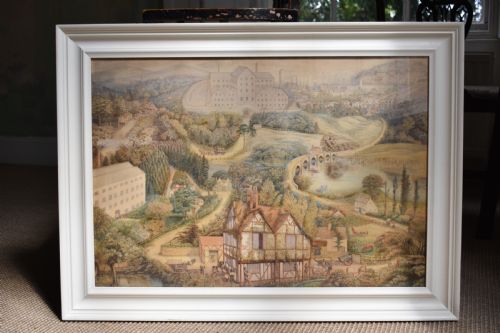
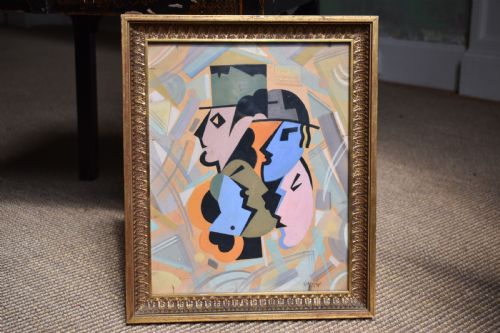
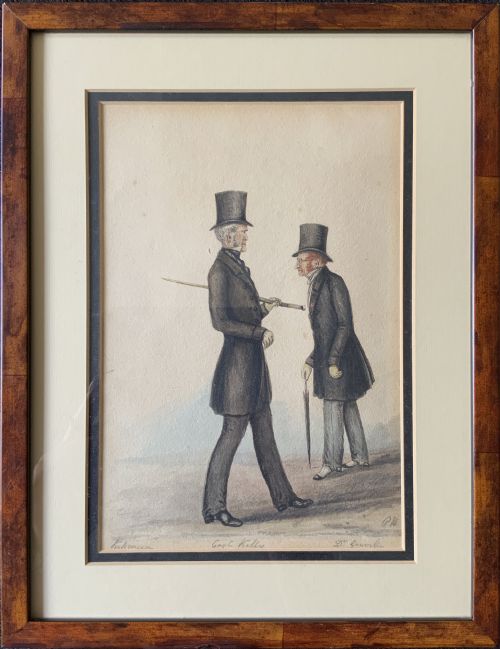
When searching for a framed watercolour illustration, buyers encounter diverse subjects spanning botanical studies, natural history, naval scenes and character portraits. The majority of pieces found here originate from the nineteenth century, Regency era and the mid-twentieth century.
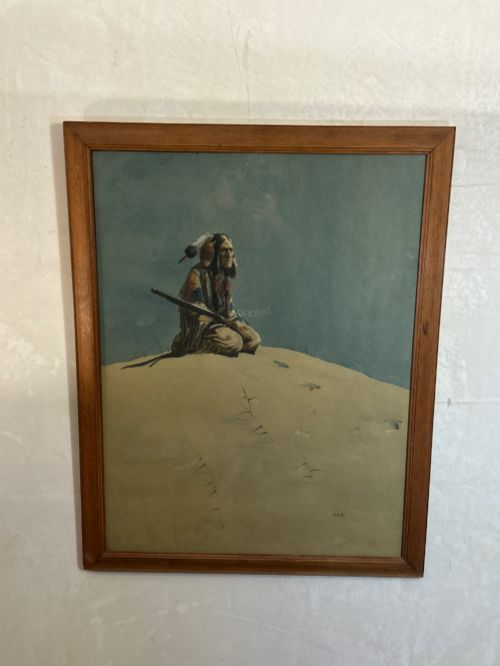
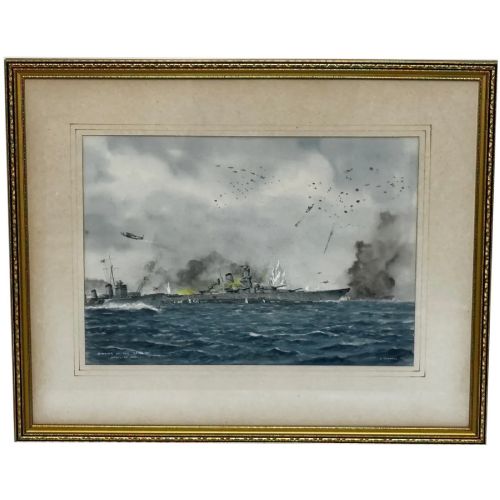
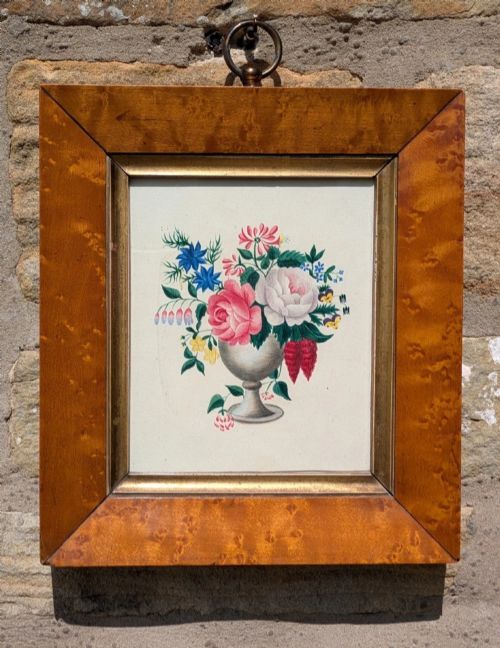
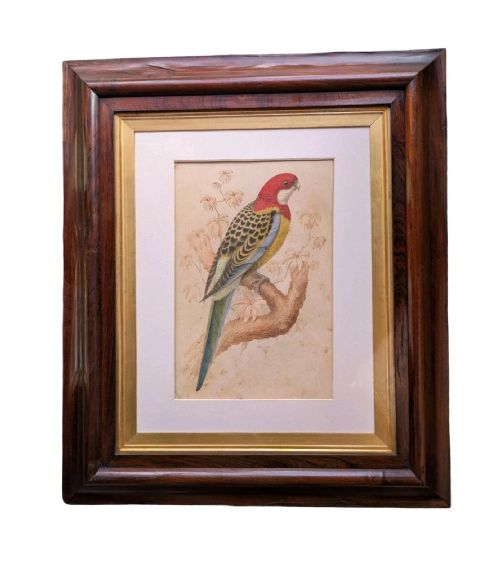
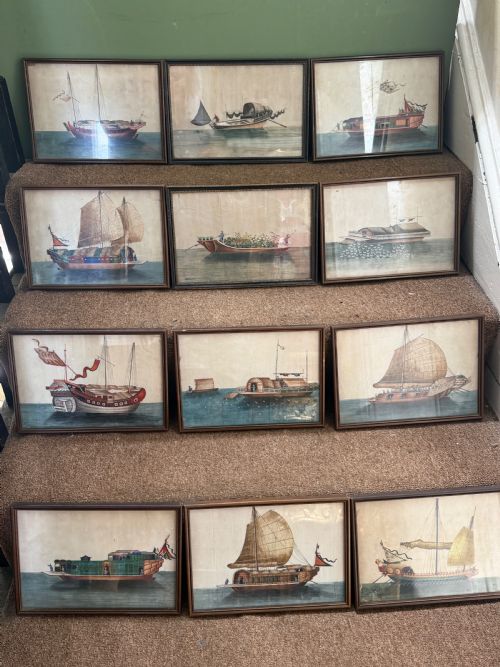
Botanical studies and garden birds appear frequently alongside military portraits, naval vessels and Chinese export works. Buyers also discover satirical cartoons and fairy tale prints executed in pigment upon paper.
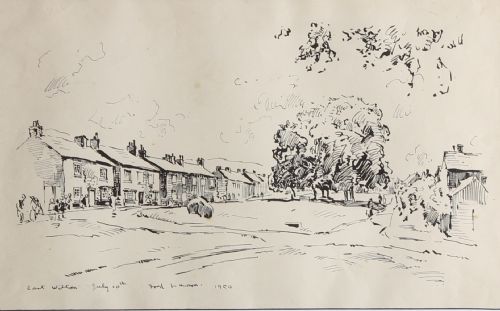
Domestic interiors and landscapes form another substantial category, often preserved behind glass within wooden or gilt frames that complement the delicate painted surface.
Materials and construction
Artists utilise watercolour pigment, gouache and ink applied directly to paper or pith paper surfaces. Many works incorporate pencil underdrawing or wash techniques to define shadow and depth.
The completed paintings are typically set within wood, oak, rosewood or gilt wood frames beneath protective glass to safeguard the water-soluble pigments from moisture and fading.
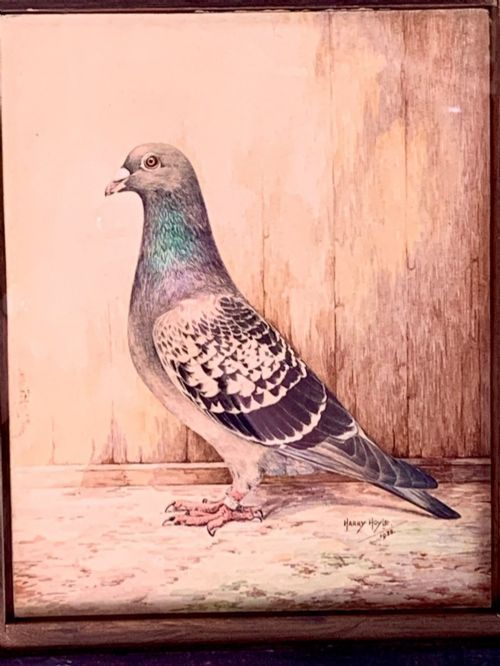
A distinguished pigeon won a royal jubilee prize before immortalisation in paint.
Factors of quality
Quality rests upon the precision of the brushwork and the clarity of the pigment, where confident lines distinguish accomplished artists from amateur copyists. The preservation of the paper surface without excessive foxing or fading also determines the desirability of a piece.
The integrity of the original framing, whether period rosewood, oak or gilt wood, contributes substantially to the overall character and historical completeness of the artwork.
Bruce Bairnsfather·John Hassall·Eric Tufnell·Fred Lawson·Cecil Beaton·Ralston Gudgeon·Warwick Goble
The Framed Watercolour Illustration Glossary
- Gouache
- An opaque water-based pigment containing white filler that creates heavier, solid colour areas alongside transparent watercolour washes.
- Wash
- A thin, translucent layer of diluted watercolour pigment flooded across the paper to establish background tones or skies.
- Foxing
- Brown spots and discolouration caused by chemical reactions in the paper over decades of exposure to humidity.
- Pith paper
- A delicate material cut from the pith of the Tetrapanax papyrifer plant, commonly used in nineteenth-century Chinese export paintings.
Framed Watercolour Illustration: Frequently Asked Questions
How do I care for a watercolour?
Keep framed watercolours away from direct sunlight to prevent the pigments from fading over time. Maintaining a stable indoor humidity level protects the paper support and prevents mould or foxing.
Ensure the glass remains sealed against dust, and avoid hanging these artworks in damp areas such as kitchens or unheated rooms.
Are these paintings original?
The selections include original hand-painted works created directly with pigment on paper. Each brushstroke reflects the immediate hand of the artist at the time of creation.
Some listings also feature vintage prints derived from original illustrations, which are clearly identified in their descriptions.
What periods do these pieces span?
The collection ranges from the Regency era and nineteenth century through to twentieth-century works from the nineteen-fifties and sixties. Victorian and Edwardian examples appear regularly alongside wartime pieces.
Each period brings distinct framing choices and subject matter, from botanical studies to naval illustrations.
How are the artworks framed?
Pieces are housed in various surrounds including wood, oak, rosewood and gilt frames. The glazing protects the fragile paper and pigment from physical damage and atmospheric pollution.
Many retain their period frames, which show appropriate signs of age and wear consistent with their history.