
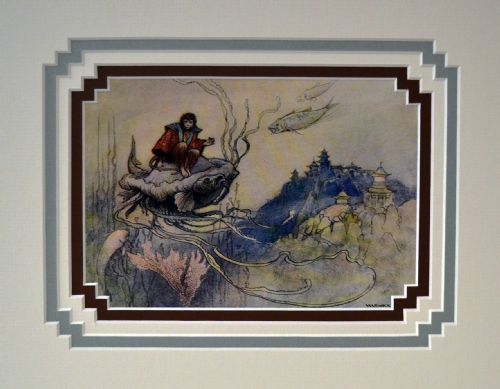
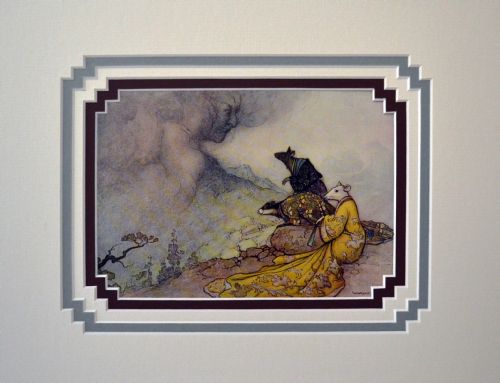
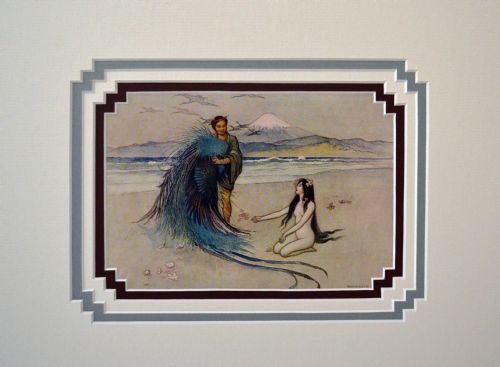
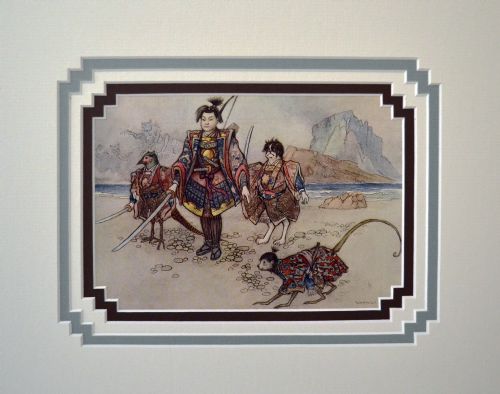
Warwick Goble Print
A warwick goble print brings Edwardian illustration into your home through delicate scenes from Japanese fairy tales.
Warwick Goble Print
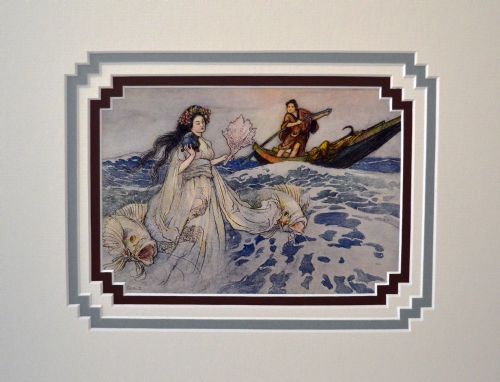
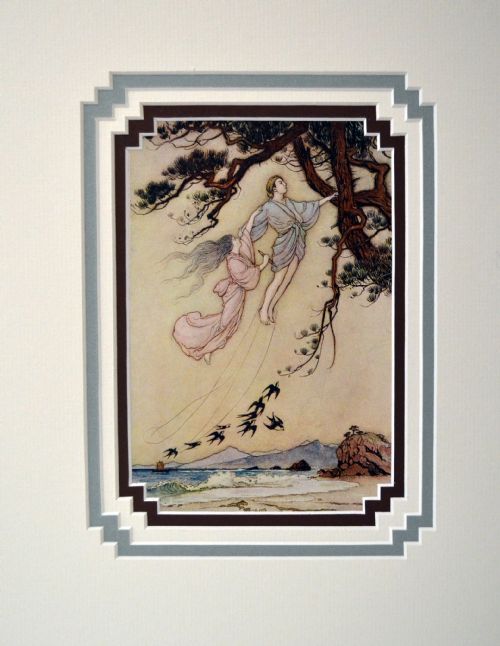
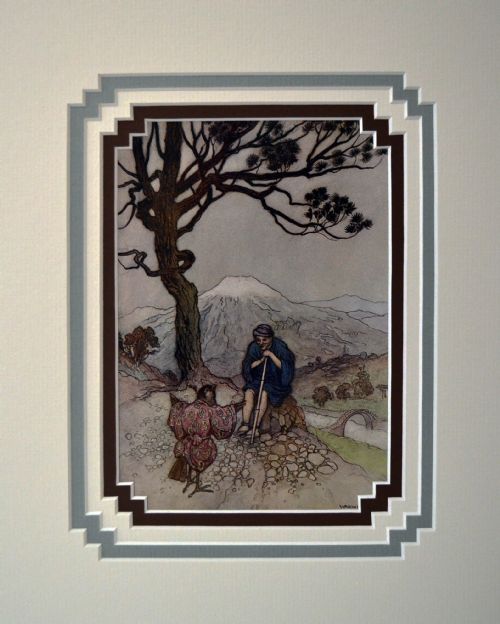
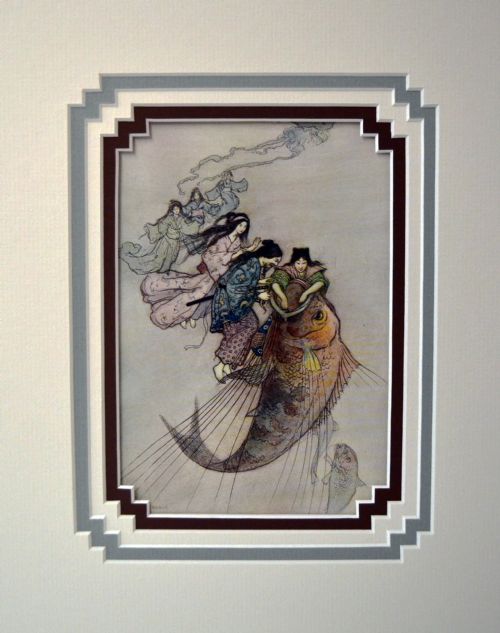
When you search for a warwick goble print, you encounter early twentieth century book illustrations originating from the Edwardian period. These works capture the golden age of illustration through delicate colour palettes and intricate linework.
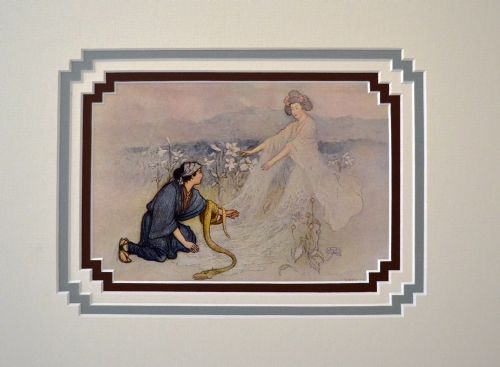
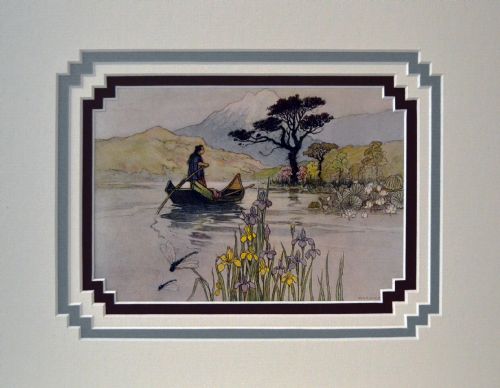
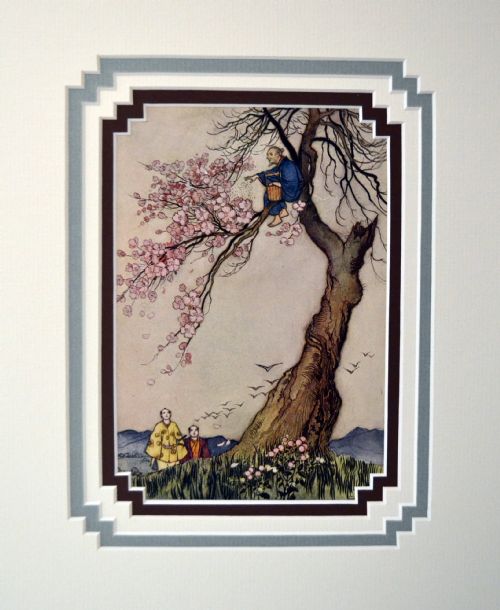
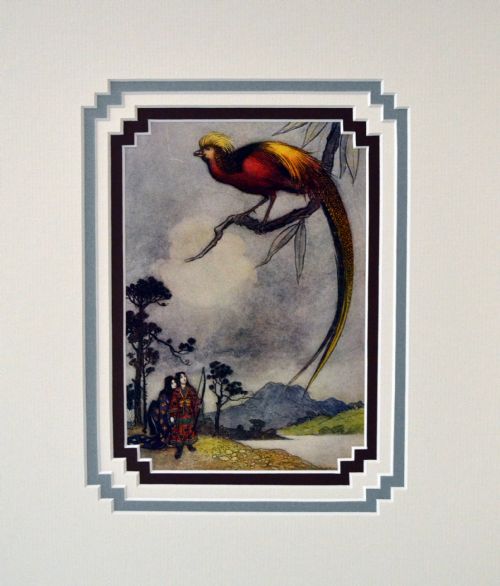
The pieces meeting you on this page are first edition prints taken directly from Japanese Fairy Tales. Each antique print presents a distinct narrative moment rooted in traditional folklore and interpreted through an Edwardian artistic lens.
These works function simultaneously as antique prints and framed art prints designed for wall display. Their format preserves the detailed artistry intended for publication during the nineteen tens.
How they were made
The production relies on traditional printing ink applied to paper sheets designed for publication. These illustrations draw heavily on the aesthetic principles of Japonisme popular during the Edwardian era.
Surviving examples are frequently protected by glass and supported by card, mountboard, and wood framing materials. The combination of paper and mount board provides structural stability for the delicate ink work.
Every single available piece on this page shares the exact same literary origin within Japanese fairy tales.
What varies in quality
Quality differences stem from the physical condition of the paper and the vibrancy of the printed ink over time. Tonal consistency across the sheet separates well-preserved examples from those affected by environmental exposure.
The presentation relies heavily on the quality of contemporary framing materials such as mountboard, glass, and wood surrounds. Original mounting and framing choices influence the overall preservation of the antique print.
Warwick Goble
The Warwick Goble Print Glossary
- First edition
- The initial printing of a book or publication from which these plates originate. This designation confirms the early provenance of the printed image.
- Edwardian
- The historical period spanning the reign of King Edward VII, defining the artistic style of these pieces. Works from this era often embrace refined illustrative techniques.
- Japonisme
- The influence of Japanese art on Western styles, heavily visible in these compositions. This aesthetic informed the minimalist framing and linear focus of the illustrations.
- Mountboard
- A heavy paperboard used to frame and protect works on paper. It prevents the artwork from pressing directly against the glass.
Warwick Goble Print: Frequently Asked Questions
What is a warwick goble print?
A warwick goble print is a published illustration originating from Edwardian editions of traditional stories. These pieces represent the golden age of book illustration.
They capture specific cultural narratives through distinct artistic techniques associated with early twentieth century publishing. Collectors value them for their delicate aesthetic and historical association with Japanese Fairy Tales.
When were these prints made?
The pieces available here date specifically to nineteen ten. This places them firmly within the Edwardian era.
Production occurred during a period when illustrated books commanded significant public interest. The surviving plates reflect the publishing standards of that exact decade.
How should I display them?
These works suit wall display when properly framed behind glass with supportive mountboard and wooden surrounds. Protection from direct sunlight preserves the ink and paper.
Maintaining stable environmental conditions prevents degradation of the organic materials used in the framing assembly. Proper placement ensures the antique print remains visually clear for years.
What styles influence these works?
The primary artistic influences combine Edwardian illustration with Japonisme aesthetics. This blend produced distinctive compositions featuring clean lines and delicate coloration.
Artists of this period adapted traditional Japanese motifs to suit European literary tastes. The resulting prints exhibit characteristics of the golden age of illustration.