
Edwardian Fairy Tale Print
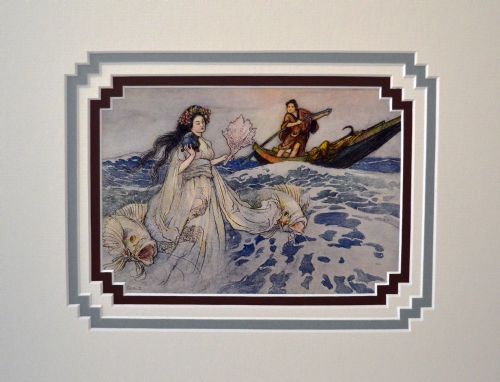
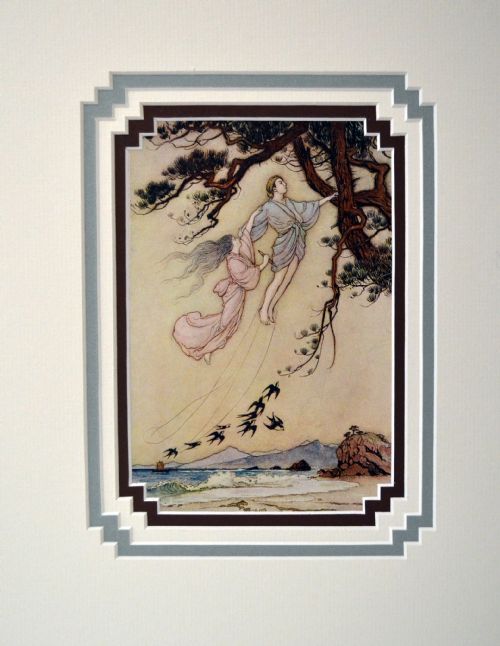
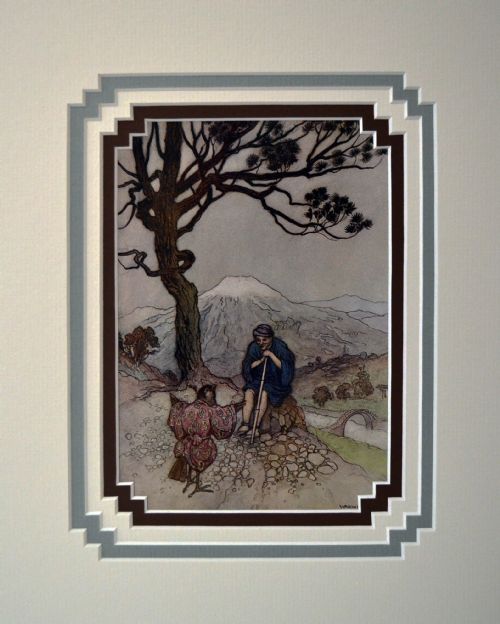
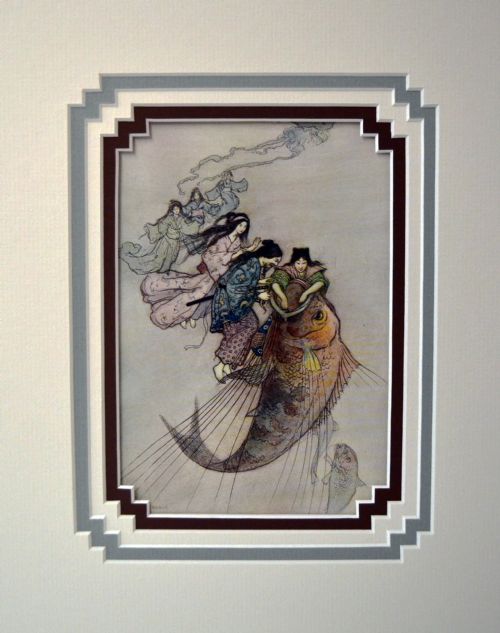
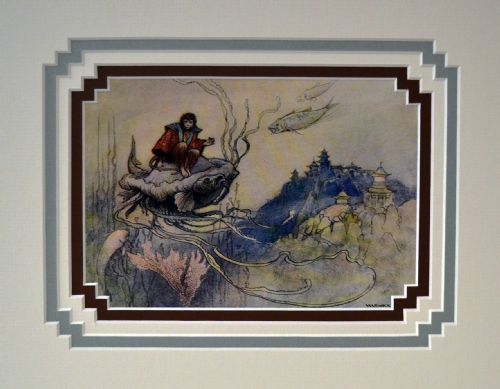
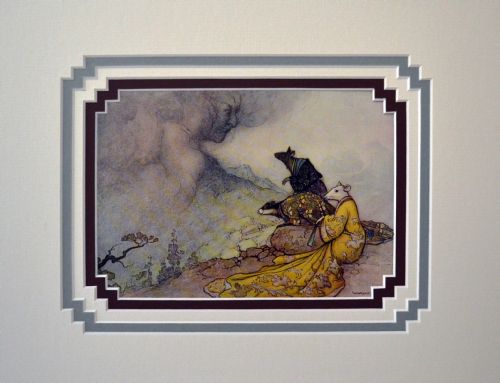
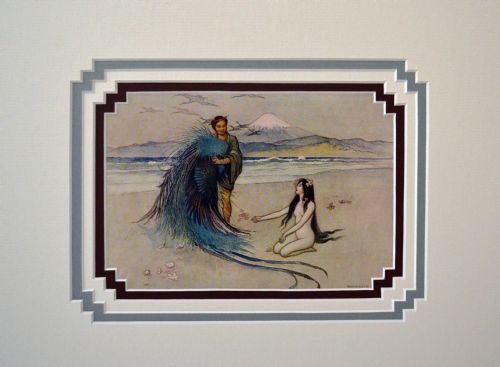
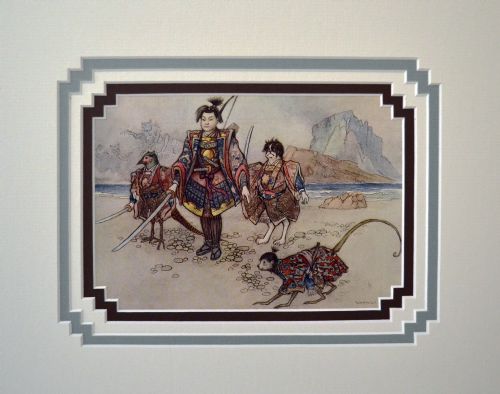
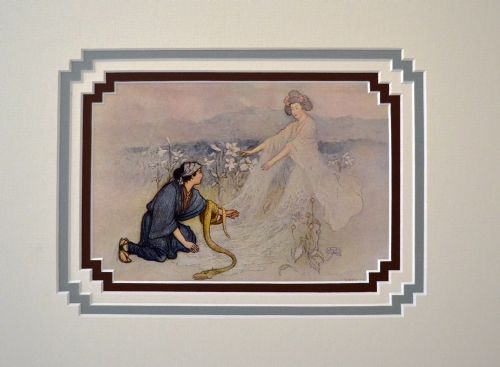
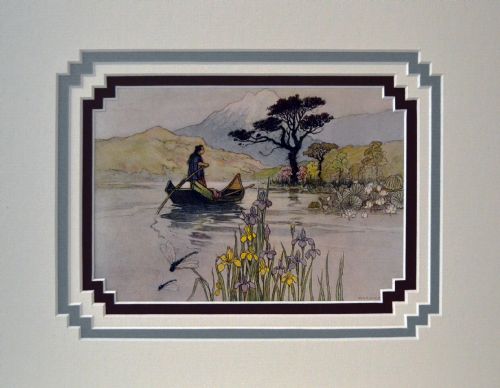
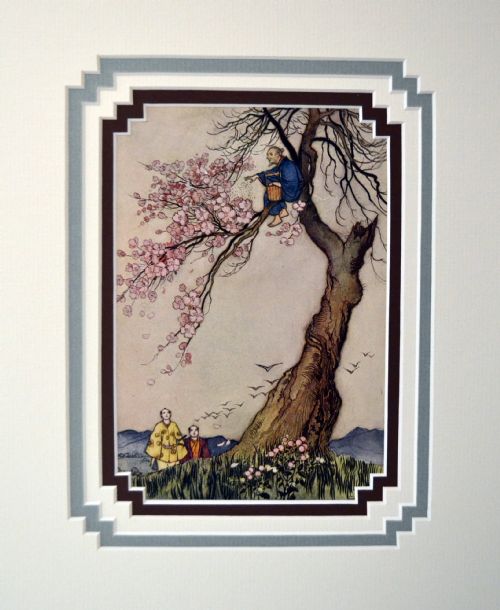
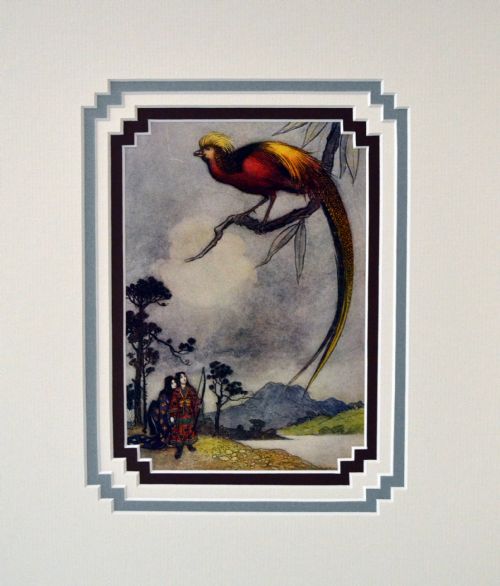
These edwardian fairy tale print examples capture early twentieth-century illustration at its most delicate, offering collectors miniature narratives from classic folklore.
Edwardian Fairy Tale Print
An edwardian fairy tale print brings imaginative folklore into the home through early twentieth-century illustration. These works originate from the year nineteen ten and reflect the golden age of illustration alongside subtle japonisme influences.
The pieces on this page comprise first edition prints dedicated to traditional stories. They arrive mounted and framed behind glass, preserving the delicate paper work for modern display.
Materials and Production
Production relies upon ink applied to paper sheets, supported by card, cardboard, and mount board for rigidity. These components sit within wooden frames beneath protective glass layers.
The printing techniques of the period captured fine lines and subtle colour washes characteristic of early Edwardian book illustration. Each sheet is secured alongside traditional mount boards designed to protect the paper surface.
Assessing Quality
Quality rests upon the preservation of the original ink work and the crispness of the early edition impression. Stronger examples retain their initial colour depth without excessive fading across the paper surface.
The integrity of the surrounding mount board, wood frame, and glass protection contributes significantly to the overall condition of the antique print. Finer pieces maintain clean margins and unblemished paper integrity from nineteen ten.
Warwick Goble
The Edwardian Fairy Tale Print Glossary
- First edition print
- An impression pulled from the initial printing of a publication, highly sought after by collectors of illustration art. These pieces represent the earliest commercial release of the artist's plates.
- Mount board
- Heavy paperboard used to frame and separate the print from the glass. This material prevents the delicate paper surface from touching the glazing.
- Japonisme
- The influence of Japanese art on Western aesthetics, visible in the composition and linear qualities of Edwardian illustration. This style shaped many fairy tale depictions of the period.
- Golden age illustration
- A historical period marked by an abundance of master illustrators working in books and periodicals. The era produced intricately detailed plates for fairy tales and folk stories.
Edwardian Fairy Tale Print: Frequently Asked Questions
What is an edwardian fairy tale print?
An edwardian fairy tale print is an antique illustration originating from the early twentieth century, specifically around nineteen ten. These works often accompanied published collections of traditional stories.
They serve as decorative wall art that showcases the intricate draughtsmanship typical of the golden age of illustration. Collectors prize them for their connection to classic storytelling and period printmaking.
How should I display these prints?
These framed pieces should hang away from direct sunlight to protect the paper and ink from fading. Maintaining stable room humidity also prevents warping in the wooden frames and mount boards.
Ensure the glass remains intact to shield the delicate paper surface from atmospheric dust and moisture. Proper placement preserves the nineteenth-century materials for years to come.
How do I identify the period?
Period identification relies upon the paper stock, printing methods, and stylistic cues such as Edwardian art nouveau or japonisme influences. The specific publication date of nineteen ten provides a clear temporal anchor.
Examining the framing materials, card backing, and mount board can also offer clues regarding the age of the assembly. First edition plates carry distinct characteristics of early twentieth-century publishing.
Are these original prints?
The listings consist of first edition prints issued in nineteen ten rather than modern reproductions. They were created during the contemporary publishing run of the illustrated fairy tales.
Each print serves as an authentic artefact from the golden age of illustration, retaining its original ink and paper composition. This provenance distinguishes them from later commemorative reprints.