
Antique Illustration Artwork
Antique illustration artwork gathers centuries of hand-rendered sketches, botanical studies, and published plates that preserve the visual character of past interiors.
Antique Illustration Artwork
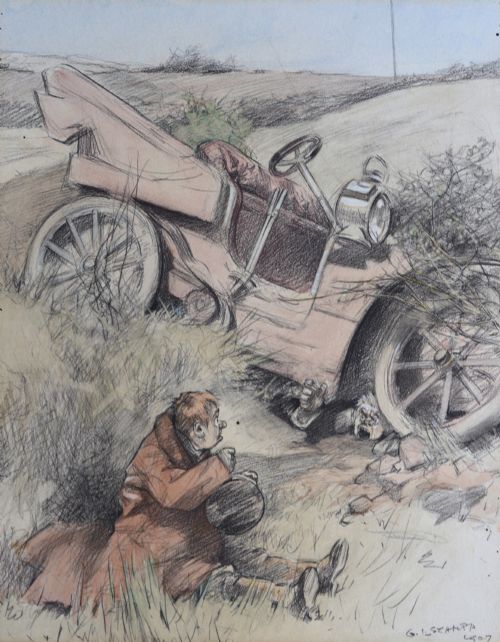
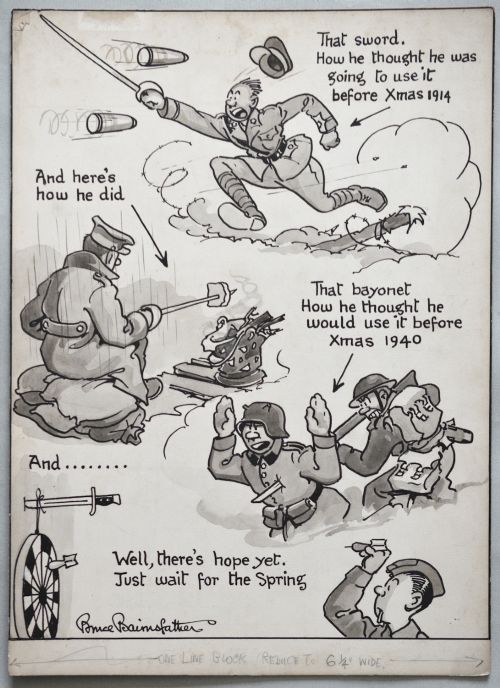
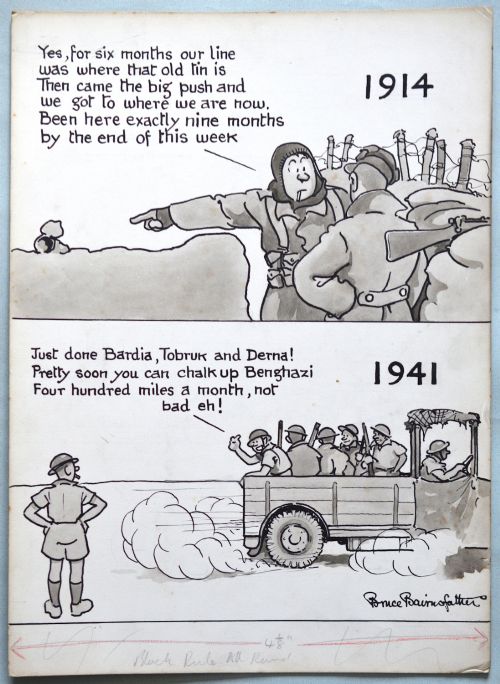
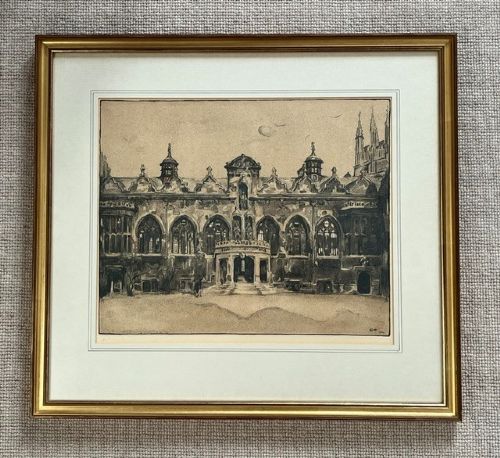
When buyers search for antique illustration artwork, they encounter everything from precise 18th-century botanical watercolours and anatomical engravings to 19th-century natural history plates and early 20th-century caricatures. The selection spans Georgian, Regency, Victorian, and Art Deco periods, encompassing framed paintings, drawings, and lithographs.
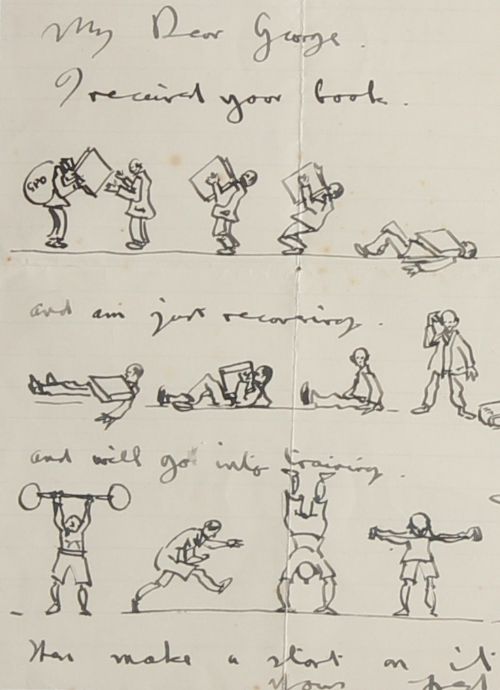
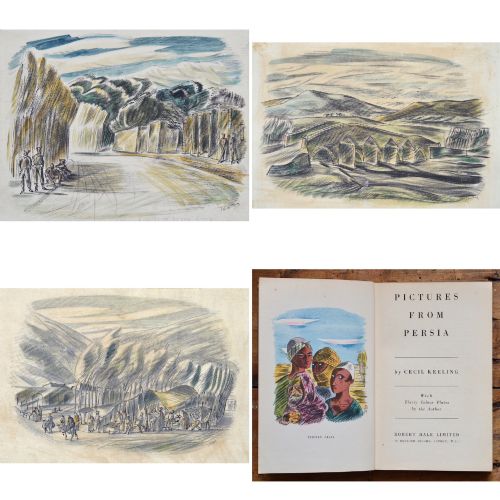
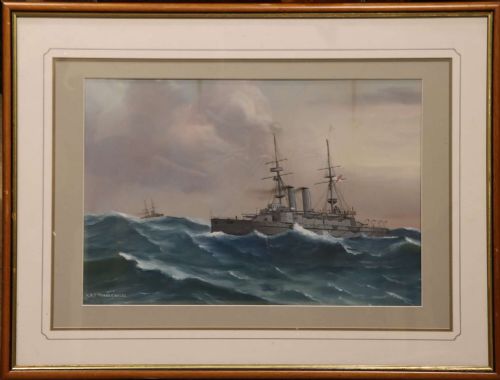
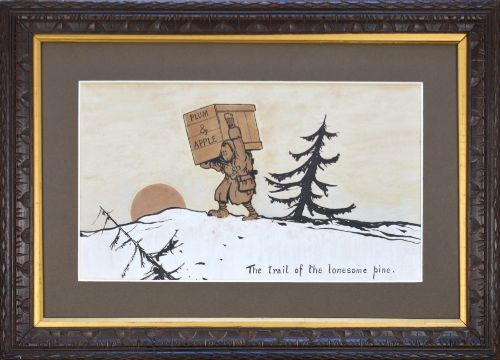
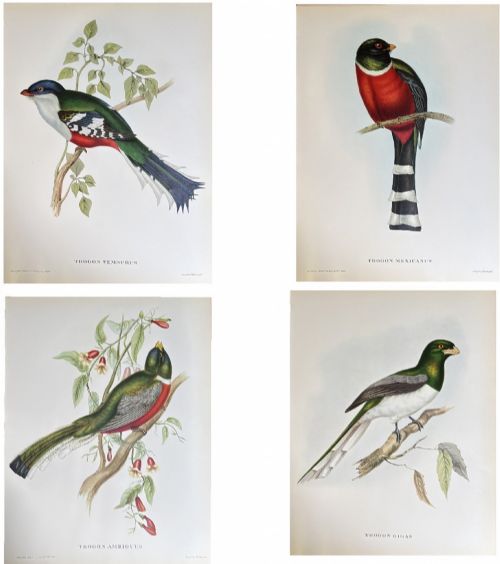
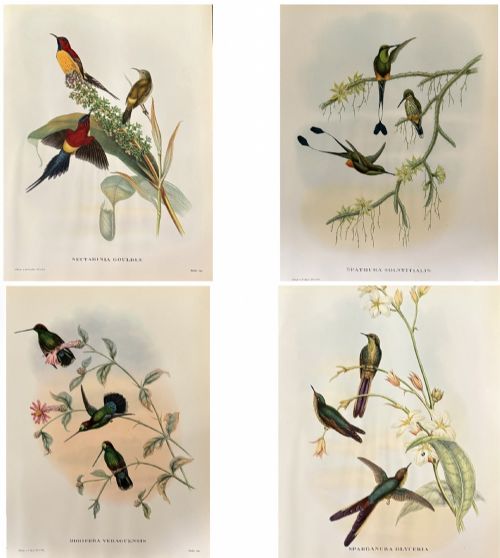
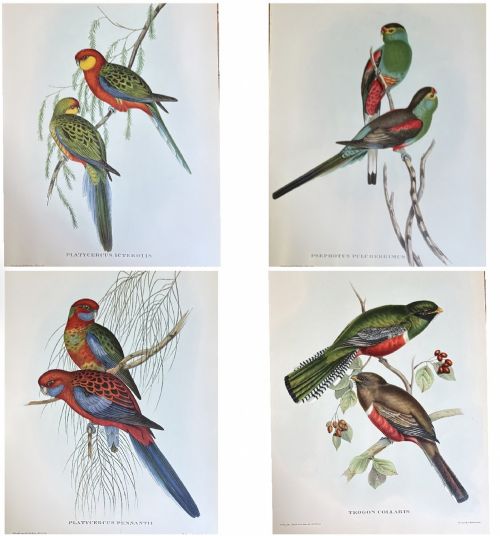
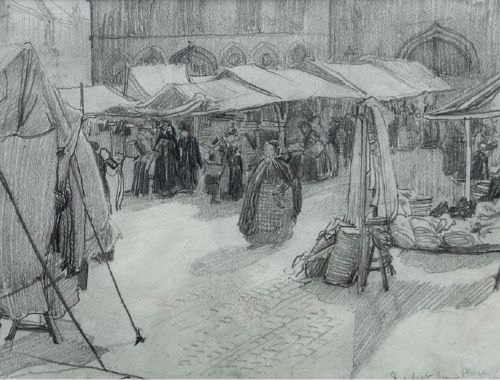
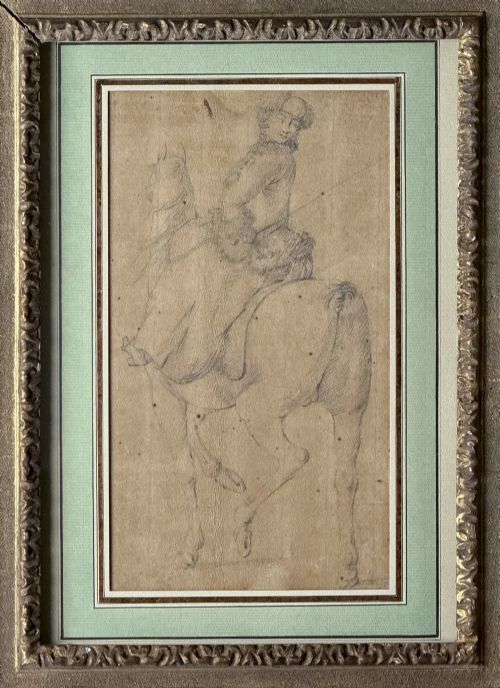
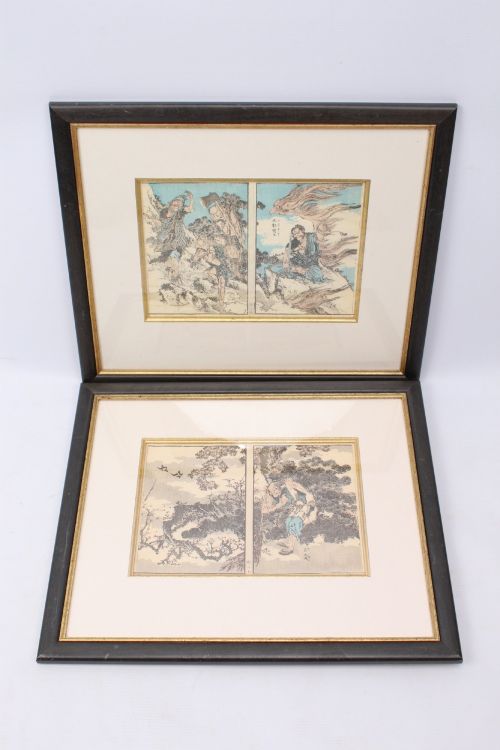
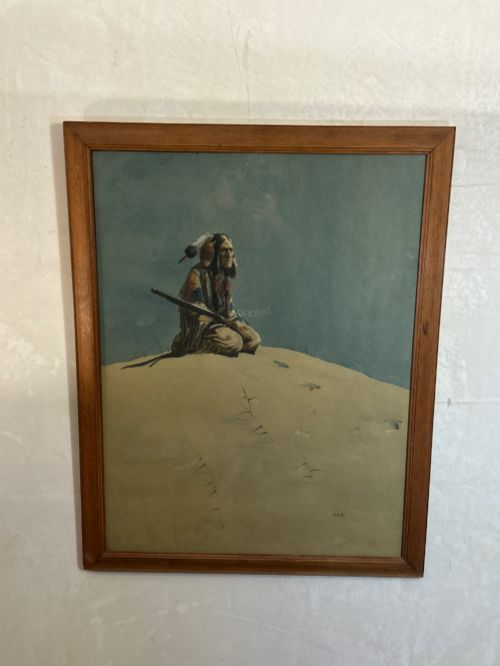
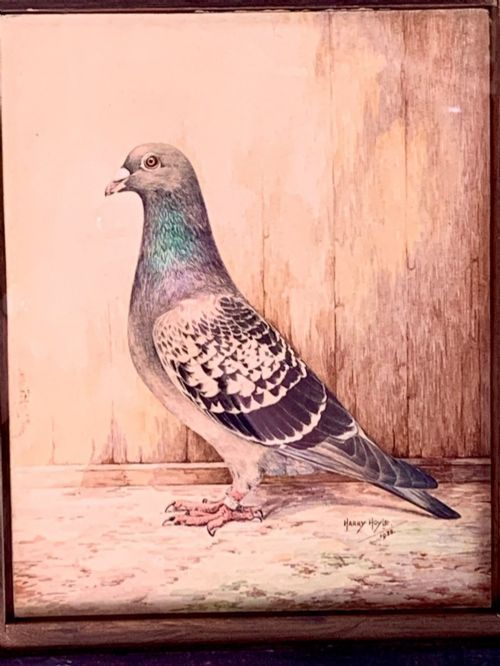
The most common pieces on this page are paper works rendered in watercolour, gouache, ink, or pencil, often housed in period timber frames. These range from intimate portrait sketches and Japanese woodblock prints to decorative sets of tropical birds and botanical studies.
Originating across Britain, Europe, and Asia, these works reflect the shifting domestic tastes and scientific pursuits of their respective eras. Buyers select them to add narrative depth, colour, and historical authenticity to wall spaces.
Materials and technique
The physical foundation of these pieces relies on traditional paper stocks, frequently including heavy rag paper, buff paper, or card, which holds ink and watercolour with enduring stability. Pigments were hand-mixed from mineral and organic sources, yielding watercolour, gouache, and dense black or brown ink.
Draftsmanship combined careful pencil underdrawing with fine penwork, ink washes, and opaque bodycolour to build depth and tone. Reproductive prints utilised woodblock carving, copperplate engraving, or early lithography, sometimes receiving hand-colouring after the initial impression was pulled.
Listings feature paper works spanning the 18th, 19th, and 20th centuries, executed in watercolour, gouache, ink, and pencil.
Distinguishing quality
Quality in these works rests upon the confidence of the line and the precision of the hand, where a skilled draughtsman achieves form and expression with minimal strokes. Superior examples display careful observation, balanced composition, and harmonious pigment retention over time.
The preservation of the paper support, the crispness of the original impression or brushwork, and the appropriateness of the framing contribute significantly to a piece's visual integrity.
Bruce Bairnsfather·George Lorain Stampa·Henry Percy Huggill·John Hassall·Sir William Nicholson·Elisabeth Sonrel·Andrew Bell·Marcellin Auzolle·William Marshall Craig·Francois Boucher·David Roberts·Sir Peter Markham Scott
The Antique Illustration Artwork Glossary
- Gouache
- An opaque watercolour medium containing pigment mixed with a water-binding agent and a white inert pigment, producing a flat, matte finish with strong colour density.
- Lithography
- A planographic printing process based on the repulsion of oil and water, enabling the reproduction of original drawings or paintings onto paper.
- Regency
- An English design style spanning the early 19th century, known for clean classical lines, botanical precision, and refined decorative arts.
- Woodblock
- A relief printing technique where an image is carved into a block of wood, inked, and transferred to paper.
- Wash
- A thin, transparent layer of diluted watercolour or ink applied across paper to create tonal gradation or background atmosphere.
Antique Illustration Artwork: Frequently Asked Questions
How should I frame antique paper?
Protect delicate watercolours and drawings by using acid-free mountboard and UV-filtering glass to prevent fading and paper degradation over time.
Keep pieces away from direct sunlight and damp environments to preserve the integrity of the original pigments and paper support.
Are these works original or prints?
The inventory includes both unique hand-painted watercolours and original period prints such as lithographs, woodblock prints, and copperplate engravings.
Examine the surface under magnification to check for dot patterns of modern printing or the distinct brush textures and plate marks of antique production methods.
How do I date an antique drawing?
Dating relies on watermark evidence in the paper, stylistic markers of the period, artist signatures, and framing materials associated with specific decades.
Comparing the subject matter and graphic style to documented works from the same era offers further confirmation of age.
Can I hang illustration art in a bright room?
Direct sunlight damages antique paper and causes watercolours and inks to fade permanently regardless of age.
Position pieces on interior walls away from direct windows and utilise conservation-grade glazing for added protection.