



Early Twentieth Century Print
An early twentieth century print brings visual narrative from the Edwardian era and the nineteen-twenties directly into modern interiors.
Early Twentieth Century Print
An early twentieth century print encompasses framed works, posters, antique chromolithographs, and book illustrations spanning the Edwardian period through the nineteen-twenties. Buyers searching this phrase encounter diverse visual forms ranging from early cycling advertisements and maritime scenes to delicate botanical and fairy tale illustrations.
The selection here draws primarily upon Edwardian origins and nineteen-twenties productions, occasionally incorporating nineteenth century photographic views and Renaissance Revival subjects. These works frequently arrive behind glass within period wood frames, accompanied by paper mount boards that protect the primary image.
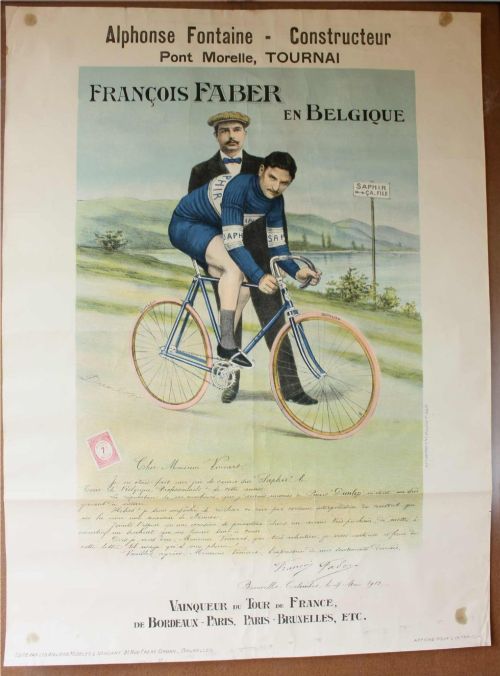
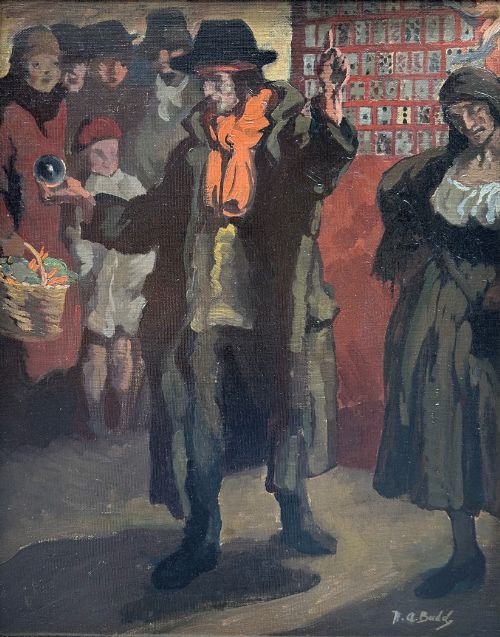
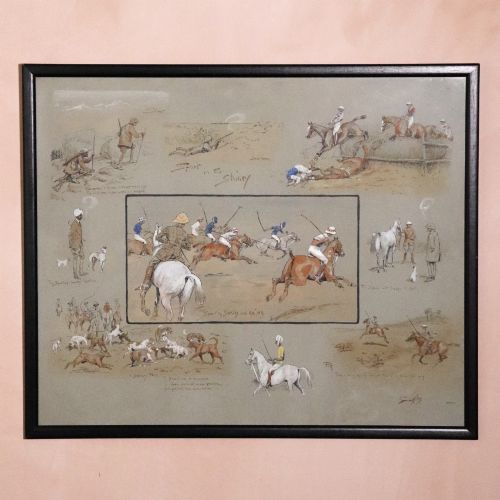
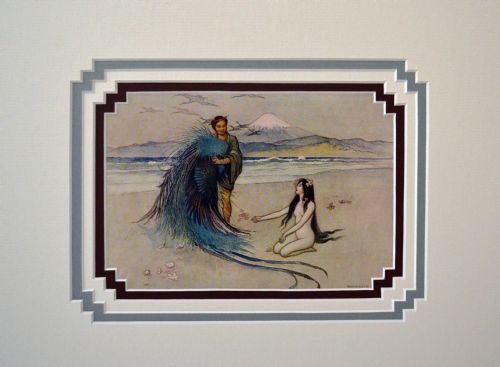
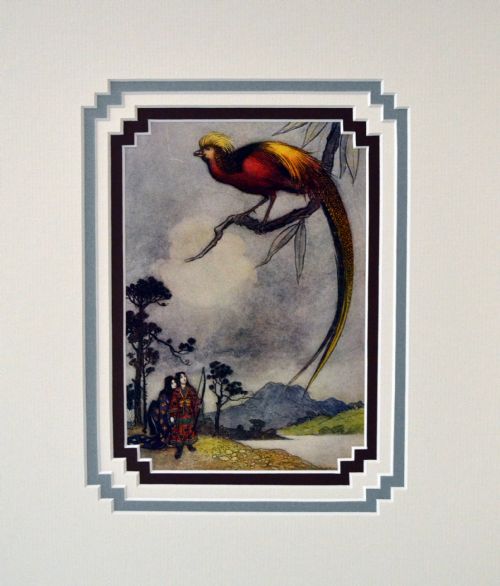
Makers and artists represented in this grouping include Thomas Ellison, Francois Faber, Herbert Ashwin Budd, Snaffles, Warwick Goble, Frank Wood, and M.K. Rhodes. Their subjects span Venetian markets, Tour de France cycling culture, fortune telling, military sport, Alpine views, and botanical fairy tales.
How they were made
Techniques recorded across these listings include standard printing methods alongside chromolithography and original ink work. Printers utilised treated paper and card, pairing ink impressions with watercolour or oil additions on canvas and mount board.
Publishers and artists housed these works within timber frames behind protective glass panes to preserve the delicate paper surfaces. The physical composition relies on the interplay between traditional printing inks, water-based pigments, and sturdy wooden framing materials.
Listings span the Edwardian period and the nineteen-twenties, incorporating paper, ink, canvas, and glass materials.
What varies in quality
The distinction between standard works and superior examples rests upon the clarity of the printed impression and the preservation of the paper or canvas substrate. Stronger pieces retain vibrant pigments without excessive fading, while lesser examples show tonal degradation.
Original artist hand-colouring or direct association with known illustrators elevates a piece above standard mass-produced output. The integrity of the original frame and the retention of early mount boards also influence the overall character of the work.
The Early Twentieth Century Print Glossary
- Chromolithography
- A colour lithographic printing technique used to produce multi-coloured images. This process builds up rich hues through the successive application of different lithographic stones.
- Mount board
- Heavy paperboard placed around a framed work to provide structural support and a visual border. It separates the paper surface from the protective glass.
- Japonisme
- The influence of Japanese art on Western styles, prominent during the late nineteenth and early twentieth centuries. This aesthetic prioritises flat perspectives and clean compositional lines.
- Topographical photography
- Photographic images documenting specific locations, landscapes, or architectural views. These prints serve as historical records of geographical and urban spaces.
Early Twentieth Century Print: Frequently Asked Questions
How do I date an early twentieth century print?
Dating relies upon stylistic markers, typography, subject matter, and associated frame construction. Documentation on the reverse or published book dates also provide reliable temporal anchors.
Printers and publishers active during the Edwardian era and the nineteen-twenties often utilised specific paper stocks and printing technologies unique to their decade.
Were these prints meant for framing originally?
Many items began life as book illustrations, advertising posters, or portfolio plates rather than standalone wall art. Publishers issued works like the Warwick Goble fairy tale prints within bound volumes.
Subsequent owners later mounted and framed these book plates and posters to display them domestically.
How should I care for antique paper prints?
Keep framed prints away from direct sunlight to prevent the fading of printing inks and watercolours. Stable humidity levels protect the paper and mount board from moisture damage.
Glazing should remain intact to shield the delicate surfaces from atmospheric pollutants and physical handling.
What is the difference between a poster and a print?
Posters served commercial and public functions, such as advertising cycling tyres or sporting events, and typically utilised larger formats. Fine art prints and book illustrations focused on narrative storytelling and decorative appeal.
Both categories fall under the broader heading of early twentieth century graphic works.