
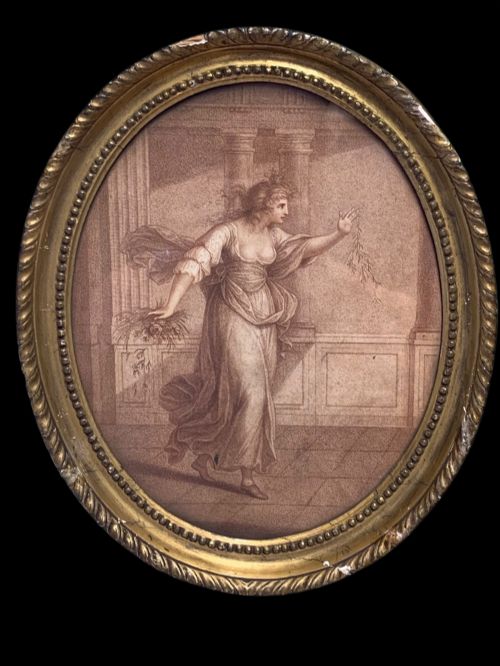


Classical Mythology Wall Art
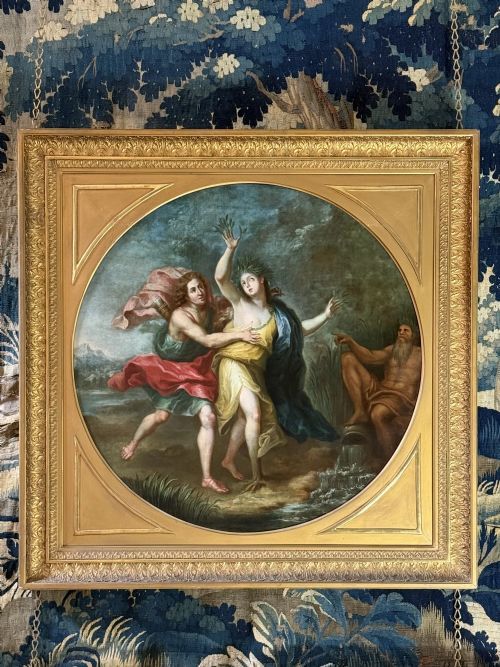
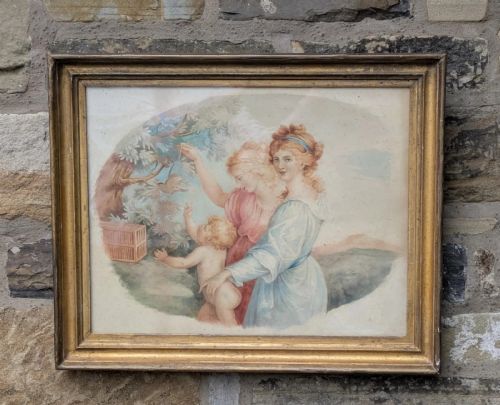
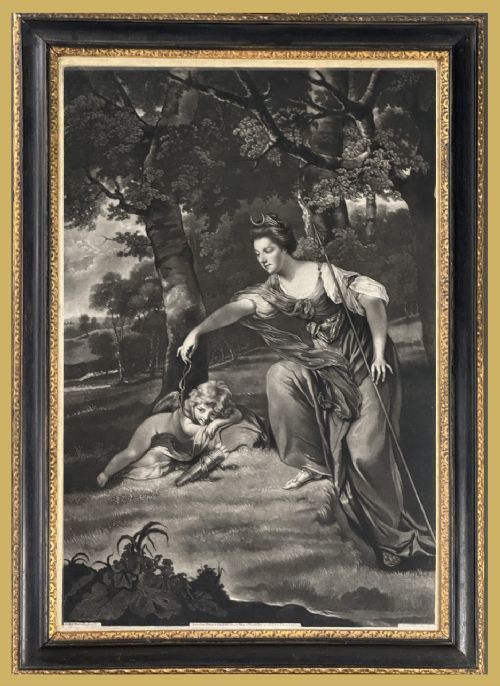
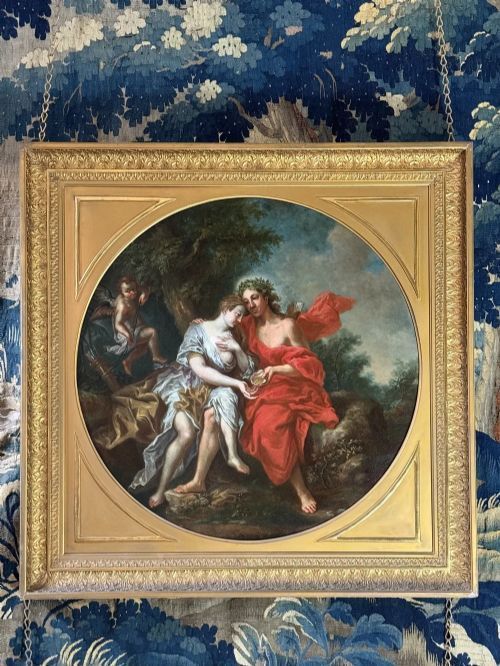
These works of classical mythology wall art bring Greco-Roman deities, hero legends, and allegorical scenes into domestic interiors through centuries of skilled printmaking and painting.
Classical Mythology Wall Art
Classical mythology wall art encompasses framed prints, engravings, etchings, and oil paintings depicting gods, nymphs, satyrs, and episodes from ancient Greek and Roman literature. The selection spans the eighteenth and nineteenth centuries into the early twentieth century, reflecting enduring European fascination with antiquity.
The most prevalent forms are eighteenth-century architectural and figural engravings, alongside nineteenth-century oil paintings and watercolour works. Subjects range from large plates recording Athenian antiquities to intimate mythological narratives featuring figures such as Venus, Apollo, Diana, and Eros.
How they were made
Works on paper rely on ink applied through stipple engraving, mezzotint, etching, and chromolithography, often set behind protective glass. Engravers utilised metal plates to capture fine architectural details and figural contours associated with neoclassical design.
Painted works employ oil on canvas or watercolours, frequently mounted in decorative wooden frames finished with giltwood or gold leaf. The material combination of pigment, canvas, and carved timber defines the physical presence of these pieces.
Classical Mythology Wall Art Retail Price Guide 2026
Typical asking prices for classical mythology wall art among the pieces listed under this phrase on Sellingantiques today, from the lower quarter to the upper quarter. They describe what is for sale here now, not the wider market.
Listings feature eighteenth-century architectural engravings of Athens alongside nineteenth-century oil paintings of Greek and Roman deities on canvas.
What varies in quality
Quality rests in the precision of the engraving line or the expressive handling of the brushwork in oil and watercolour. Early impressions from engraved plates display crisp details in drapery and architectural backgrounds, whereas worn plates yield softer, less defined shadows.
The sophistication of the composition and the fidelity of the classical iconography distinguish finer studio productions from simpler decorative prints. Original period framing, particularly period giltwood moulding, contributes to the integrity of the piece.
Charles-Antoine Coypel·James Watson·Sir Joshua Reynolds·John Flaxman·Jean Baptiste Isabey·Arthur Hacker·Francesco Albani·Peter Paul Rubens·James Basire·Edward Rooker
The Classical Mythology Wall Art Glossary
- Engraving
- A printmaking technique where an artist cuts lines directly into a metal plate using a burin. The resulting incisions hold ink to create sharp, permanent impressions on paper.
- Stipple engraving
- A method of dotting the printing plate to produce tonal gradations and soft flesh textures. It was widely utilised in eighteenth-century portraiture and mythological scenes.
- Neoclassical
- A style spanning the eighteenth and early nineteenth centuries that revived the classical order, symmetry, and subjects of ancient Greece and Rome. It heavily influenced both architecture and the decorative arts.
- Chromolithography
- A colour lithographic printing process using multiple stones or plates, each applied with a different ink tint. This technique allowed for the reproduction of rich, multi-coloured artworks.
- Mezzotint
- A tonal printmaking process where the copper plate is roughened to achieve deep blacks and subtle gradations of light. It became popular for translating oil paintings into rich monochrome prints.
Classical Mythology Wall Art: Frequently Asked Questions
What periods do these pieces date from?
The selection ranges primarily across the eighteenth and nineteenth centuries, with examples extending into the early twentieth century. This period saw repeated revivals of classical taste across European art.
Engravings often date from the mid-to-late eighteenth century, reflecting Grand Tour collecting habits, while oil paintings span the Victorian and French Empire periods.
How should I hang and light these works?
Works on paper require protection from direct sunlight to prevent fading of the ink and paper substrate. Positioning them away from high-humidity areas preserves both the paper and the wooden frames.
Gentle, indirect wall lighting or low-output picture lights highlight the fine lines of engravings and the texture of oil on canvas without causing heat damage.
What is the Grand Tour connection?
Many eighteenth-century engravings record classical antiquities, statues, and architectural ruins encountered by young noblemen travelling through Italy and Greece. These plates served as tangible records of classical education and taste.
Publishers gathered these architectural studies into bound volumes or issued them as individual prints for domestic display in Georgian interiors.
How do I distinguish an engraving from a painting?
Engravings are printed on paper using ink pressed from engraved metal plates, showing fine linear hatching under close examination. They are typically presented behind glass with a mat or mount.
Paintings utilise applied pigments such as oil on canvas or watercolour on paper, displaying visible brush texture, impasto, or wash layers rather than printed dots or lines.