
18th Century Canvas Painting
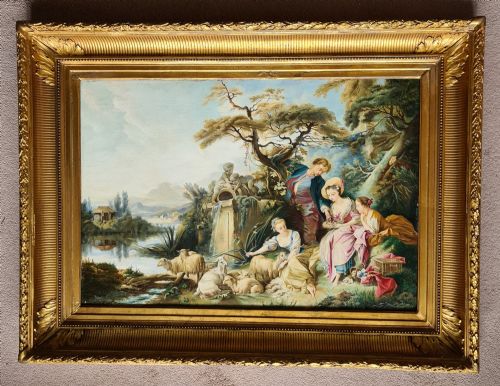
These oil paintings offer an authentic window into the portraiture, landscapes and mythological scenes of the period.
18th Century Canvas Painting
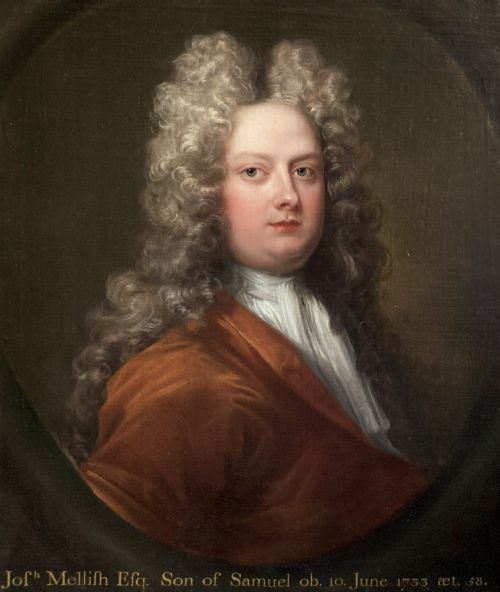
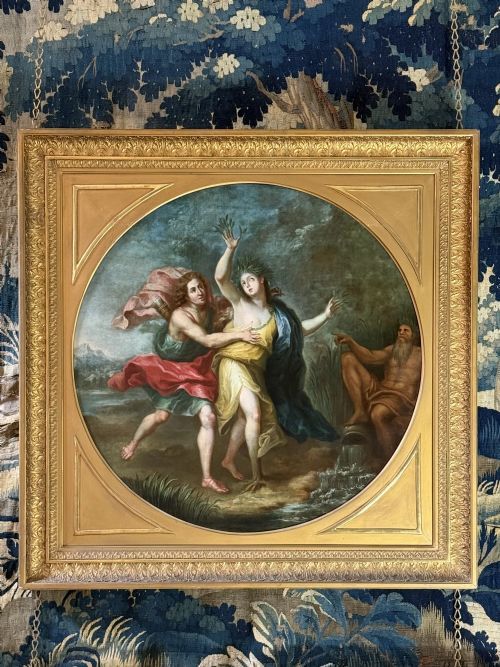
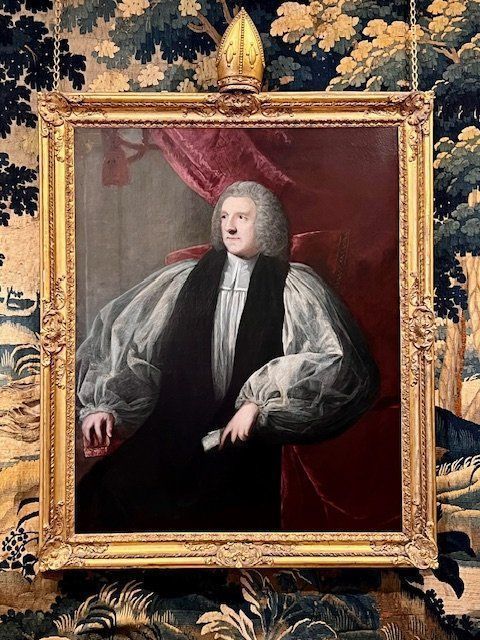
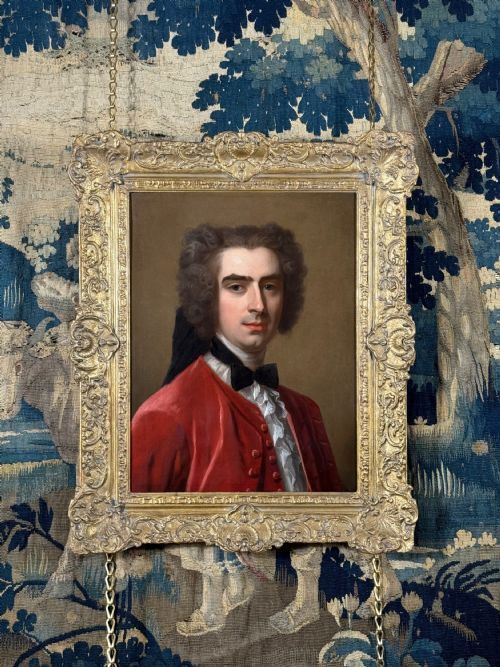
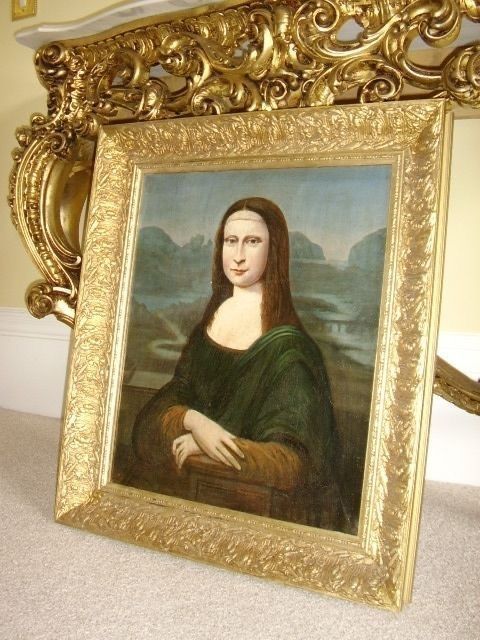
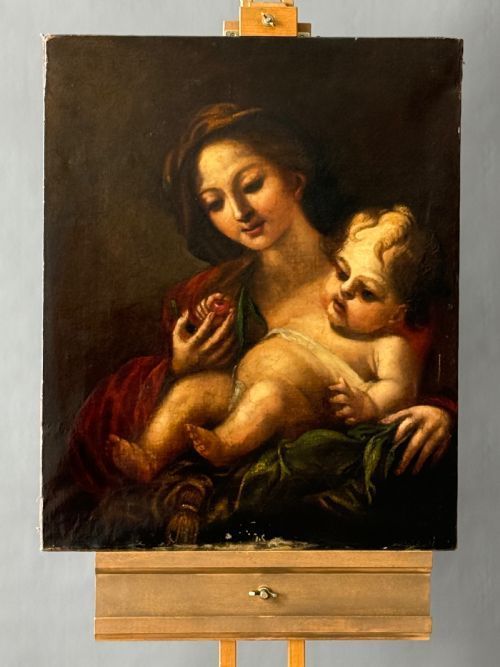
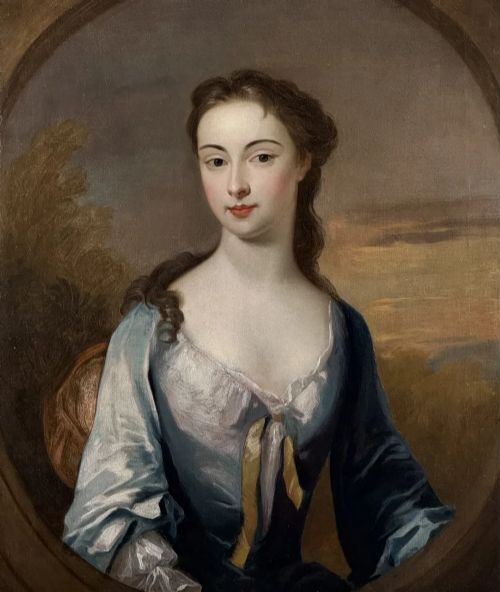
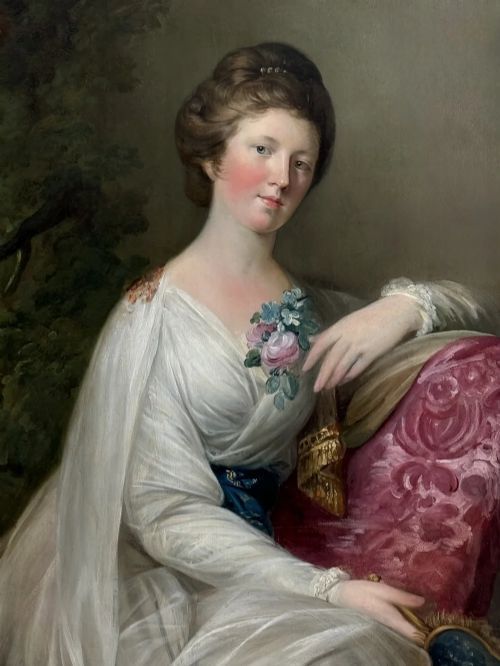
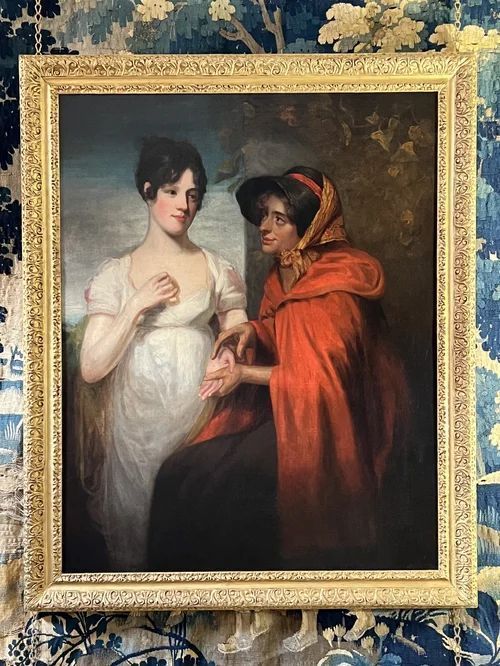
When searching for an 18th century canvas painting, a buyer encounters a rich variety of historic artworks primarily centered around portraiture, landscape and narrative scenes. The selection spans grand British and European portraiture alongside pastoral views and classical mythological subjects executed in oil paint.
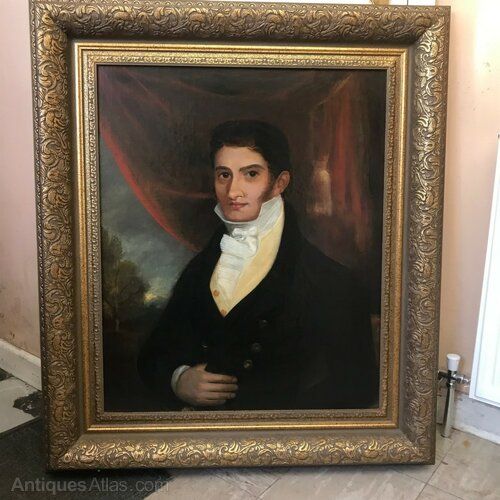
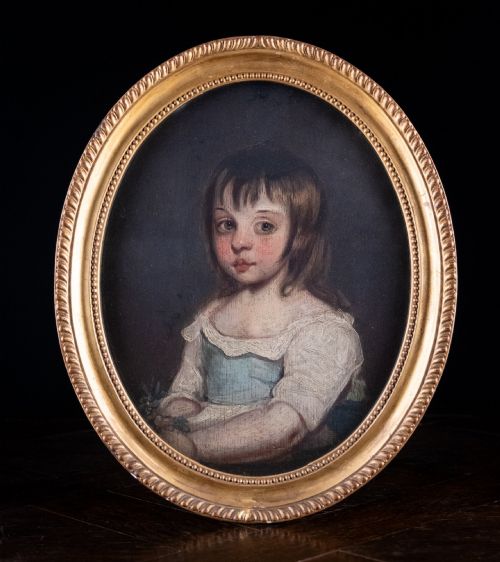
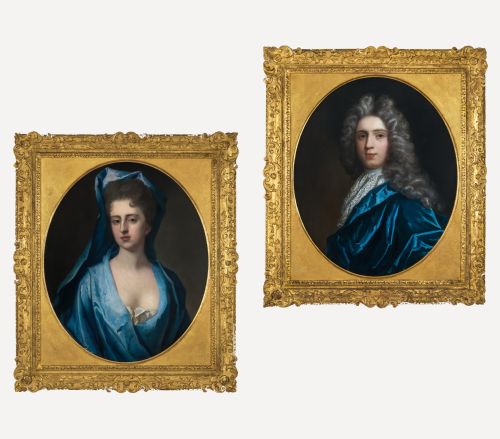
Most pieces on this page originate from the Georgian era or the broader eighteenth century, capturing likenesses of military officers, nobility and clergy. Alongside individual portraits, buyers will find genre scenes, landscapes featuring cattle and architecture, and religious compositions reflecting Italian, French and British schools.
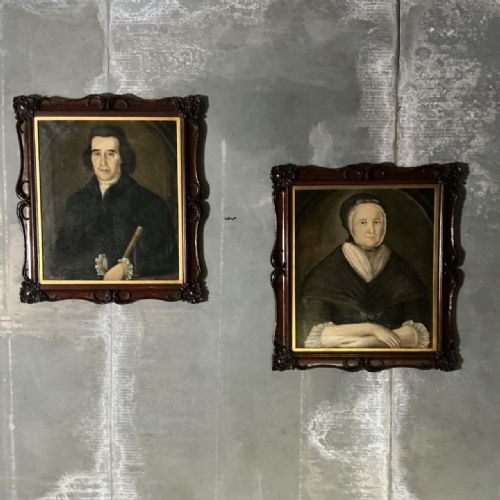
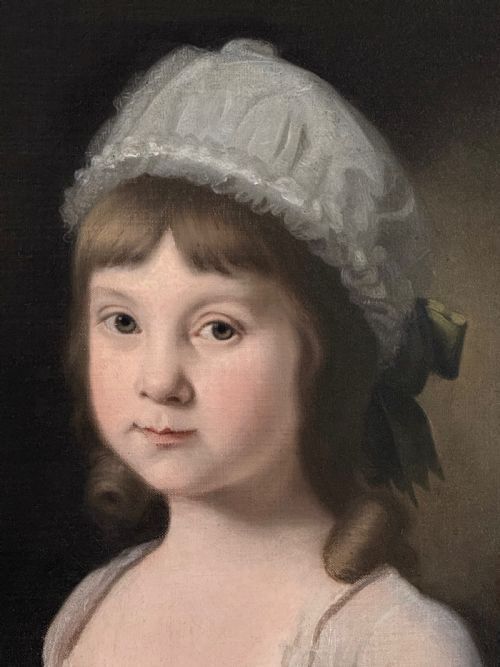
Works range from intimate depictions of country girls and merchants to large-scale portraits associated with notable studios and schools. Whether looking at a detailed depiction of a gentleman or a romantic landscape, these canvases preserve the artistic techniques and subjects of their time.
How they were made
These works rely on oil paint applied to woven canvas supports, occasionally laid onto wood panels or card for added stability. The foundational canvas provides texture beneath layers of pigment, glazes and varnishes built up by the artist.
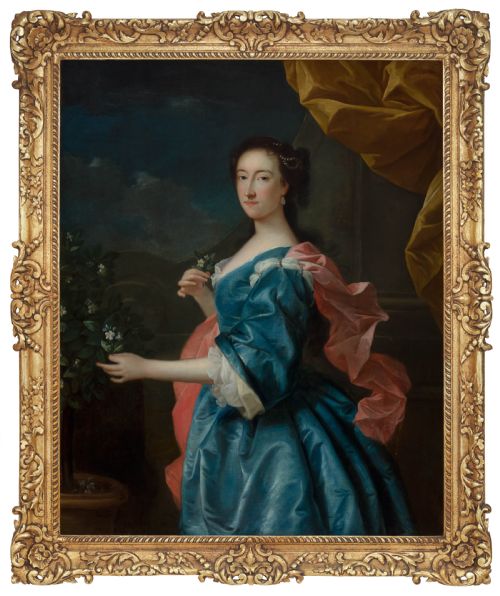
Many surviving examples retain their original or period frames fashioned from carved giltwood or gilded wood. The combination of oil on canvas within decorative wooden surrounds defines the physical structure of these historic artworks.
18th Century Canvas Painting Retail Price Guide 2026
Typical asking prices for 18th century canvas painting among the pieces listed under this phrase on Sellingantiques today, from the lower quarter to the upper quarter. They describe what is for sale here now, not the wider market.
The inventory records diverse regional origins including British, French, Italian and Dutch schools, utilising canvas, giltwood and wood.
What varies in quality
Quality in these works rests upon the precision of the brushwork, the depth of character in portraiture and the atmospheric balance of landscapes. Superior examples demonstrate a confident handling of light and shadow, particularly in the rendering of fabrics, skin tones and architectural details.
The distinction between a top-tier studio piece and a simpler provincial work lies in the anatomical accuracy, compositional harmony and the expressive capability of the painter. Works tied closely to recognised masters or accomplished regional schools typically exhibit a higher degree of artistic refinement.
Charles Jervas·Charles Antoine Coypel·Sir Joshua Reynolds·Jean Baptiste Van Loo·John Opie·Thomas Beach·Hendrik Willem Schweickhardt
The 18th Century Canvas Painting Glossary
- Oil on canvas
- A painting medium where pigments are bound with drying oils, most commonly linseed oil, applied across a stretched woven fabric support.
- Giltwood
- Timber that has been coated with a thin layer of gold leaf or gold powder, frequently used for ornate picture frames.
- Old Master
- A term describing a European artist of high skill working before about eighteen hundred, or a work produced by such an artist.
- Genre painting
- The pictorial representation of scenes from everyday life, depicting ordinary people in work or recreational settings.
- Provenance
- The chronological history of the ownership of a painting, helping to establish its authenticity and origin.
18th Century Canvas Painting: Frequently Asked Questions
How do I identify an eighteenth century canvas?
Examine the weave of the canvas, the type of stretchers used, and the composition of the oil paint layers under magnification. Older canvases often show hand-woven irregularities and traditional preparation grounds beneath the pigment.
Look for physical ageing signs such as stable craquelure across the paint surface and the appearance of the tacking margins where the canvas meets the wooden frame.
Where were these paintings originally displayed?
Historic paintings of this scale hung primarily within the reception rooms, libraries and stair halls of country houses, town residences and civic institutions. Portraits commemorated family lineage and status, while landscapes decorated domestic living spaces.
Grand religious and mythological subjects often adorned private chapels, salons or institutional galleries across Britain and continental Europe.
How should I care for an antique oil painting?
Maintain a stable room environment away from direct sunlight, high humidity and sudden temperature fluctuations to protect both the canvas and the wooden frame. Keep the hanging area well-ventilated and avoid positioning pieces near active heating sources.
Dust the surface very gently with a soft, dry brush, leaving any deeper cleaning or conservation work to a professional restorer.
What is the difference between an original and an after work?
An original painting represents the primary composition conceived and executed by the named artist or their immediate studio. Works designated as 'after' an artist are later copies created by another hand, often to study the master's technique or reproduce a celebrated image.
Both categories hold historic interest, but original primary works and authenticated studio productions generally carry distinct art-historical standing.