

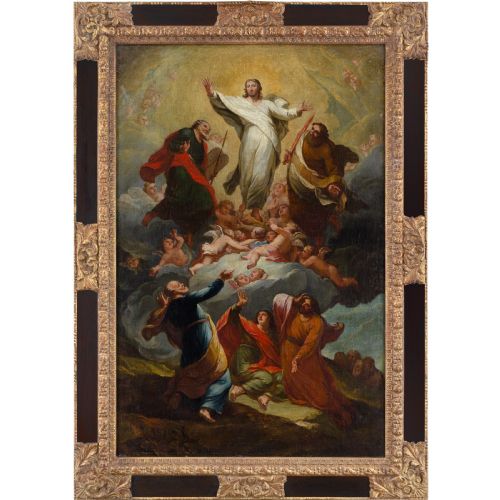
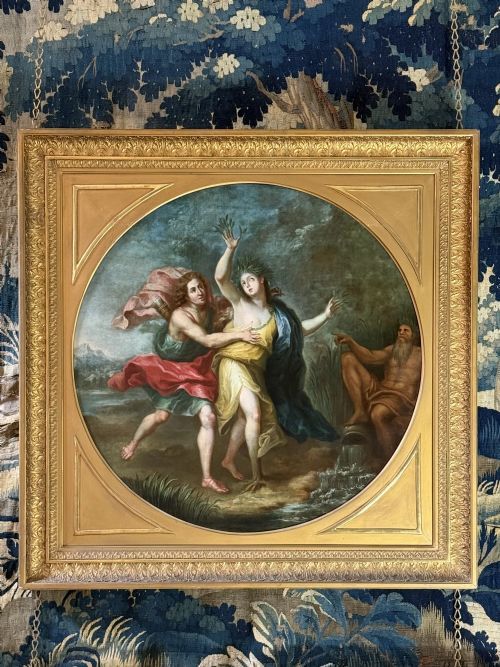
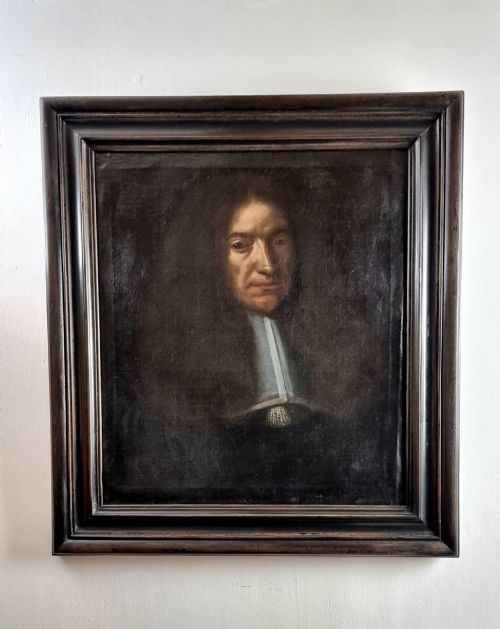
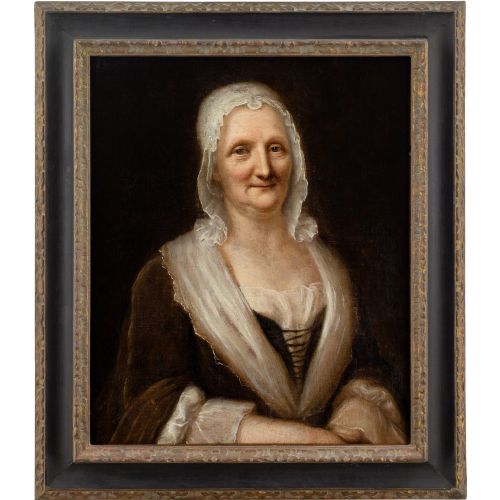
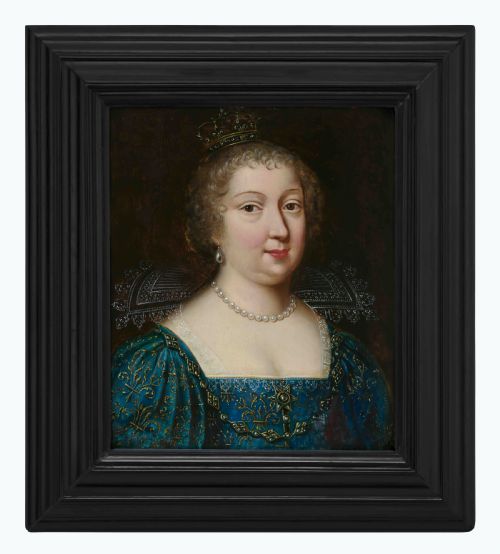


French Master Oil Painting
A french master oil painting brings centuries of European history and portraiture into the room through layered pigments on canvas and panel.
French Master Oil Painting
A french master oil painting typically captures portraiture and classical figures, often originating from the seventeenth, eighteenth, and nineteenth centuries. These works frequently depict notable figures, judges, queens, and children within academic, baroque, and rococo frameworks.
The pieces available include pair compositions, framed canvases, and portrait paintings tied to circles of recognised artists. Buyers frequently encounter historical depictions framed in gilded wood or giltwood alongside avant-garde compositions from later periods.
Materials and technique
These works rely on oil paint applied to canvas or wood panels, utilising traditional binders and pigments to achieve lasting depth. Encaustic techniques also appear in specific twentieth-century avant-garde compositions within the selection.
Frames form an integral part of the physical object, constructed from wood and finished with gilded wood or giltwood surrounds. These frames often complement the period aesthetic of the central canvas.
Substantial wooden frames, often finished in giltwood, frequently accompany these historical canvases.
Assessing quality and execution
The standard of execution in a french master oil painting rests on the subtlety of brushwork, the handling of light and shadow, and the psychological depth of portraiture. Stronger examples display confident draughtsmanship and sophisticated pigment layering.
The preservation of the underlying canvas or panel and the integrity of the period frame contribute significantly to the standing of a piece. Works closely linked to documented studios or recognised circles generally hold distinct interest for collectors.
Charles-Antoine Coypel·Henri and Charles Beaubrun·Hyacinthe Rigaud·Nicolas De Largillière·Jean Baptiste Isabey·Louis Léopold Boilly·Jean-Baptiste Santerre
The French Master Oil Painting Glossary
- Circle of
- A designation indicating an artist worked in close association with a master, sharing closely aligned techniques and studio practices. This term often describes works produced during the master's active period.
- Oil on canvas
- A traditional painting method utilising pigments suspended in drying oils applied to a stretched woven fabric support. This combination allows for rich blending and textured application.
- Giltwood
- Wood carved and treated with a thin layer of gold leaf or metallic powder, commonly used for decorative antique frames. It provides a reflective, ornate border for classical paintings.
- Baroque
- A European artistic style spanning the seventeenth and early eighteenth centuries characterised by drama, tension, and grand scale. In painting, it employs deep chiaroscuro and dynamic compositions.
- Academic realism
- A style of painting produced under the influence of European academies of art, prioritising precise anatomical correctness and classical subjects. It values finished surfaces and traditional methods.
French Master Oil Painting: Frequently Asked Questions
What defines a french master oil painting?
These works are historical paintings created by European artists, schools, or circles, predominantly originating from the seventeenth through nineteenth centuries. They encompass formal portraiture, classical mythology, and academic studies.
Subjects range from French judges and Spanish royalty to children and still life arrangements, executed in oil on canvas or panel.
How do I identify the period of a painting?
Dating relies on stylistic clues such as costume, wig styles, framing techniques, and the characteristic approach to portraiture of movements like the Baroque or Rococo. Signatures, inscriptions, and archival attribution to specific artist circles also aid identification.
Physical examinations of the canvas weave, wood panel ageing, and the construction methods of the accompanying giltwood frame offer further chronological indicators.
How should I care for these paintings?
Preserving these works requires stable indoor humidity and temperature levels to prevent cracking in both the oil paint and the wooden support. Direct sunlight should be avoided to protect organic pigments from fading over time.
Cleaning and conservation work should be left to professional restorers to safeguard the fragile layers of historic paint and the integrity of original frames.
What is the difference between studio work and a master's hand?
Studio pieces were often produced under the supervision or within the workshop of a prominent artist, utilising standard compositional elements from the master. Works attributed to a circle reflect the direct stylistic influence of that master without being signed by them.
While direct works by primary masters command distinct attention, pieces from their circles and studios provide valuable insight into historical painting practices.