


Antique Classical Painting Pair
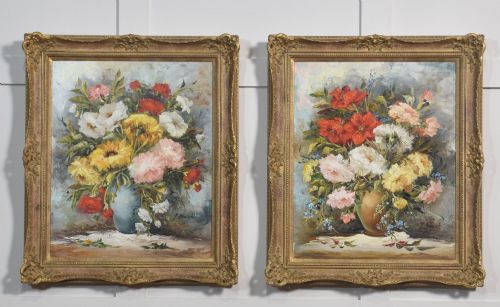
An antique classical painting pair brings mythological scenes, historical subjects and decorative balance into a room.
Antique Classical Painting Pair
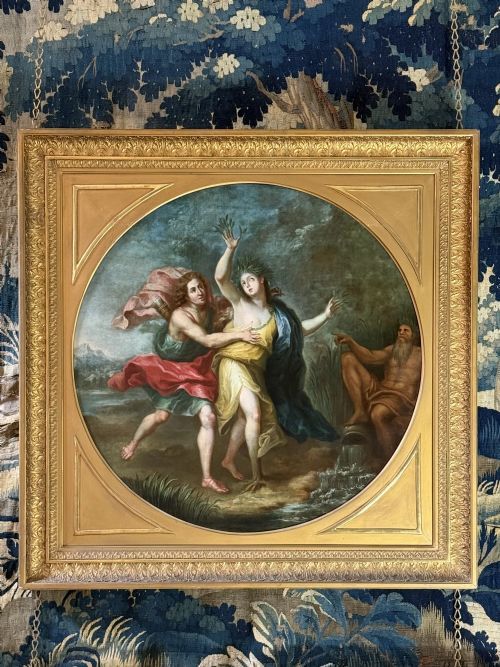
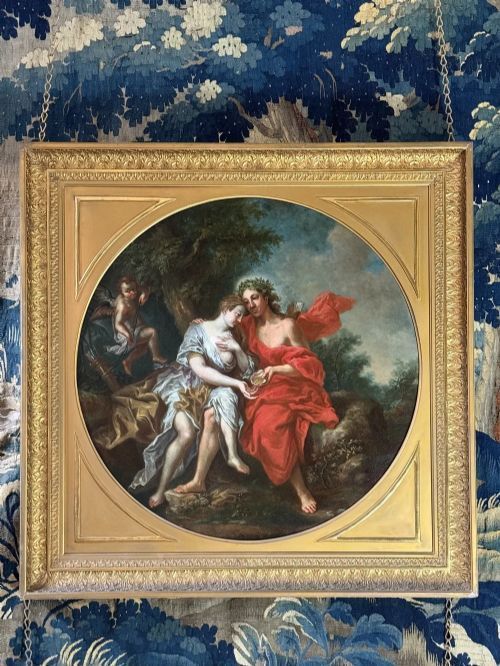
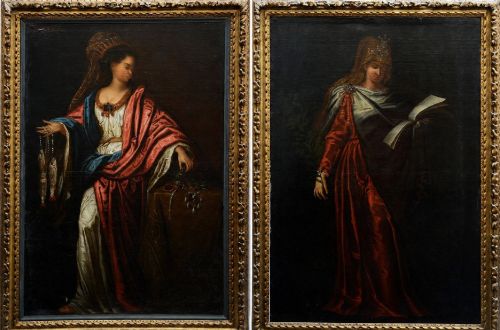
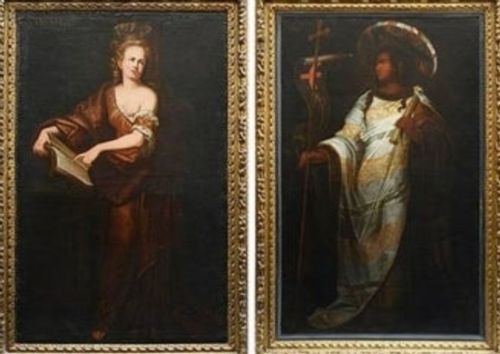
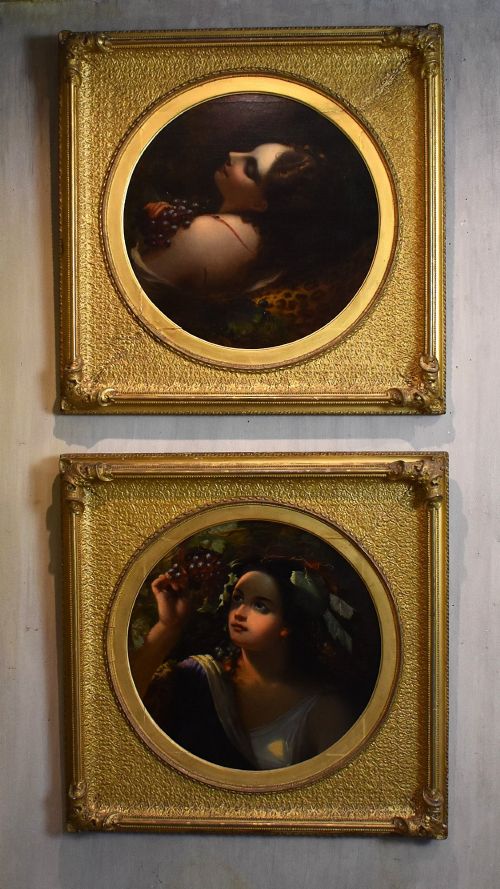
When searching for an antique classical painting pair, a buyer encounters dual canvases or panels depicting historical, mythological or architectural subjects from past centuries. These works frequently draw upon ancient themes such as sibyls, mythological figures and classical ruins set within structured compositions.
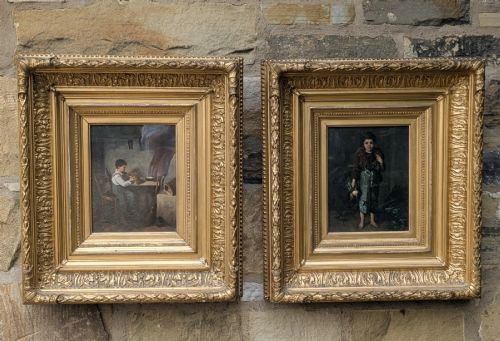
The selections available span from eighteenth-century oils depicting classical narratives to nineteenth-century interpretations of historical subjects. These dual artworks were originally conceived to hang in symmetrical balance within formal interiors, maintaining a distinct visual harmony between both frames.
Materials and technique
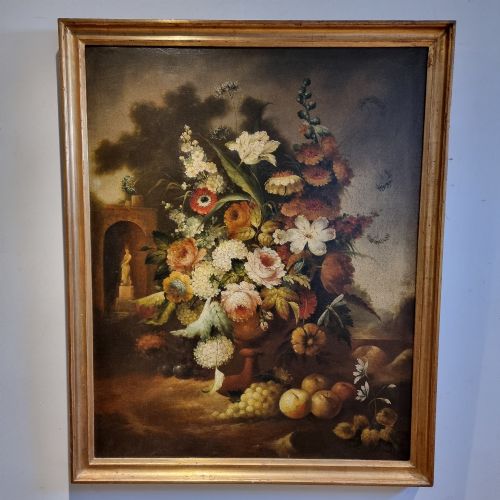
Makers applied oil paint directly onto stretched canvas or wooden panels, utilising layered pigments to build depth in figures, drapery and background landscapes. The application often includes fine brushwork characteristic of academic training, capturing light and shadow across classical subjects.
Frames accompanying these works frequently employ gilt wood or painted mouldings that complement the formality of the painted scenes. The physical construction relies on period joinery for stretchers and panels, preserving the structural integrity of the dual artworks over centuries.
The listings feature oil on canvas mediums alongside nineteenth-century and eighteenth-century periods.
Factors determining quality
The distinction between tiers rests upon the anatomical precision of the figures, the handling of perspective in architectural ruins and the subtlety of the pigment layering. Masterful execution in facial expressions and fabric folds elevates a work significantly above standard decorative output.
Condition and originality play a substantial role in assessment, particularly regarding the preservation of the original paint surface and the historical context of the matching frames. Works retaining their untouched nineteenth-century or eighteenth-century surfaces demonstrate superior archival standing.
Charles Antoine Coypel·Theodore Jensen·Hermann Armin Kern·Jan Evert Morel·Ferruccio Vitale
The Antique Classical Painting Pair Glossary
- Oil on Canvas
- Pigment suspended in drying oil applied to a woven fabric support. This primary medium allows for rich tonal gradations and blending.
- Neoclassical
- A style reviving the design elements of ancient Greece and Rome. It emphasises strict proportions, heroic subjects and restrained ornamentation.
- Sibyl
- An oracle figure from ancient mythology often depicted in classical art. These prophetic women appear frequently in eighteenth-century and nineteenth-century canvas pairs.
- Grand Tour
- A traditional trip through Europe undertaken by upper-class young men to absorb classical culture. Paintings acquired during these journeys often recorded ancient ruins and Italian landscapes.
Antique Classical Painting Pair: Frequently Asked Questions
What subjects appear in these painting pairs?
The compositions typically portray classical mythology, historical narratives, or ancient architectural ruins with figures. Common themes include sibyls, mythological deities and balanced landscape scenes.
These subjects reflect the educational and cultural interests of past centuries, designed to impart narrative depth and visual symmetry to formal rooms.
How do I hang a matching pair?
Symmetrical placement on a shared wall allows the two canvases to balance one another visually. Maintaining equal eye-level spacing preserves the original decorative intent of matching works.
Consider natural light sources in the room to prevent glare on the oil paint surface while ensuring both frames receive adequate illumination.
Are these works signed by artists?
Certain examples feature artist signatures or inscriptions within the composition or on the reverse of the canvas. Documentation from known painters adds historical clarity to the pieces.
Unsigned works remain common, often attributed through stylistic analysis to particular periods, schools or regional workshops of the eighteenth and nineteenth centuries.
How do I care for antique canvas paintings?
Keeping the works away from direct sunlight and stable atmospheric humidity protects the canvas and oil pigments from cracking. Gentle dusting with a soft, dry brush maintains the surface without introducing moisture.
Professional conservation should be consulted for any structural cleaning or stabilization of the paint layers over time.