



Nineteenth Century French Art
Nineteenth century french art encompasses diverse paintings, bronzes and decorative works reflecting academic, Barbizon and Art Nouveau movements.
Nineteenth Century French Art
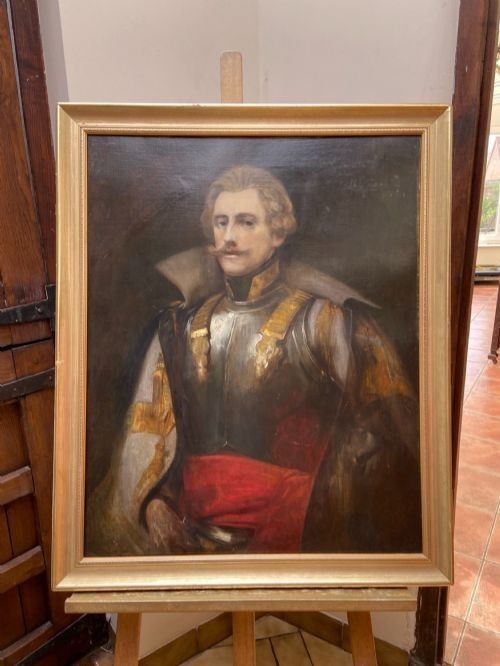
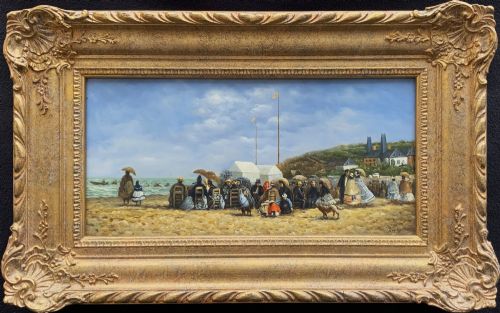
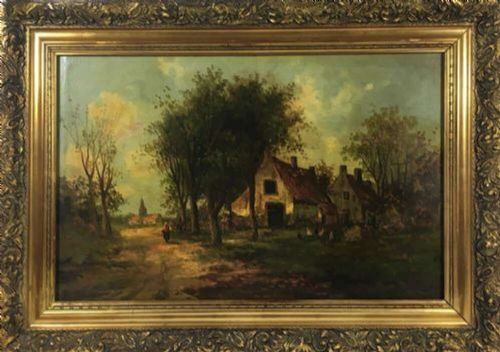
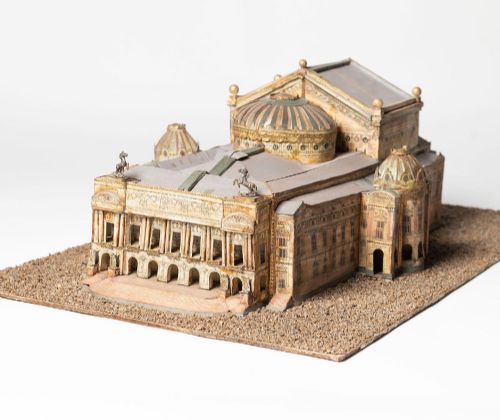
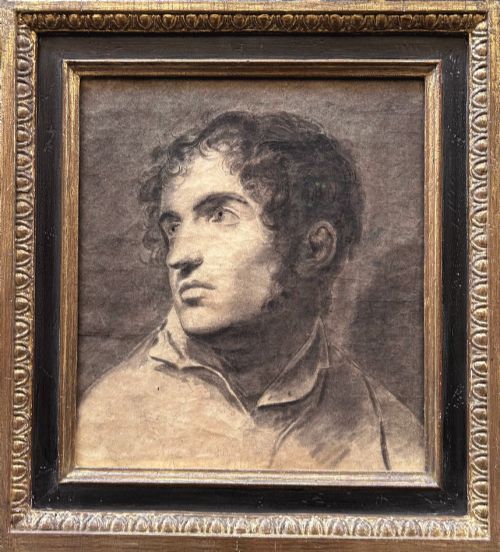
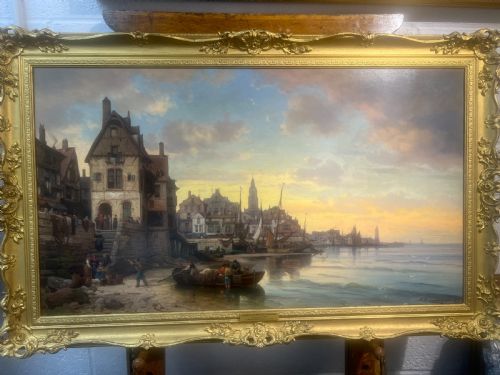
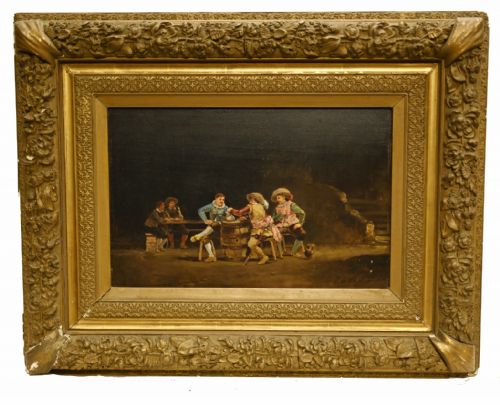
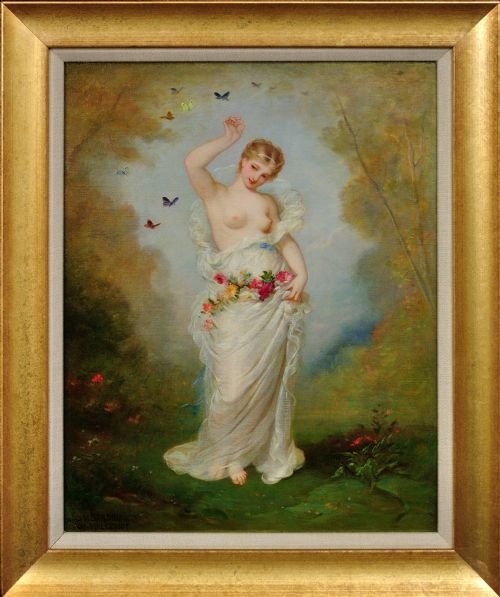
Nineteenth century french art covers oil paintings, bronze sculptures, portraits and architectural models originating from France during this period. The selection on this page leans heavily toward oil paintings on canvas depicting landscapes, portraits and tavern scenes.
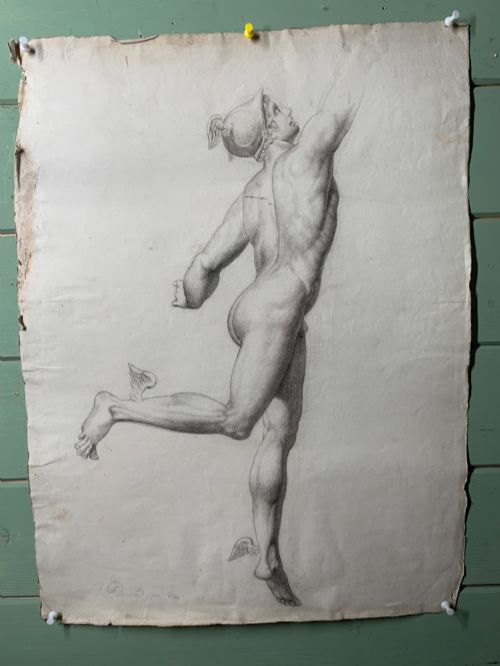
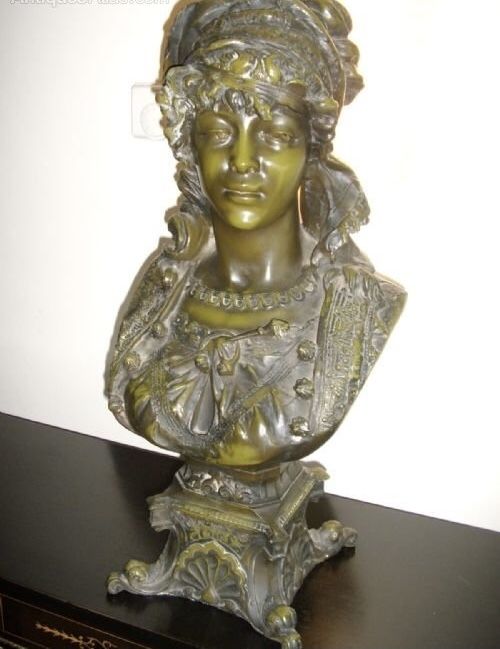
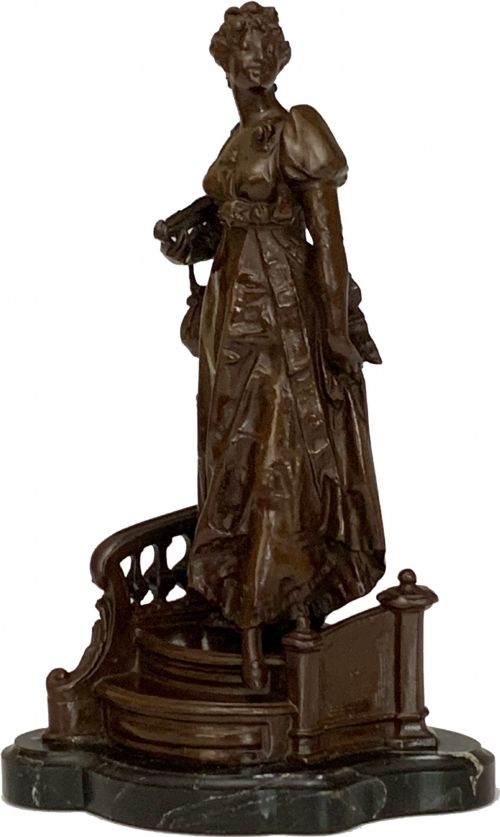
Buyers will also encounter bronze busts and figures cast in the Art Nouveau and French Empire styles. These works range from academic drawings to coastal scenes and decorative panels.
The objects bridge multiple movements, including the Barbizon School and post-impressionism, capturing the shifting tastes of French makers across the decades.
Materials and construction
Oil paint applied to canvas remains a primary medium for portraits and landscape works. Artists utilised layered brushwork and chiaroscuro techniques to build depth in coastal and interior scenes.
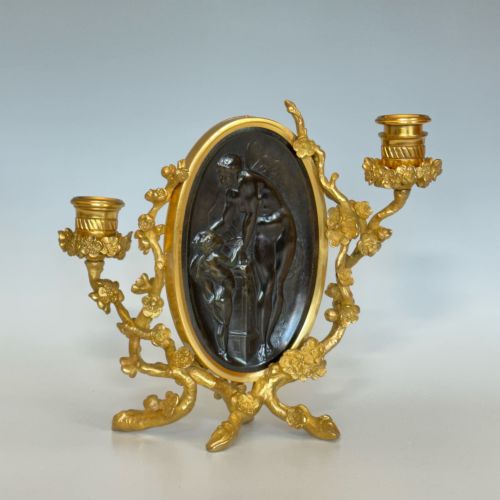
Bronze and terracotta feature prominently in sculptural works, cast or modelled into female figures, busts and mythological subjects. Giltwood and gesso form the frames enclosing many of the paintings.
The listings show works spanning from the eighteenth century through to the nineteen thirties, executed in oil paint, bronze, canvas and wood.
Judging quality in these works
Quality rests on the precision of the brushwork in paintings and the crispness of the chasing on bronze casts. Finer pieces demonstrate careful attention to anatomical detail and subtle tonal variation.
The reputation of the artist or foundry, alongside the preservation of the original surface and canvas, distinguishes superior examples from standard decorative pieces.
Thiebaut Freres·Georges Van Der Straeten·Emile Laporte·Charles Euphraisie Kuasseg·Paul Desire Trouillebert·Jean Baptiste Isabey
The Nineteenth Century French Art Glossary
- Barbizon School
- A nineteenth-century French art movement dedicated to naturalistic landscape painting. Artists painted outdoors to capture light and atmosphere directly.
- Chiaroscuro
- An artistic technique using strong contrasts between light and dark to give subjects a three-dimensional volume.
- Spelter
- An alloy of zinc used as a less expensive alternative to bronze for decorative sculptures and figures during the nineteenth century.
- Giltwood
- Wood that has been coated with a thin layer of gold leaf or gilt powder. It is commonly found on decorative picture frames.
Nineteenth Century French Art: Frequently Asked Questions
How do I identify nineteenth century french art?
Look for stylistic markers such as Barbizon naturalism, Art Nouveau curves, or academic realism. Signatures, artist plaques, and framing materials often provide clues to origin and date.
Examining the reverse of the canvas or the casting marks on bronzes helps confirm the period of production.
Where were these art pieces originally displayed?
Paintings and bronze sculptures typically decorated the salons and drawing rooms of bourgeois homes and urban apartments. Smaller miniatures and drawings sat on writing desks or hung in private studies.
Larger architectural models and tapestries filled grander institutional or residential spaces.
How should I care for antique oil paintings?
Keep paintings away from direct sunlight and fluctuating humidity to prevent canvas warping and paint cracking. Dust the surface gently with a soft, dry brush without applying pressure.
Avoid chemical cleaners entirely on both the canvas and the surrounding gilt frame.
What subjects are common in these paintings?
Popular subjects include rural landscapes, coastal views, military officers, and mythological figures such as cupids and nymphs. Animal portraits and domestic scenes also appear frequently.
These themes reflect the shifting academic and romantic interests of the era.