



![Pen and Ink Sketch - Female Nudes by William Edward Frost [1810-1877]](https://www.sellingantiques.co.uk/photosnew/dealer_kendallhouse/dealer_kendallhouse_full_1758970795762-8493507346.jpg)


Classical Mythology Art
When you explore classical mythology art, you encounter centuries of European painting, printmaking and bronze sculpture depicting gods, nymphs and ancient legends.
Classical Mythology Art
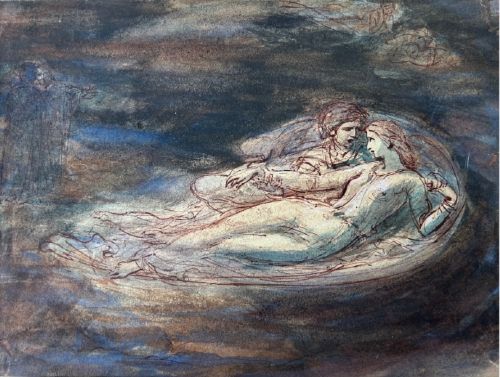
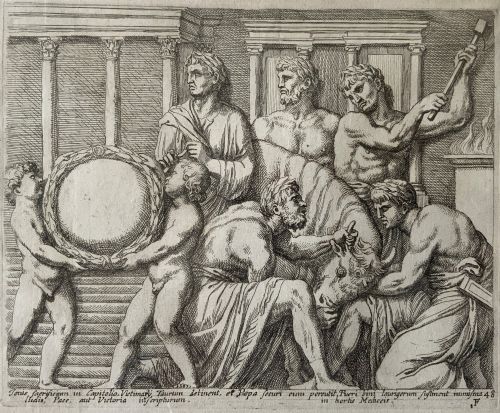
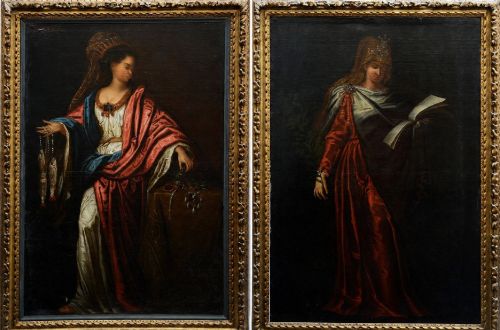
Classical mythology art encompasses works ranging from seventeenth-century French etchings and eighteenth-century British engravings to nineteenth-century oil paintings and early twentieth-century bronzes. These pieces interpret traditional Greco-Roman narratives involving deities, heroes, and allegorical figures.
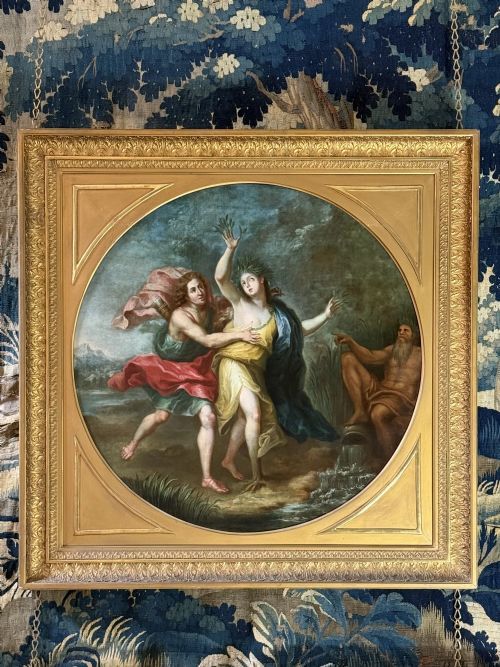
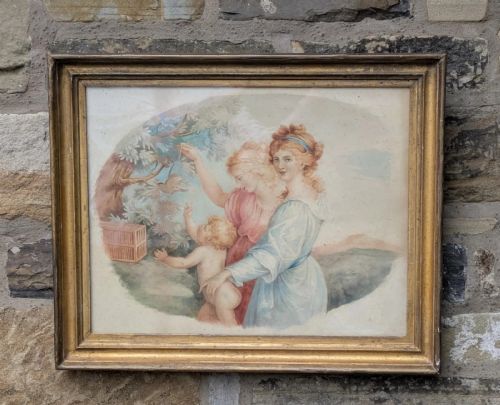
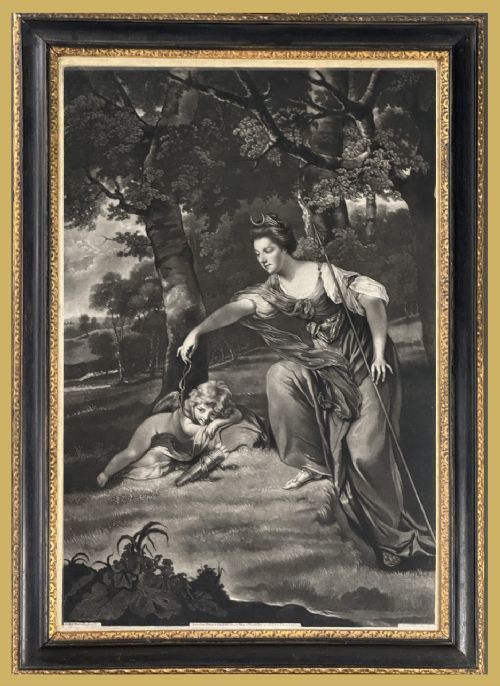
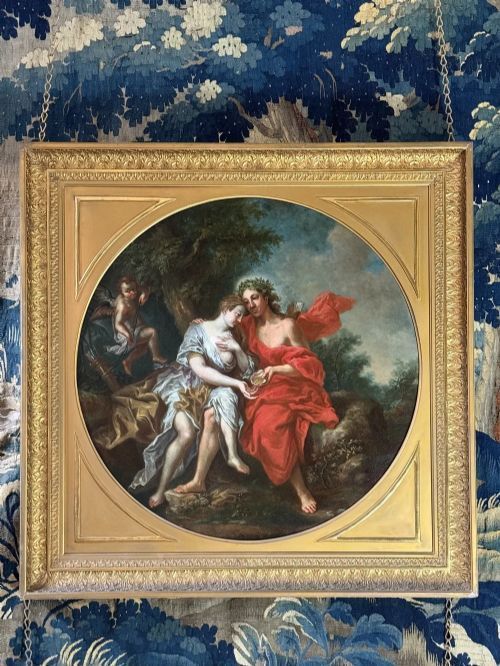
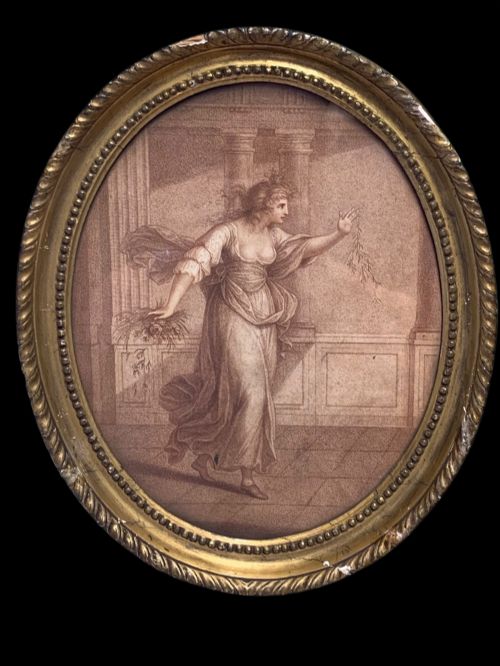
The selection on this page leans heavily toward paper formats, including period engravings, ink sketches, and stipple prints, alongside framed oil paintings on canvas and panel. Subjects span mythological scenes such as Apollo and Daphne, Diana, and the antiquities of Athens.
Works appear in various historical frames, including period walnut and giltwood surrounds. Creators range from named historical printmakers and painters to continental European schools.
Assessing Quality and Execution
Quality in these works rests upon the clarity of the line in engravings and the expressive anatomical rendering in painted or sculpted figures. Early impressions from copper plates retain crisp detail, whereas worn plates yield softer lines.
The integration of period frames, such as original walnut or giltwood mouldings, influences the integrity of the piece. Master execution by documented hands or established European schools distinguishes finer artistic output from standard decorative prints.
Listings feature paper works, oil on canvas paintings, and bronze sculptures spanning the seventeenth through the early twentieth centuries.
Charles-Antoine Coypel·François Perrier·Sir Joshua Reynolds·James Watson·John Flaxman·Jean Baptiste Isabey·William Edward Frost·Arthur Hacker·Francesco Albani·Albert Hussmann·Peter Paul Rubens·Aug. Moreau·James Basire·Edward Rooker
The Classical Mythology Art Glossary
- Engraving
- A printmaking process where an artist cuts lines directly into a metal plate with a burin. This technique produces sharp, precise details suited to architectural and classical subjects.
- Etching
- A method where acid bites lines into a metal plate prepared with a protective ground. It allows for free-flowing lines similar to pen sketches.
- Stipple Engraving
- A tonal printmaking technique utilising dots rather than lines to create soft gradients and flesh tones. It gained popularity during the eighteenth century for portraiture and allegories.
- Mezzotint
- A tonal method of engraving where the metal plate is roughened uniformly to hold ink for dark areas, then scraped to produce highlights. This creates rich, velvety dark tones.
- Neoclassical
- A style spanning the eighteenth and nineteenth centuries that revived the aesthetic values of ancient Greece and Rome. It emphasises restraint, classical architecture, and heroic themes.
Classical Mythology Art: Frequently Asked Questions
What subjects are common in classical mythology art?
These works typically depict figures from Greek and Roman pantheons, including deities like Apollo, Diana, Venus, and Eros. Scenes often illustrate specific myths, metamorphoses, or architectural antiquities from Athens and Herculaneum.
Artists also portrayed allegorical themes, nymphs, satyrs, and legendary narratives derived from classical literature and Homeric epics.
How do I care for antique paper prints?
Paper engravings and watercolours require protection from direct sunlight to prevent fading of inks and discoloration of the paper. Displaying them behind UV-filtered glass helps preserve the delicate media.
Maintain stable humidity levels in the room to avoid warping the paper or damaging the original frames.
Are bronze sculptures contemporary to the mythologies?
No, the bronze sculptures found here are later interpretations, typically dating from the nineteenth and early twentieth centuries. Artists like Aug. Moreau cast these figures in the academic or neoclassical taste of their own eras.
They represent modern European artistic revivals of ancient Greek and Roman sculptural forms rather than ancient artefacts.
How can I distinguish an original etching from a reproduction?
Original period etchings and engravings exhibit plate marks where the edges of the metal plate pressed into the damp paper during printing. Examining the surface under magnification reveals ink resting slightly raised on the paper rather than flat dot patterns from modern digital printing.