








Allegorical Oil Canvas
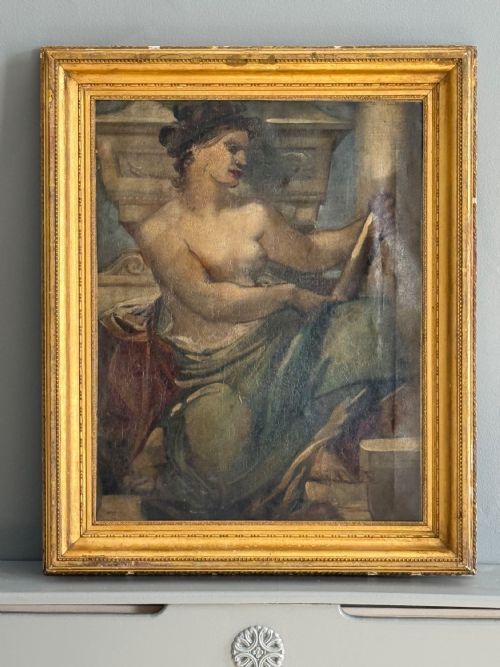
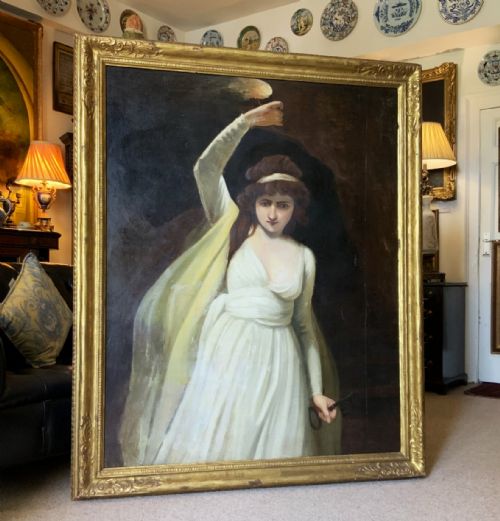
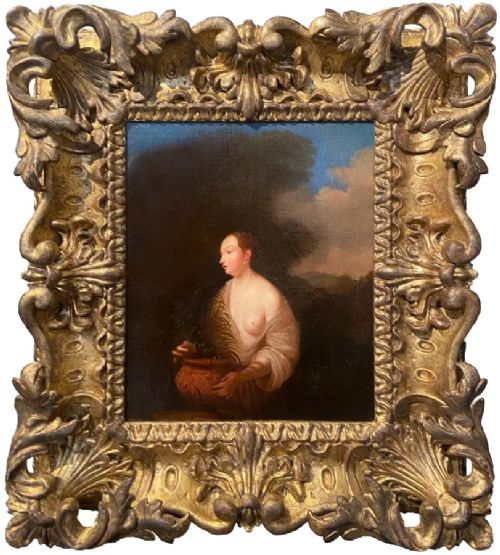
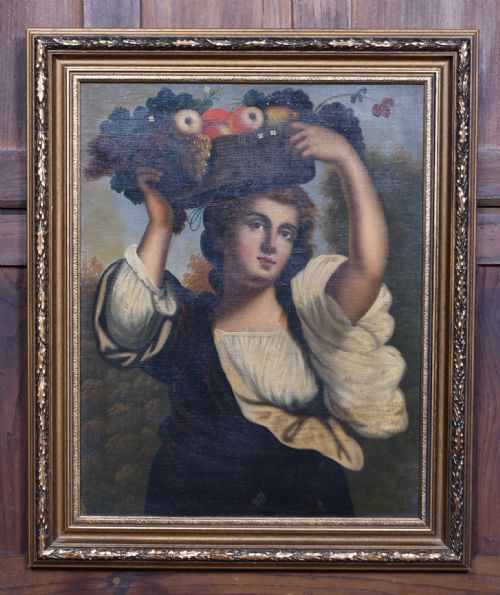
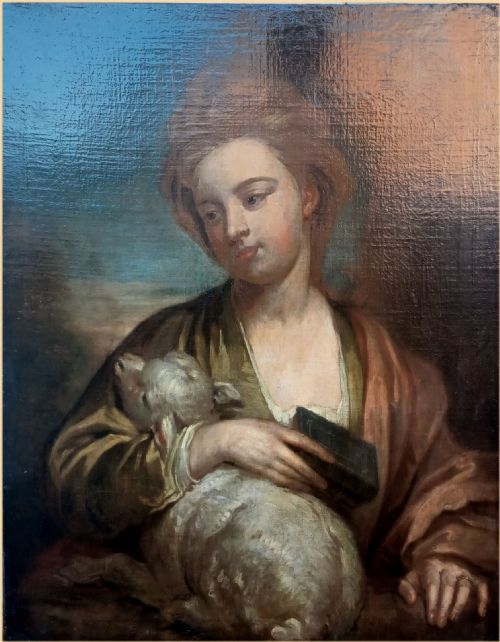
These allegorical oil canvas works present classical subjects, mythological figures and symbolic scenes rendered in oil on canvas.
Allegorical Oil Canvas
An allegorical oil canvas brings together mythological, classical and symbolic subjects executed in oil paint upon stretched canvas. When searching for an allegorical oil canvas, collectors encounter works spanning the seventeenth, eighteenth and nineteenth centuries, alongside Georgian and French Baroque pieces.
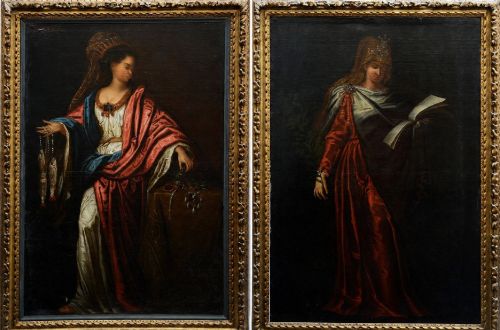
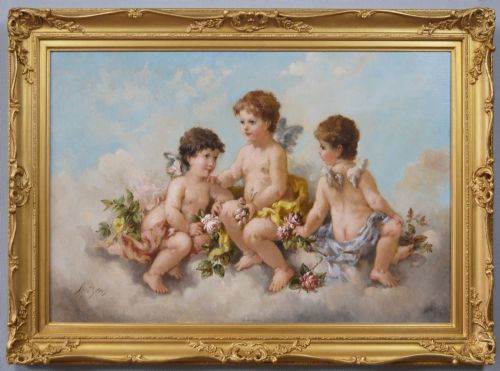
The subjects frequently depict figures from classical mythology, such as sibyls, cherubs, deities and personifications of the seasons or virtues. French schools, Italian Renaissance Revival pieces and European school works dominate the selection, often housed within gilt wood frames.
How they were made
Artists built these compositions using oil paint applied to woven canvas supports, allowing for rich tonal gradation and depth. Skilled hands worked pigments across the surface to capture the textures of skin, drapery and foliage associated with allegorical portraiture.
Surrounding these canvases are frames constructed from timber, frequently finished in gilt wood or gilded timber to complement the painted scenes.
Cherubs and cupids frequently interrupt serious mythological scenes to remind viewers of the lighter side of classical art.
What varies in quality
Quality rests upon the handling of anatomy, expression and narrative clarity within the painted composition. Works attributed to known hands or exhibited pieces display a superior command of light and shadow.
The refinement of the supporting gilt wood frames and the preservation of the original canvas surface contribute significantly to the standing of an individual piece.
John Opie RA·Toussaint Gelton·Nicolas Fouché·Jean Baptiste Isabey·Guiseppe Mazzolini·Peter Paul Rubens·Sir Godfrey Kneller·Charles Augustus Henry Lutyens·Michaelangelo Maestri
The Allegorical Oil Canvas Glossary
- Allegory
- A representation of an abstract idea through symbolic figures, characters and actions. In these paintings, subjects often embody virtues, seasons or classical myths.
- Giltwood
- Wood that has been coated with a thin layer of gold leaf or gesso and gold paint. This finish frequently appears on the frames enclosing these oil paintings.
- Renaissance Revival
- An artistic movement drawing inspiration from the art of the fifteenth and sixteenth-century Renaissance. Pieces from this period re-interpret earlier classical themes.
- Sibyl
- A prophetess in ancient Greek mythology consulted for divine counsel. Depictions of figures such as the Cumaean and Delphic sibyls form notable subjects in eighteenth-century pairs.
Allegorical Oil Canvas: Frequently Asked Questions
What is an allegorical oil canvas?
An allegorical oil canvas is a painting executed in oil on canvas that depicts symbolic figures, mythological narratives or personified concepts rather than straightforward portraits or landscapes.
These works draw on classical traditions, featuring subjects like deities, cherubs and allegories of the seasons.
How do I identify seventeenth-century works?
Seventeenth-century works often reflect Baroque sensibilities, employing dramatic contrasts of light and shadow alongside formal portrait conventions of the period.
Signatures, framing styles and subject matter relating to historical sitters depicted as saints or goddesses help date these pieces.
Where were these paintings displayed?
These paintings were traditionally commissioned for the grand reception rooms, galleries and private chambers of European residences.
Their substantial scale and narrative themes made them focal points for domestic interior display.
How should I care for gilt wood frames?
Gilt wood frames require protection from direct sunlight, high humidity and sudden temperature fluctuations to preserve the delicate gold leaf finish.
Dusting should be performed gently with a dry, soft brush without applying liquid cleaners.