


Canvas Religious Portrait
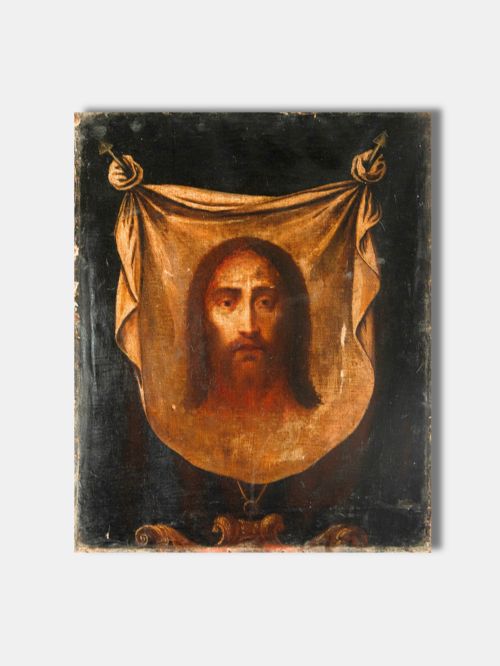
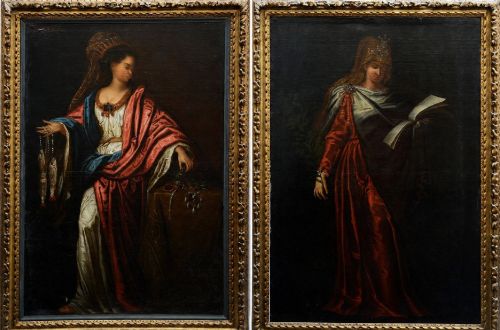
When you search for a canvas religious portrait, you encounter centuries of devotional painting rendered in oil upon woven fabric.
Canvas Religious Portrait
A canvas religious portrait depicts sacred figures, biblical narratives, and revered saints rendered in oil paint across centuries of European and colonial artistic tradition.
You meet works spanning from the sixteenth century through to the twentieth century, with seventeenth- and eighteenth-century Italian, Spanish, and French school paintings appearing frequently.
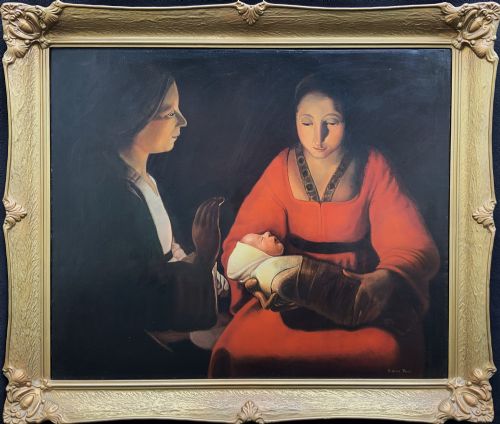
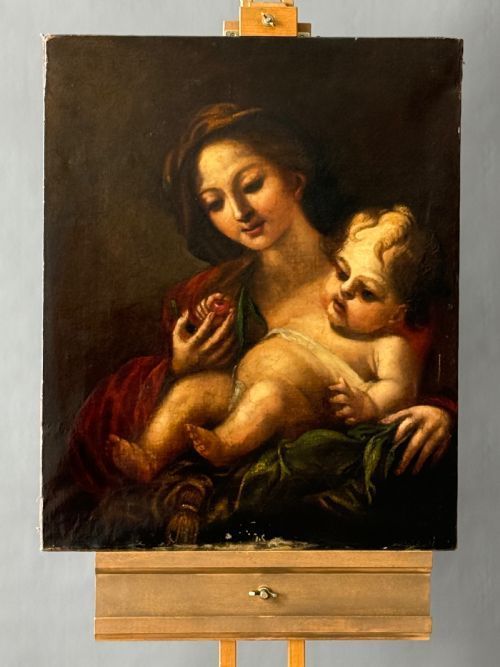
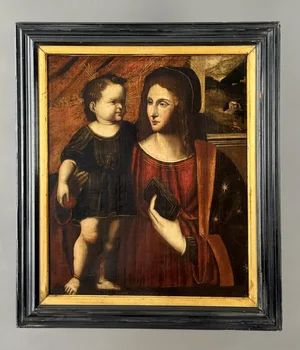
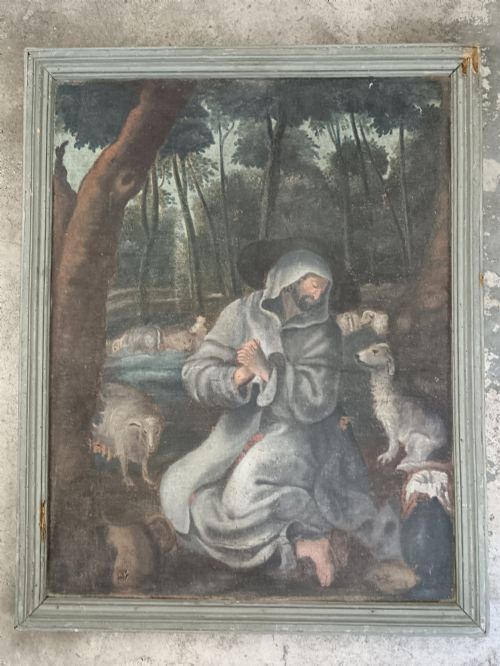
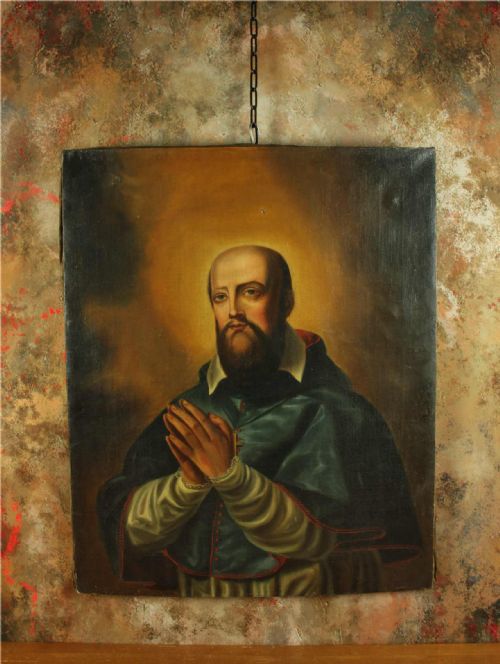
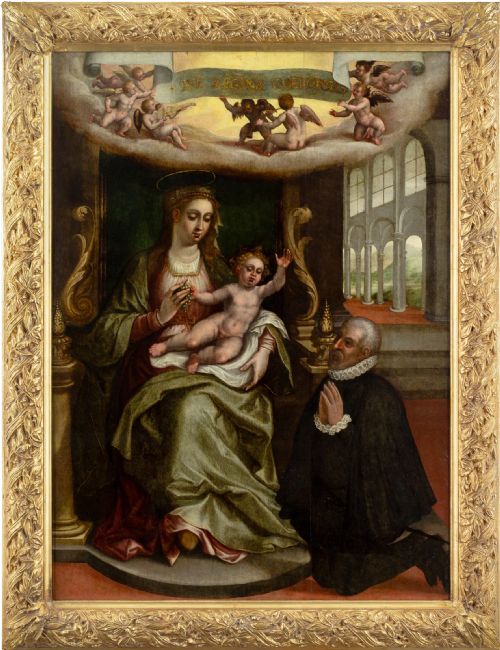
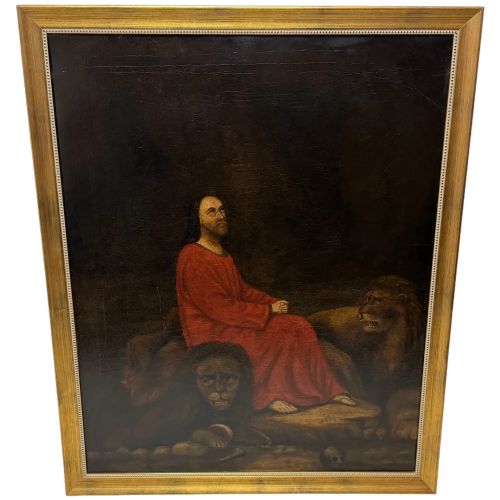
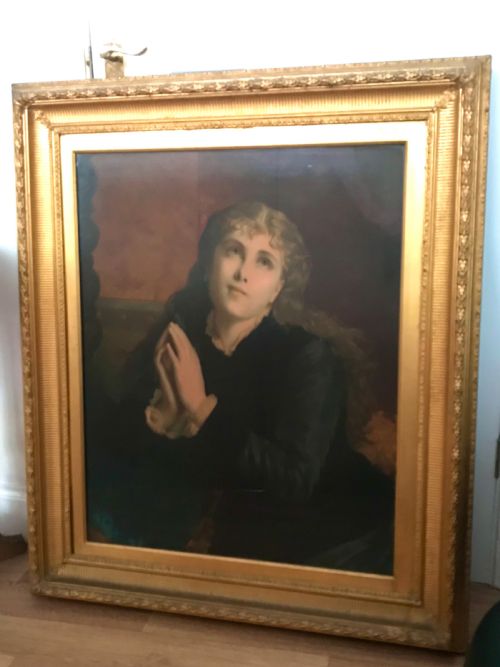
Subjects range from traditional depictions of the Madonna and child to individual saints like Saint Francis and Mary Magdalene, alongside larger narrative scenes from scripture.
Materials and construction
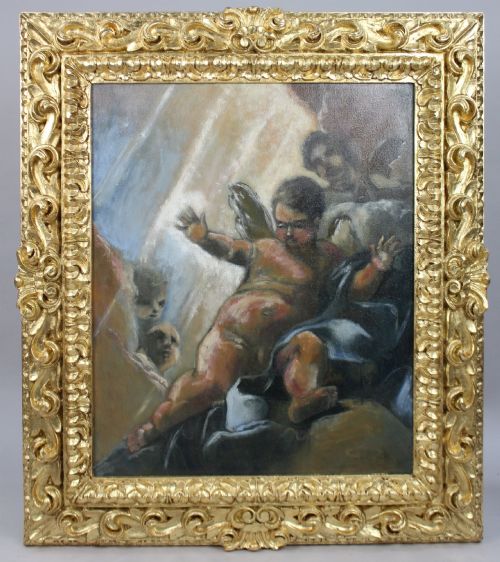
These works are executed in oil paint upon woven canvas supports, frequently mounted within period carved giltwood frames.
Many early examples originate from regional European workshops following established masters, utilising traditional pigments layered upon primed fabric.
Listings feature works from the sixteenth to the twentieth centuries, utilising oil on canvas and carved giltwood materials.
Distinctions in quality
The standard of execution separates workshop productions and follower pieces from primary hand-painted old master canvases.
Depth of expression, handling of light, and the integrity of the canvas and original frame influence the standing of an individual piece.
Miguel Barroso·Francesco Solimena·Costantino Frixione·Gaspar de Figueroa·Pompeo Batoni
The Canvas Religious Portrait Glossary
- Oil on Canvas
- A painting medium where pigments are bound with drying oils and applied to a woven fabric support. This combination allows for rich blending and depth of colour.
- Old Master
- A term for a European artist of high skill working before the nineteenth century. These painters established foundational techniques for religious portraiture.
- Pentimento
- An alteration in a painting where an earlier layer of paint shows through. This reveals changes made by the artist during the creative process.
- Giltwood
- Wood that has been treated with a thin layer of gold leaf or powder. Frames of this material often accompany historical religious art.
- Oleograph
- A mechanical colour lithograph printed on canvas to mimic an oil painting. These appeared in the nineteenth century as an accessible alternative to original works.
Canvas Religious Portrait: Frequently Asked Questions
What periods do these portraits come from?
The available pieces span widely, stretching from the sixteenth century through the baroque eras of the seventeenth and eighteenth centuries, up to nineteenth-century interpretations and later revivals.
Earlier examples often originate from specific European painting schools, while later pieces include academic copies and nineteenth-century narrative works.
How can I tell an original painting from a later reproduction?
Examining the canvas texture, the ageing of the oil paint, and the construction of the stretcher frame helps determine the period of the work.
Older pieces display characteristic craquelure and pigment settling, whereas later reproductions or oleographs show mechanical printing dots under magnification.
Who are the typical subjects in these artworks?
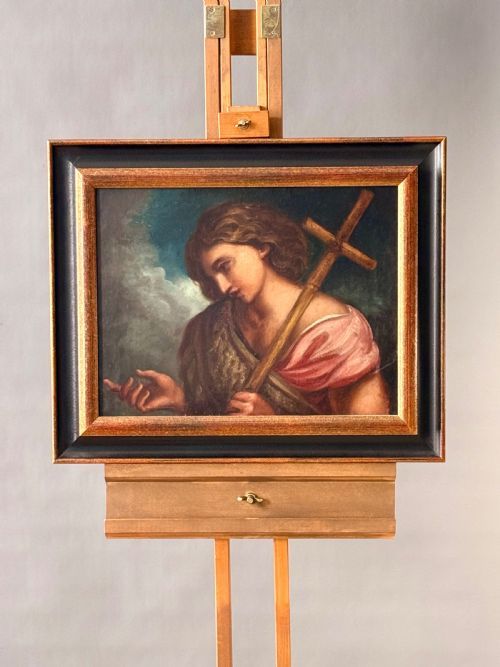
Common subjects include the Virgin Mary, various depictions of the Madonna and child, and biblical figures such as Saint John the Baptist and Mary Magdalene.
Historical saints, apostles, and scenes from scripture also appear frequently across both Italian and Spanish school canvases.
How should I display a canvas religious portrait at home?
These works suit traditional wall art placement in spaces with stable humidity and away from direct sunlight to protect the oil paint and canvas.
Many pieces come set in carved giltwood frames that complement the historical nature of the artwork and provide structural support.