




Spanish Baroque Oil Portrait
A spanish baroque oil portrait brings sombre devotion and rich dark palettes directly from seventeenth-century monastic and domestic interiors into your room.
Spanish Baroque Oil Portrait
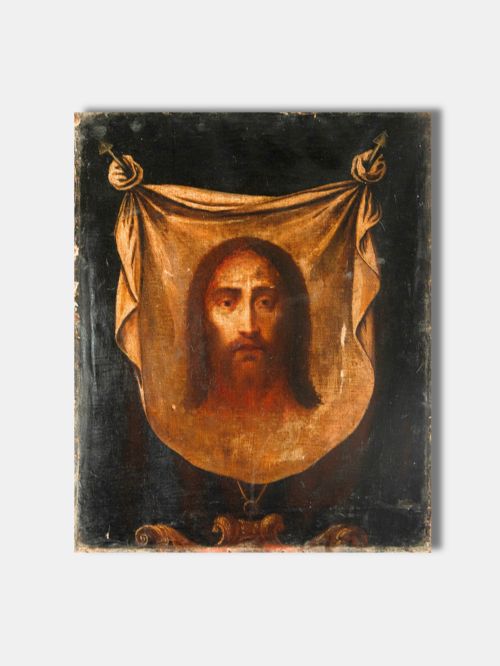
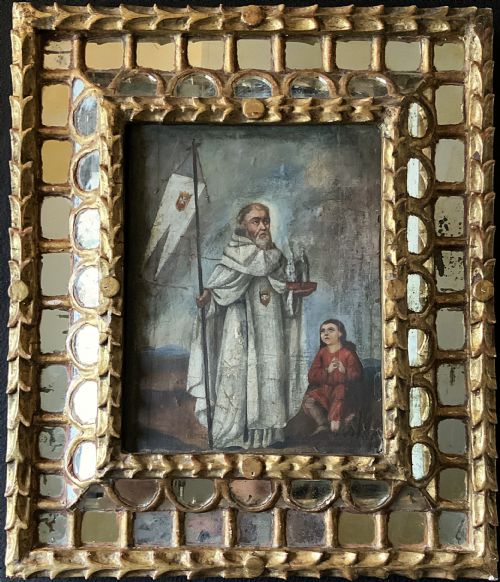
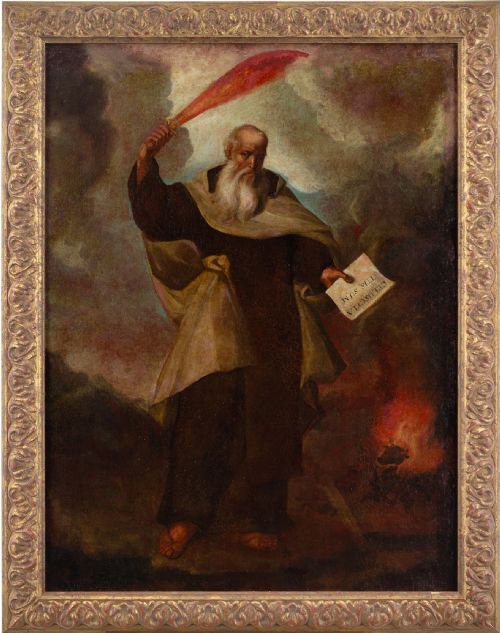
A spanish baroque oil portrait captures the intense religious fervour and aristocratic gravity characteristic of seventeenth-century Iberian and colonial workshops. When you search for a spanish baroque oil portrait, you encounter depictions of saints, theologians, and holy figures rendered with dramatic shadow and solemn dignity.
The pieces available here span the seventeenth and eighteenth centuries, including works by regional schools such as the Madrid circle and Spanish colonial variants. You find both direct devotional panels and later academic copies after masters like Murillo, set within period gilded wood frames.
Materials and construction
These works are painted using traditional oil paint applied to stretched canvas or linen grounds. The pigments rely on heavy mineral and earth tones to build the deep chiaroscuro contrasts essential to the aesthetic.
Many surviving examples are housed in their original or period-matched gilded wood and giltwood frames, which frequently feature hand-carved detailing and heavy gold leaf application.
Spanish Baroque Oil Portrait Retail Price Guide 2026
Typical asking prices for spanish baroque oil portrait among the pieces listed under this phrase on Sellingantiques today, from the lower quarter to the upper quarter. They describe what is for sale here now, not the wider market.
Melons and grapes occasionally share canvas space with solemn saints, proving that even seventeenth-century holy figures appreciated a robust snack.
Assessing quality and execution
Quality in these works lies in the subtlety of the brushwork and the psychological depth captured in the sitter's expression. Superior examples display confident handling of shadow and light, whereas lesser pieces can feel stiff or formulaic in their execution.
The integrity of the canvas and the preservation of the original pigment layers also determine the standing of a piece. Works retaining their untouched surface and contemporary giltwood frames hold greater artistic cohesion.
Juan Ruiz Soriano·Gaspar de Figueroa·Bartolome Murillo
The Spanish Baroque Oil Portrait Glossary
- Chiaroscuro
- A technique employing strong contrasts between light and dark to give subjects a three-dimensional volume. This method defines the dramatic atmosphere of seventeenth-century religious painting.
- Spanish Colonial
- Art produced within the Spanish viceroyalties of the Americas that incorporates European baroque conventions with local indigenous motifs. These pieces reflect a distinct cultural synthesis.
- Circle of an artist
- Work produced by an unrecorded hand closely associated with a master's studio, sharing their specific technique and compositional approach. It denotes proximity to a known artistic hub without direct attribution.
Spanish Baroque Oil Portrait: Frequently Asked Questions
Where were these portraits originally displayed?
These works typically hung within private domestic chapels, monastic foundations, and provincial churches across Spain and its colonies. They served as focal points for contemplation and prayer rather than mere decorative furnishings.
Over time, many migrated into secular collections as tastes shifted, eventually entering the wider antique market while retaining their solemn devotional character.
Are these works painted by the master himself?
Most surviving pieces originate from regional schools, workshops, or later followers working in the style of prominent painters. Attributions often point towards the circle of an artist or followers working after a known composition.
Works bearing direct attribution to a major master are exceptionally scarce, while school pieces offer an authentic window into period techniques.
How can I tell a seventeenth-century piece from later copies?
Examination of the canvas weave, stretcher construction, and pigment ageing provides clues to the creation date. Seventeenth-century works show characteristic craquelure and hand-beaten nails securing the linen.
Stylistic elements like the application of heavy dark grounds and specific drapery folds also help distinguish period originals from later eighteenth-century or revival copies.