



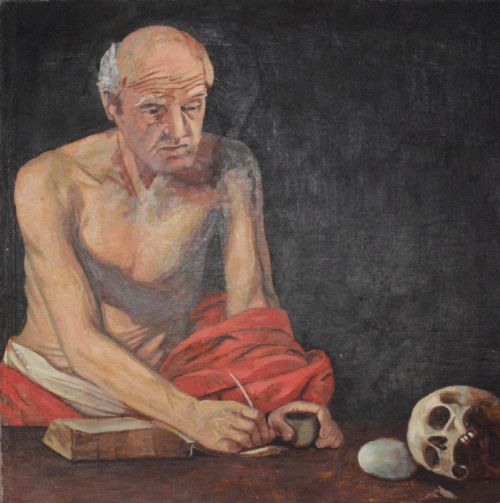


Baroque Style Religious Art
Baroque style religious art brings intense devotion and dramatic theatricality into your home through centuries-old oil paintings and carved giltwood frames.
Baroque Style Religious Art
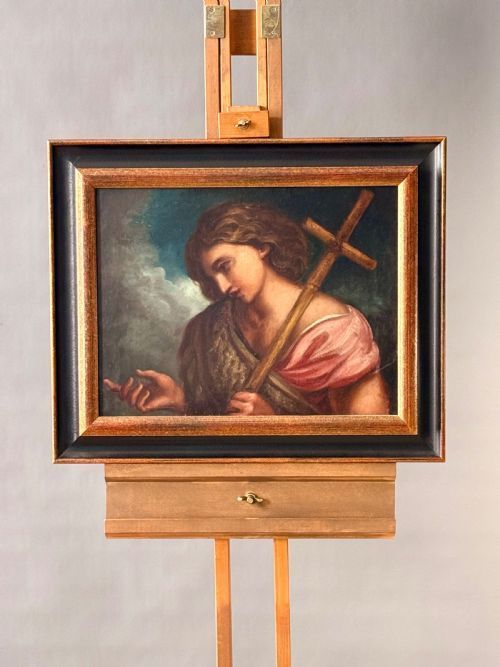
When you search for baroque style religious art, you encounter centuries-old oil paintings and framed devotional works that capture spiritual narratives. These pieces span Italian, Spanish, and Renaissance styles, depicting figures like the Virgin and Child, Saint Joseph, and various saints.
The selections on this page feature canvases originating from the seventeenth and eighteenth centuries, alongside later revivals and twentieth-century studies after old masters. You will find works ranging from intimate portraits of lambs to large-scale depictions of biblical scenes.
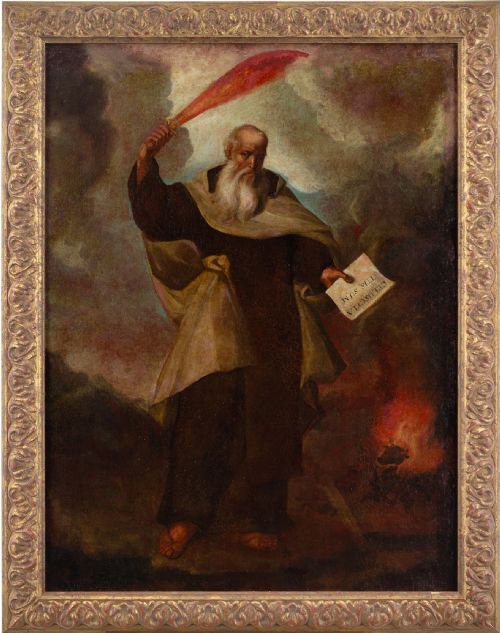
Italian and Madrid schools dominate the offerings, showcasing dramatic lighting and deep emotional resonance. Whether you examine an eighteenth-century depiction of Saint Catherine or a mid-seventeenth-century canvas of Saint Elijah, each piece reflects the theatrical aesthetic of the period.
What varies in quality
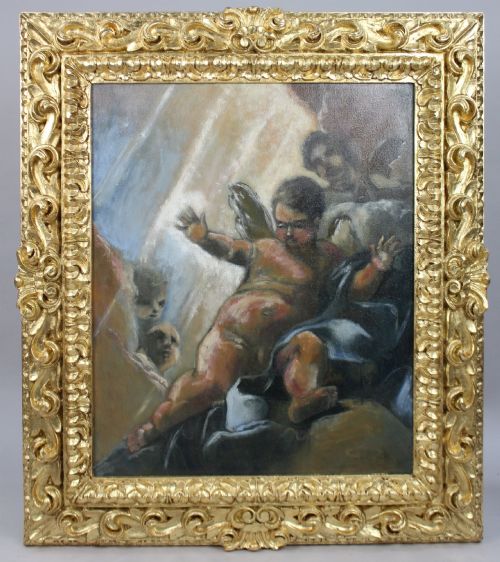
The craftsmanship of the frame often indicates the overall significance of the piece, with hand-carved giltwood surrounds providing a contemporary context for the canvas. The relationship between the visual impact of the painting and the preservation of its original materials determines its standing.
Baroque Style Religious Art Retail Price Guide 2026
Typical asking prices for baroque style religious art among the pieces listed under this phrase on Sellingantiques today, from the lower quarter to the upper quarter. They describe what is for sale here now, not the wider market.
Francesco Solimena Workshop
The Baroque Style Religious Art Glossary
- Baroque
- An artistic style originating in the seventeenth century characterised by drama, deep shadow, and emotional intensity. It prioritises movement and grandeur over Renaissance harmony.
- Giltwood
- Wood that has been coated with a thin layer of gold leaf or gold paint. It frequently appears on seventeenth and eighteenth-century picture frames.
- Oil on canvas
- A painting medium utilising pigments bound with drying oils applied to a stretched cloth support. This technique permits rich blending and luminosity.
- Renaissance style
- An artistic approach drawing upon the classical ideals of proportion and balance. It often influences later religious compositions found in Italian paintings.
- Manner of
- A term indicating that a painting is executed in the style of a specific master without being an autograph work by that artist. It reflects the working methods of historical workshops.
Baroque Style Religious Art: Frequently Asked Questions
What subjects appear in baroque religious art?
Paintings frequently depict biblical narratives, the Virgin and Child, and revered figures such as Saint Francis of Paola, Saint Jerome, and Saint Catherine. These subjects emphasise emotional devotion and dramatic storytelling.
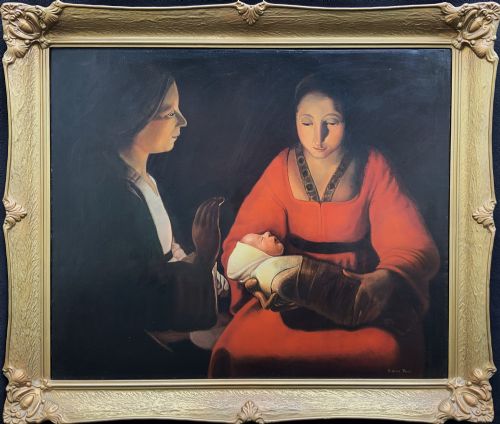
Artists drew inspiration from prominent masters, creating both original compositions and studies after painters like Murillo and Georges de La Tour.
How do I identify a seventeenth-century canvas?
Seventeenth-century works typically display tenebrism, a style characterised by violent contrasts of light and dark that heighten the dramatic tension of the religious scene. The handling of oil paint on canvas reflects the materials and techniques specific to that era.
Examination of the stretcher bars, canvas weave, and associated framing often provides additional context regarding the age of the piece.
Where were these religious paintings created?
The pieces originate primarily from European centres of artistic production, notably Italy and Spain, during periods spanning the seventeenth to the nineteenth centuries. Regional schools developed distinct approaches to lighting and narrative composition.
Italian and Madrid workshops produced numerous canvases for devotional use, influencing subsequent revival movements in later centuries.
How should I care for an antique oil painting?
Protect the canvas and carved giltwood frame from direct sunlight and fluctuating humidity to prevent cracking in the oil paint and wood shrinkage. Display the artwork on a stable wall away from direct heat sources.
Dust the gilded frame gently with a soft, dry brush and avoid using liquid cleaners on the painted surface of the canvas.