





Regency Style Wall Art
Regency style wall art brings classical portraiture and decorative engravings into a room, offering the elegance of the nineteenth century.
Regency Style Wall Art
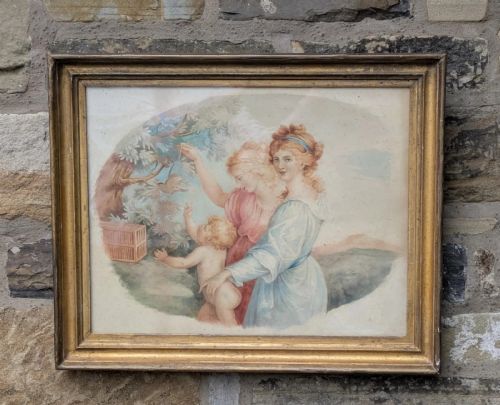
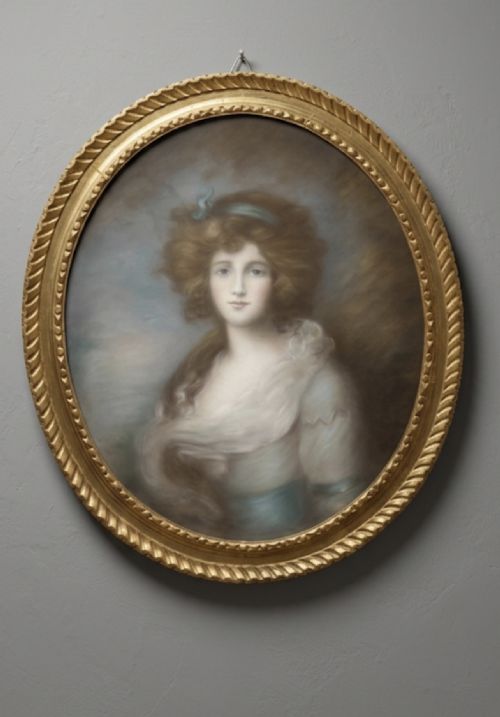
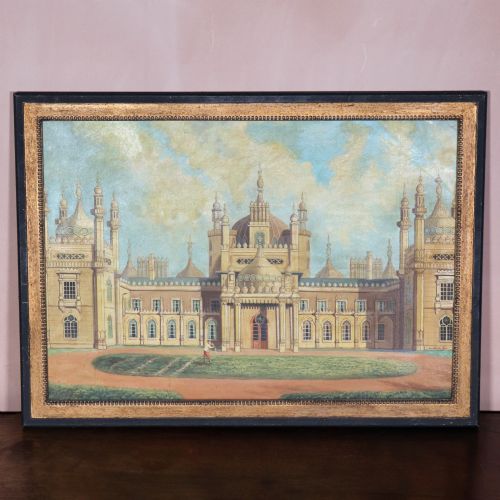
When you search for regency style wall art, you encounter a selection spanning framed prints, oil paintings, watercolours, and porcelain plaques. The period material includes nineteenth-century pieces alongside later revivals, capturing classical scenes and aristocratic portraits.
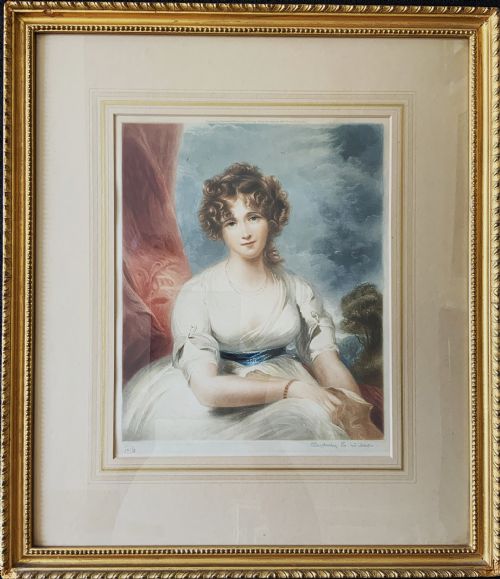
Framed portraits and hand-coloured engravings dominate the selection, often referencing earlier painters such as Sir Thomas Lawrence and George Romney. These works reflect the aesthetic interests of the Regency and Georgian eras through classical subjects and formal compositions.
The objects take various forms, from single oil paintings on canvas to sets of neoclassical illustrations and painted wall plaques. Buyers select these pieces to introduce period character and traditional imagery into domestic interiors.
Materials and techniques
Frames play a primary role in the presentation, utilising giltwood, gold leaf, and traditional wood mouldings. Porcelain plaques introduce fired pigments, while painted dummy boards demonstrate naive woodwork techniques.
Listings include works from the nineteenth century alongside later revivals, utilising oil on canvas, paper, and giltwood frames.
Assessing quality
Quality rests in the execution of the hand, whether in the fine brushwork of an oil portrait or the precision of a mezzotint engraving. Finer examples display accomplished draughtsmanship and subtle handling of light and tone.
The framing contributes significantly to the overall merit, with period giltwood frames enhancing the visual weight of the artwork. Original surfaces and well-preserved paper or canvas distinguish superior pieces from later reproductions.
Sydney Wilson·John Flaxman·George Kilburne·Thomas Gainsborough·Sir Thomas Lawrence
The Regency Style Wall Art Glossary
- Mezzotint
- A printmaking process of the intaglio family, where the plate is roughened to achieve rich tonal gradations in dark areas. It allows for subtle portraits and smooth shadows.
- Giltwood
- Timber that has been coated with a thin layer of gold leaf or gesso and gold paint. It frames many traditional paintings and mirrors.
- Neoclassical
- A style inspired by the classical art and culture of ancient Greece and Rome. It emphasises austere lines and heroic subjects.
- Dummy board
- A painted wooden figure cut to shape to deceive the eye, often depicting a person or animal. These decorative items date from the seventeenth century onwards.
- Engraving
- A printmaking technique where an artist cuts an image into a metal plate with a burin. The resulting lines hold ink for transfer to paper.
Regency Style Wall Art: Frequently Asked Questions
What periods do these wall art pieces represent?
The selection spans from the eighteenth century through the nineteenth century, including the Regency period and Victorian era. Later revivals from the twentieth century also appear.
These dates reflect both original works from the historical periods and subsequent interpretations or printings created in later decades.
How do I identify a genuine period engraving?
Examine the paper quality, plate marks, and any hand-colouring applied to the print. Early engravings often show indentation lines from the printing press plate.
Comparing the style of the engraving and the framing materials helps determine whether the piece originates from the Regency era or a later twentieth-century revival.
Where were these paintings and prints displayed originally?
Portraits and classical scenes hung in drawing rooms, libraries, and formal dining spaces of grand townhouses and country homes. Smaller engravings and watercolours suited intimate parlours.
Today, buyers place them in similar reception rooms and hallways to create a traditional period atmosphere.
Are the frames original to the artwork?
Some pieces retain their period giltwood or wood frames, while others have been reframed at later dates to suit changing tastes. Giltwood frames often show age-related wear to the gold leaf.
Reviewing the construction of the frame and the backing boards provides clues about its age relative to the artwork inside.