
Classic Oil Artwork Framed
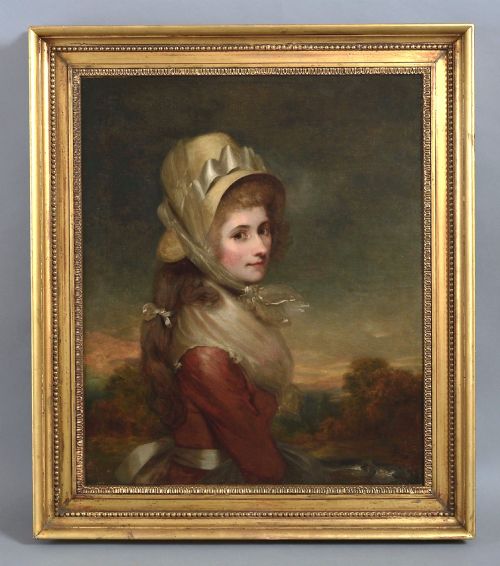
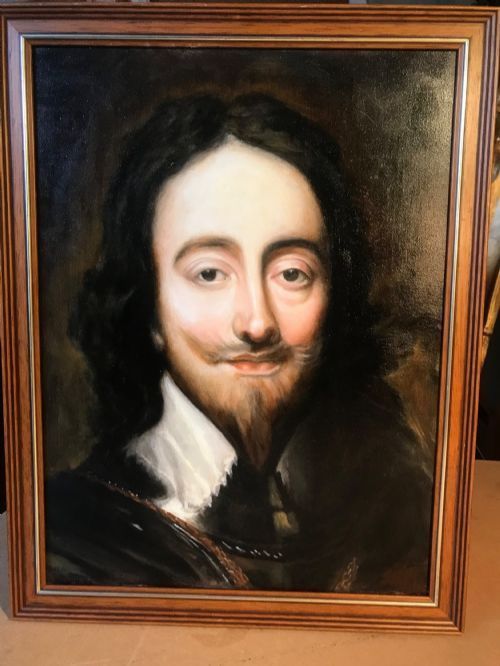
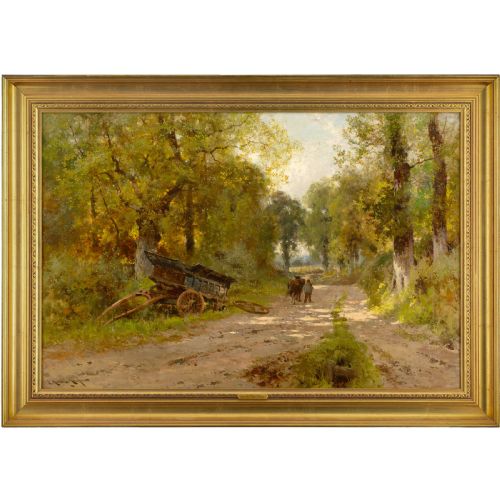
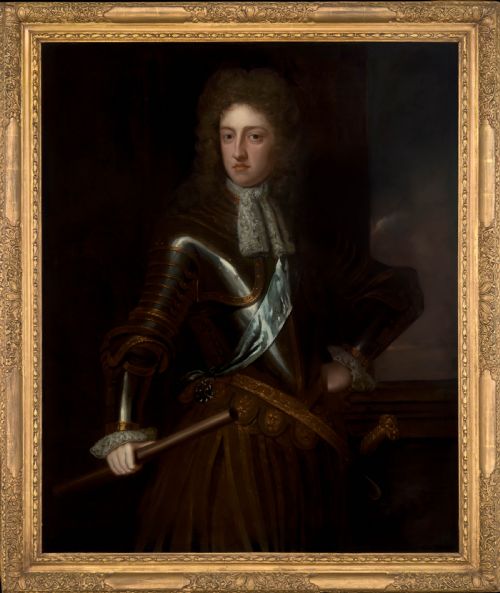
Classic oil artwork framed brings together centuries of painted canvases and wood panels held within decorative borders.
Classic Oil Artwork Framed
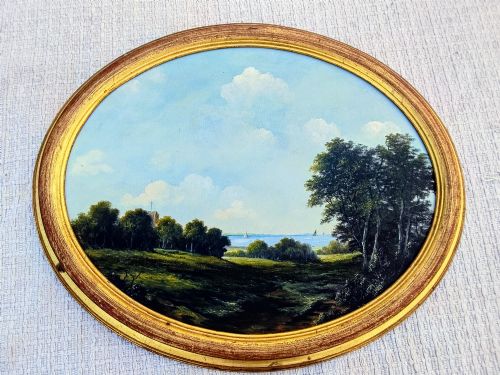
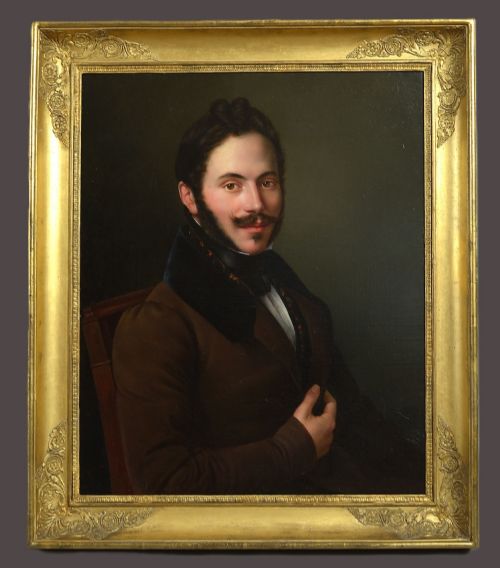
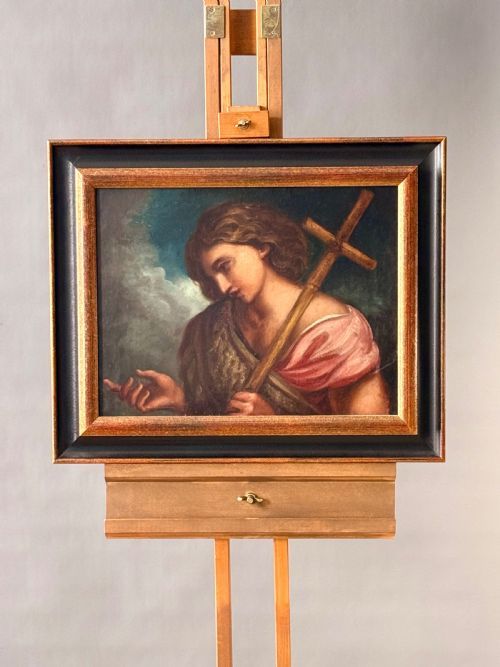
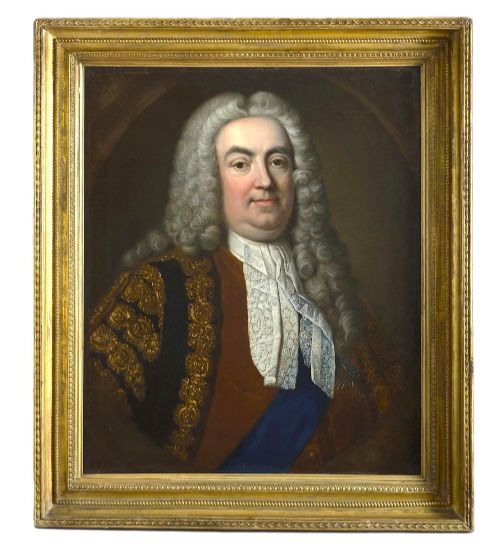
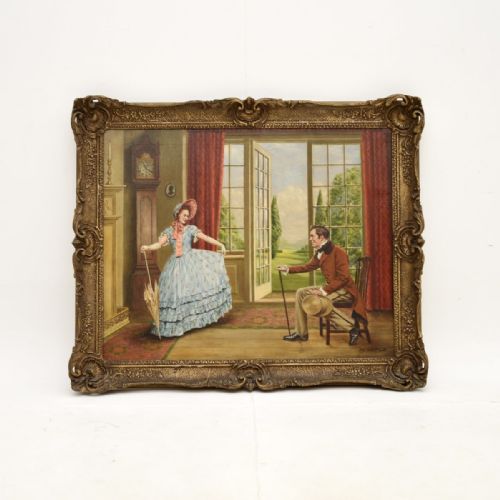
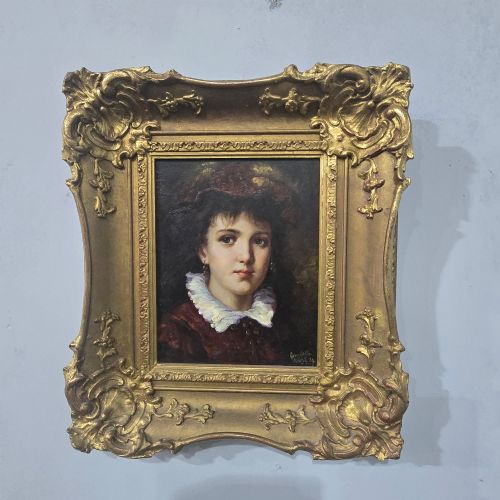
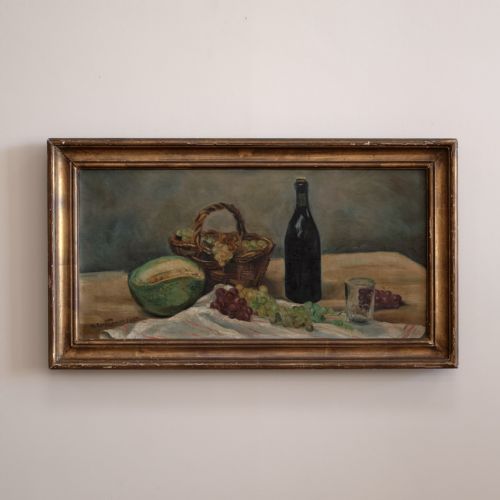
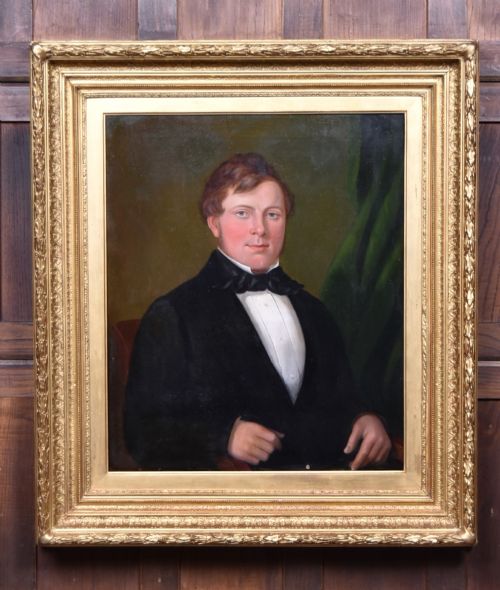
Classic oil artwork framed encompasses paintings executed in oil paint upon canvas or wood panels, enclosed in period housings. The forms span portraits, landscapes, still lifes, and genre scenes created across the seventeenth, eighteenth, nineteenth, and twentieth centuries.
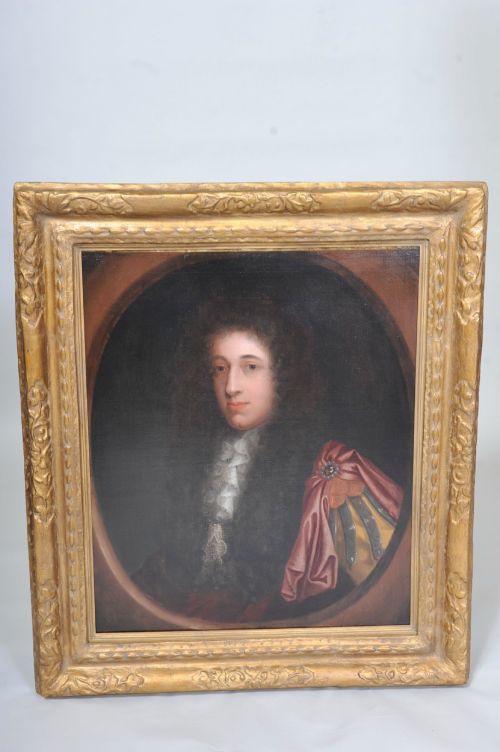
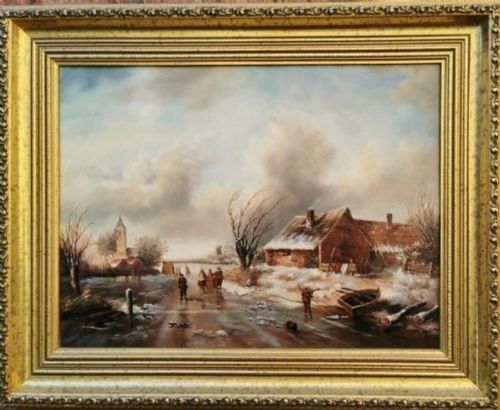
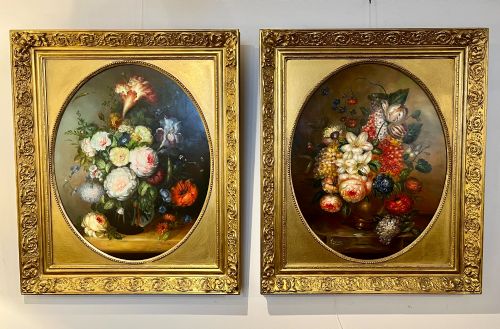
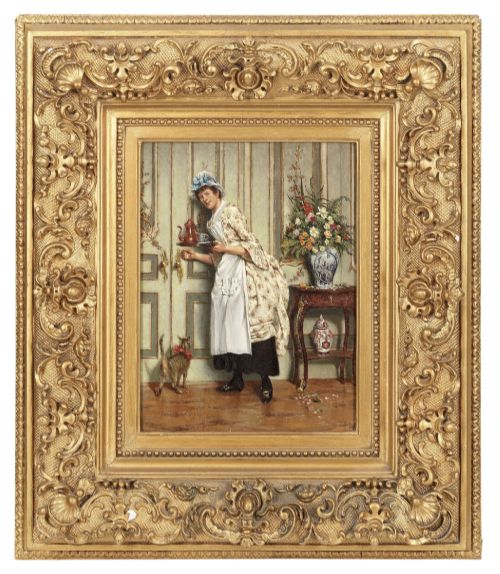
Buyers encountering this selection meet oil paintings set within timber, gesso, and giltwood mouldings. Examples range from seventeenth-century portraits attributed to studio hands through to nineteenth-century landscapes and twentieth-century interpretations of earlier Dutch styles.
How they were made
Artists painted using oil pigment applied to stretched canvas or prepared wooden boards. Canvases record brushwork built up in layers, whilst board supports often capture finer detail in smaller compositions.
Frames rely on wood foundations shaped with gesso and finished in gilt or painted coatings. These housings protect the perimeter of the canvas and provide structural depth to the artwork.
Canvases occasionally record domestic pets stealing food from baskets, capturing centuries of canine mischief.
What varies in quality
Quality rests upon the execution of the painted surface, where confident brushwork, proportion, and tonal depth distinguish master works from routine studio output. The preservation of the original paint layer without extensive overpainting dictates the integrity of the piece.
The relationship between painting and frame influences overall merit, as period-matching mouldings retain the historical context of the artwork. The clarity of the subject matter and the reputation of the recorded artist or school shape the standing of the work.
Sir Martin Archer Shee·Anthony Van Dyck·Sir Godfrey Kneller·Edouard Pingret·Jean Baptiste Van Loo·Alfred Lyndon Grace·Francis Moltino·Edward Ladell·Thomas Spinks·Robert Watson·Nicolaes Maes·Frans Snyders
The Classic Oil Artwork Framed Glossary
- Oil on Canvas
- Pigments suspended in a drying oil, typically linseed, applied to a woven fabric support stretched across a wooden frame. This combination allows for flexible application and enduring colour retention.
- Giltwood
- Timber carved and coated with a thin layer of gold leaf or gilt powder over a prepared gesso base. It forms the decorative border surrounding many historic paintings.
- Gesso
- A plaster-like mixture applied to wooden frame mouldings to create a smooth surface for gilding and carving. It provides crisp detail to the decorative corners and profiles.
- Studio of
- A term denoting a work produced by assistants or pupils under the supervision of a master artist. Such pieces often replicate known compositions from the principal workshop.
- Old Master
- A term used to describe European painters of high skill working before the nineteenth century. These works frequently depict religious, mythological, or portrait subjects in established academic styles.
Classic Oil Artwork Framed: Frequently Asked Questions
Are these paintings original?
The selection includes original oil paintings executed by hand on canvas or wood panels during various historical periods. Many retain their period frames and contemporary signatures or attribution records.
Buyers should examine the medium specified in each listing, as print reproductions occasionally appear alongside unique painted works.
How do I date a frame?
Frame dating relies upon the moulding profile, the composition of the underlying gesso, and the type of gilding used. Earlier frames often feature hand-carved wooden ornament, whilst later Victorian versions utilise moulded composition applied to timber.
Matching the wood shrinkage and wear patterns of the frame to the age of the canvas helps confirm whether the housing is original to the artwork.
What is an English School painting?
An English School designation refers to an anonymous artwork produced in Britain during a specific century. These pieces reflect the prevailing academic and regional styles of British artists active at that time.
Such works often lack a recorded signature but demonstrate technical traits associated with known artistic circles of the period.