




Seventeenth Century Style Art
Seventeenth century style art captures the dramatic flair and rich portraiture of the baroque era for modern interiors.
Seventeenth Century Style Art
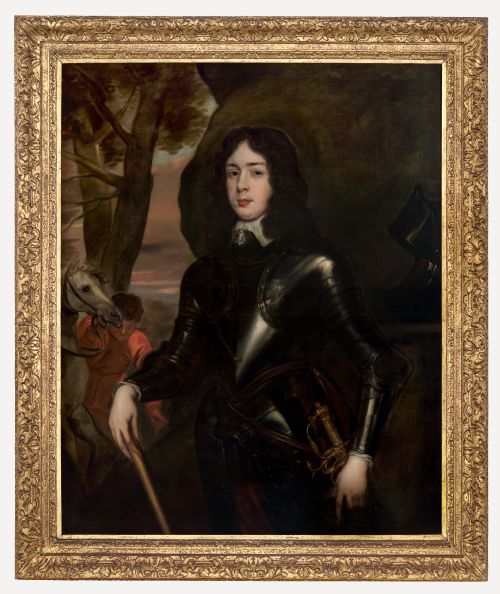
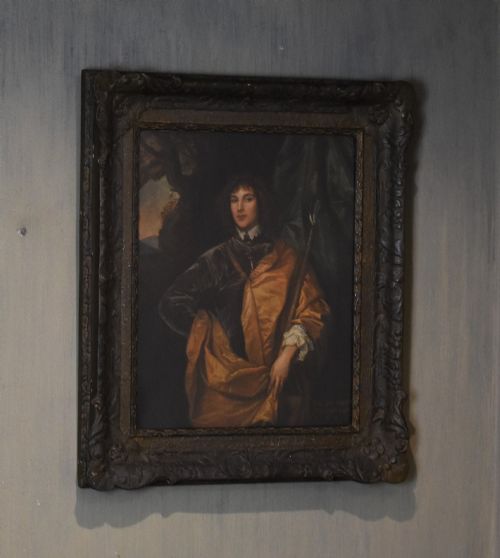
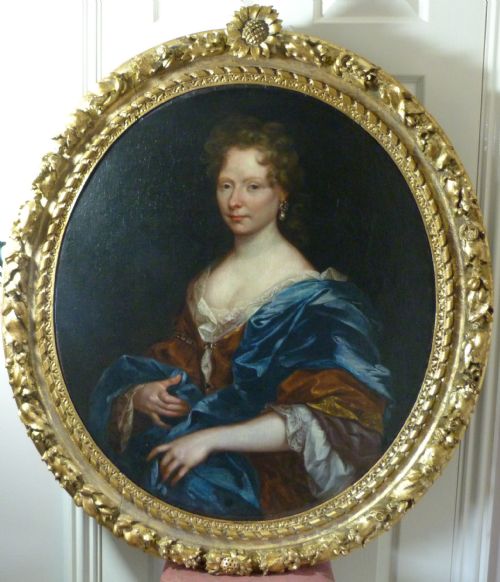
Seventeenth century style art encompasses oil paintings, framed prints, tapestries, and sculptures that reflect the aesthetics of the baroque period and the Dutch Golden Age. Buyers often encounter oil on canvas portraits depicting noblemen, officers in armour, and ladies, alongside mythological scenes and still lifes.
The selection ranges from period works created in the seventeen hundreds and eighteen hundreds to later interpretations from nineteen hundred and nineteen twenty. Pieces span various regional traditions, including the British School, Flemish Baroque, and Italian Baroque.
Materials and construction
Oil on canvas forms the primary medium for these works, applied with techniques that build deep shadows and luminous highlights typical of the baroque style. Artists utilised layered oil paints on stretched canvas to achieve rich skin tones and textile textures.
Giltwood and gold leaf frequently appear in the frames accompanying these artworks, providing a bright border that contrasts with dark oil palettes. Wood serves as the structural base for frames and certain sculptural pieces.
Textile works incorporate woven threads to create detailed decorative cushion covers and wall hangings. Glass protects delicate prints and works on paper within the selection.
Seventeenth Century Style Art Retail Price Guide 2026
Typical asking prices for seventeenth century style art among the pieces listed under this phrase on Sellingantiques today, from the lower quarter to the upper quarter. They describe what is for sale here now, not the wider market.
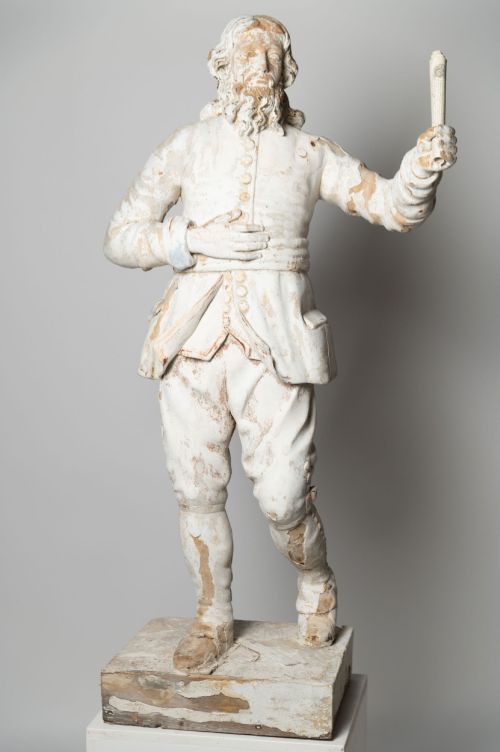
Several portraits depict subjects accompanied by unexpected companions, including horses, grooms, satyrs, cupids, and even a seventeenth-century court dwarf.
Assessing quality in seventeenth century style art
The relationship between the artwork and its frame influences the overall integrity of the piece. Hand-carved giltwood frames that complement the period of the painting elevate the object compared to plain or mismatched borders.
The Seventeenth Century Style Art Glossary
- Baroque
- An artistic style originating in the seventeenth century characterised by movement, drama, and deep contrast between light and dark. It is seen in many of the portraits and mythological scenes listed.
- Oil on canvas
- A painting medium where pigments are suspended in drying oils and applied to a woven fabric support. This technique allows for subtle blending and rich colour depth.
- Giltwood
- Wood that has been treated with a thin layer of gold leaf or gold paint. This material is standard for ornate frames from the period.
- Dutch Golden Age
- A period in seventeenth-century art known for mastery in portraiture, genre scenes, and still life. Works after artists from this era appear frequently.
Seventeenth Century Style Art: Frequently Asked Questions
What is seventeenth century style art?
Seventeenth century style art comprises paintings, prints, and textiles that emulate the dramatic compositions, dark palettes, and detailed portraiture of the baroque era. These works include original period pieces as well as later interpretations inspired by masters like Van Dyck and Rembrandt.
Buyers choose these pieces to add historical gravity and rich visual texture to a room. The category spans oil paintings on canvas, framed prints, and decorative woven hangings.
How do I identify the period of a painting?
Identifying the period requires looking at the materials of the canvas and stretcher, the style of the frame, and any inscriptions on the reverse. Examining the craquelure in the oil paint can also offer clues about the age of the piece.
Many works on this page are later copies or interpretations created in the nineteenth or early twentieth centuries after seventeenth-century originals. Comparing the brushwork to documented examples helps distinguish period pieces from later studies.
Where should I hang these artworks?
These works suit traditional libraries, dining rooms, and studies where rich wood tones and antique furnishings complement their dark palettes. Portraiture and narrative scenes work well as focal points above mantelpieces or along stairwells.
Protect oil paintings from direct sunlight and excessive humidity to preserve the canvas and the giltwood frames. Proper placement ensures the heavy contrasts of the baroque style remain visible.
What subjects are most common?
Portraits of noblemen, military officers, and ladies dominate the selection, often reflecting the influence of painters like Sir Anthony van Dyck. Mythological narratives and still life arrangements also appear across the listings.
These subjects mirror the core interests of patrons during the seventeenth century and the academic artists who studied them later. Each theme offers a window into the decorative values of past centuries.