

Antique Artwork on Canvas
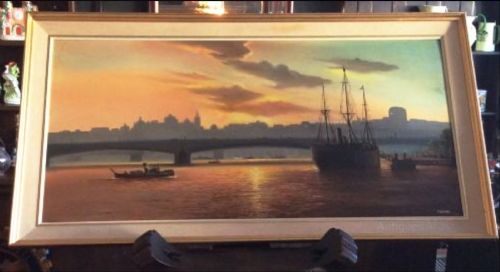
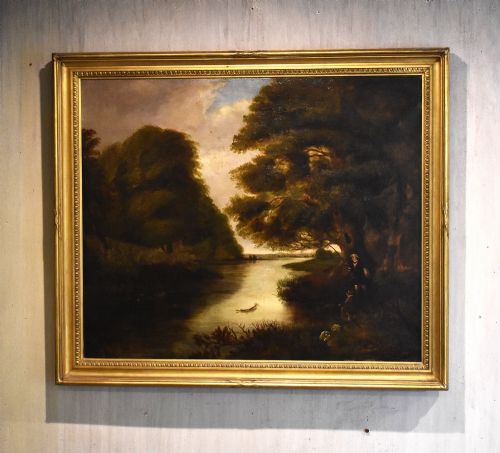
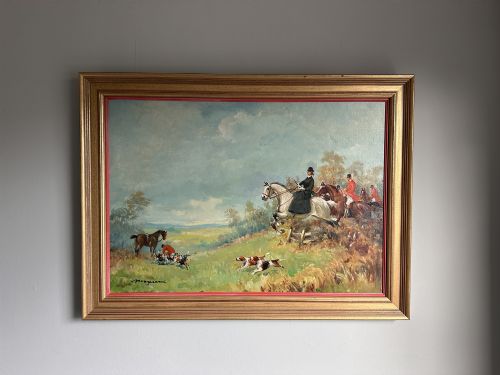
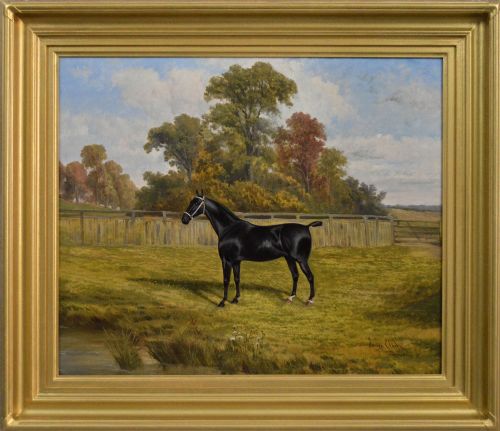
When you search for antique artwork on canvas, you uncover centuries of painted portraits, dramatic landscapes, and classical scenes rendered in oils.
Antique Artwork on Canvas
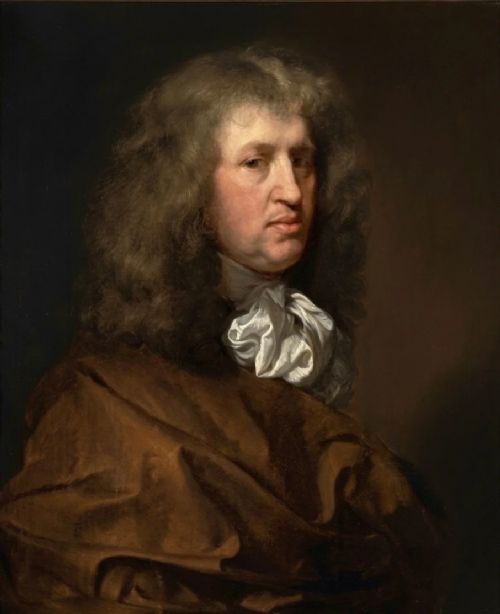
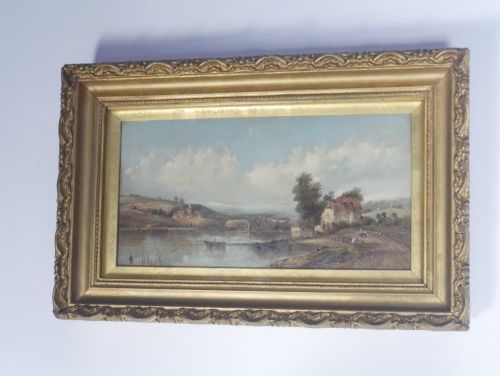
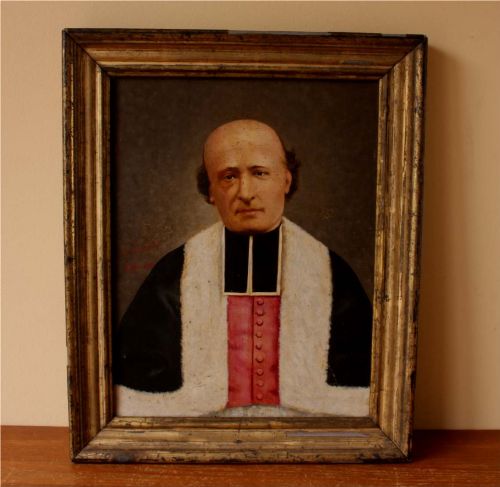
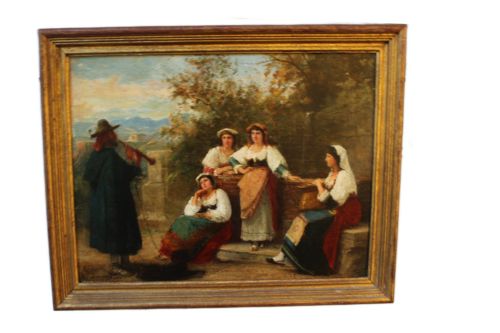
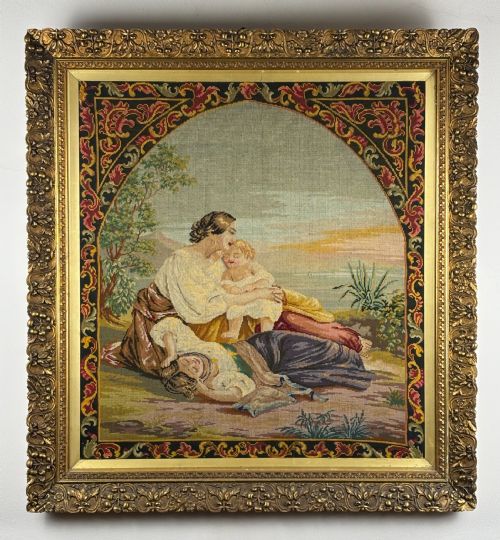
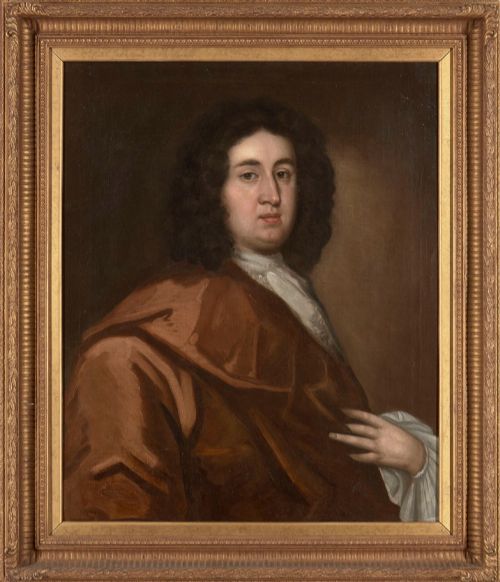
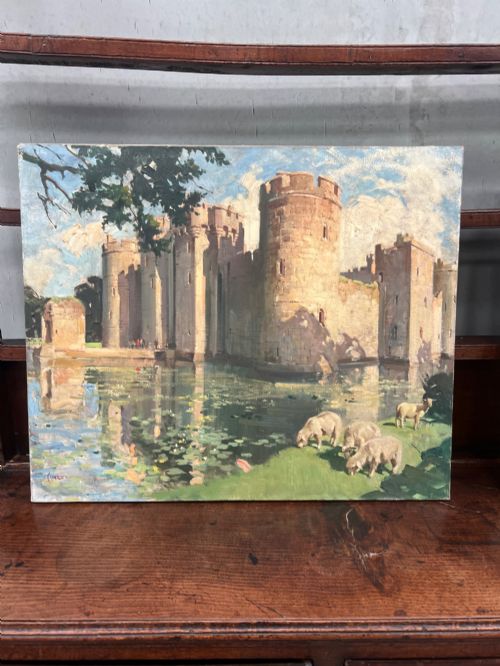
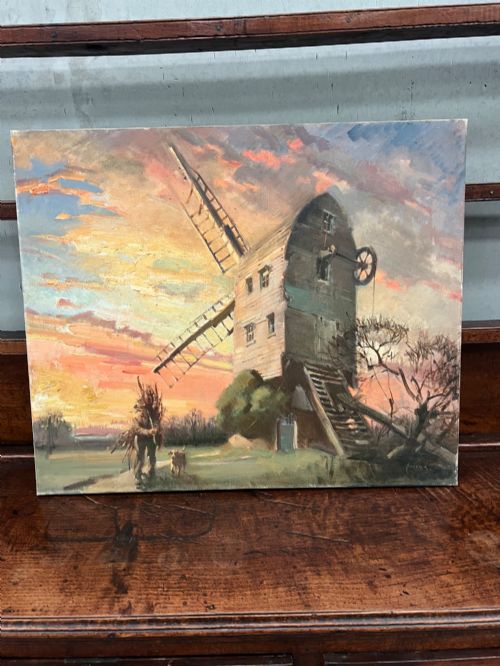
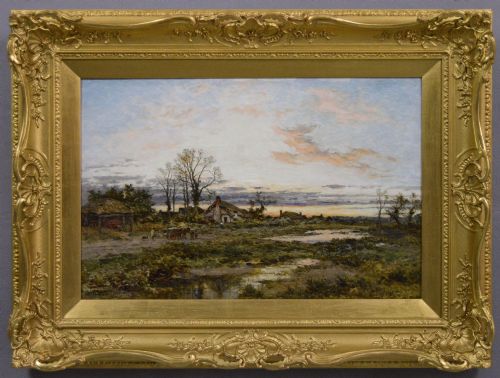
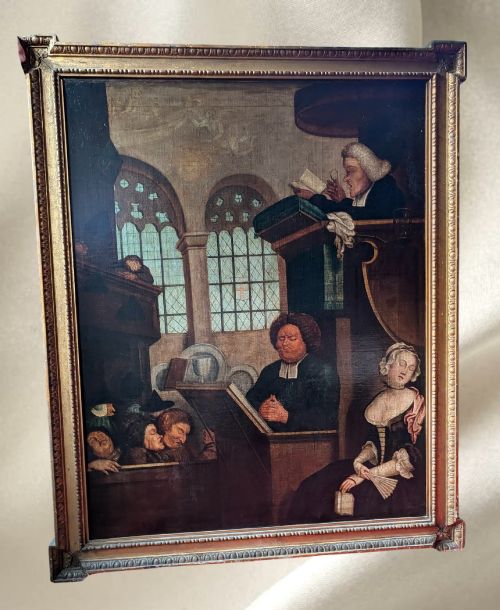
Antique artwork on canvas primarily consists of oil paintings created across the seventeenth, eighteenth, and nineteenth centuries. You will regularly encounter portraits of nobility and everyday figures, romantic landscapes, and pastoral scenes.
The selection ranges from British and European school works to expansive coastal views and intimate still lifes. These canvases carry the aesthetic marks of periods including the Baroque, Georgian, and Victorian eras.
How they were made
Artists painted primarily using oil on canvas, applying rich oil pigments to prepared woven textiles stretched over wooden frames. Many of these historical works are housed in their original giltwood or gold leaf frames.
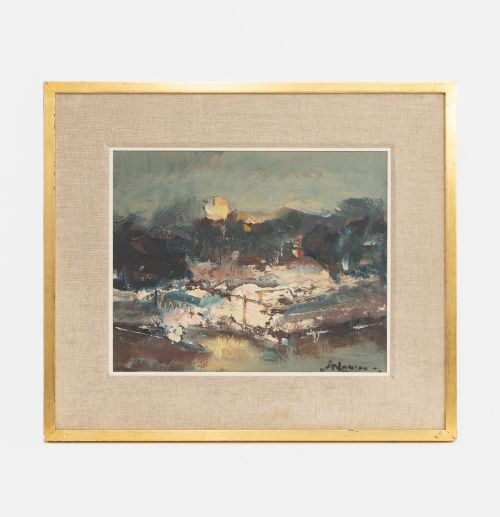
Makers layered oil paint to build depth, texture, and light, utilising fine brushes for detailed portraiture and bolder strokes for dramatic seascapes or impasto landscapes.
Antique Artwork on Canvas Retail Price Guide 2026
Typical asking prices for artwork on canvas among the pieces listed under this phrase on Sellingantiques today, from the lower quarter to the upper quarter. They describe what is for sale here now, not the wider market.
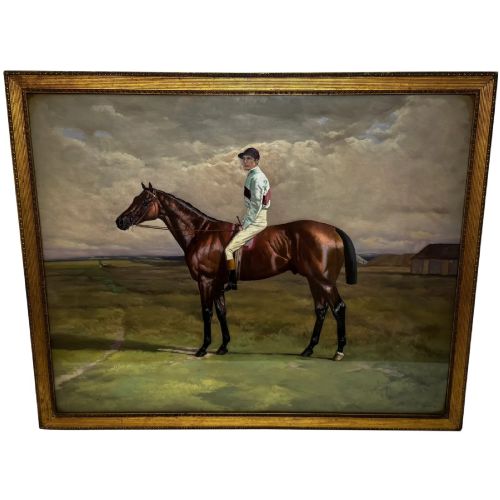
Several canvases quietly preserve the likenesses of long-forgotten family pets, prized racing pigeons, and devoted sheepdogs.
What varies in quality
The mastery of anatomy, facial expression, and light handling distinguishes exceptional portraiture from standard workshop output. Superior works demonstrate precise control over shadow and form, particularly in the rendering of textiles and skin tones.
Framing and material preservation also influence the standing of a piece. Original period gilt wood frames that complement the canvas enhance the overall integrity of the artwork.
Henry Barraud·Sir Joshua Reynolds·Charles Antoine Coypel·Jean Baptiste Van Loo·Sir Peter Lely
The Antique Artwork on Canvas Glossary
- Oil on Canvas
- A painting medium where pigments are suspended in drying oils and applied to a woven canvas support. This technique allowed artists to blend colours smoothly and achieve rich luminosity.
- Impasto
- Paint applied thickly to a canvas so that it stands out from the surface. This technique leaves visible brush or palette knife strokes that add physical texture to the artwork.
- Giltwood
- Wood that has been decorated with gold leaf or gold paint. It is commonly found on ornate antique picture frames enclosing historical canvases.
- Old Master
- A term for a European painter of high skill working before about eighteen hundred. These works often carry religious, mythological, or portrait subjects.
- School
- A group of artists working in a particular style, region, or period, often under the influence of a master. Attributions to a specific school denote stylistic lineage rather than a direct signature.
Antique Artwork on Canvas: Frequently Asked Questions
How do I date an antique canvas?
Dating relies on examining the weave of the canvas, the composition of the stretcher frames, and the pigments used by the artist. Stylistic clues in clothing, hair, and furniture within portraits also provide reliable chronological markers.
Historical records, signatures, and framing styles help narrow down the decade or century of creation. Comparing the work to documented pieces by regional schools offers further confirmation.
How should I care for an oil painting?
Keep the canvas away from direct sunlight and fluctuating humidity to prevent the paint layer from cracking or warping. Gentle dusting with a soft, dry brush is usually sufficient for routine maintenance.
Avoid using water or chemical cleaners on the painted surface or the gilt frame. Professional conservation is recommended for any structural repairs or deep cleaning.
What is an oil study?
An oil study is a preliminary painting created by an artist to test colours, lighting, or composition before executing a larger, finished work. These pieces often capture a spontaneous energy that appeals to collectors.
Because they were working out visual ideas, artists frequently painted them rapidly on smaller canvases or panels. They offer a direct window into the creative process of historical painters.
Why are some portraits attributed to a school?
Attributions to a specific school indicate that a painting was produced by an anonymous follower or within the workshop of a prominent master. This terminology reflects the collaborative nature of historical art production.
Such works share the technical methods and aesthetic characteristics of a recognised tradition without bearing a verifiable signature. They represent the broader artistic culture of a specific time and place.