
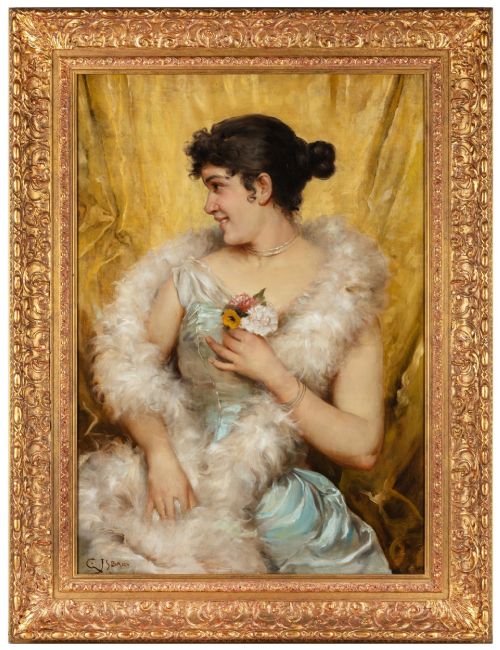
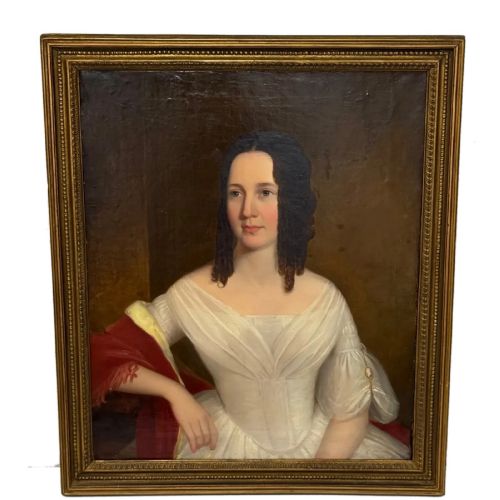
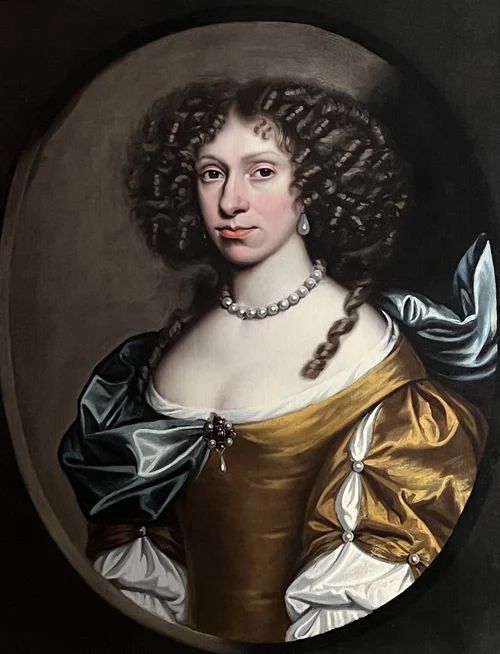
Original Portrait Artwork
Original portrait artwork brings centuries of character into a room through hand-rendered oil, watercolour, and pastel depictions of real people and animals.
Original Portrait Artwork
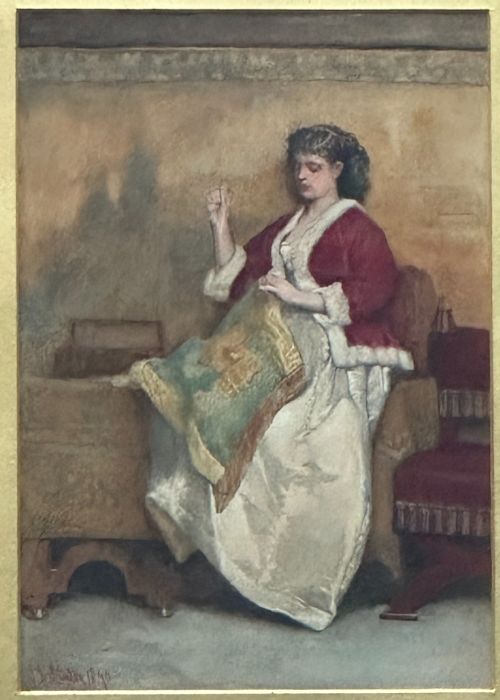
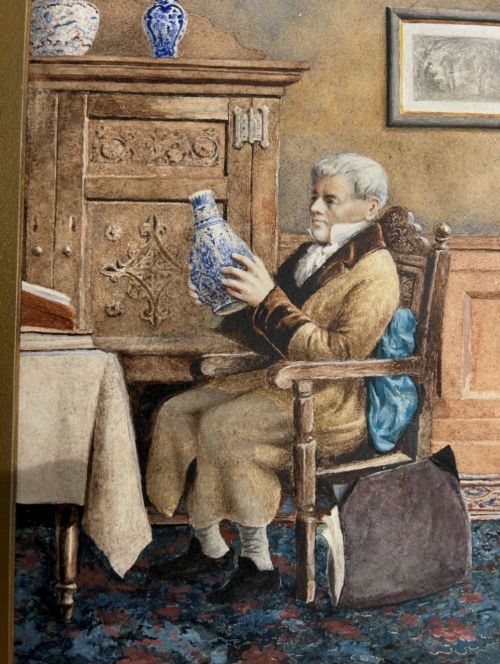
When searching for original portrait artwork, collectors encounter hand-painted, drawn, or printed depictions created directly by artists across several centuries. The selection spans formal oil paintings on canvas and panel, delicate watercolours on paper, pastels, and framed engravings from the seventeenth century onward.
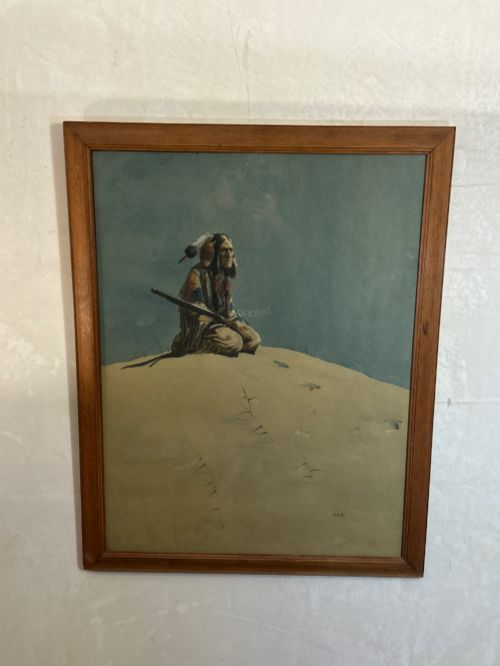
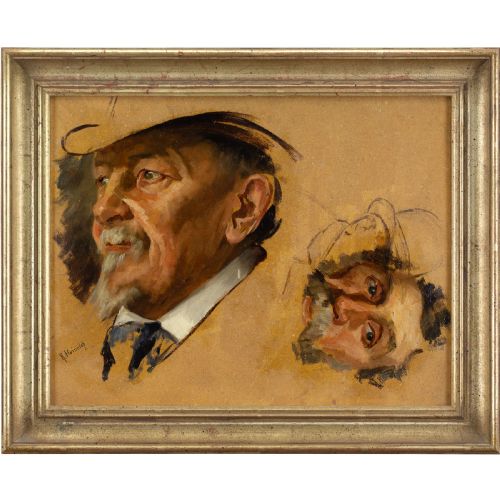
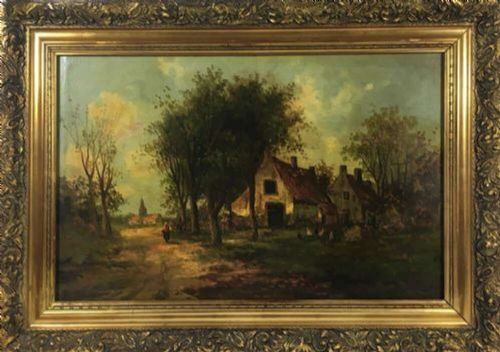
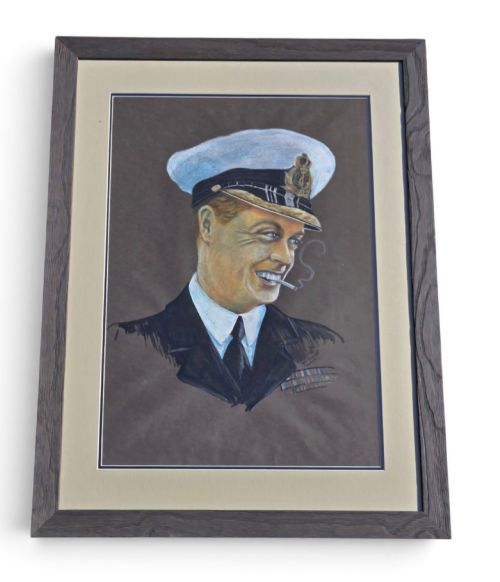
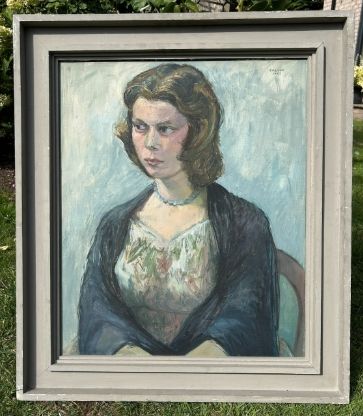
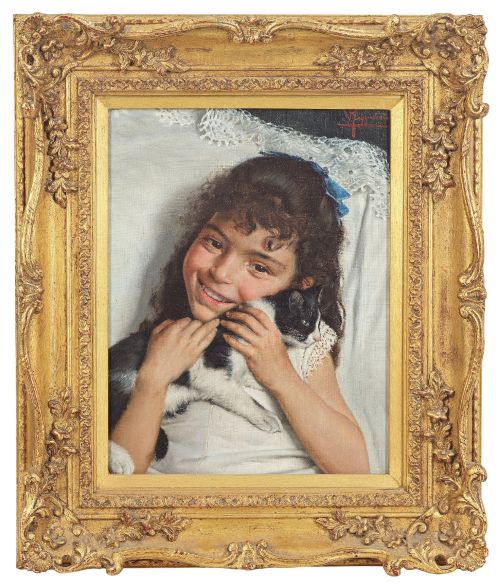
Most pieces met on this page date from the nineteenth and twentieth centuries, taking the form of framed wall art, oil paintings, and character studies. These range from Victorian oil portraits of gentlemen and Regency depictions of families to mid-century modern works and animal studies.
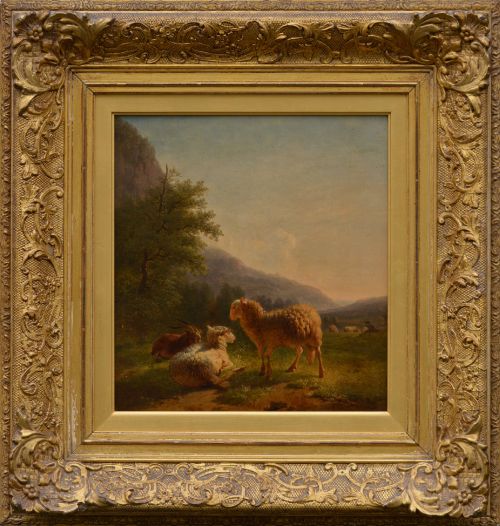
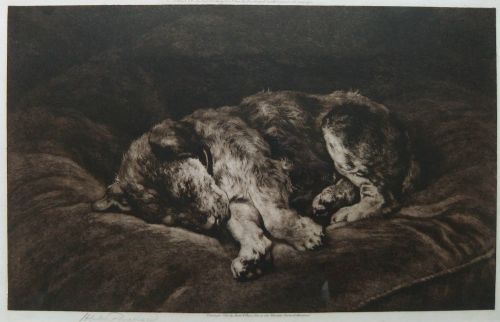
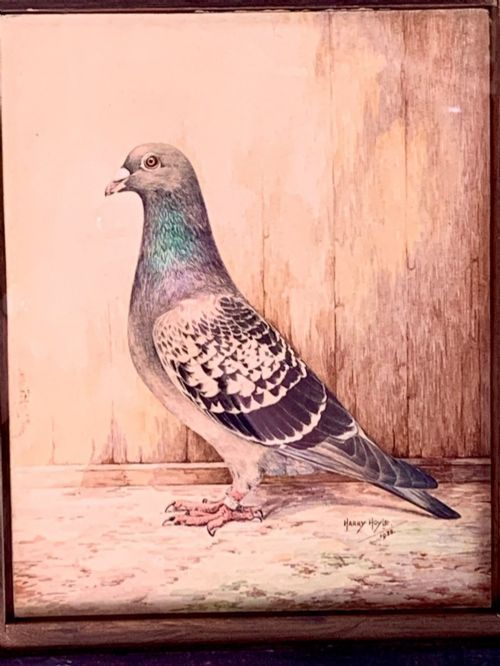
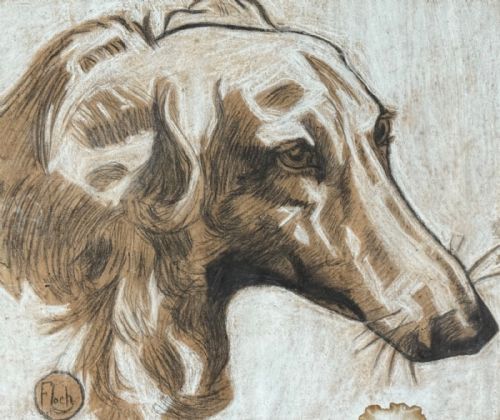
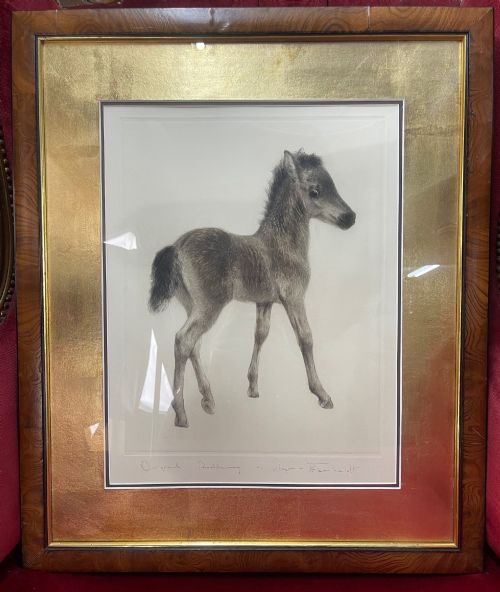
Subjects extend beyond human sitters to include notable horses, dogs, and domestic scenes captured by British and European schools. Each piece represents a unique historical record executed by hand rather than a mass-produced reproduction.
Materials and methods
Artists relied primarily on oil on canvas, oil on panel, watercolour, and pastel on paper to capture their subjects. Canvases were stretched across wood frames and occasionally housed in giltwood surrounds, while works on paper utilised glass for protection.
Techniques varied from meticulous nineteenth-century realism to looser modernist strokes in gouache, pencil, and drypoint. Pigments were applied with brushes or crayons to build depth, texture, and light within the likeness.
Listings feature works spanning the 17th century through the mid-20th century, utilising oil, watercolour, pastel, and gouache.
Determinants of quality
Quality rests upon the artist's ability to render expression, proportion, and texture convincingly within the chosen medium. Finer works display confident brushwork or draftsmanship that breathes life into the sitter, whereas lesser pieces remain stiff and formulaic.
The integrity of the original support, the preservation of the pigments, and the suitability of the framing contribute significantly to a piece's standing. Works that retain their original mounting and show minimal pigment degradation command greater appreciation.
Joseph Clover RA·David Scougall·Sir James Dromgole Linton·Herbert Dicksee·John Hassall·Kurt Meyer-Eberhardt·Albert Clark·John Opie RA·Adelaïde Salles-Wagner·Frank Dobson·Joseph Biel·Herbert Ashwin Budd·William Blake Richmond·Stephen Pearce
The Original Portrait Artwork Glossary
- Oil on canvas
- Pigments bound in a drying oil applied to a woven fabric stretched over a wooden frame. This medium allowed artists to achieve rich depth and luminosity.
- Watercolour
- A paint consisting of colour suspended in a water-soluble binder, traditionally applied to paper. It yields translucent washes that capture soft light and immediate expression.
- Pastel
- A powder pigment stick used for drawing, producing velvety textures and subtle tonal gradations. These works require glass protection to prevent smudging.
- Drypoint
- A printmaking technique where an image is scratched directly onto a metal plate with a sharp needle. This process creates distinct, velvety burrs along the printed lines.
- Giltwood
- Wood that has been coated with a thin layer of gold leaf or gilt powder. It is frequently found on antique framing.
Original Portrait Artwork: Frequently Asked Questions
How do I care for antique portraits on paper?
Keep watercolours and pastels away from direct sunlight to prevent the fading of delicate pigments. Ensure they are framed securely behind glass with acid-free backing to protect the paper from moisture and humidity.
Avoid hanging them in damp rooms such as kitchens or bathrooms. Periodic checks by a professional paper conservator will help preserve the medium.
What is the difference between an oil painting and a pastel portrait?
Oil paintings utilise pigments suspended in oil on canvas or panel, offering a durable surface that can be gently cleaned and is less prone to immediate surface damage. Pastels consist of pure powdered pigment pressed into sticks, resulting in a soft, matte finish on paper that requires glass protection.
While oils capture deep shadows and rich textures through layered brushwork, pastels excel at soft flesh tones and immediate, intimate character studies.
How can I tell the period of a portrait?
Clothing, hair styling, and framing styles offer the most reliable clues to a portrait's era. Examining the stretcher bars, canvas weave, and paper type can also help confirm the age of the materials used.
Signatures, dates, and inscriptions on the reverse of the canvas or frame often provide direct evidence of the artist and the year of creation.
Where should I hang original portrait artwork?
Portrait artwork suits spaces where people gather, such as living rooms, dining rooms, or hallways, bringing a sense of history and human presence to an interior. Grouping smaller studies together creates a striking gallery wall.
Select a wall with stable ambient temperatures and indirect light to protect the canvas, wood, or paper from environmental strain.