
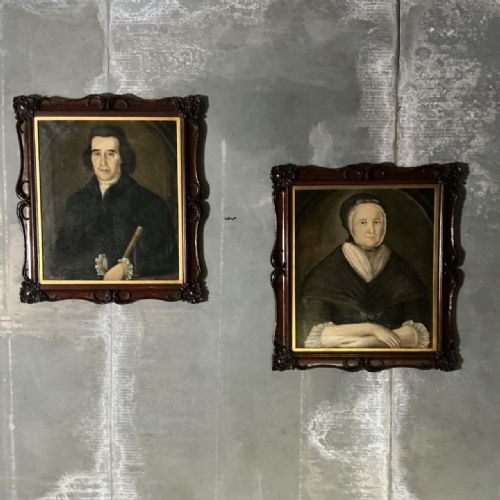

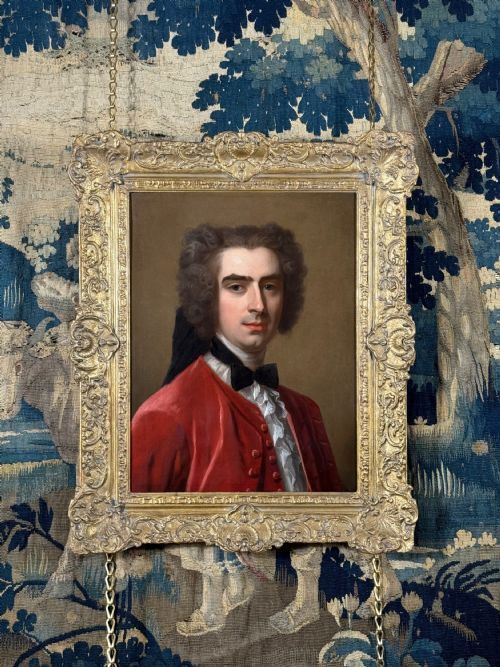
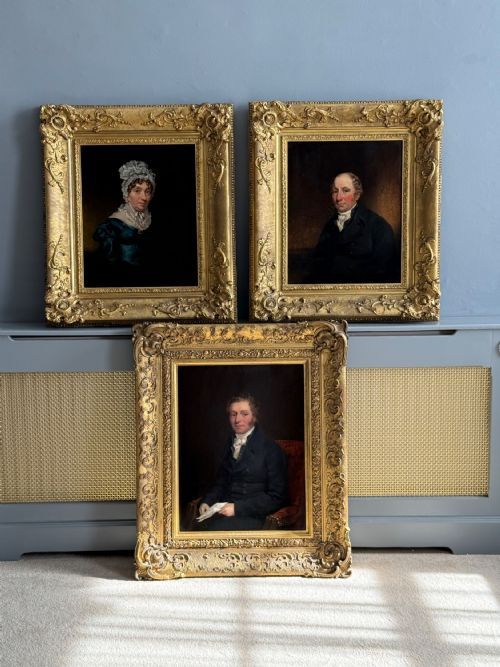
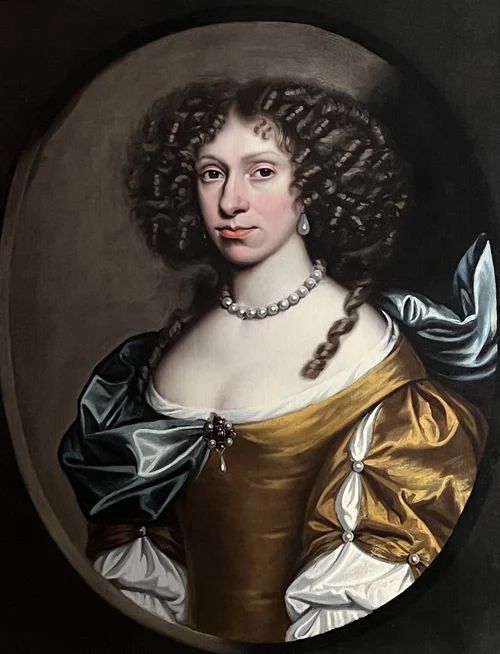
Antique Oil Portrait Art
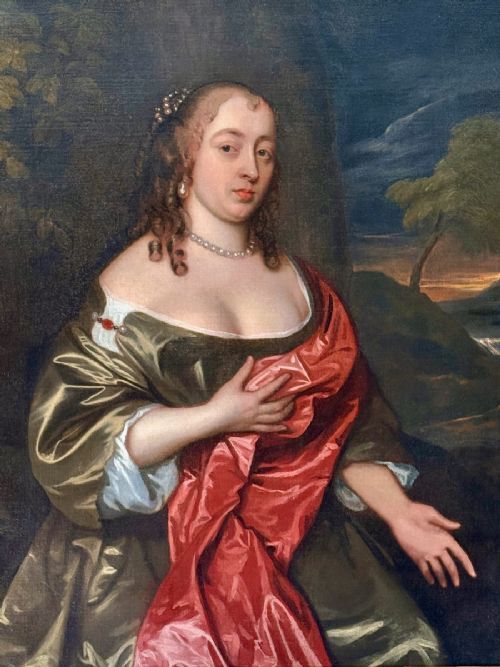
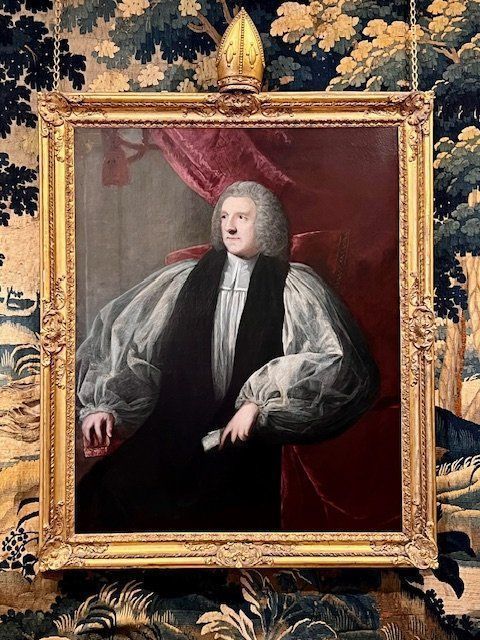
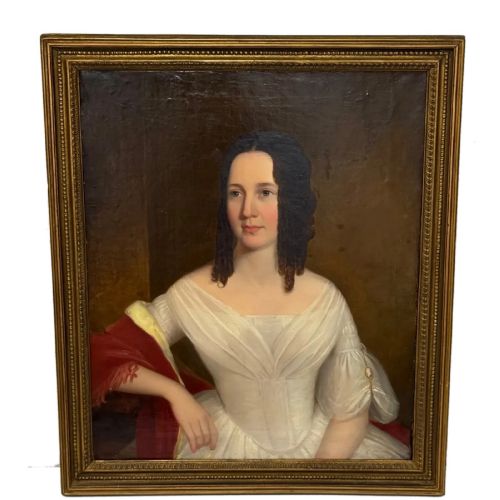
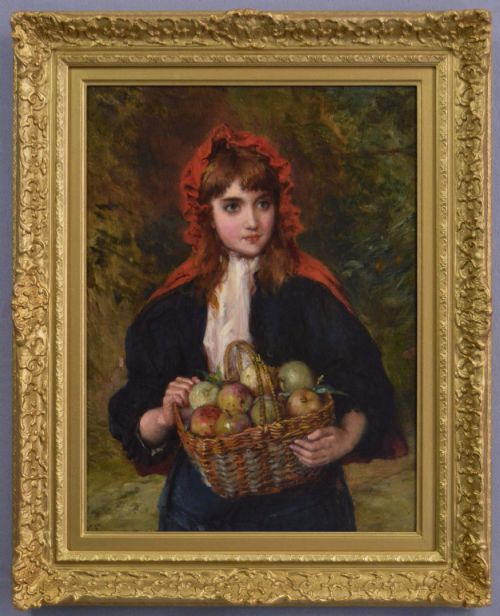
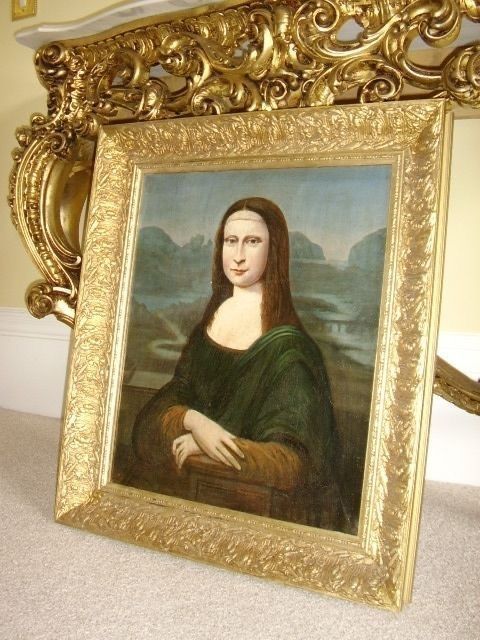
Antique oil portrait art brings centuries of individual likenesses, nobility and everyday sitters into modern interiors.
Antique Oil Portrait Art
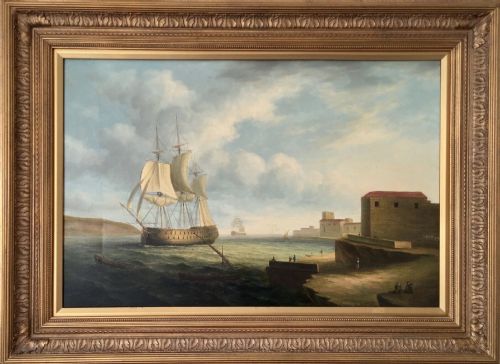
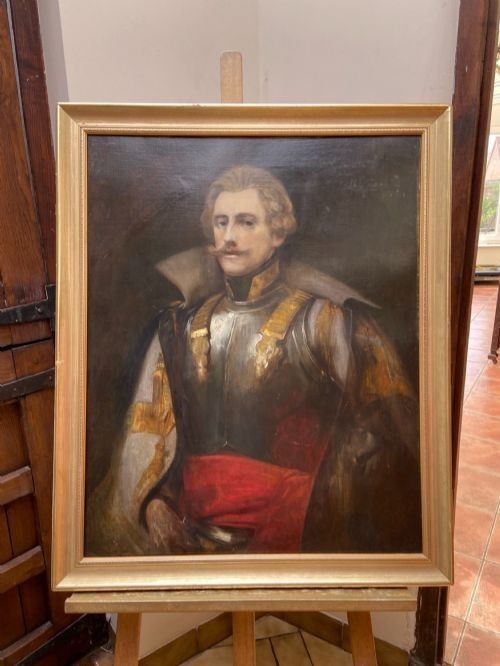
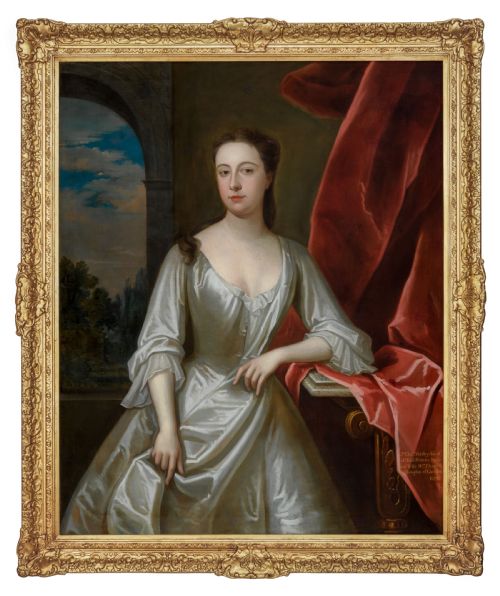
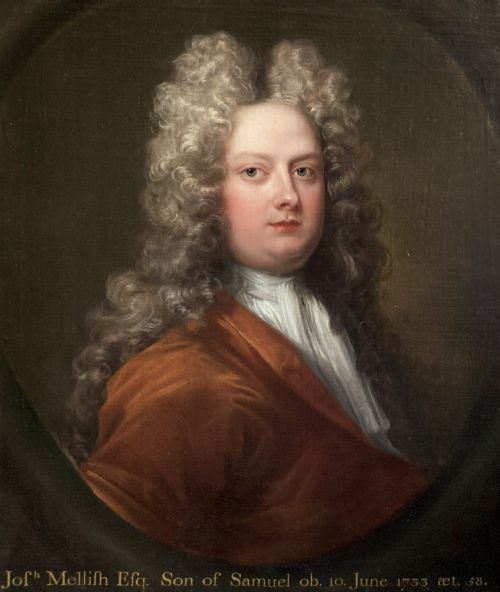
Most pieces on this page originate from British and European schools, rendered on stretched canvas or wooden panels. Subjects range from named historical figures and nobility to anonymous sitters, children, and animals captured by regional artists.
How they were made
Painters built these works using oil paint applied to prepared canvas supports or wood panels, often set within heavy carved giltwood frames. The technique relies on layering translucent oil glazes to achieve depth in skin tones and rich textures in costume details.
Support materials varied according to the period, with seventeenth- and eighteenth-century makers favouring tight-weave canvas while panel supports appear frequently across various eras. Frames utilise carved wood finished with gold leaf or gilding.
Antique Oil Portrait Art Retail Price Guide 2026
Typical asking prices for oil portrait art among the pieces listed under this phrase on Sellingantiques today, from the lower quarter to the upper quarter. They describe what is for sale here now, not the wider market.
Several portraits thoughtfully include the sitter's pet dog peering out from the lower corner.
What varies in quality
The standard of a portrait rests upon the artist's ability to render facial anatomy, proportion, and psychological depth with precision. Master works capture lifelike expressions and intricate fabrics, whereas naive folk art pieces display a charmingly flat perspective.
Provenance and attribution elevate certain pieces, particularly those linked by signature, inscription, or scholarly consensus to documented painters and prominent workshops. Condition of the pigment layer and original canvas tension also differentiate examples.
Sir Godfrey Kneller·Charles Jervas·Sir Joshua Reynolds·Sir Peter Lely·Bartholomeus van der Helst
The Antique Oil Portrait Art Glossary
- Oil on Canvas
- Pigments suspended in a drying oil medium applied to a woven fabric support. This combination allowed artists to blend tones smoothly and work on a grand scale.
- Giltwood
- Wood carved and coated with a thin layer of gold leaf or metallic paint. It provides opulent framing that reflects candlelight and complements formal compositions.
- Circle of
- A term denoting an artist working closely alongside a master and absorbing their exact style. These works date from the same period as the named master.
- Attributed to
- A designation used when experts believe a work is by a specific hand based on stylistic evidence. It implies strong probability without absolute documentary proof.
- Panel
- A flat wooden board utilised as a rigid painting support before canvas became standard. Oak and mahogany were frequently selected for this purpose.
Antique Oil Portrait Art: Frequently Asked Questions
How do I date an old oil portrait?
Dating relies heavily on the sitter's costume, hairstyle, and the construction methods of the canvas or wooden panel. Frame styles and handwritten inscriptions on the reverse also provide chronological clues.
Expert examination of pigment types helps confirm whether a painting belongs to the seventeenth, eighteenth, or nineteenth century.
Where should I hang a canvas portrait?
These works suit traditional reception rooms, libraries, and stairwells where adequate wall space allows the composition to anchor the room. Ensure the chosen spot avoids direct, harsh sunlight to protect the oil pigments.
Pairing the painting with period furniture enhances the historical atmosphere of the interior space.
What is the difference between attributed and signed works?
A signed portrait bears the actual signature of the artist who painted it, offering direct evidence of authorship. Attributed works lack a signature but display distinct stylistic traits linking them to a known master.
Both categories command respect among collectors depending on the strength of the visual evidence.