
19th Century Figurative Art
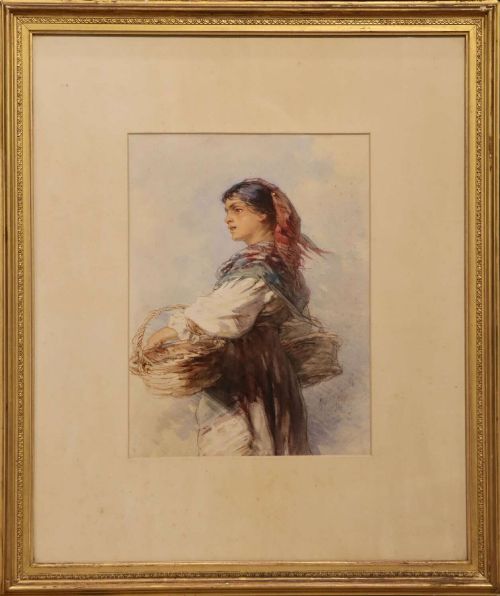
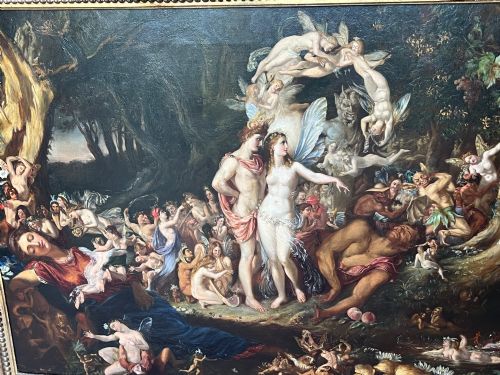
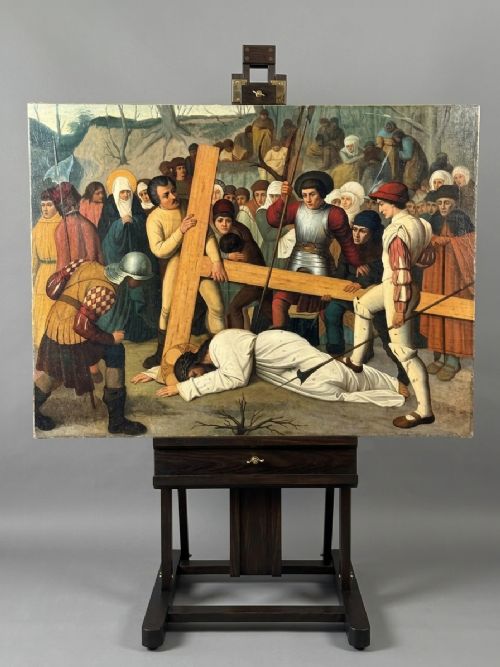
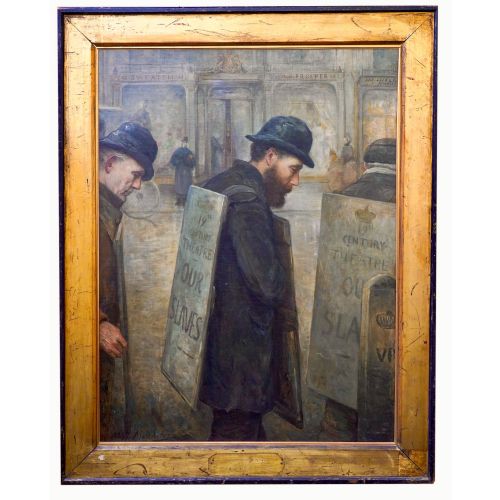
When you explore 19th century figurative art, you are looking at oil paintings, watercolours, and bronze sculptures that capture human narratives from the Victorian and academic eras.
19th Century Figurative Art
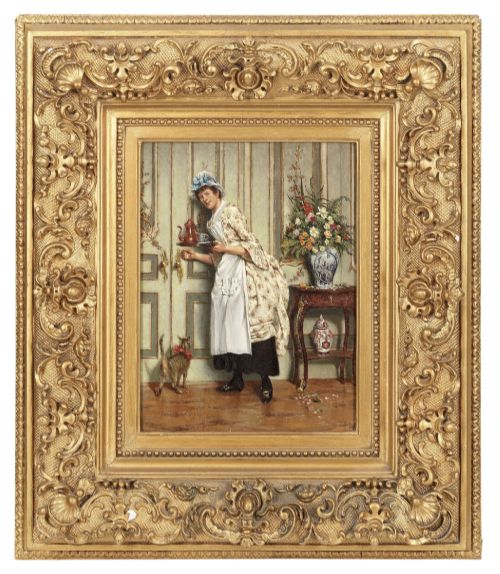
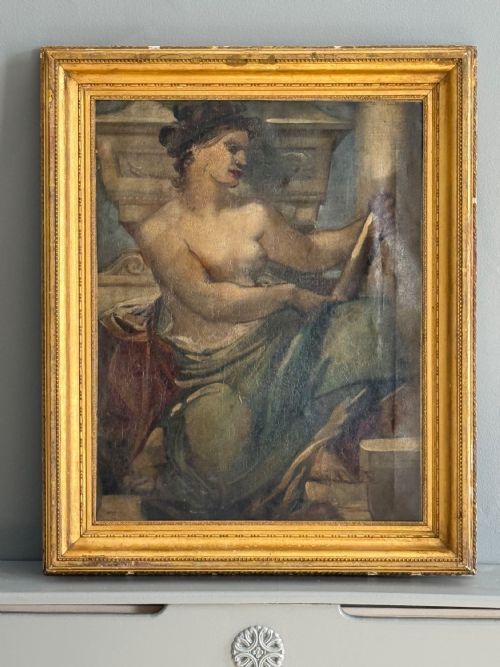
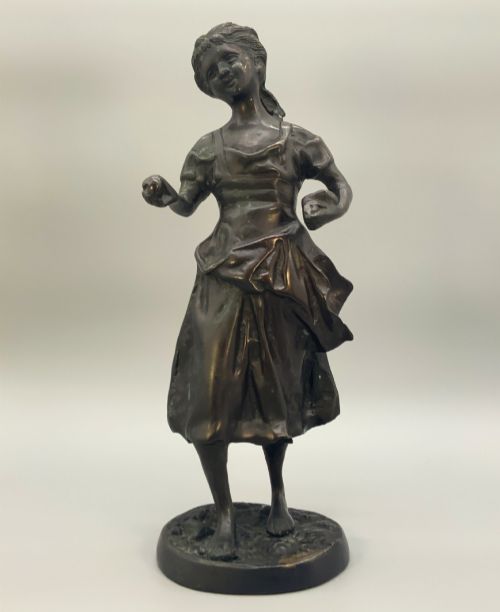
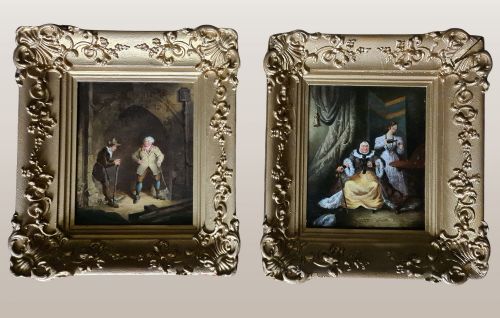
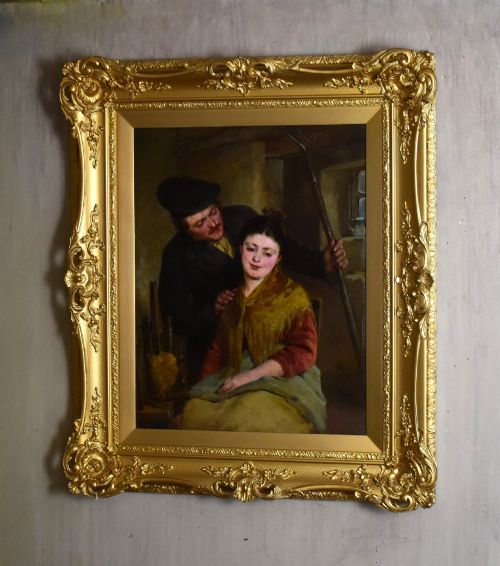
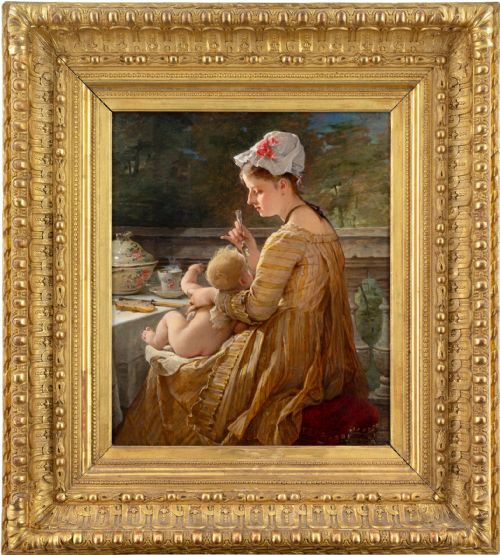
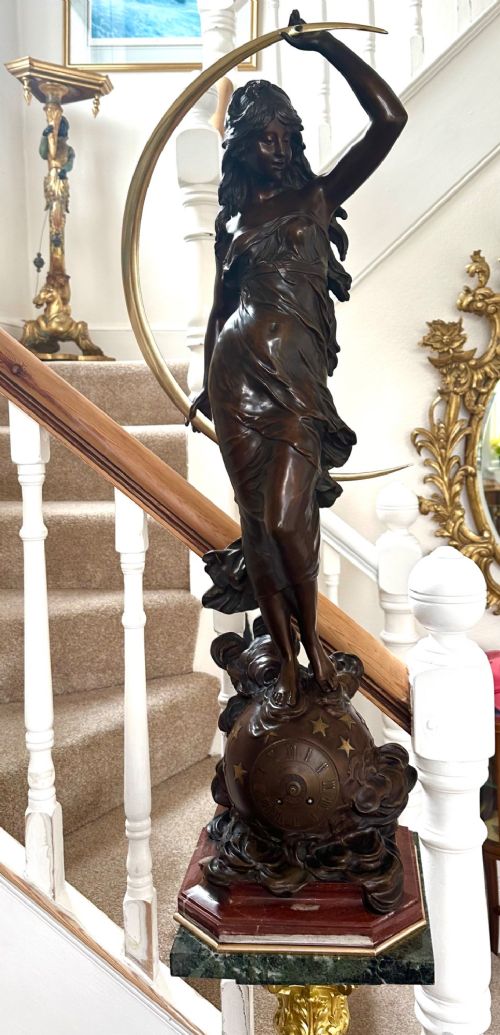
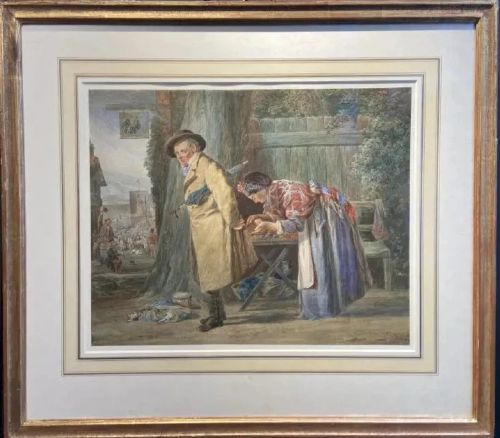
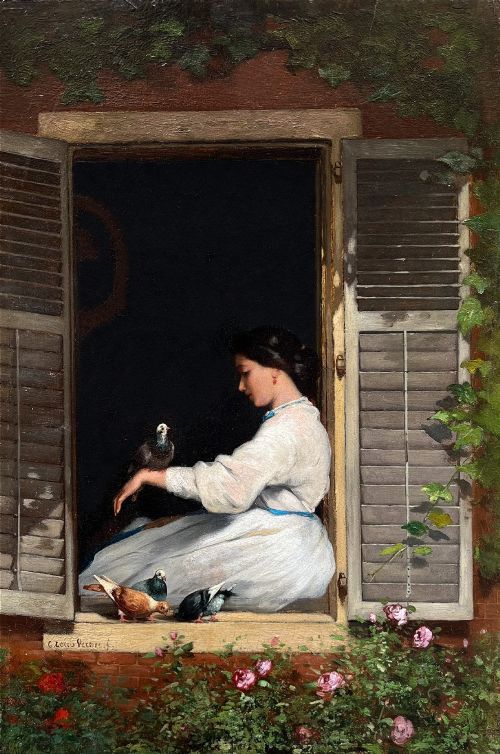
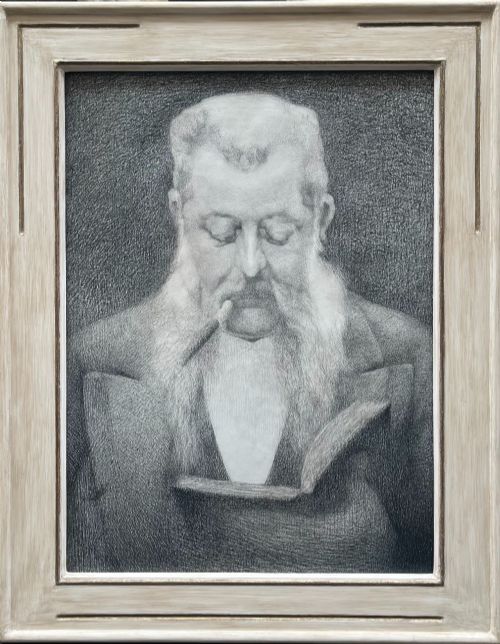
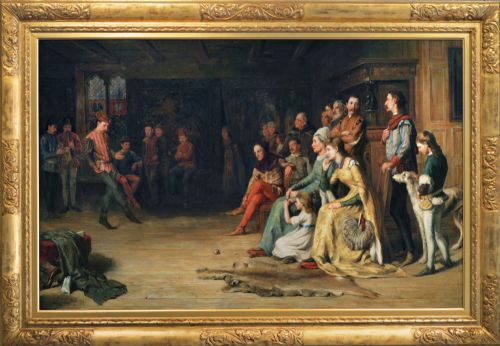
When you search for 19th century figurative art, you encounter a diverse range of works focused on the human form, from detailed oil paintings of domestic interiors to bronze sculptures of mythological figures. The pieces on this page span the Victorian period, the 1880s, and the 1890s, capturing social history, portraiture, and genre scenes of everyday life.
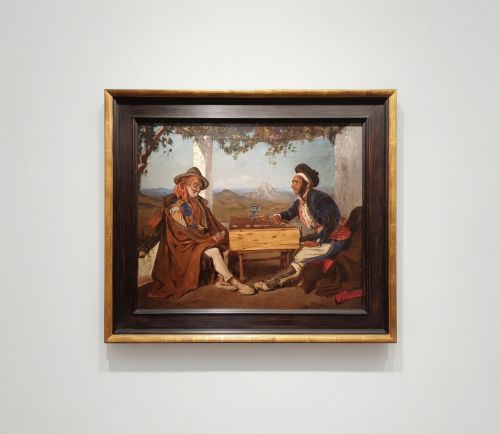
You are most likely to meet framed oil paintings on canvas depicting narrative subjects, such as card players, children, and romantic encounters in park settings. Alongside these canvases, bronze figures and watercolours form a significant portion of the available selection, reflecting both British and continental European traditions.
How They Were Made
The paintings in this collection rely primarily on oil paint applied to canvas or wood panels, often complemented by gesso frames and giltwood surrounds. Watercolours on paper also appear, showcasing meticulous brushwork and fine detail typical of the period.
19th Century Figurative Art Retail Price Guide 2026
Typical asking prices for 19th century figurative art among the pieces listed under this phrase on Sellingantiques today, from the lower quarter to the upper quarter. They describe what is for sale here now, not the wider market.
Listings span the nineteenth century and early twentieth century, incorporating oils, watercolours, bronze, and walnut wood across realist and academic styles.
What Varies in Quality
The standard of a piece depends on the dexterity of the brushwork and the expressive depth achieved in the human subjects. Finer oil paintings exhibit nuanced handling of light and shadow, particularly in interior scenes and skin tones.
In bronze sculptures, the crispness of the casting and the sensitivity of the chasing determine the refinement of the final object. Works by documented academic and realist makers display superior anatomical accuracy and compositional balance.
Guido Bach·Sir Joseph Noel Paton·Felix Stone Moscheles·Stephen Samuel Lewin·Adelaïde Salles-Wagner·August Moreau·Howard Helmick·James Hamilton·Umberto Volpato·Renato Moretti·Jacob Akkersdijk·Thomas Kent Pelham·Jules Dalou·Jean Antoine Houdon·Harry Brooker·Johann Hamza·Julien Lorieux·Alexander Rosell·Charles Zacharie Landelle·Philip Richard Morris·William Arthur Breakspeare·Frans Gailliard·Charles Haigh Wood·Gabriel Puig Roda
The 19th Century Figurative Art Glossary
- Genre painting
- Depictions of everyday life, domestic interiors, and social scenes rather than historical or mythological events. These works often tell a story about ordinary people.
- Realism
- An artistic movement focused on representing subject matter truthfully without artificiality or sentimental embellishment. It avoids implausible, exotic, and supernatural elements.
- Academic art
- A style of painting and sculpture produced under the influence of European academies of art. It follows strict standards of composition, drawing, and classical history.
- Giltwood
- Wood that has been coated with gold leaf or a gold-coloured substance. It frequently forms the ornate frames surrounding 19th-century canvases.
- Patina
- A thin layer that naturally or artificially develops on the surface of bronze through age and exposure. It alters the colour and texture of the metal.
19th Century Figurative Art: Frequently Asked Questions
What subjects appear in 19th century figurative art?
The works depict a broad spectrum of human activity, including domestic interior scenes, historical narratives, portraits, and peasant life. Artists frequently focused on storytelling through groups of figures engaged in everyday pursuits.
Religious subjects and mythological interpretations also feature among the canvases and sculptures. These themes reflect the cultural preoccupations and academic standards of Victorian and continental European society.
How do I care for an antique oil painting?
Keep paintings away from direct sunlight and sources of extreme heat to prevent the canvas and oil paint from cracking. Maintain a stable indoor environment with moderate humidity levels.
Dust the surface gently with a soft, dry brush, avoiding any moisture or commercial cleaning products. Professional conservation should be sought for any structural repairs or cleaning of the paint layer.
What is the difference between a genre painting and a portrait?
A portrait focuses on depicting a specific, identifiable individual, recording their likeness and personality. The sitter is typically the primary and sole focus of the composition.
Genre paintings portray anonymous people in narrative or everyday settings, prioritising the action or social scene over individual identity. The figures act out a moment in time rather than posing for a likeness.
How are bronze sculptures from this period finished?
Bronze figures receive chemical patination treatments to produce colours ranging from deep brown to golden green. This process enhances the visual depth of the cast metal and protects it from corrosion.
Details are often refined through chasing, where the metal surface is worked by hand with chisels and punches. This post-casting refinement sharpens the contours and textures of hair, drapery, and skin.