




Green Canvas Oil Painting
When you search for green canvas oil painting, you find works executed in oil paint upon woven canvas supports, spanning centuries from the seventeenth onwards.
Green Canvas Oil Painting
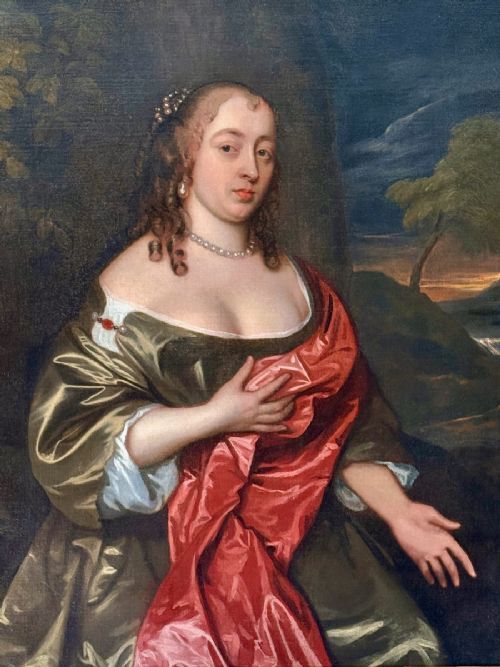
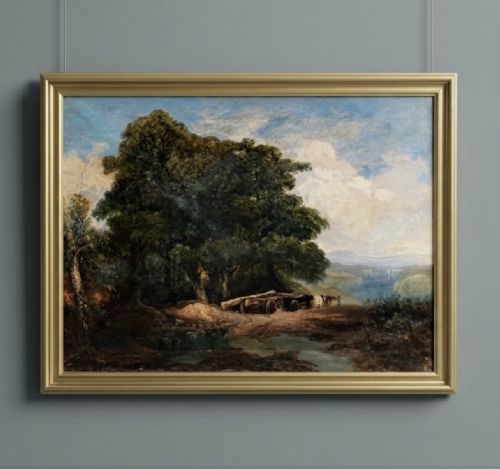
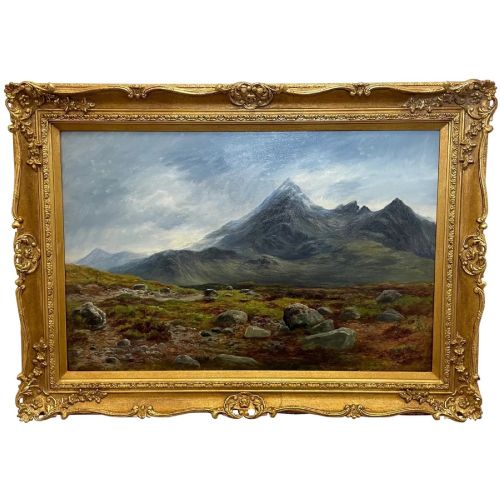
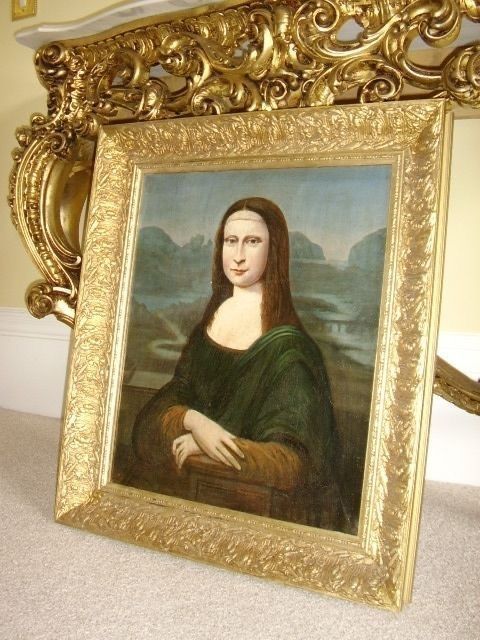
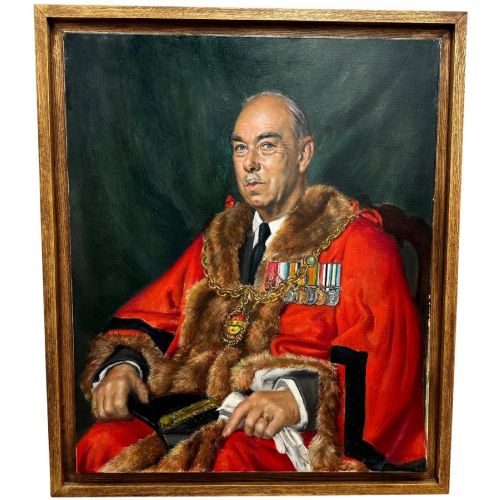
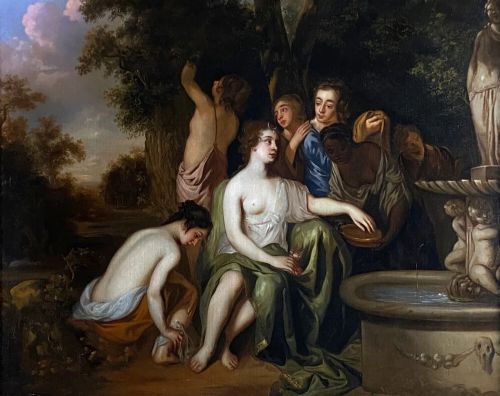
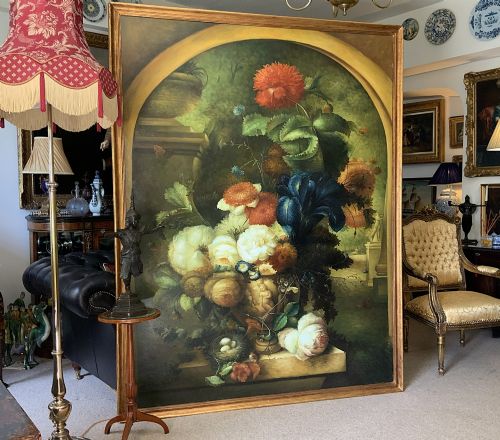
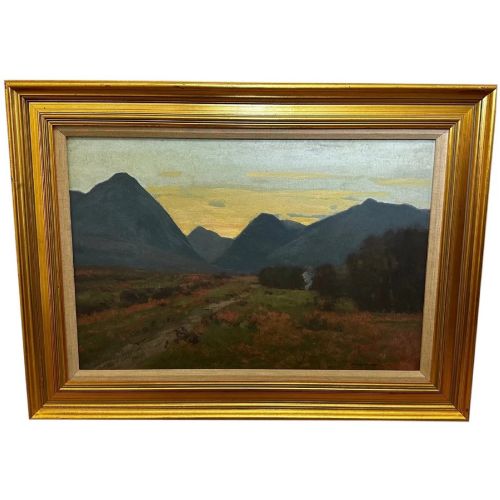
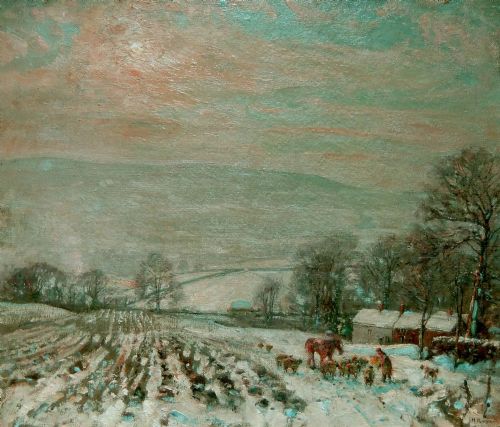
A green canvas oil painting encompasses diverse subjects ranging from seventeenth-century portraits to mid-twentieth-century French post-impressionist landscapes and floral still lifes. The selection spans 17th Century, 18th Century, 19th Century, and 20th Century periods, demonstrating continuous tradition in oil on canvas media.
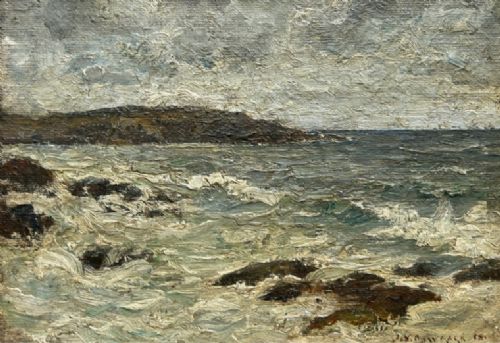
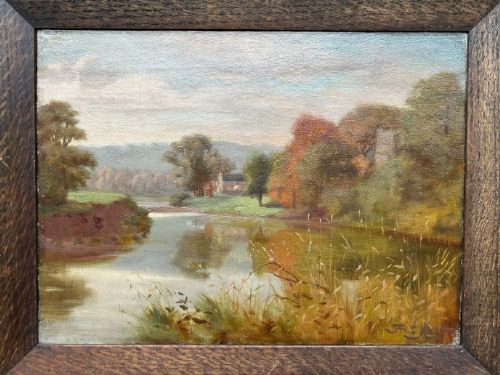
Buyers encounter British, French, Italian, and Dutch schools across various styles including Baroque, Victorian, British Impressionism, and Post-Impressionist. The pieces include coastal seascapes, woodland scenes, portraits, and botanical studies executed on woven fabric.
Materials and construction
These works utilise oil paint applied to canvas supports, frequently stretched over wood frames and occasionally housed within giltwood surrounds. The pigment formulation relies on ground colours suspended in drying oils, allowing for impasto texture and smooth blending.
Artists built compositions through layered application, sometimes revealing pentimento where earlier brushstrokes alter beneath the surface. The physical structure combines woven textile fabric with wooden strainer frames to maintain structural tension.
Green Canvas Oil Painting Retail Price Guide 2026
Typical asking prices for green canvas oil painting among the pieces listed under this phrase on Sellingantiques today, from the lower quarter to the upper quarter. They describe what is for sale here now, not the wider market.
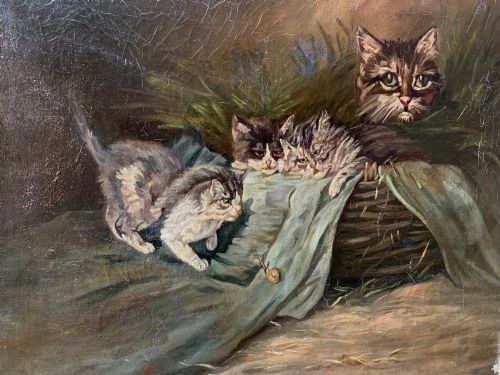
Several canvases capture domestic animals joining historic scenes, including kittens watching snails and dogs accompanying portrait sitters.
Distinctions in execution
Quality separates through the dexterity of brushwork and the management of light, shadow, and spatial depth within the composition. Master painters control pigment density and tonal variation with precision, whereas lesser examples lack anatomical or atmospheric coherence.
The condition of the painted surface and the original canvas tension dictate grading among surviving historic works. Evidence of skilled restoration and well-preserved impasto elevate the standing of an individual piece.
John Hayls·Eugène Verboeckhoven·Richard Sebastian Bond·Sir Peter Lely·George Houston·Michael Dahl
The Green Canvas Oil Painting Glossary
- Canvas
- A heavy woven fabric, typically linen or cotton, used as a support surface for painting. It provides the primary textured base for oil applications across historical periods.
- Oil Paint
- A slow-drying paint made by mixing pigments with oils such as linseed. This medium allows artists to blend colours smoothly and build thick impasto textures.
- Impasto
- Paint applied thickly to a canvas, standing out from the surface so that brush or palette knife marks remain visible. This technique adds tactile dimension to landscapes and seascapes.
- Pentimento
- An alteration in a painting, evidenced by previous strokes or shapes showing through the upper layers of paint. It reveals the artist changing their composition during the creative process.
- Giltwood
- Wood carved and covered with a thin layer of gold leaf or gold paint. This material forms the ornate frames frequently housing traditional oil paintings.
Green Canvas Oil Painting: Frequently Asked Questions
How do I care for an oil painting on canvas?
Keep the artwork away from direct sunlight and fluctuating humidity levels to protect the canvas and paint layers. Dust the surface gently with a soft, dry brush without applying pressure.
Avoid using water or liquid cleaners on the painted canvas. Professional conservators should handle any structural repairs or cleaning of aged varnish.
What periods do these oil paintings cover?
The works span from the seventeenth century through the Victorian era and into the mid-twentieth century. Examples include seventeenth-century portraits, nineteenth-century British landscapes, and twentieth-century post-impressionist scenes.
Earlier pieces often reflect Baroque or classical traditions, while later works embrace impressionist and naive movements.
Are all these paintings on fabric canvas?
The primary support recorded across the collection is canvas, paired with oil paint and wooden stretcher frames. Some pieces include giltwood surrounds or frames.
The textile base provides the traditional foundation for European fine art paintings across multiple centuries.
How do I identify the school or style?
Styles range from British Impressionism and Post-Impressionism to Baroque and Victorian maritime art. Examination of brushwork, subject matter, and regional palettes helps determine the origin school.
Signatures, framing styles, and recorded artist attributions further clarify the geographic and historical context of each piece.