

Edwardian Oil Landscape
An edwardian oil landscape captures tranquil rural scenes and coastal vistas with atmospheric brushwork that brings immediate warmth to any wall.
Understanding the Edwardian Oil Landscape
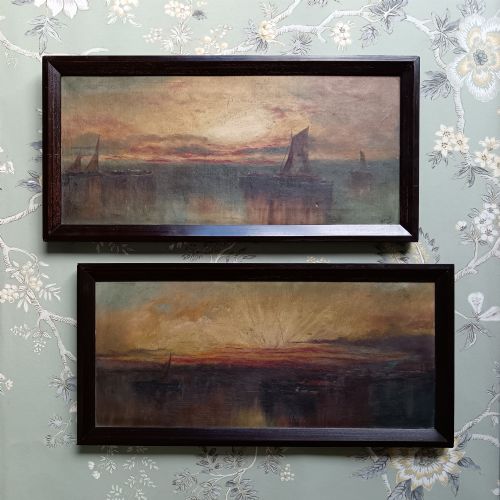
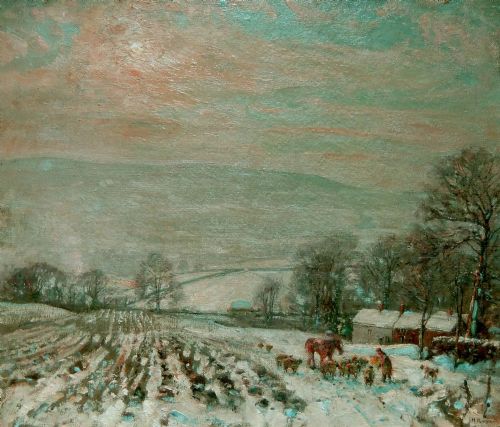
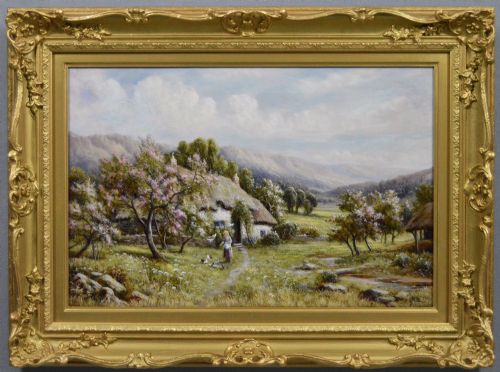
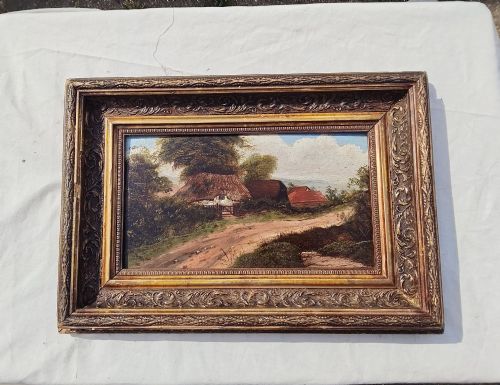
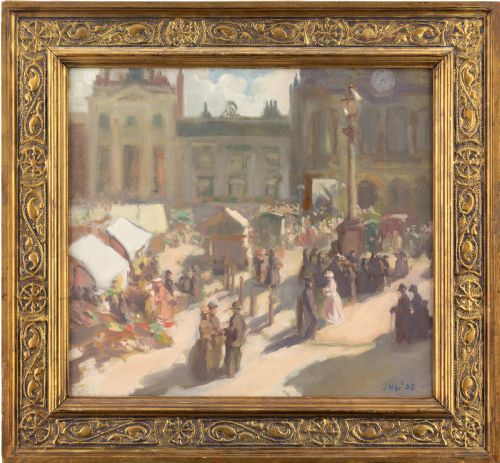
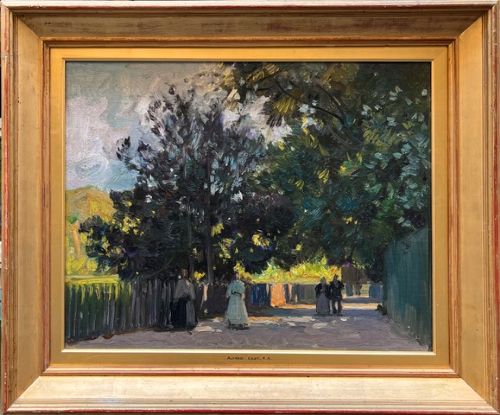
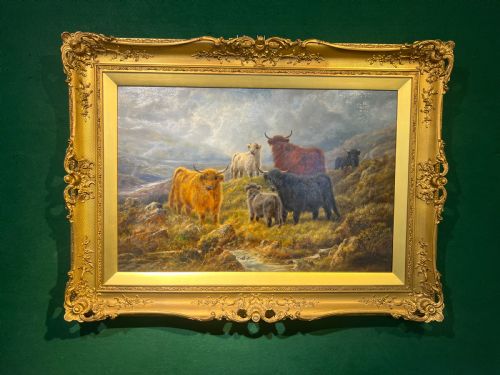
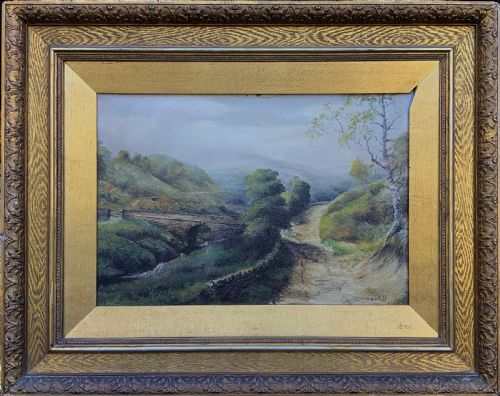
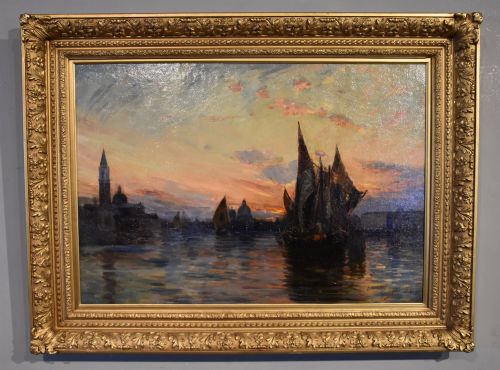
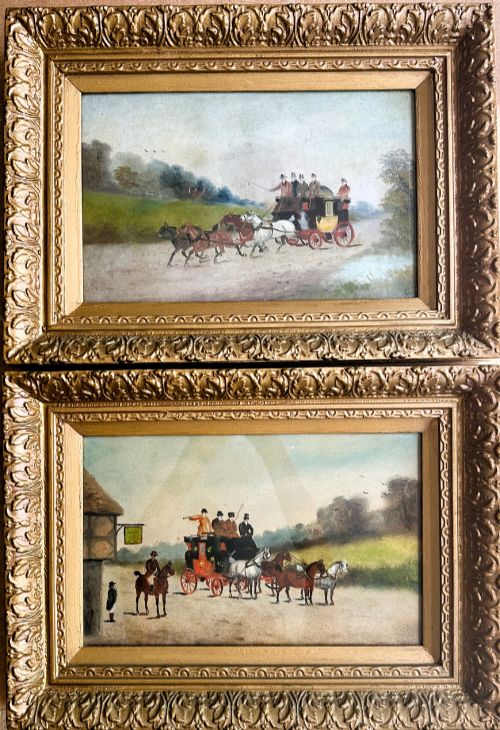
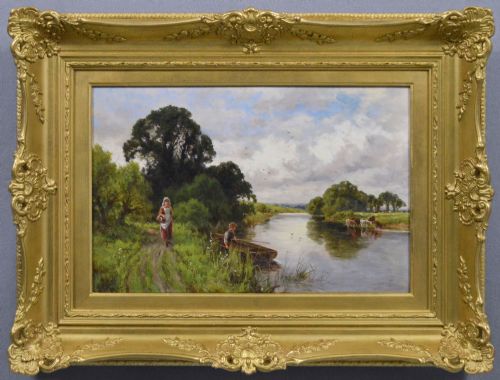
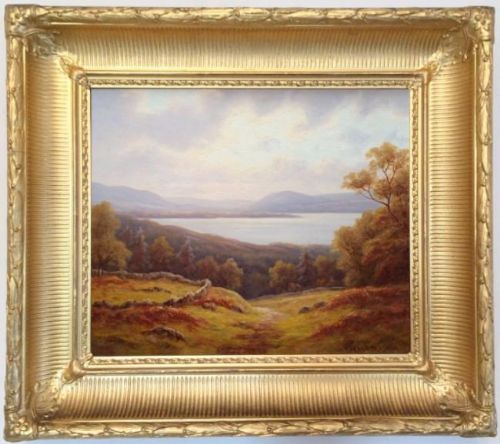
When you search for an edwardian oil landscape, you encounter intimate views of British countryside, river scenes, and coastal marine art spanning the late nineteenth century through the early decades of the twentieth century. These works frequently depict rural subjects such as thatched cottages, cattle watering by rivers, and Yorkshire light, reflecting a strong preference for pastoral tranquility.
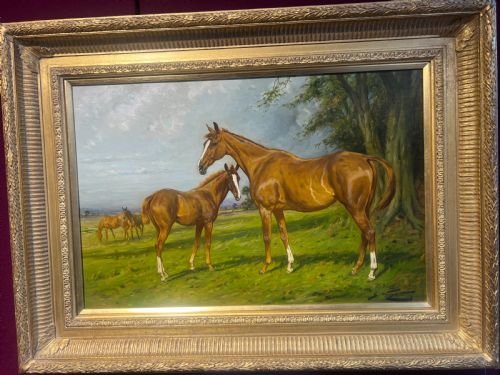
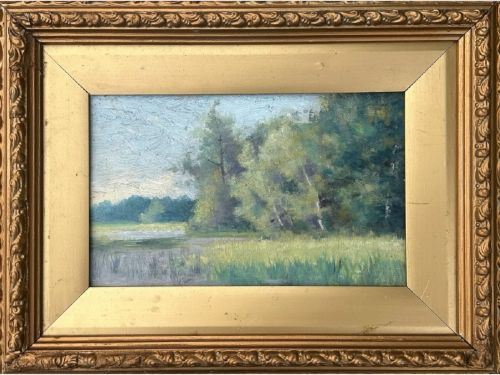
The pieces on this page encompass works created across the broader Edwardian era alongside overlapping periods from the late Victorian years to the interwar period of the 1920s and 1930s. Most examples take the form of traditional framed oil paintings and wall art, executed by British school painters working in Impressionist, Post-Impressionist, and realist modes.
Materials and Construction
Painters of this period applied oil paint onto traditional supports including stretched canvas, artist board, and occasionally stiff cardboard. Pigments were manipulated with brushes and palette knives to build rich surface textures that captured shifting daylight and atmospheric weather conditions.
Finished works are typically housed in their original or period-appropriate gilt wood frames, often embellished with moulded plaster ornamentation. These frames provide structural definition and complement the tonal palette of the oil compositions within.
Retail Price Guide 2026
Typical UK retail prices for edwardian oil landscape, calculated from the Sellingantiques database of over a million retail prices indexed since 2003. This retail price guide relies exclusively on Sellingantiques data; no external sources or auction records are used, so the figures do not describe the wider market.
Cattle watering peacefully in rivers proved remarkably popular subjects for Edwardian painters seeking to evoke rural calm.
Evaluating Quality and Hand
Distinctions in quality rest upon the artist's confidence in handling paint and capturing light, where works by recognised painters demonstrate superior spatial depth and atmospheric resonance compared to anonymous school pieces. The subtlety of tonal transition in skies and water separates routine decorative canvases from accomplished artistic statements.
The preservation of the original gilt wood and plaster frame contributes significantly to the overall integrity of the piece. Intact frames that retain their original gilding enhance the historical context of the painting.
Reginald Grange Brundrit·William Grant Murray·William Miller Frazer·Daniel Sherrin·William Greaves·John Falconar Slater·Charles H. Passey·R.W. Bates
The Edwardian Oil Landscape Glossary
- Oil on Canvas
- A traditional painting technique where pigment suspended in drying oil is applied to a woven fabric support stretched across a wooden frame. This medium allows for rich blending and textured impasto work.
- Gilt Wood Frame
- A wooden picture frame coated with a thin layer of gold leaf or metallic gilt powder, often over a prepared gesso and plaster base. These frames add warmth and reflect light around the artwork.
- British Impressionism
- A painting style adopted by British artists influenced by French Impressionism, focusing on loose brushwork, natural light, and plein-air observation. It appears frequently in landscape and marine subjects of this era.
- Impasto
- Paint applied thickly to a canvas or board, standing proud of the surface so that the marks of the brush or palette knife remain visible. This technique adds tangible texture and depth to highlights.
- Oil on Board
- A method where oil paint is applied directly to a rigid wooden or cardboard panel rather than flexible canvas. It provides a stable, flat surface favoured for smaller plein-air studies.
Frequently Asked Questions
How do I date an Edwardian oil landscape?
Dating relies on stylistic clues, framing materials, and recorded signatures or exhibition labels on the reverse of the canvas or board. Comparing the artist's active painting years provides the most reliable timeframe.
Many works also bear contemporary inscriptions, initialled dates, or stretcher stamps that place their creation firmly within the early twentieth century.
Where should I hang an oil landscape?
These paintings suit traditional living spaces, studies, and hallways where their naturalistic subject matter can be appreciated at close range. Positioning them away from direct sunlight protects the oil pigments and gilt frames from fading.
Pairing a landscape with period furniture creates a cohesive interior aesthetic that highlights the traditional character of the artwork.
What is the difference between canvas and board?
Canvas provides a flexible, woven support that is typically stretched over a wooden frame, allowing for larger compositions with subtle give under the brush. Board offers a rigid, solid foundation often utilised for smaller, portable studies.
Both supports were common during the period, with the choice usually depending on the artist's preference for studio work versus outdoor sketching.
How do I care for a gilt wood frame?
Maintain the frame by gently dusting with a dry, soft brush to prevent accumulation in the plaster mouldings. Avoid liquid cleaners, as moisture can damage the delicate gilt surface and underlying gesso.
Stable room humidity prevents the wood and plaster from expanding or contracting, which helps preserve the original corners and ornamentation.