




Dutch Master Style Portrait
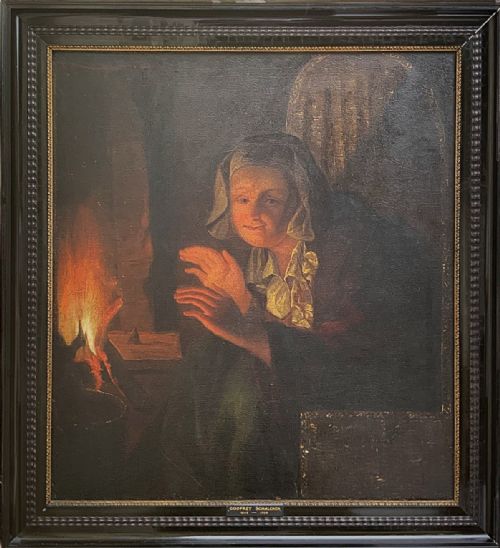
A dutch master style portrait captures the solemn dignity and rich chiaroscuro of seventeenth-century northern european painting.
Dutch Master Style Portrait
A dutch master style portrait draws upon the visual traditions of the dutch golden age and baroque periods, depicting subjects with lifelike immediacy and dramatic lighting. These works range from original seventeenth-century compositions to later nineteenth-century interpretations and twentieth-century homages.
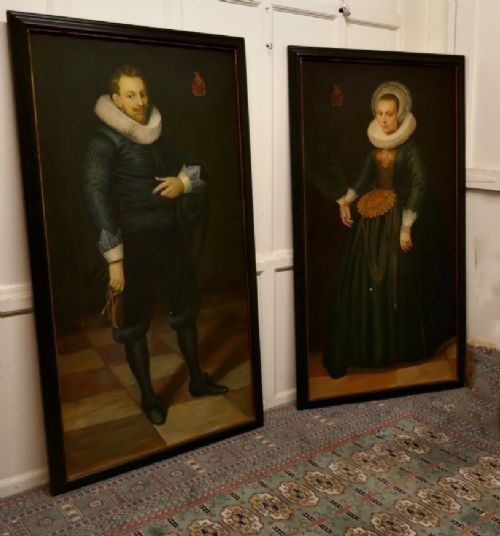
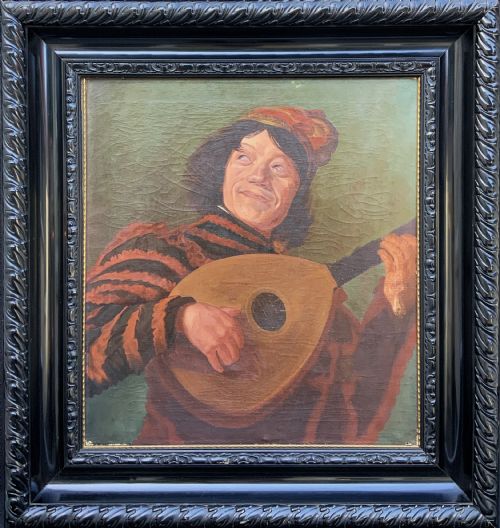
Buyers seeking a dutch master style portrait will encounter depictions of noblemen, ladies in ruff collars, musicians, and peasants. Many pieces emulate specific masters such as Rembrandt, Frans Hals, and David Teniers the Younger, executed in oil on canvas or wood panel.
Materials and execution
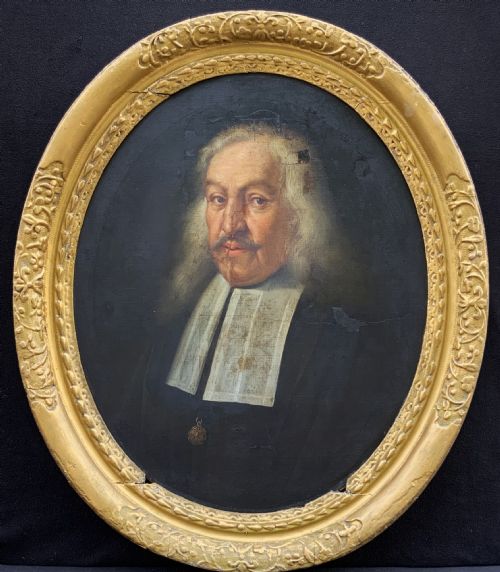
Painters utilised oil paint applied to canvas, vinyl canvas, or wood panel to build up deep shadows and luminous highlights characteristic of the genre. Works are frequently housed within heavy wood frames, often with giltwood finishes that complement the dark palettes.
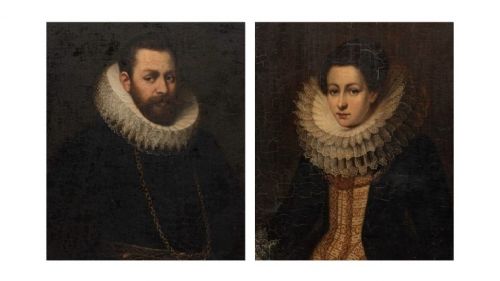
Techniques involve traditional realism and academic methods to replicate the detailed drapery, intricate ruff collars, and subtle facial expressions seen in seventeenth-century northern european workshops.
Surviving supports include traditional canvas, vinyl canvas, and wood panels housed in giltwood frames.
Assessing quality
Quality depends upon the skill of the brushwork in rendering textures such as satin, skin, and hair, alongside the depth achieved through layering oil paint. Earlier period works demonstrate authentic ground layers and craquelure consistent with age, whereas later copies vary in their capture of anatomical proportion and light.
The strength of the provenance, the fidelity to the manner of original artists, and the preservation of the canvas or wood panel further distinguish finer examples from standard decorative pieces.
Pieter Borseler·Godfried Schalcken·Nicolaes Maes·David Teniers·Rembrandt van Rijn·Jan Steen·Adriaen Hanneman·Bartholomeus Van der Helst·Frans Hals·Cornelis Van Der Voort·Quirijn Van Brekelenkamp
The Dutch Master Style Portrait Glossary
- Chiaroscuro
- The treatment of light and shade in a painting, using strong contrasts to give a sense of volume to three-dimensional objects and figures. This technique defines the dramatic atmosphere of seventeenth-century interiors.
- Oil paint
- A type of slow-drying paint consisting of pigmented particles suspended in a drying oil, commonly linseed. It allows artists to blend tones smoothly and create rich glazes.
- Giltwood
- Wood that has been thinly coated with gold leaf or gold paint. Frames finished in this manner frequently encase formal portraits from the baroque period.
- Ruff
- A projected starched collar worn in the sixteenth and seventeenth centuries, depicted with intricate detail in formal portraiture. It serves as a useful indicator of period costume.
- Panel painting
- A painting executed on a flat piece of wood rather than stretched canvas. These supports were standard during the early phases of northern european art.
Dutch Master Style Portrait: Frequently Asked Questions
What is a dutch master style portrait?
It is an oil painting that follows the aesthetic, lighting, and subject matter of seventeenth-century northern european art. These works range from period originals to later nineteenth-century academic tributes.
Subjects typically include solemn nobility, musicians, and everyday figures rendered with dramatic shadow and realistic detail.
How do I date an old portrait?
Dating relies on examining the canvas preparation, the ageing of the oil paint, and the style of the wooden frame. Costume details such as ruff collars also provide reliable chronological clues.
Scientific analysis of the pigments and wood panels offers further precision for seventeenth-century examples.
Are these works original or copies?
The category includes both seventeenth-century period pieces and later copies painted in the manner of established masters. Many works explicitly note they are after artists like Rembrandt or Frans Hals.
Each listing specifies whether the piece originates from the period or represents a subsequent homage.
Where should I hang a dark portrait?
These paintings benefit from placement against neutral or dark walls where directional lighting can illuminate the chiaroscuro effect. Avoid direct sunlight to protect the oil pigments and canvas.
Pairing them with traditional wood furniture enhances their historical interior context.