


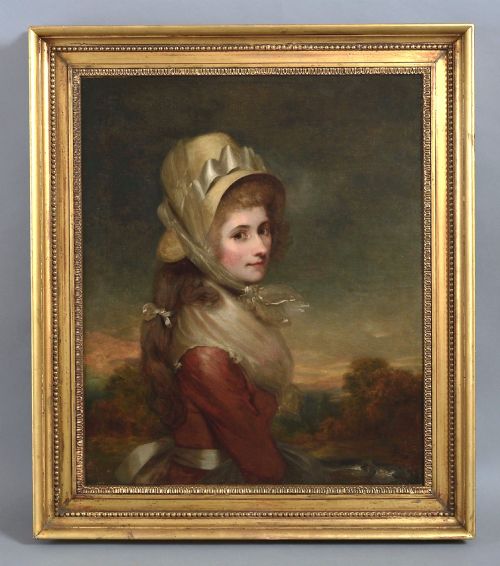
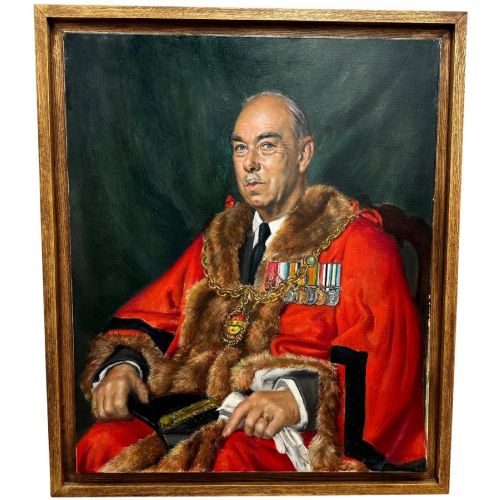
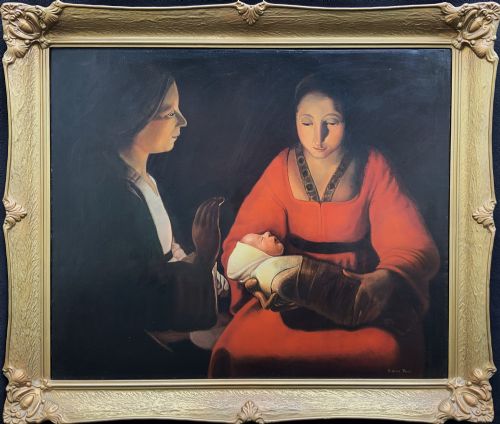


Framed Oil Painting Portrait
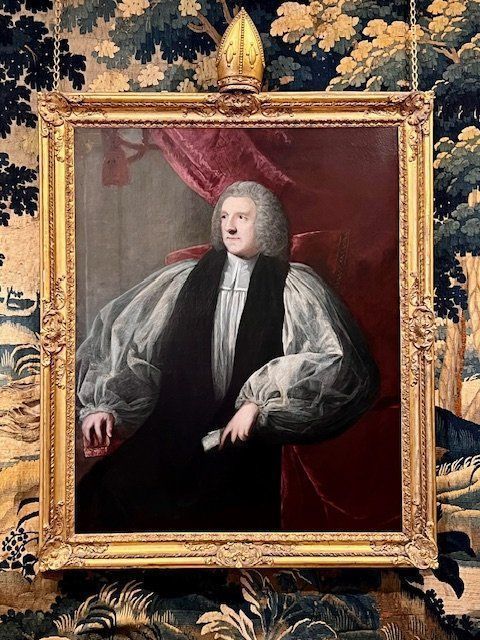
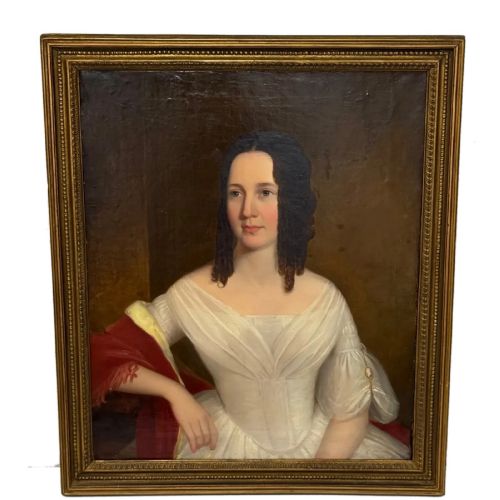
A framed oil painting portrait captures a likeness in oils, offering a window into past centuries through the gaze of clergymen, merchants and nobility.
What framed oil painting portrait means
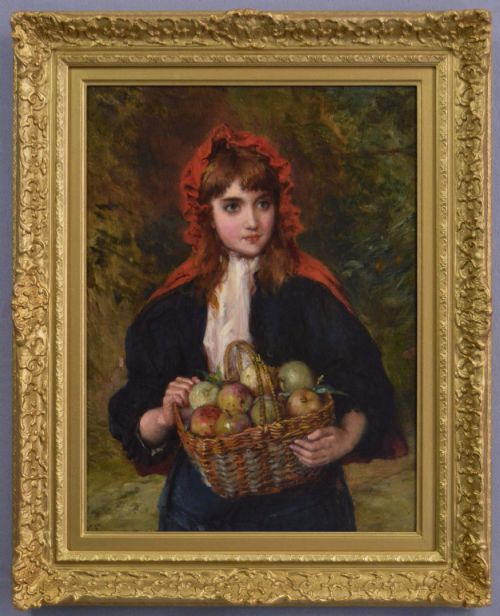
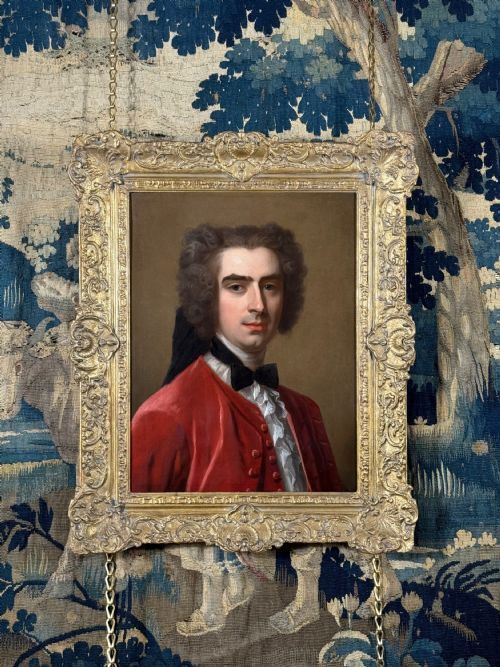
A framed oil painting portrait represents a painted likeness of an individual, set within a protective and decorative border of wood or gilt. These works span the seventeenth, eighteenth and nineteenth centuries, encompassing both British and continental schools.
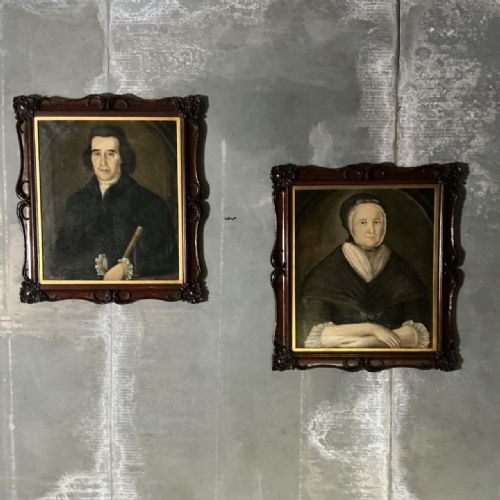
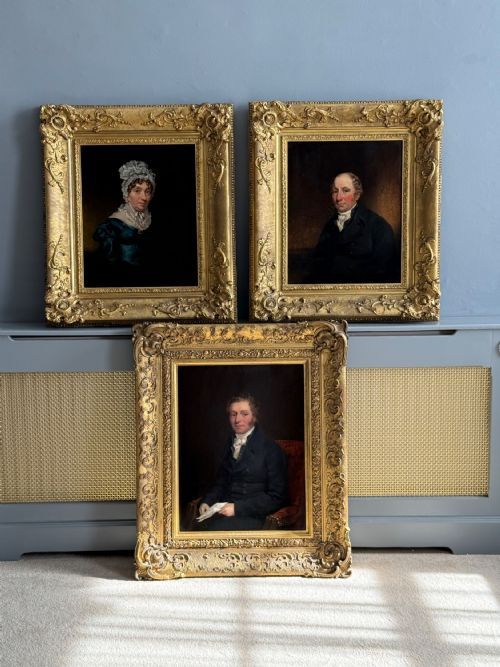
The subjects range from notable historical figures and nobility to anonymous gentlemen, clergymen and ladies in lace bonnets. Many are executed on canvas, while others appear on wood panels or board.
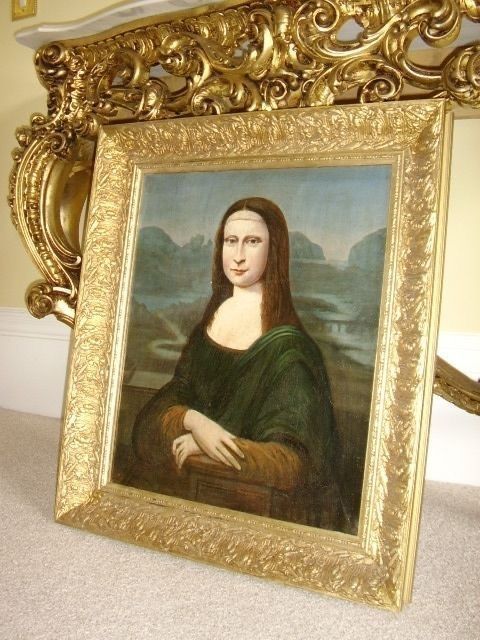
Buyers encounter grand Dutch Golden Age merchants alongside Georgian and Regency depictions of clergymen and military officers. The selection also includes copies after master painters and intimate family groups.
How they were made
Artists applied oil paint using canvas, wood panels or boards as a ground, building up tones through layered pigments. Canvases were occasionally laid onto board for added stability.
Surrounding the artworks are frames constructed from wood, often finished with gold leaf, giltwood or gilded wood. These surrounds enhance the visual weight of the portrait and protect the perimeter of the canvas or panel.
Listings feature works spanning the seventeenth, eighteenth and nineteenth centuries, utilising oil on canvas, wood panel and board with giltwood frames.
What varies in quality
Quality rests in the subtlety of brushwork and the anatomical accuracy of the sitter's hands, face and drapery. Fine examples display a luminous depth in the skin tones and confident handling of fabrics like lace and velvet.
The integration of the frame contributes to the overall standard, with period giltwood surrounds offering a harmonious proportion to the canvas. The distinction between a studio piece, a named artist and an anonymous provincial school shifts the character of the work.
Sir Joshua Reynolds·Sir Thomas Lawrence·P Garnier·Andrea del Sarto·M R Craig·Vincent Galloway·David Nicholson Ingles·Moses Vanderbank·Johan Horner
The Framed Oil Painting Portrait Glossary
- Canvas
- A heavy woven fabric stretched across a wooden frame to serve as a foundation for oil paint.
- Giltwood
- Wood carved and covered with a thin layer of gold leaf or metallic powder to create a bright, reflective surface.
- Panel
- A flat piece of wood used instead of canvas as a rigid support for painting.
- English School
- A term applied to works produced by artists trained or working in England, often without a specific attributed master.
- Verso
- The back of the painting canvas, panel, or frame, where signatures, dates or historical notes are frequently located.
Frequently Asked Questions
How do I date a portrait?
Dating relies on the sitter's costume, hairstyle and collar style, alongside the construction methods of the canvas and stretcher. Reference to recorded periods helps narrow the decade of execution.
Signatures, inscriptions on the verso, or labels attached to the frame provide further chronological clues. Comparative study with known works by the same school offers additional confirmation.
What is an English School painting?
An English School attribution denotes a work created within the British artistic tradition during a specific era. These pieces reflect the prevailing portraiture conventions of the time without bearing a definitive master signature.
Such works often demonstrate strong regional competence and stylistic links to prominent academicians. They capture the social hierarchy and fashion of their contemporary British society.
How should I hang an oil portrait?
Portraits require stable wall space away from direct sunlight and fluctuating heat sources to protect the oil pigments and wooden frames. Secure fixings suited to the weight of the giltwood surround are essential.
Lighting should be angled carefully to avoid glare on the varnished surface of the canvas. Positioning the painting at eye level allows the viewer to engage directly with the gaze of the sitter.
Why are some portraits on wood panels?
Wood panels served as a common support for earlier paintings before canvas became universally adopted. Oak and other timber boards provided a rigid, smooth surface for detailed brushwork.
Panel paintings often survive from the seventeenth century and earlier. They require stable environmental conditions to prevent the wood from warping or splitting over time.