



Antique Dutch Portrait Painting
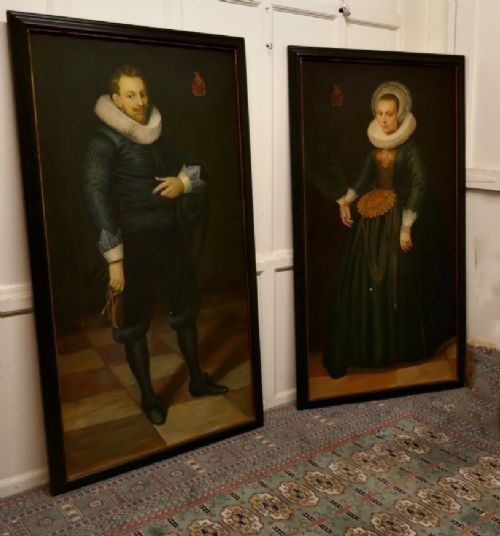
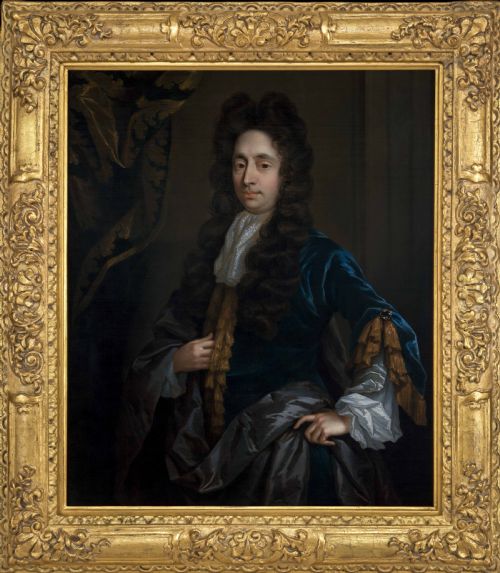
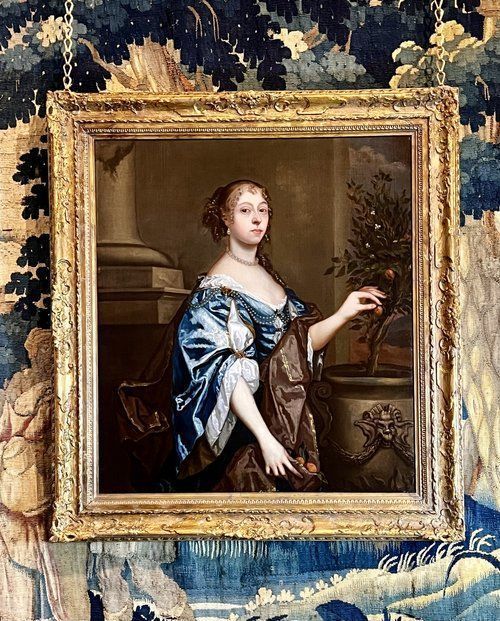
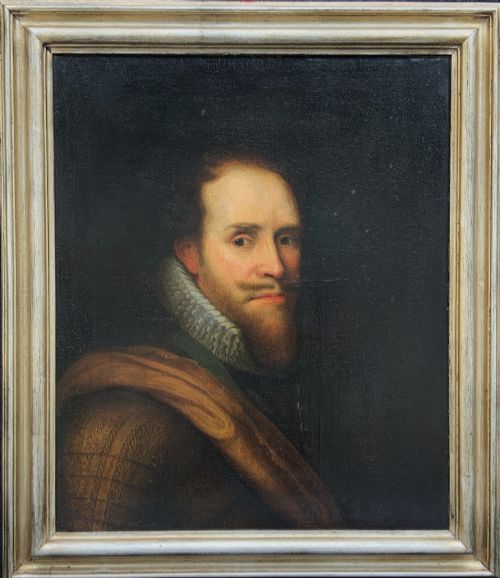
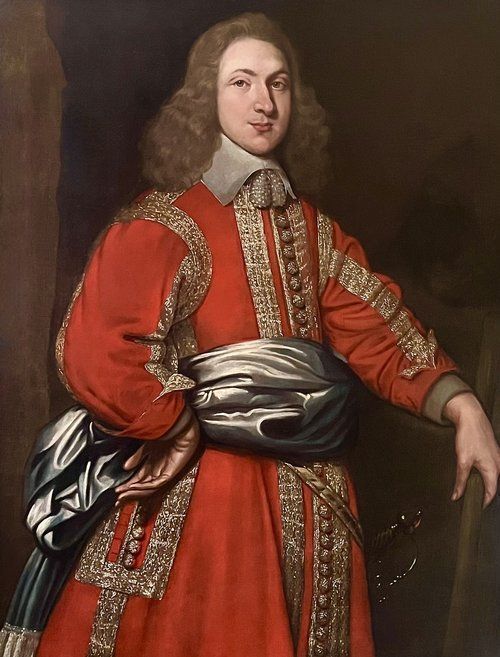
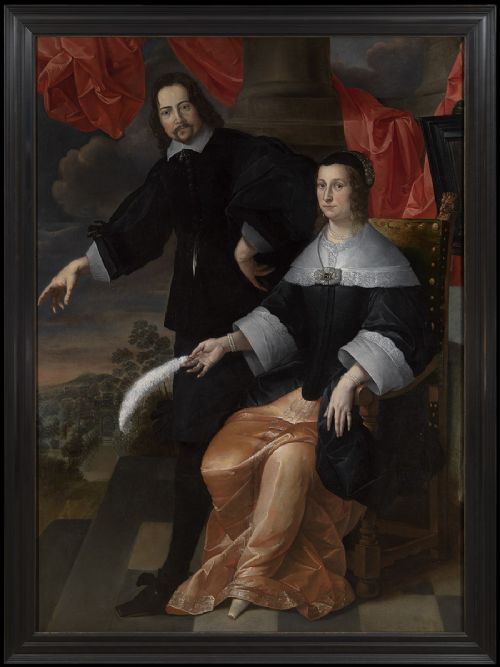
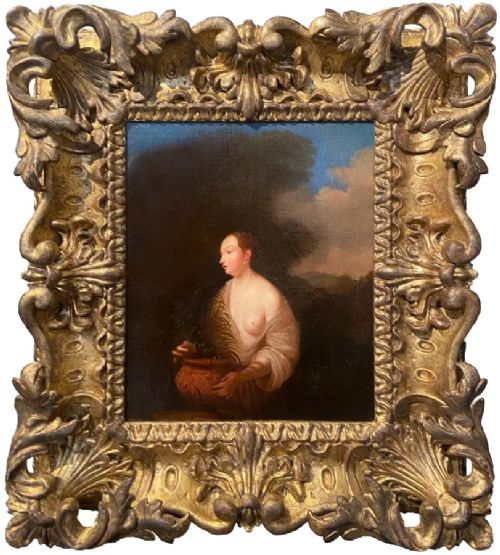
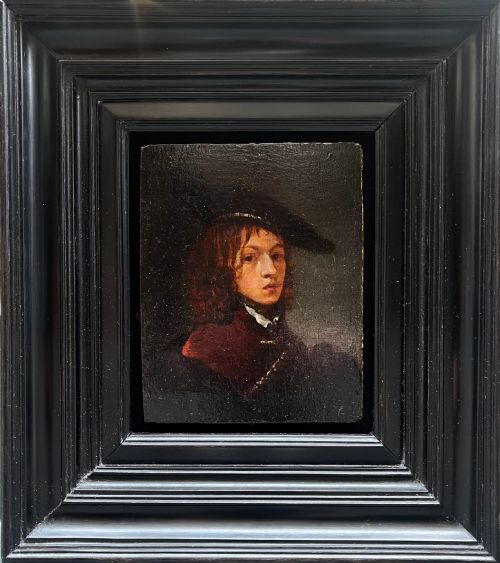
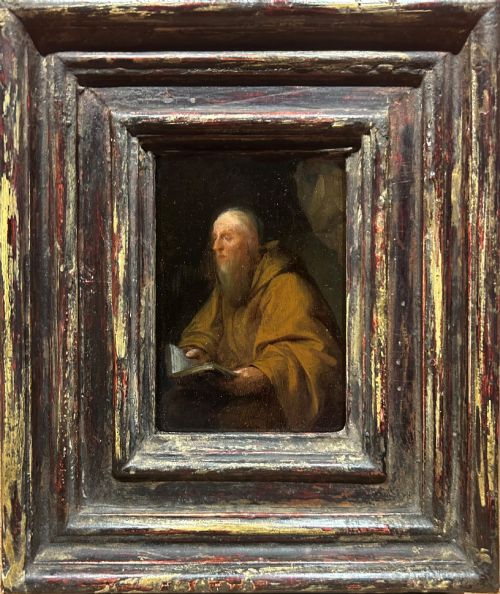
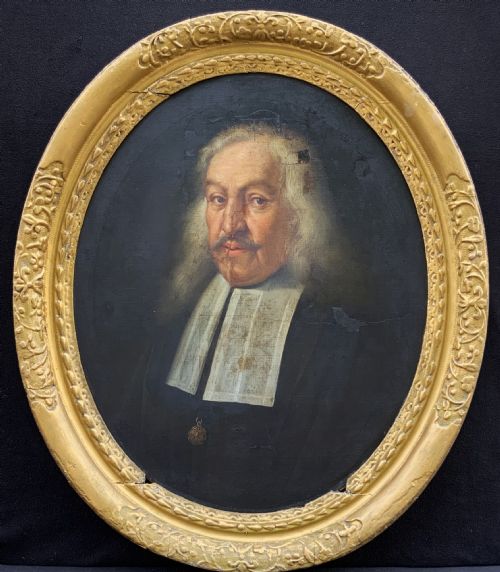
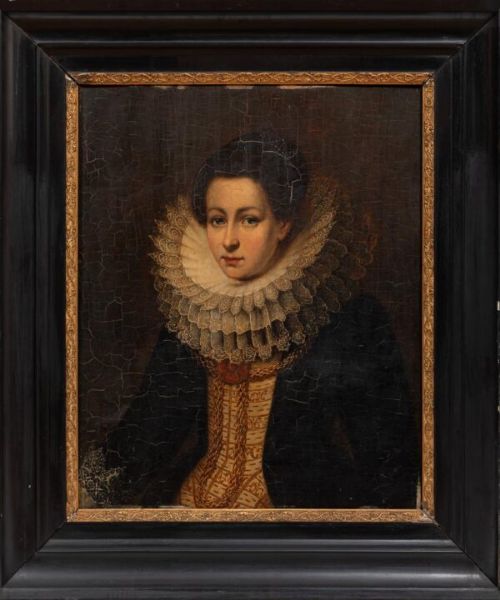
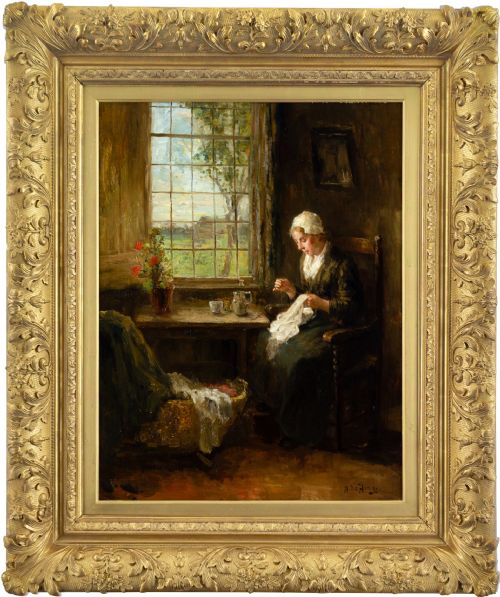
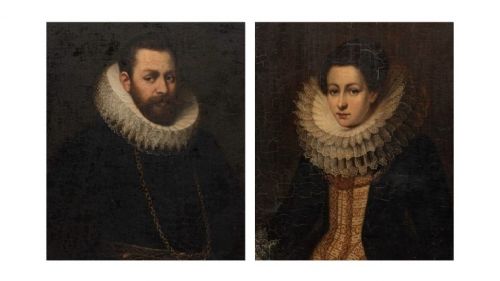
An antique dutch portrait painting captures centuries of character in oil on canvas and wood panel, bringing serious Old Master presence into a room.
Antique Dutch Portrait Painting
Buyers seeking an antique dutch portrait painting will encounter works spanning from the seventeenth century through to the nineteenth century, with strong representation from the Dutch Golden Age and subsequent revival periods.
The subjects range from formally dressed noblemen and ladies in intricate ruff collars to military officers, musicians, and everyday figures engaged in quiet domestic interiors.
Many works connect directly to prominent circles of painters, whilst others emerge from later nineteenth-century interpretations of seventeenth-century styles and compositions.
Materials and technique
These works are predominantly executed in oil paint applied to stretched canvas or wooden panels, utilising rich pigments to build deep shadows and luminous textiles.
Frames frequently incorporate carved giltwood and gold leaf, enhancing the visual weight and historical context of the paintings.
The handling of light and shadow, characteristic of northern European traditions, defines the method by which sitters are given three-dimensional presence.
Several sitters bring unexpected company, ranging from a pet dog and a fishing net to an apothecary flask and a jug of tavern ale.
Assessing quality
The hierarchy of these portraits rests upon the sureness of the brushwork and the psychological depth captured in the sitter's expression, separating formulaic studio output from masterly execution.
Condition of the original paint surface and stability of the support material, whether canvas or panel, heavily influence the integrity of the piece.
Provenance and closeness to a named artist or established school elevate the historical significance of the work.
Constantyn Netscher·Pieter Borseler·Nicolaes Maes·David Teniers·Frans Hals
The Antique Dutch Portrait Painting Glossary
- Old Master
- A European artist of high skill working before about eighteen hundred. These painters established the foundational techniques visible in early portraiture.
- Panel painting
- A work executed on a flat piece of wood rather than canvas. Oak was frequently utilised by northern European workshops for this purpose.
- Ruff
- A prominent pleated collar worn in the sixteenth and seventeenth centuries. Their intricate execution is a key indicator of period fashion and painting skill.
- Circle of
- A designation used when a painting is closely associated with a master's studio or immediate followers. It denotes work from the same period and milieu.
- Manner of
- A term indicating that a painting is executed in the style and technique of a specific artist, often created later than the master's lifetime.
Antique Dutch Portrait Painting: Frequently Asked Questions
How do I date an antique portrait?
Dating relies heavily on the sitter's costume, hair style, and collar design, which changed rapidly across decades. Supporting evidence such as artist signatures, panel types, and framing style also provide secure chronological markers.
Comparative analysis with dated works by the same school helps narrow the decade of execution.
Are these paintings on canvas or wood?
Both supports appear frequently in this category, with seventeenth-century works often utilising sturdy wooden panels or stretched canvas. Nineteenth-century interpretations and copies similarly employ canvas, board, or metal panels.
The choice of support generally reflects the period traditions of the workshop producing the portrait.
How should I hang an oil portrait?
Oil paintings on canvas and wood require stable environmental conditions away from direct sunlight and extreme temperature fluctuations. Hanging them on interior partition walls helps protect the delicate paint surface and original giltwood frames.
Proper picture lighting enhances the dark, rich tones characteristic of northern European portraiture.
What is the difference between a copy and an original?
An original period portrait was painted directly from life or within the primary workshop during the sitter's era. Later copies and works in the manner of an artist were executed subsequently as tributes or study pieces.
Brushwork examination and material analysis typically reveal the distinction between contemporary production and later interpretations.