

Baroque Gentleman Portrait Painting
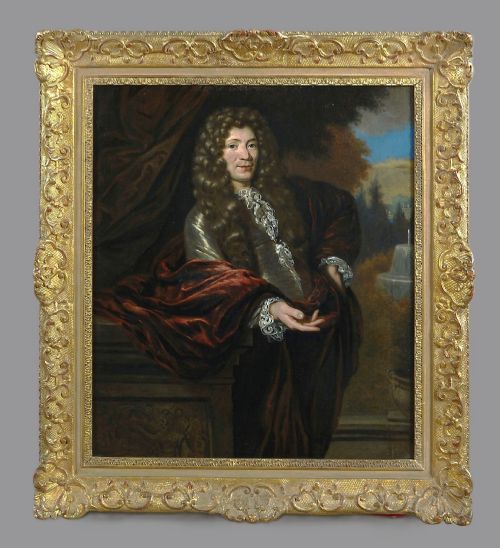
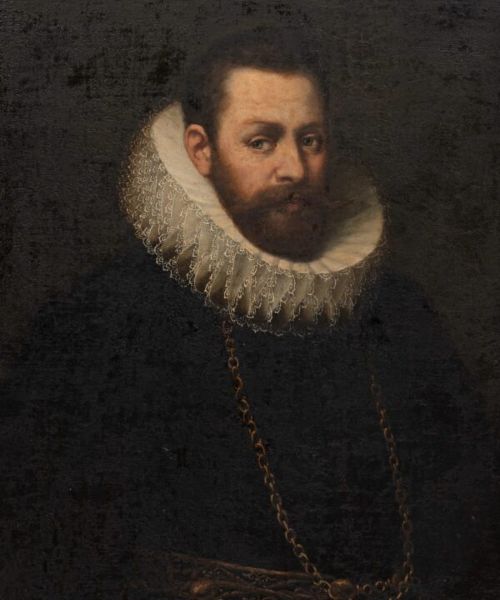
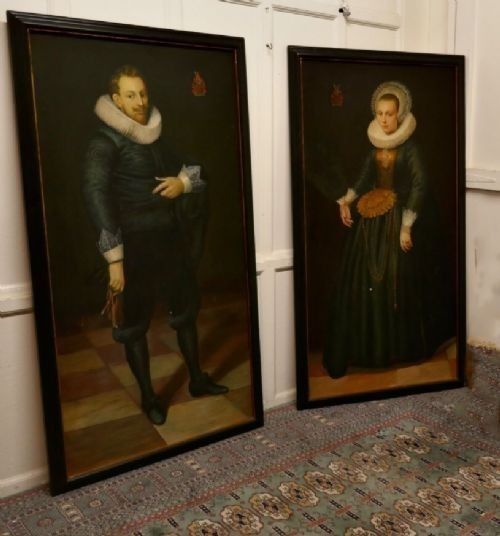
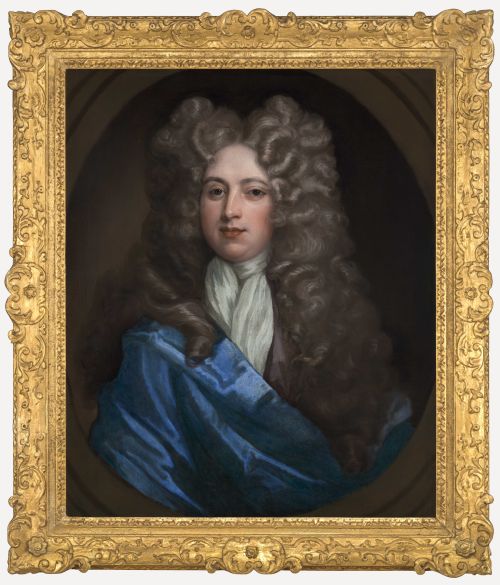
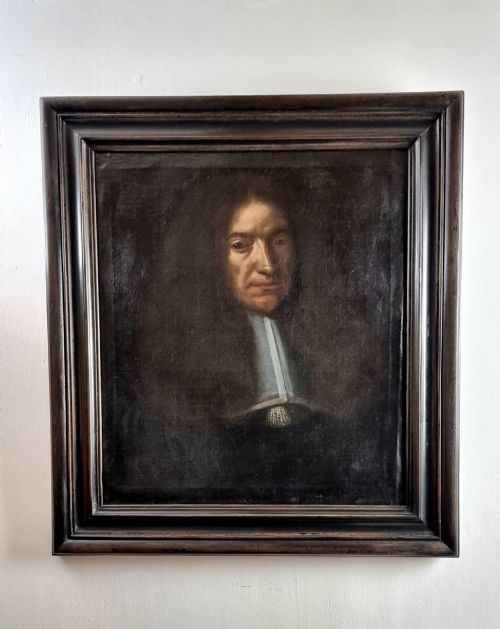
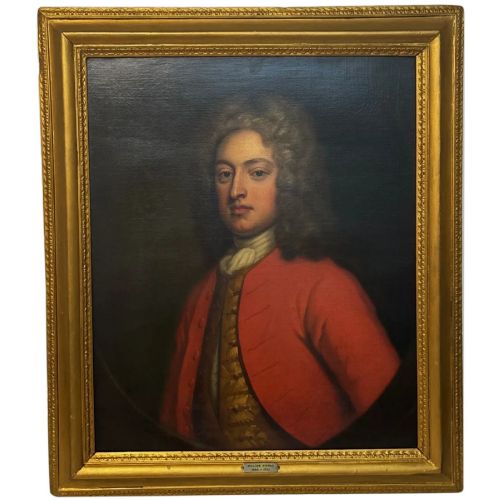
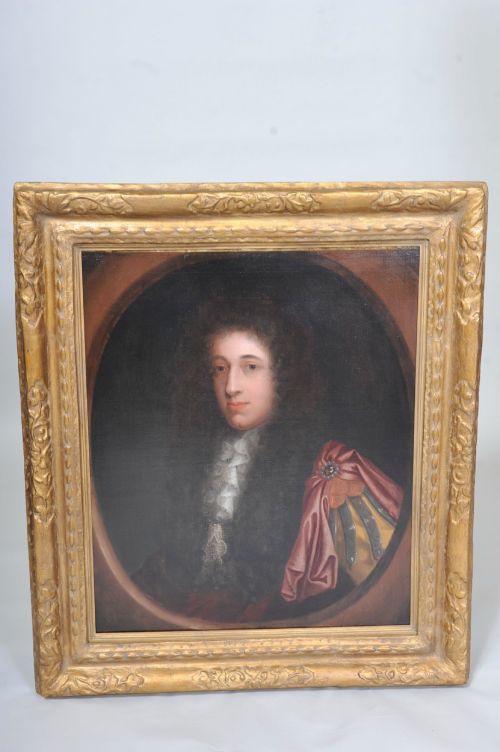
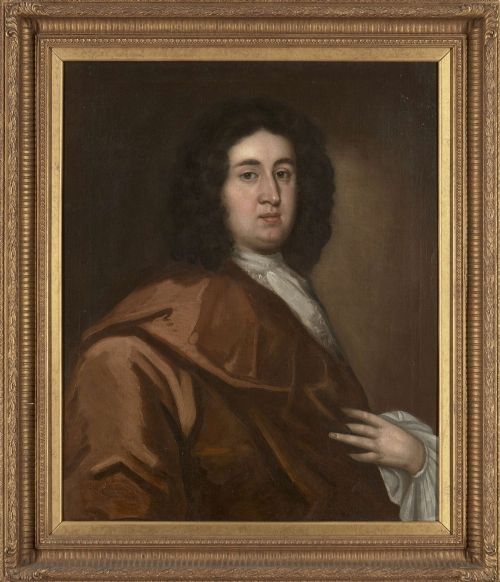
When you search for a baroque gentleman portrait painting, you encounter oil on canvas works from the seventeenth and early eighteenth centuries depicting male subjects in elaborate dress.
Baroque Gentleman Portrait Painting
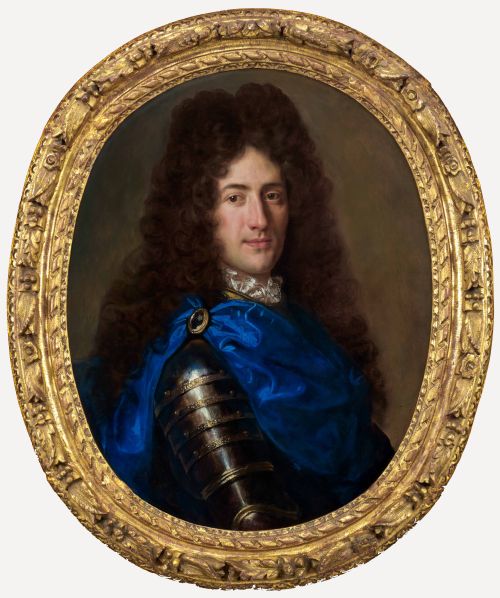
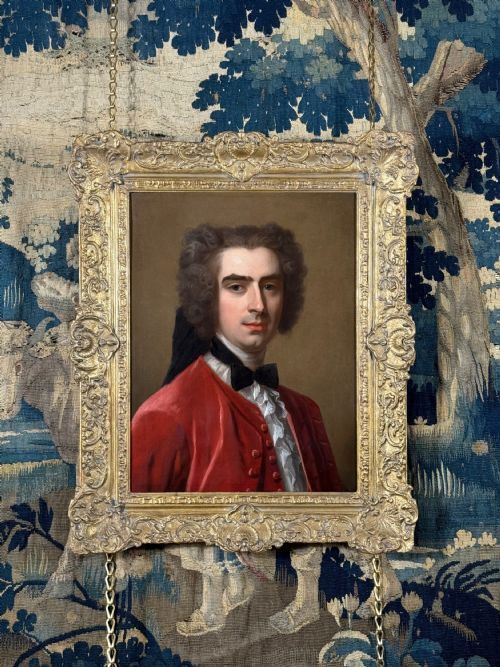
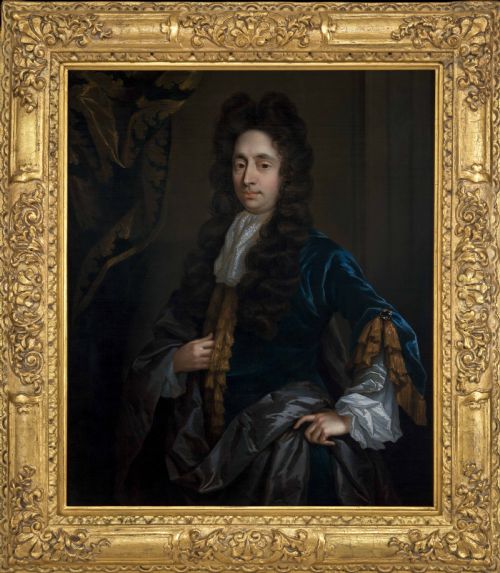
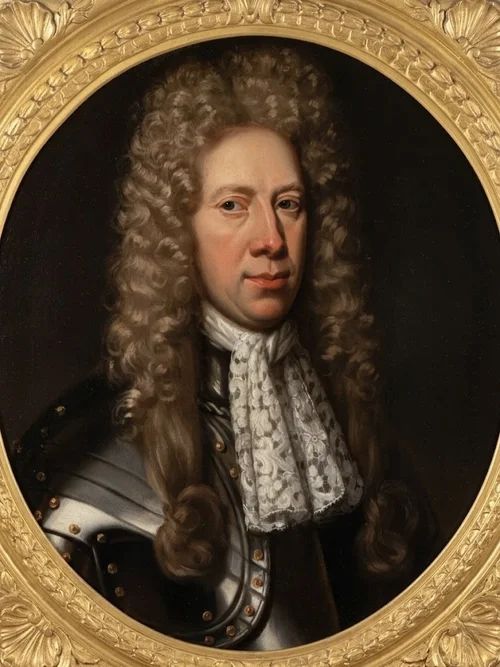
A baroque gentleman portrait painting captures male subjects from the seventeenth and eighteenth centuries, frequently rendered in oil on canvas across English, Dutch, Flemish, German, and French schools.
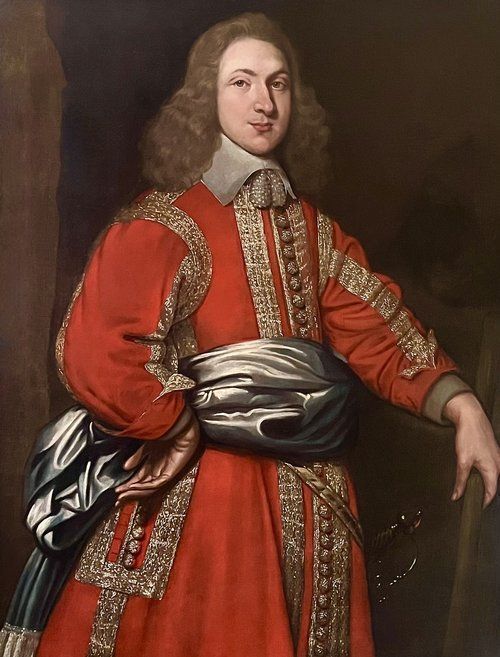
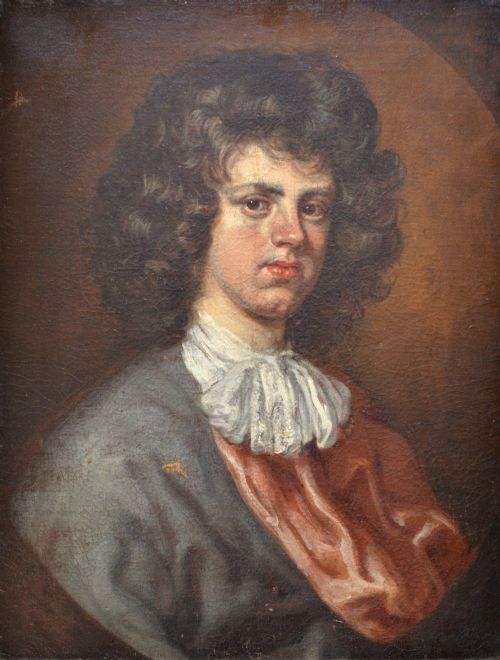
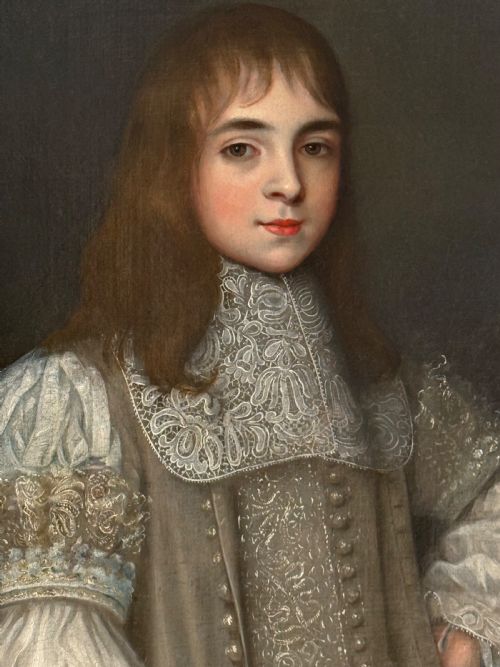
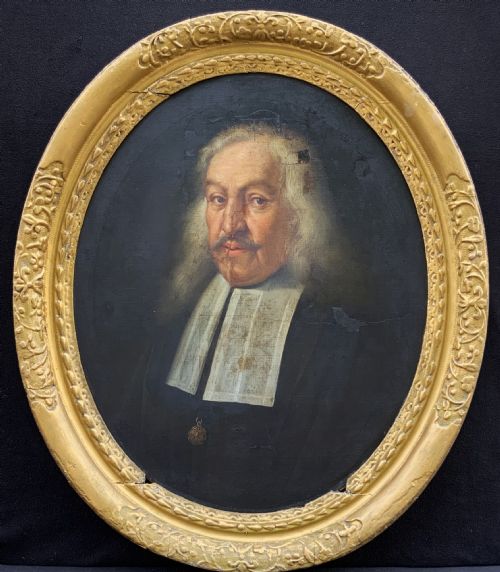
The subjects appear in varied attire, ranging from armour and judicial robes to periwigs and scarlet jackets, reflecting their status as military officers, aristocrats, and scholars.
Most examples originate from the seventeenth century and the early eighteenth century, reflecting the stylistic developments of the Baroque and Georgian periods.
Materials and construction
Artists applied oil paint to stretched canvas surfaces, building up rich dark tones and luminous fabrics such as velvet and silk.
Frames fashioned from wood and finished with gesso and gold leaf frequently accompany these paintings, providing structural support and ornamentation.
Workshops utilised layered glazing techniques to achieve depth in drapery and flesh tones, characteristic of seventeenth and eighteenth-century portraiture.
Periwigs reached such astonishing heights in this era that sitters frequently turned their heads sideways to fit within the painter's canvas.
Distinctions in execution
The standard of portraiture depends upon the painter's ability to render facial expression and anatomical proportion with convincing naturalism.
Works produced by named masters or close studio circles demonstrate superior handling of light, shadow, and costume detail compared to anonymous regional school pieces.
JEAN-BAPTISTE VAN LOO·Sir Godfrey Kneller·Constantyn Netscher·Thomas Murray·JOHN SCOUGALL·JOHN GREENHILL·John Closterman·JOHN MICHAEL WRIGHT·Pieter Borseler·Joseph Vivienne·Michael Dahl·Hyacinthe Rigaud·John Riley·Willem Wissing
The Baroque Gentleman Portrait Painting Glossary
- Baroque
- An artistic style prevalent during the seventeenth and early eighteenth centuries characterised by dynamic movement, drama, and rich detail. It informs the theatrical lighting and opulent costume seen in these portraits.
- Oil on Canvas
- A painting medium consisting of pigments suspended in drying oils applied to a woven fabric support. This combination allowed artists to blend colours smoothly and achieve deep tonal variations.
- Giltwood
- Wood that has been coated with gold leaf or gold powder over a prepared ground. It forms the decorative surface of many period frames housing these paintings.
- Periwig
- A voluminous man's wig fashionable among the elite during the late seventeenth and early eighteenth centuries. Its presence helps date many male portraits from this era.
- School
- A group of artists working in a particular region or sharing the stylistic influence of a master. Designations like Flemish School or Dutch School denote these geographic and artistic lineages.
Baroque Gentleman Portrait Painting: Frequently Asked Questions
How do I date a baroque gentleman portrait painting?
Dating relies heavily on costume, particularly the presence of periwigs, armour, neckwear, and coat styles which shifted rapidly between the mid-seventeenth and early eighteenth centuries. Attributions to specific artists or schools recorded in the titles also provide narrow chronological brackets.
Material analysis of the canvas and stretcher frames offers further clues, though stylistic comparison with dated works remains the primary method for establishing when a portrait was painted.
What do the different costumes signify?
Attire in these portraits served as a direct indicator of the sitter's profession, rank, and social standing within seventeenth and eighteenth-century society. Armour and red coats denote military service, while robes and scholarly garb identify judges, lords, or intellectuals.
Costume details also reflect prevailing European fashions influenced by French and Dutch courts, helping historians link specific pieces to regional schools of art.
How should I hang and light an oil painting?
Oil paintings on canvas require stable indoor humidity and temperature away from direct sunlight to prevent the canvas from sagging and the oil paint from cracking. Placing them on interior walls protects the pigments from ultraviolet degradation.
Directional picture lights using low-heat LED bulbs allow the dark tones and gold leaf frames to be viewed clearly without exposing the delicate surface to excessive heat.
What is the difference between an artist and their circle?
A work attributed directly to an artist was painted by their own hand, whereas pieces from their circle or studio were created by pupils or assistants working under their direct supervision or immediate stylistic influence.
Paintings from a master's circle often share the compositional arrangement and technical methods of the primary artist, offering similar aesthetic qualities from the same historical period.