
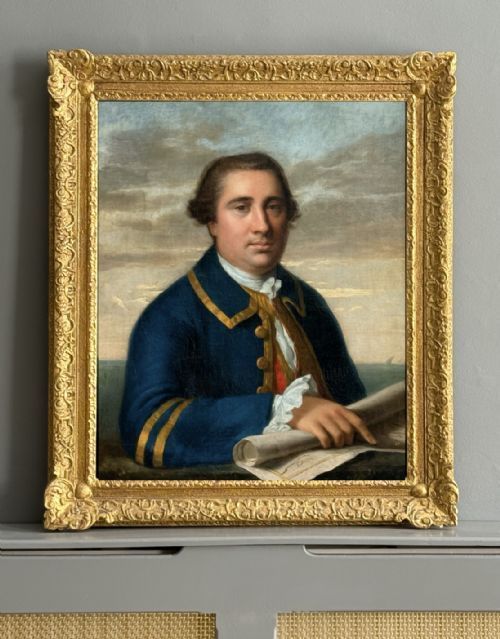
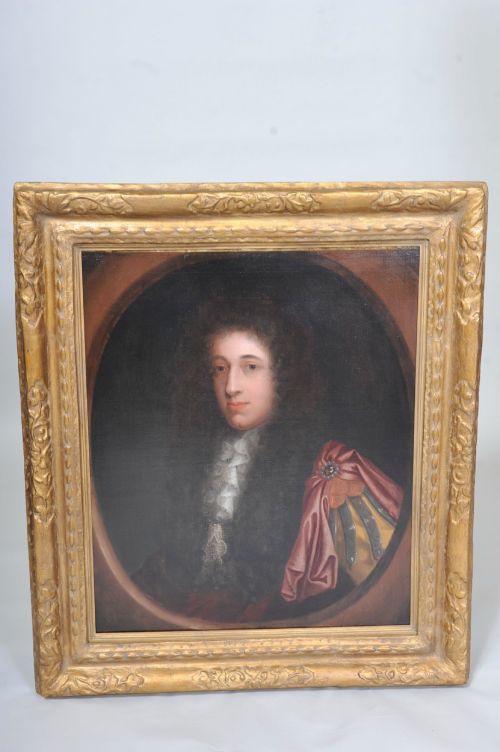
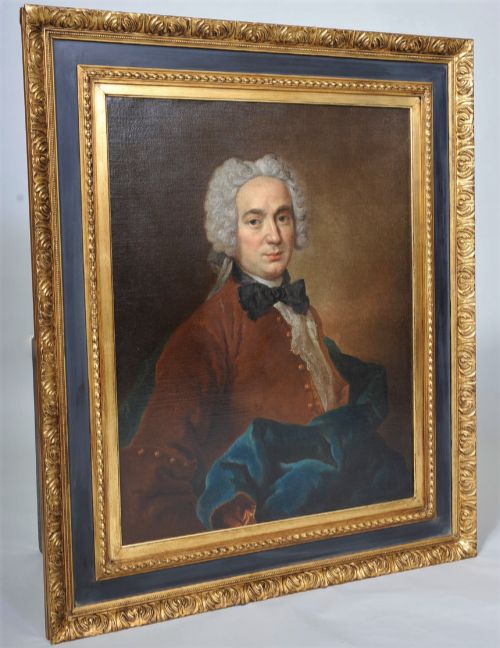
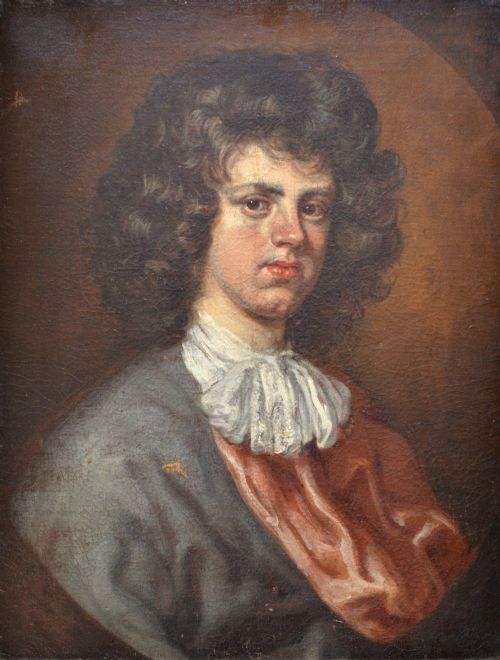
Antique Oil Portrait Gentleman
An antique oil portrait gentleman brings historical presence to a wall through centuries of layered pigment and likeness.
What They Are
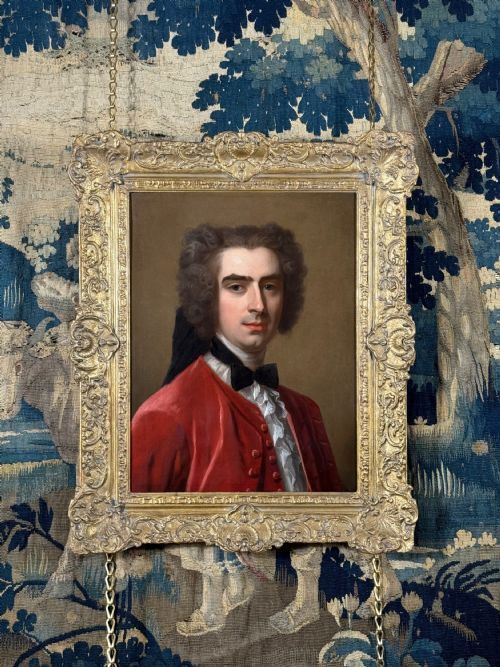
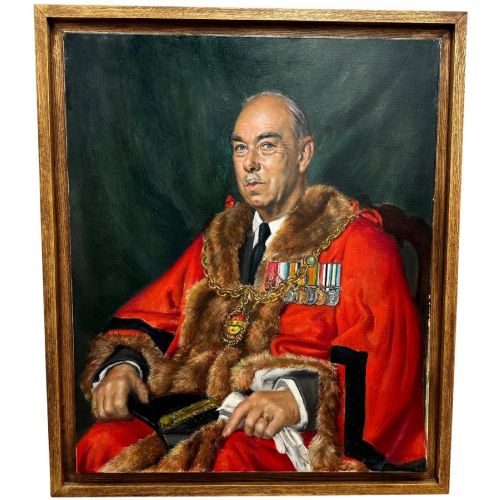
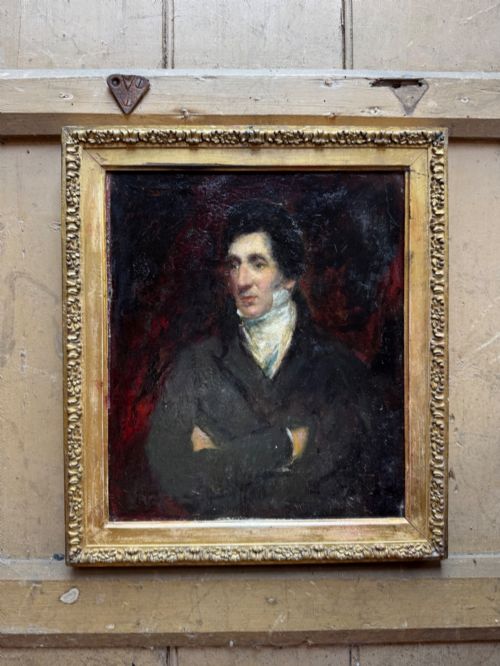
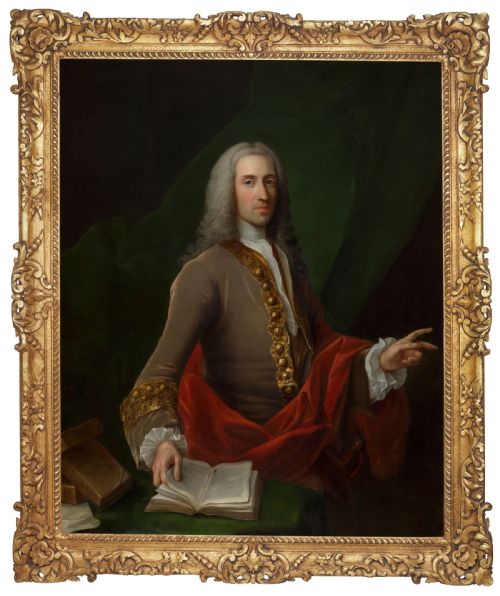
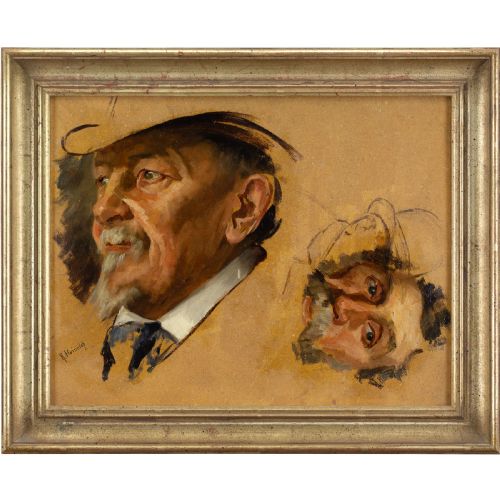
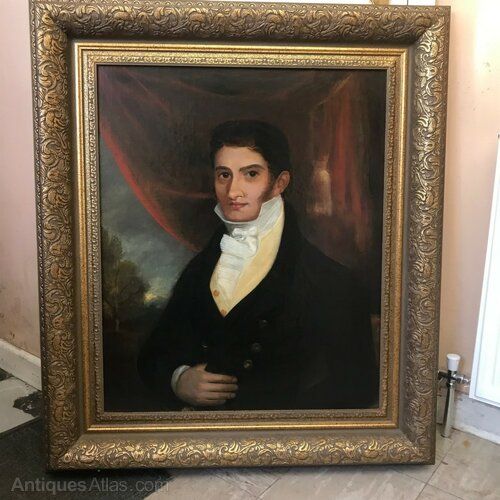
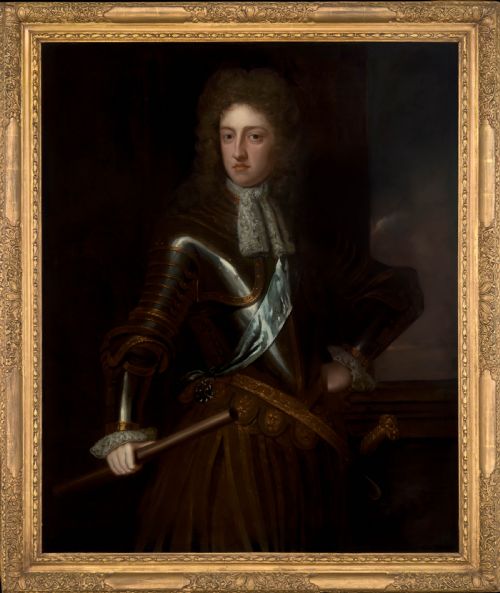
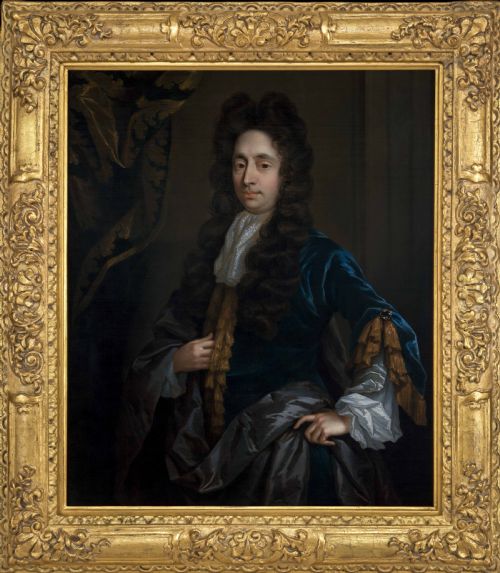
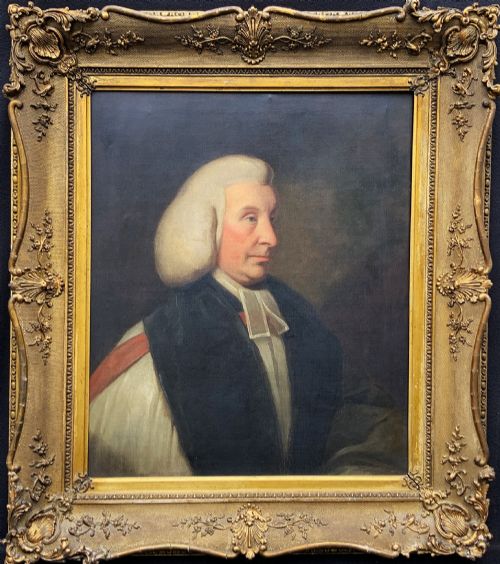
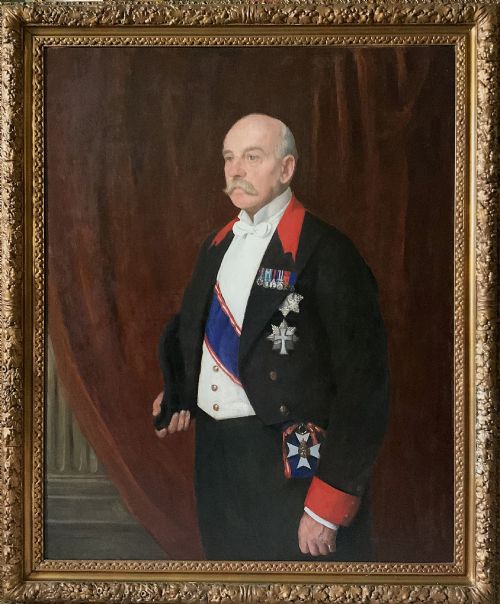
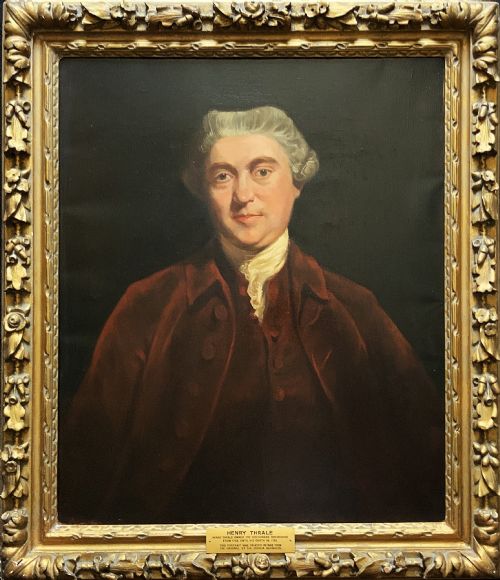
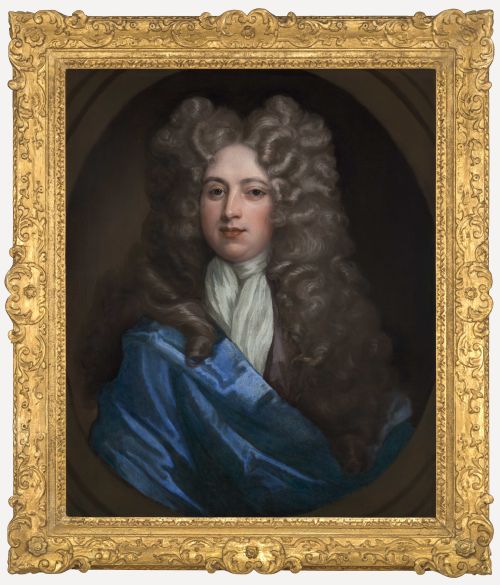
An antique oil portrait gentleman is a painted likeness capturing male subjects across centuries of shifting social and artistic ideals. These works record sitters in various forms, ranging from bust-length depictions to full compositions set within landscapes, libraries, or domestic interiors.
The selection encompasses diverse regional schools, including English, French, Dutch, Austrian, and German traditions. Canvases stretch from the seventeenth century through the Georgian, Regency, and Victorian eras, displaying sitters in attire that spans elaborate costume, armour, periwigs, and everyday dress.
Subjects appear with distinct personal items or attributes such as letters, magnifying glasses, walking canes, or pets. These elements provide narrative depth, linking the individual sitter to their profession, status, or personal interests during their lifetime.
How They Were Made
These works utilise oil paint applied to woven canvas, wooden panels, or occasionally copper supports, creating durable surfaces for detailed brushwork. Artists built the image through layered techniques, beginning with primed grounds and underpainting before applying luminous glazes and opaque highlights.
Frames are integral to the physical construction, frequently composed of carved giltwood that complements the depth of the painted surface. Panel paintings utilise rigid wooden supports, while canvas works rely on stretcher frames that maintain tension across the fabric.
Retail Price Guide 2026
Typical UK retail prices for oil portrait gentleman, calculated from the Sellingantiques database of over a million retail prices indexed since 2003. This retail price guide relies exclusively on Sellingantiques data; no external sources or auction records are used, so the figures do not describe the wider market.
The listings span four distinct centuries, featuring works from seventeenth-century Baroque masters through to nineteenth-century academic and Victorian schools.
What Varies in Quality
The preservation of the original paint layer and the condition of the support dictate the visual integrity of the piece. Subtle glazes and tonal transitions remain intact on well-preserved surfaces, whereas heavy overpainting obscures the artist's original touch.
Thomas Murray·John Michael Wright·Joseph Clover·Lemuel Francis Abbott·Arnold van Boonen
The Antique Oil Portrait Gentleman Glossary
- Canvas
- A heavy woven fabric stretched across a wooden frame to serve as a primary painting support.
- Giltwood
- Wood carved and coated with a thin layer of gold leaf, commonly found on period frames.
- Periwig
- A voluminous artificial hairstyle popular among men during the late seventeenth and early eighteenth centuries.
- Tricorn
- A style of hat with the brim turned up on three sides, frequently seen in eighteenth-century attire.
- Glaze
- A thin, transparent layer of oil paint applied over a lighter passage to alter colour and depth.
Frequently Asked Questions
How do I identify the period of a portrait?
Clothing styles, periwigs, hats, and facial hair provide the most reliable chronological markers for dating a historical likeness.
Changes in costume design align closely with prevailing fashions of the seventeenth, eighteenth, and nineteenth centuries.
What materials were commonly used for support?
Artists painted primarily on stretched canvas, though wooden panels and copper plates also appear in earlier works.
These varied supports influence how the oil paint ages and retain stability over centuries.
Why do some sitters hold specific objects?
Props such as letters, books, magnifying glasses, or walking canes indicate the sitter's profession, status, or intellectual pursuits.
These symbolic additions offer biographical context about the individual portrayed.
Are these works usually signed by the artist?
Many historical portraits remain unsigned, reflecting studio practices or the anonymous output of various regional schools.
Attributions rely on stylistic comparisons with documented works by known painters or their circles.