

Antique Wall Painting
Discover antique wall painting selections spanning centuries of oil portraits, watercolours, and framed canvas art to adorn your interior spaces.
Antique Wall Painting
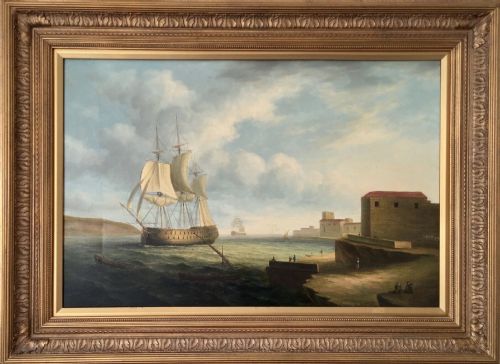
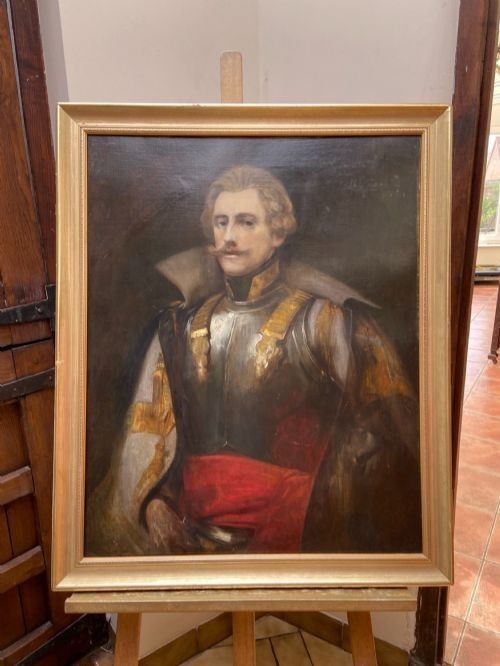
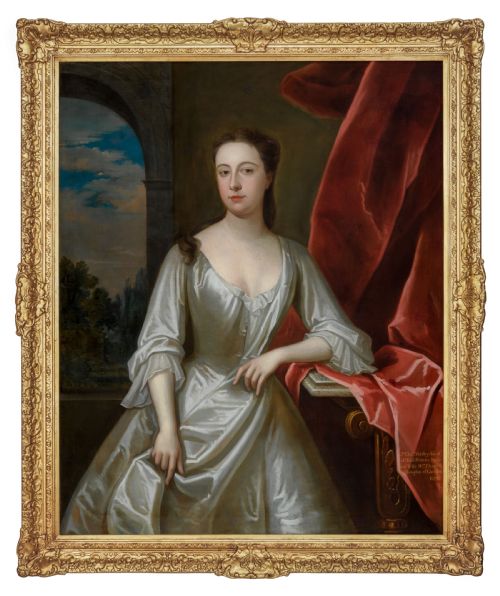
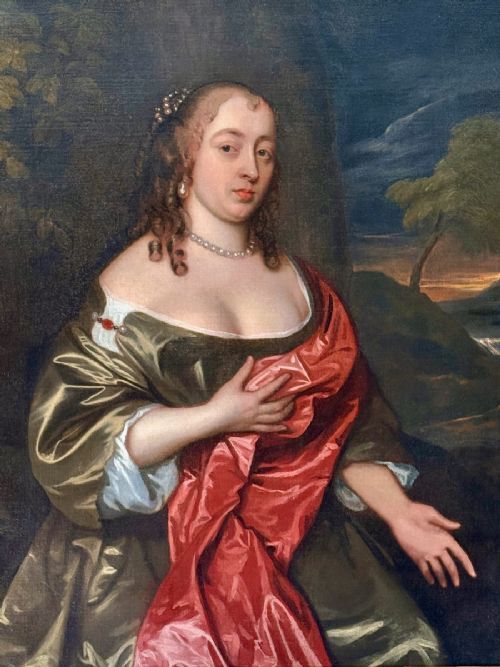
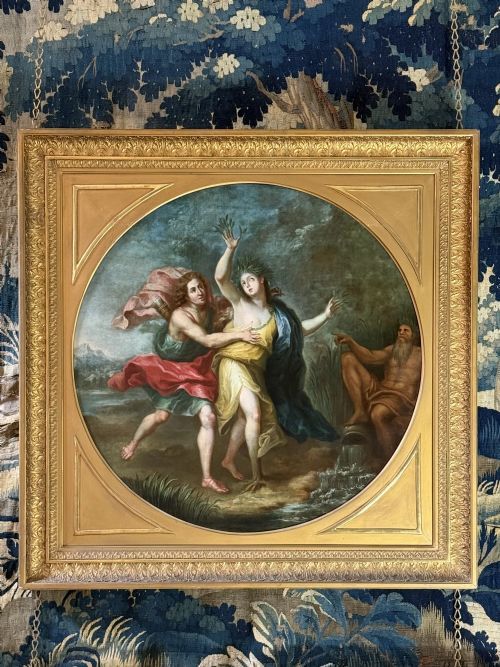
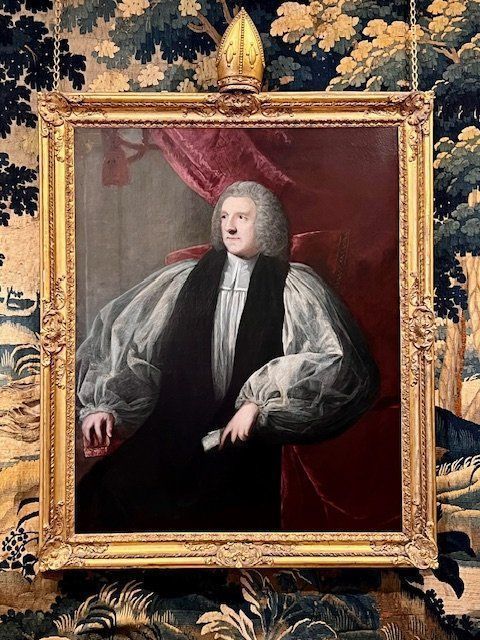
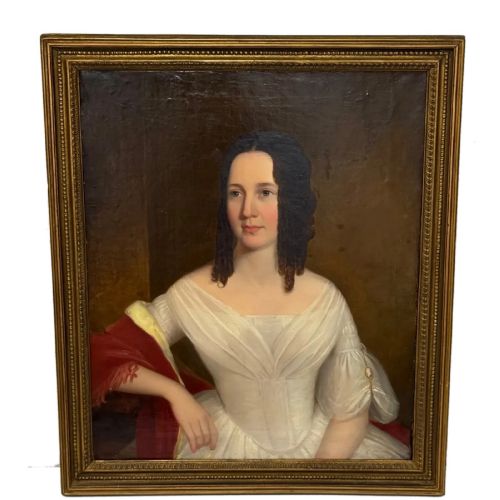
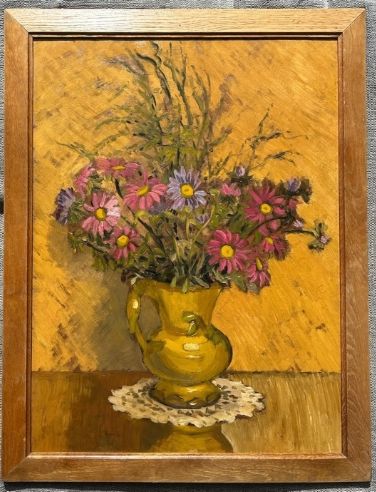
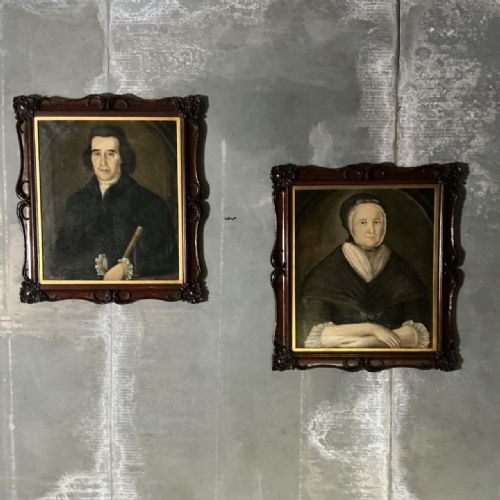
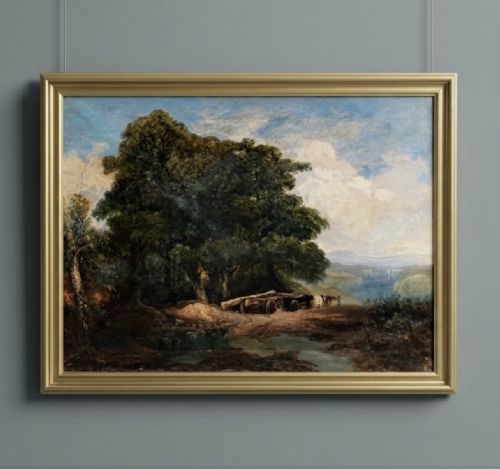
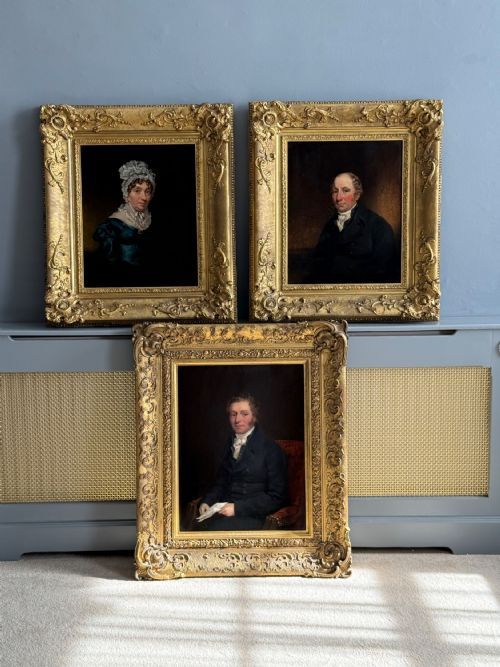
When exploring antique wall painting, collectors encounter a diverse array of framed artworks, oil paintings, and watercolours spanning from the seventeenth century through to the Edwardian period. The selections frequently include formal portraits, romantic landscapes, and coastal scenes rendered on canvas, wood panel, or paper.
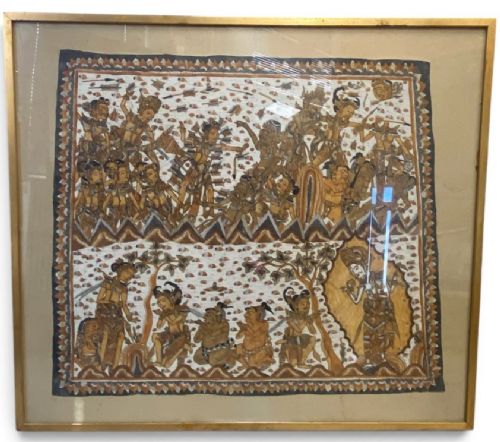
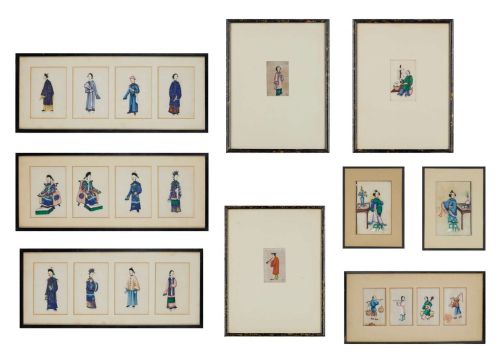
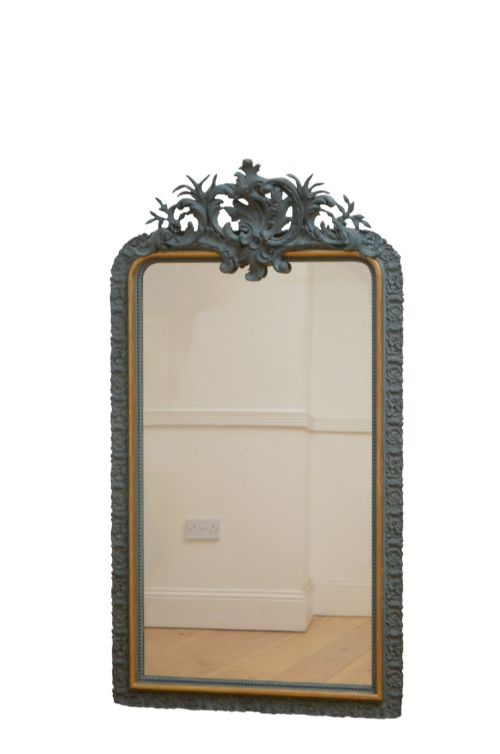
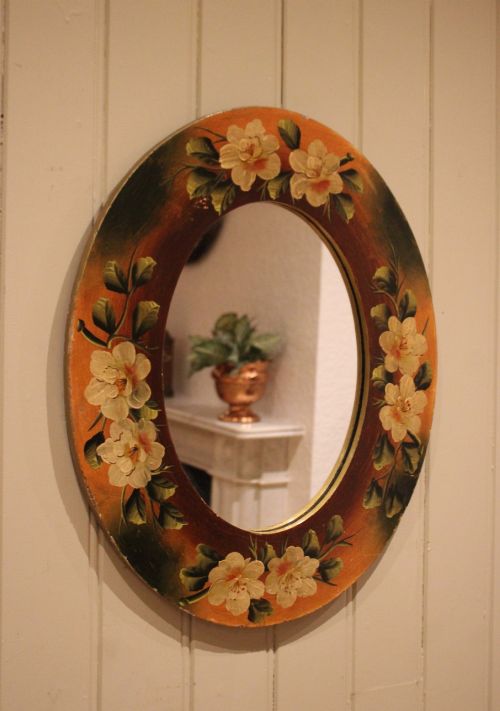
Most pieces available on this page reflect British and European schools, featuring notable examples of portraiture and landscape art from the nineteenth century. Buyers will also find decorative wall mirrors integrated with painted panels, alongside Chinese pith paintings from the late Qing dynasty.
These works served primarily as interior decoration and commemorative portraiture for stately homes and domestic spaces. Their enduring appeal lies in the hand-painted execution and the historical narrative carried within each brushstroke.
How They Were Made
Artists of these periods typically utilised oil paint applied to stretched canvas or prepared wood panels, building up layers of pigment and glaze to achieve depth. Watercolours on paper or card were equally prevalent for landscapes and preparatory designs, often finished with protective framing and glass.
Support materials ranged from traditional linen canvases to pith paper and glass plates, depending on the geographic origin and period of creation. Frames were frequently hand-carved from wood, incorporating giltwood or painted finishes that complemented the artwork within.
Antique Wall Painting Retail Price Guide 2026
Typical asking prices for wall painting among the pieces listed under this phrase on Sellingantiques today, from the lower quarter to the upper quarter. They describe what is for sale here now, not the wider market.
Listings feature eighteenth and seventeenth-century oil portraits alongside nineteenth-century British watercolours and French painted mirrors.
What Varies in Quality
Quality in these works rests upon the fidelity of the draughtsmanship, the subtlety of the colour palette, and the expressive handling of light and shadow by the artist. Masterworks demonstrate confident brushwork and anatomical or spatial precision, whereas lesser examples show stiffer execution or formulaic composition.
The preservation of the original surface, minimal intervention from later restoration, and the presence of contemporary or period-appropriate framing substantially influence the standing of an individual piece.
Sir Godfrey Kneller·Sir Joshua Reynolds·Joseph Clover·David Scougall·William Beattie-Brown
The Antique Wall Painting Glossary
- Oil on Canvas
- A painting technique using pigments bound in a drying oil, applied to a woven fabric stretched across a wooden frame. This method allowed artists to achieve rich colours and smooth gradations of tone.
- Giltwood
- Wood that has been coated with a thin layer of gold leaf or powder. It is commonly found on ornate antique mirror frames and picture frames.
- Watercolour
- A painting method in which the paints are made of pigments suspended in a water-based solution. It was widely employed for landscapes and detailed studies on paper.
- Pith Painting
- Artwork created on a delicate spongy substance derived from plant stems, historically produced in China during the nineteenth century. These pieces often depict figures and costumes with vibrant gouache pigments.
- Provenance
- The documented history of ownership of an artwork, establishing its authenticity and previous collections. A strong provenance links the piece to notable families or historic estates.
Antique Wall Painting: Frequently Asked Questions
How do I date an antique painting?
Dating relies upon stylistic cues, costume details in portraits, and the physical characteristics of the canvas, stretcher, or panel. Pigment analysis and inscribed signatures or dates on the reverse also provide reliable temporal markers.
Examining the framing techniques and secondary labels helps confirm the era in which the artwork was housed and displayed.
Where should I hang a large oil painting?
Large canvases require stable wall spaces away from direct sunlight and excessive humidity to protect the paint layer and canvas tension. Principal reception rooms or above a fireplace traditionally accommodated substantial historical portraits and landscapes.
Ensure the supporting wall structure can securely bear the combined weight of the heavy wooden or gilt frame.
How do I clean an antique frame?
Dust accumulated on carved or giltwood frames should be removed gently using a very soft, dry brush without applying moisture. Avoid chemical cleaning agents that can strip the delicate gold leaf or original surface patination.
Professional conservators should handle any deep cleaning or repair work required on fragile antique mouldings.
What is the difference between oil and watercolour?
Oil paintings utilise slow-drying oil binders on canvas or wood, allowing artists to rework areas and build heavy impasto textures. Watercolours employ water-soluble media on paper, yielding translucent effects and rapid execution.
Watercolours require protective glass framing to prevent moisture damage, whereas oil paintings on canvas remain exposed to the air.