

18th Century Framed Picture
When you search for an 18th century framed picture, you enter a world of period oils, engraved mezzotints and delicate silk needleworks that preserve Georgian interiors.
18th Century Framed Picture
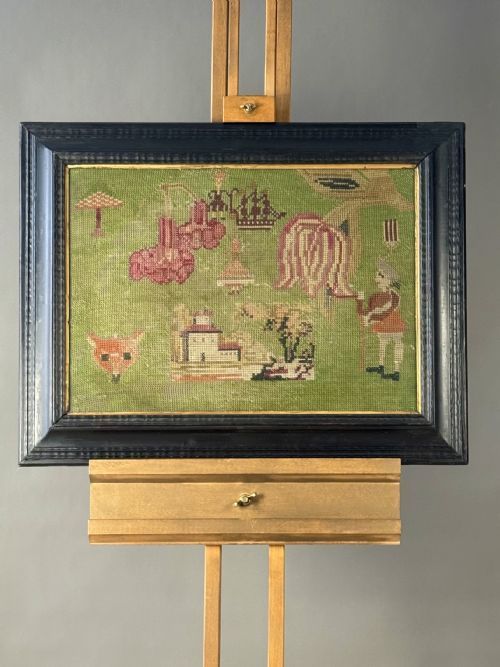
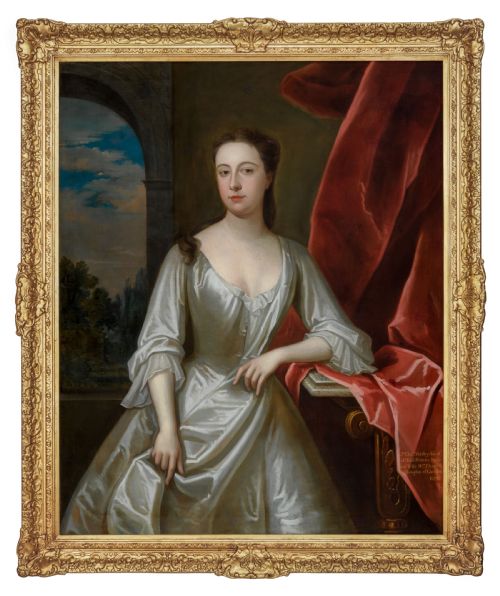
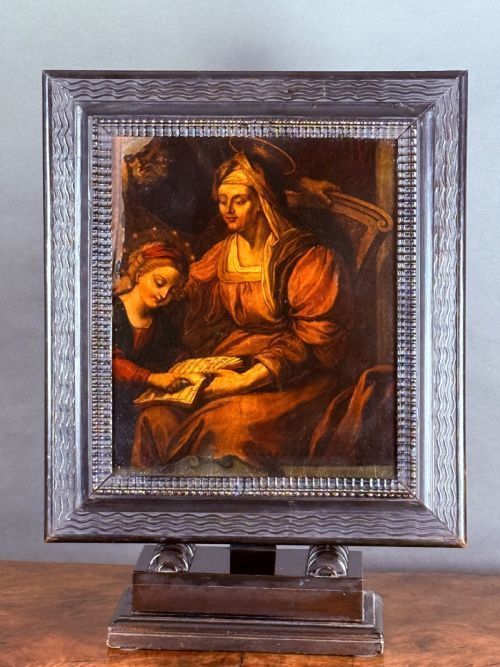
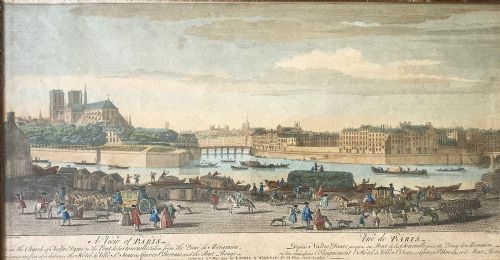
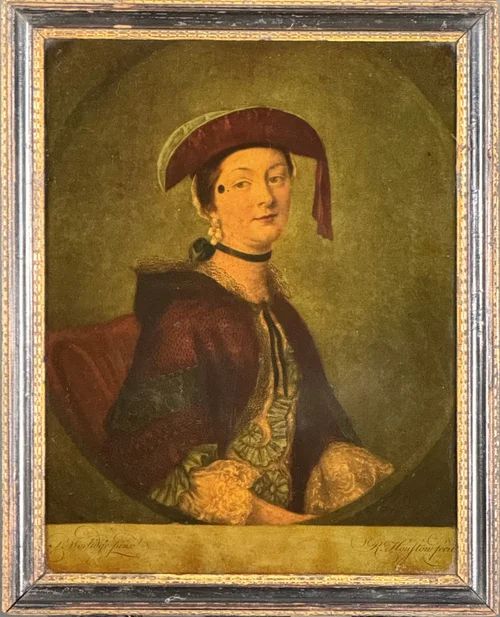
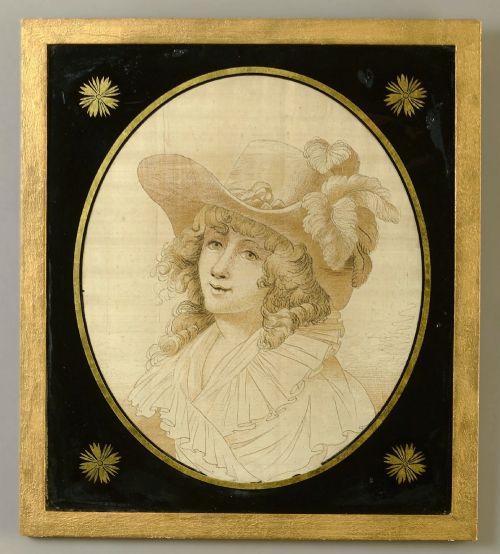
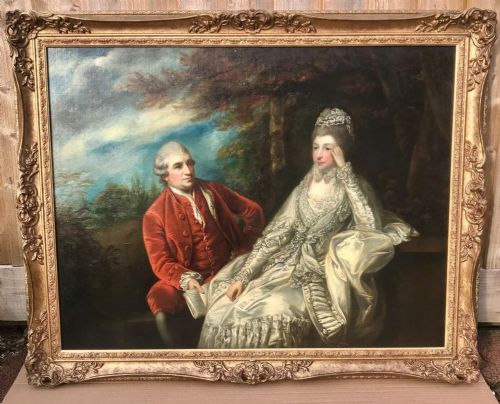
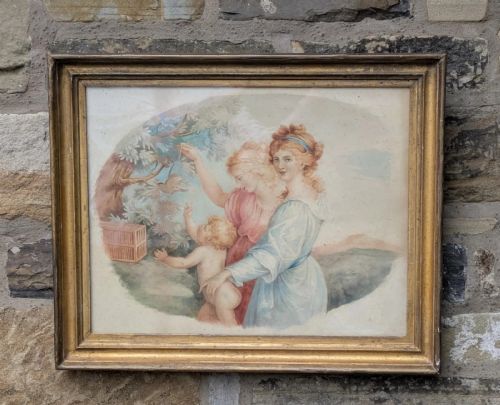
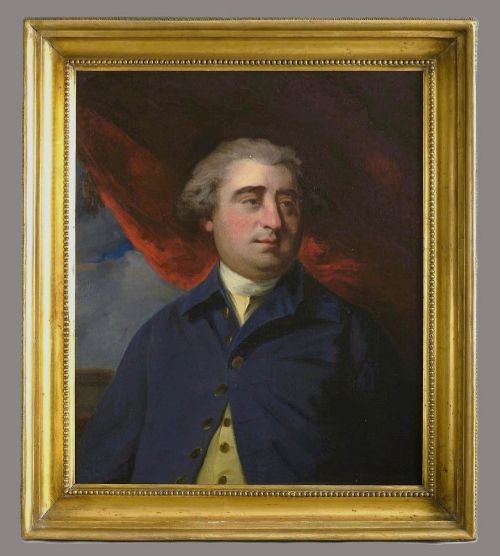
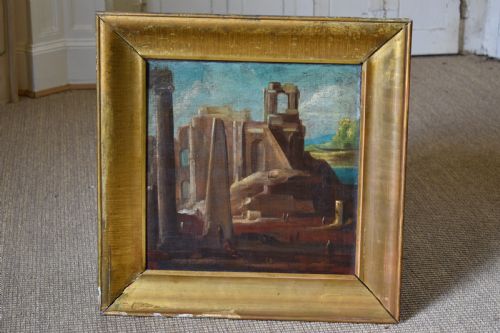
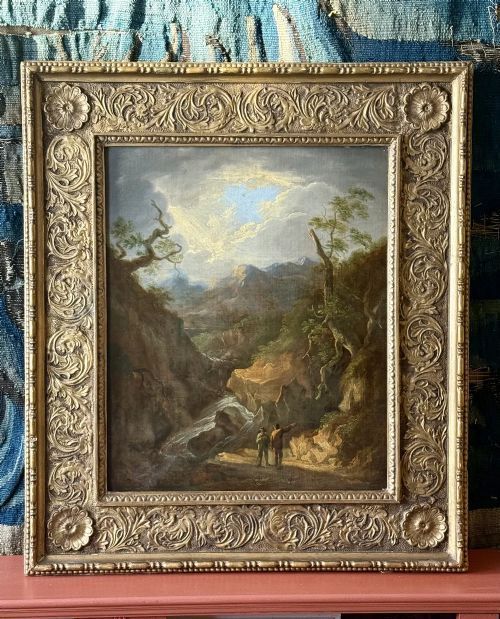
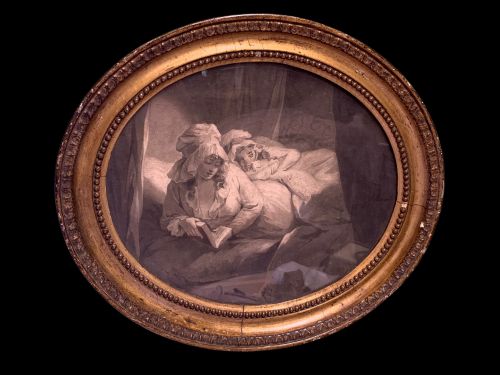
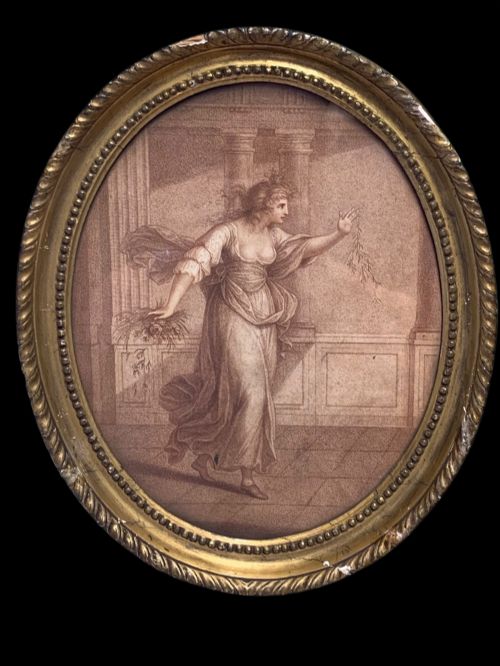
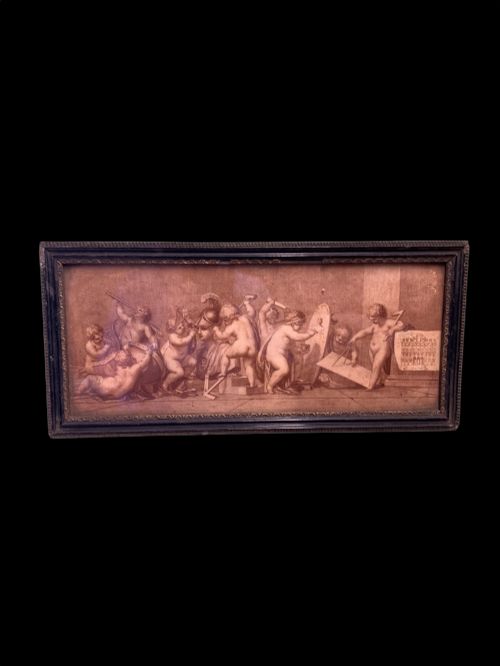
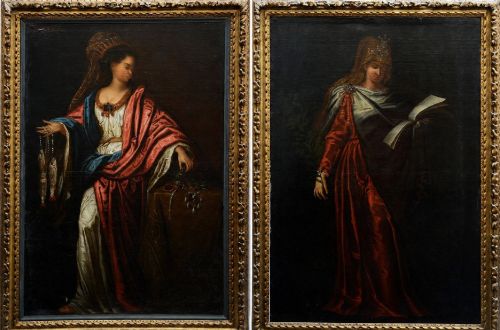
An 18th century framed picture encompasses wall art produced across the Georgian era, ranging from oil on canvas portraits to delicate paper engravings and woven silk works. Buyers encounter numerous examples of reverse glass painted mezzotints alongside classical scenes, French engravings and needlework pictures housed in period surrounds.
The assortment on this page spans oil paintings, framed prints and portrait miniatures created during the 1700s and early 1800s. These pieces reflect European schools, British portraiture and historical genres that retain their original timber and giltwood framing.
Materials and Techniques
Makers utilised oil paint on canvas and wood panels alongside paper for engravings, etchings and stipple prints with original hand colouring. Glass served as the primary support for reverse painted mezzotints, where artists applied pigments directly to the reverse side to achieve a luminous finish.
Textile arts incorporated woven silk, silk floss and needlework stitched into pictorial compositions. Frames were constructed from wood, often finished with gold leaf, giltwood or simple dark moulding to complement the artwork within.
18th Century Framed Picture Retail Price Guide 2026
Typical asking prices for 18th century framed picture among the pieces listed under this phrase on Sellingantiques today, from the lower quarter to the upper quarter. They describe what is for sale here now, not the wider market.
Materials recorded across the inventory feature oil paint, canvas, paper, glass, gold leaf and woven silk.
Evaluating Quality
The relationship between the picture and its surround defines upper-tier examples, particularly when the artwork retains its original period frame. The preservation of the paper, canvas or silk surface without excessive restoration marks the distinction between standard and exceptional pieces.
Sir Godfrey Kneller·Sebastiaan Vrancx·Charles Spooner·Joshua Reynolds·Benjamin Barker of Bath·Samuel Dixon·Étienne Baudet·Robert Sayer·George Romney
The 18th Century Framed Picture Glossary
- Mezzotint
- A printmaking process of the print family where the plate is roughened to produce dark tones and scraped to create light areas. These were frequently hand-coloured and reverse painted on glass during the Georgian period.
- Stipple engraving
- A technique using dots of varying density to create tonal gradations and figures. This method produced soft, painterly prints popular for portraits.
- Giltwood
- Wood carved and coated with a thin layer of gold leaf or gilt preparation. It forms the ornate borders seen on many period frames.
- Needlework picture
- A pictorial textile artwork stitched with silk or wool threads on a fabric ground. These depict landscapes, figures and classical subjects.
- Reverse glass painting
- An artistic method where the image is painted on the back of a glass pane to be viewed from the front. This protects the pigment and adds a distinct gloss.
18th Century Framed Picture: Frequently Asked Questions
How do I identify a genuine period frame?
Examine the timber construction behind the moulding, looking for old fixings, hand-cut joinery and signs of age such as shrinkage cracks in the gesso or wood.
Original frames often show consistent wear patterns that match the age of the picture housed inside them.
What is a reverse glass mezzotint?
This technique involves taking a printed mezzotint, transferring or applying it to a glass plate, and painting it by hand from behind.
The resulting picture has a glossy finish and a depth that standard paper prints do not possess.
How should I care for silk needlework pictures?
Keep textile art and silk floss works away from direct sunlight to prevent the fading of natural dyes.
Maintain stable humidity levels in the room to protect the delicate fabrics from degrading over time.
Are oil paintings on this page varnished?
Most period oil paintings feature a protective layer of aged varnish that has darkened slightly over the centuries. This coat shields the underlying oil paint from atmospheric pollutants.