


Canvas Oil Portrait Art
Canvas oil portrait art captures centuries of individual likenesses and historic subjects painted directly on woven fabric.
Canvas Oil Portrait Art
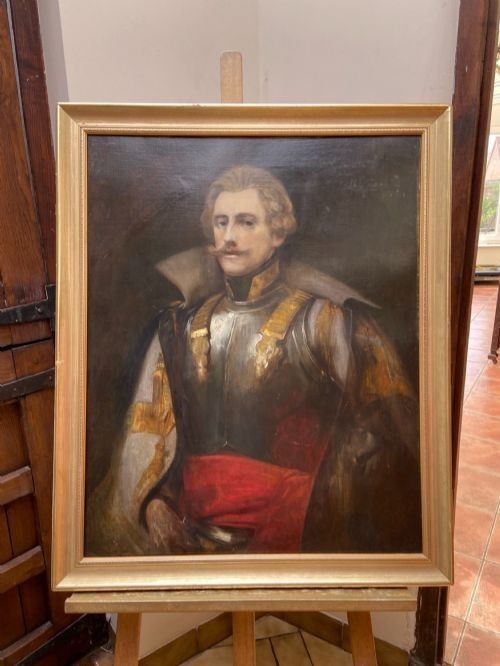
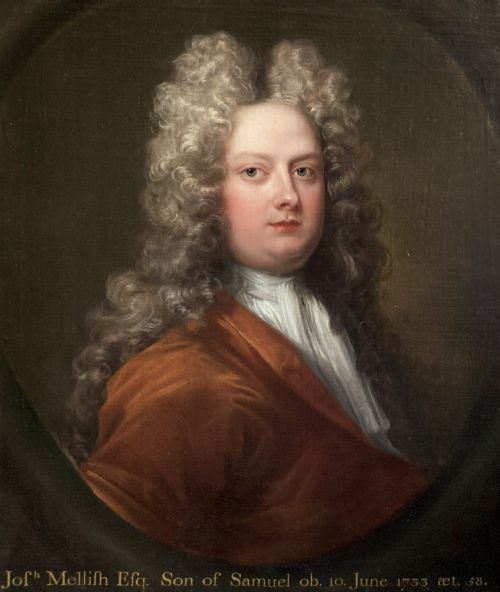
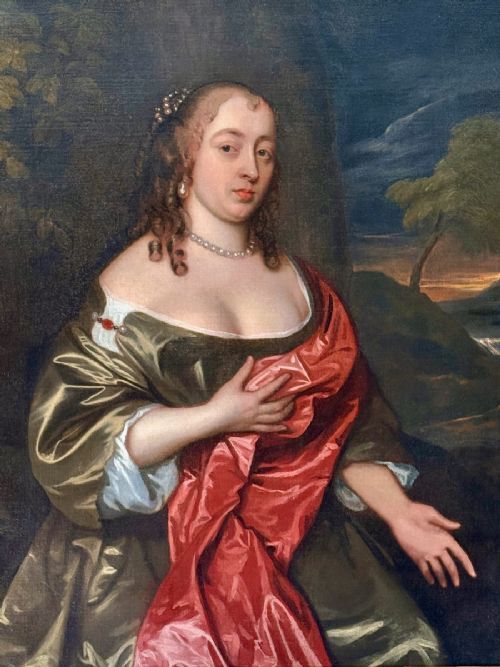
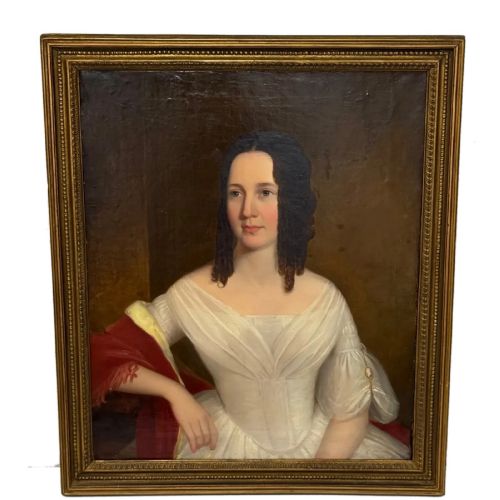
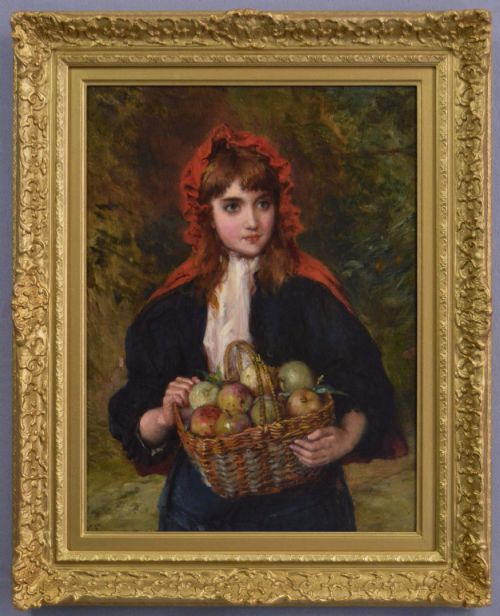
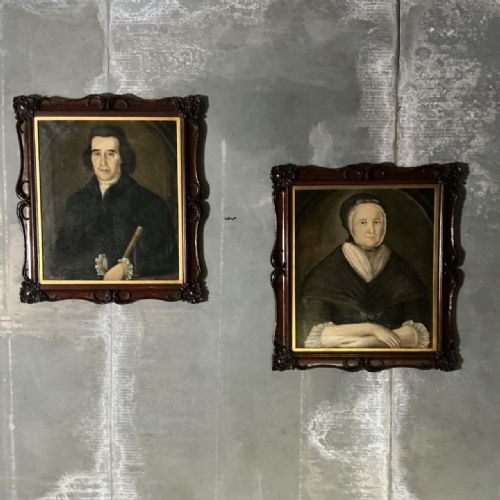
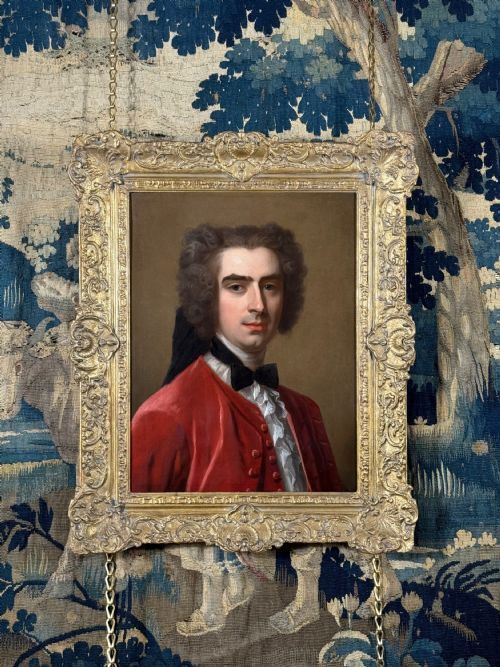
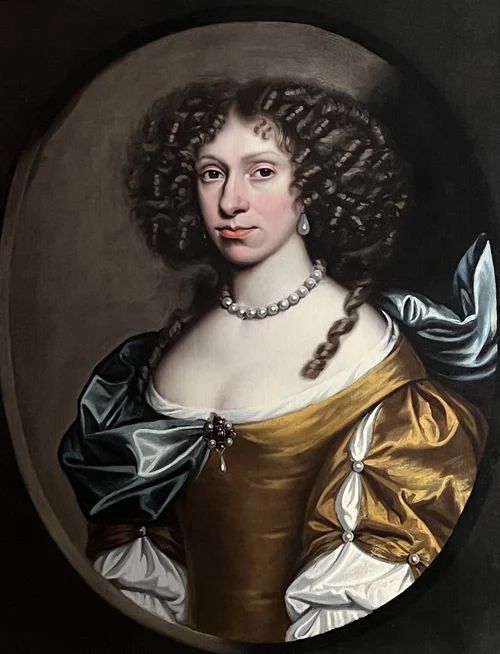
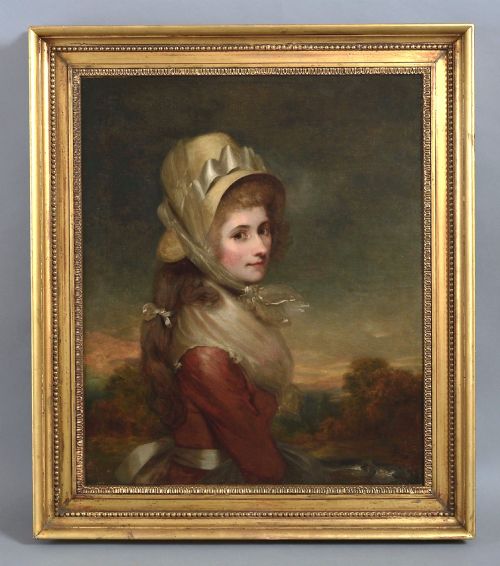
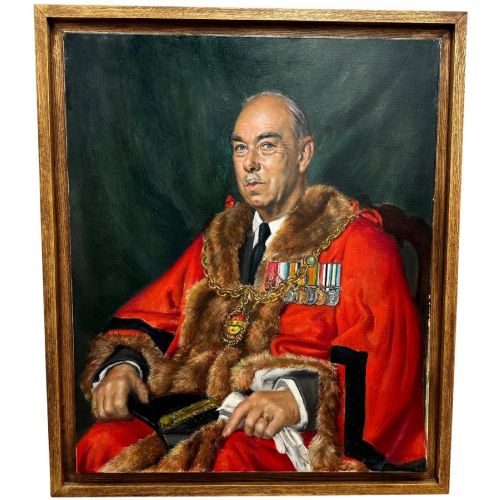
When exploring canvas oil portrait art, buyers encounter centuries of painted representations ranging from rigorous seventeenth-century depictions of nobility to nineteenth-century romantic studies and twentieth-century regional works. The selection spans formal half-length documentation of historical figures, intimate character studies of children or animals, and derivative copies after old masters.
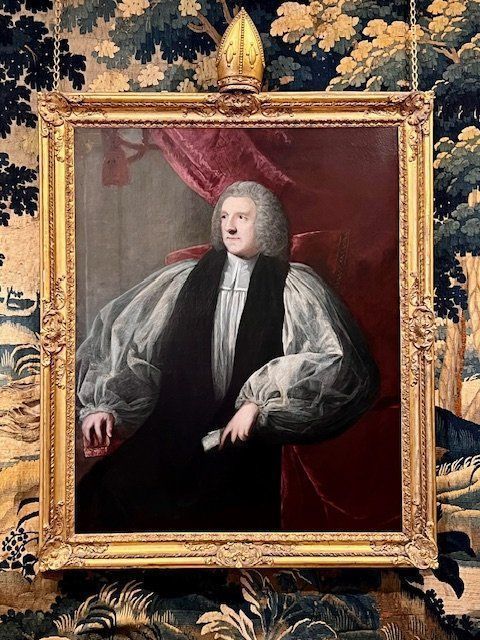
The pieces typically arrive stretched on timber frames and frequently sit inside period giltwood surrounds that complement the depth of the pigments. Buyers find both named sitters with documented lineages and provincial works originating from anonymous British or European schools.
Origins stretch across British, Dutch, Italian, and Scottish workshops, reflecting changing social attitudes toward portraiture over three hundred years. Surviving works include large-scale ceremonial canvases alongside modest domestic paintings intended for private parlours.
How They Were Made
Makers built these works using oil paint applied to woven canvas supports, often prepared with a gesso or priming layer to seal the textile grain before brushing colour across the surface. Artists utilised natural pigments bound in oils, layering transparent glazes to build skin tones and opaque highlights for collars and textiles.
The primary structural components relied on seasoned wood stretchers, which held the fabric under tension, while decorative housings utilised carved wood finished with gold leaf or giltwood compositions.
Over generations, physical creation involved meticulous brushwork that recorded the distinct textures of lace, velvet, and skin, preserved today through the stability of oil media on flexible cloth.
Canvas Oil Portrait Art Retail Price Guide 2026
Typical asking prices for canvas oil portrait art among the pieces listed under this phrase on Sellingantiques today, from the lower quarter to the upper quarter. They describe what is for sale here now, not the wider market.
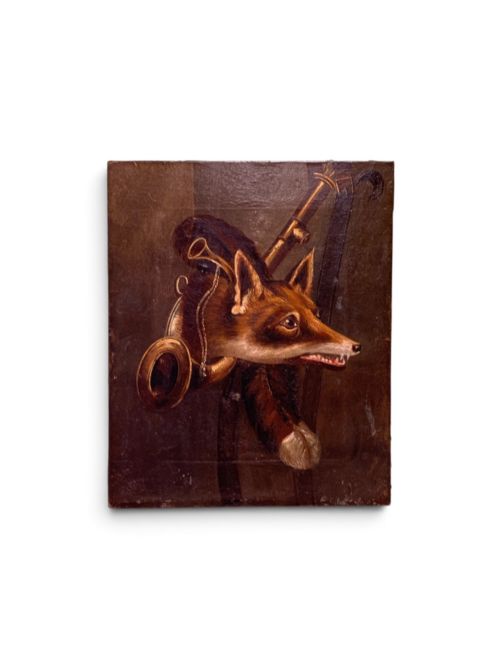
Several historic sitters share wall space with steadfast companions, including prize racing pigeons, resting sheep, and watchful cats.
What Varies in Quality
Differentiation across the range rests on the anatomical precision of the drawing, the handling of light across fabrics and faces, and the historical importance of the sitter. Master painters achieved psychological depth and textural realism in drapery, whereas provincial or studio copies often display rigid symmetry and formulaic background rendering.
The integrity of the original canvas support and the survival of uncompromised pigment layers dictate the enduring visual power of each painting. Pieces retaining their primary stretchers and period giltwood frames command higher regard among collectors than those subjected to heavy structural interventions.
Charles Jervas·Sir Joshua Reynolds·William Oliver·Jean-Baptiste Van Loo·David Scougall·Sir Peter Lely·George Willison·John Opie·Jeremiah Davison·Willem Wissing·Jan van der Vaart·Robert Levrac Tournières·William Hogarth·Rudolphus Schmutz·James William Booth·Robert Surtees Snr
The Canvas Oil Portrait Art Glossary
- Oil on Canvas
- A painting medium where pigments suspended in drying oils are applied to a woven fabric ground. This combination allowed artists to blend tones smoothly and work across extended periods.
- Giltwood
- Carved wood decorated with gold leaf or metallic powder applied over a prepared gesso base. It forms the traditional bright border surrounding historic paintings.
- Circle of
- A designation indicating the work was produced by an artist closely associated with a master, sharing identical techniques and studio influences without being a direct autograph piece.
- Provincial School
- A term for art produced outside major metropolitan centres, often displaying charmingly direct techniques and local character rather than academic polish.
- Stretcher
- The internal wooden frame that holds the textile support taut. Original timbers help confirm the age and integrity of the painting.
Canvas Oil Portrait Art: Frequently Asked Questions
How do I identify the period of a canvas portrait?
Dating relies heavily on the sitter's costume, wig style, and lace collars, alongside the preparation of the canvas and the construction of the wooden stretcher behind the piece.
Secondary clues include the framing materials, handwritten inscriptions on the reverse, and stylistic conventions typical of eighteenth or nineteenth-century portraiture.
What is the difference between an original and an after work?
An original portrait represents a direct sitting from life by the credited artist, capturing a specific historical individual with primary observation.
An after work is a later or contemporary copy made after a famous master's painting, often created for study purposes or to fulfill domestic decorating tastes.
How should I care for an oil painting on canvas?
Display the artwork away from direct sunlight, extreme temperature fluctuations, and high humidity to prevent the canvas from sagging and the oil paint from cracking.
Dust the surface gently with a soft, dry brush and avoid using liquid cleaners or touching the painted pigment directly.
Why do some portraits include coats of arms?
Heraldic devices, crests, or painted inscriptions identify the aristocratic lineage or official office of the sitter, documenting their social standing.
These additions help historians trace the provenance and connect the portrait to specific family estates and historical records.