


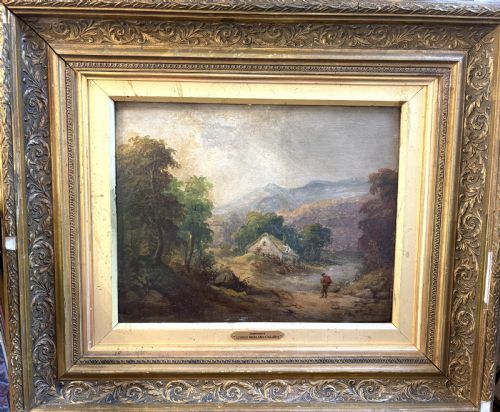
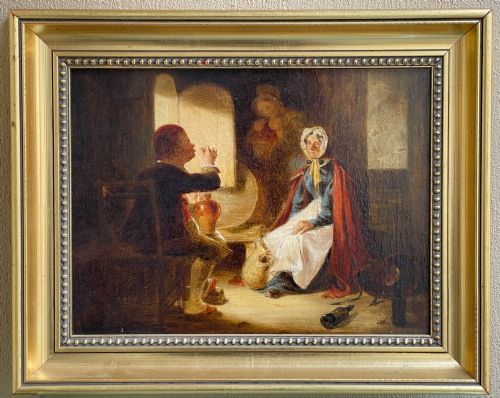
Georgian Style Wall Art
Georgian style wall art brings historic portraiture, pastoral watercolours and classical engravings into a room.
Georgian Style Wall Art
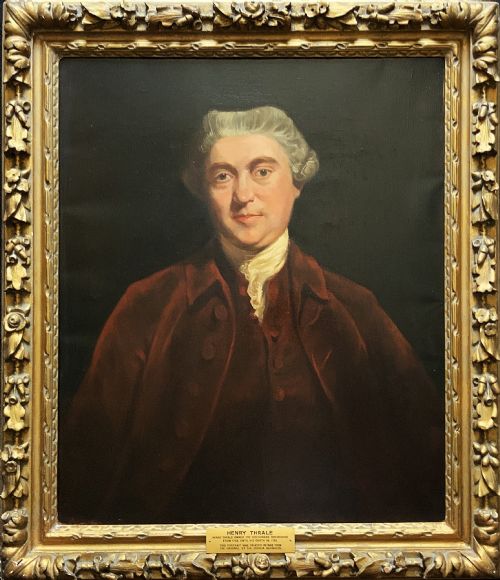
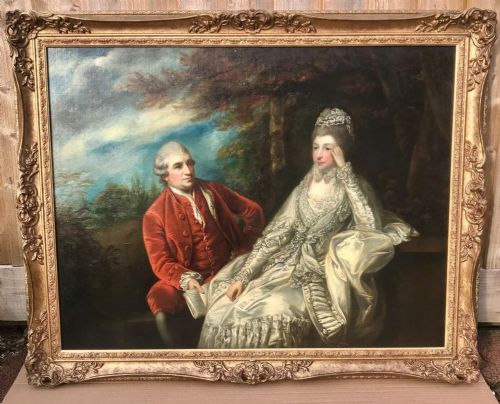
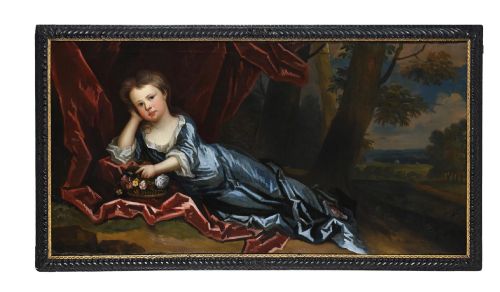
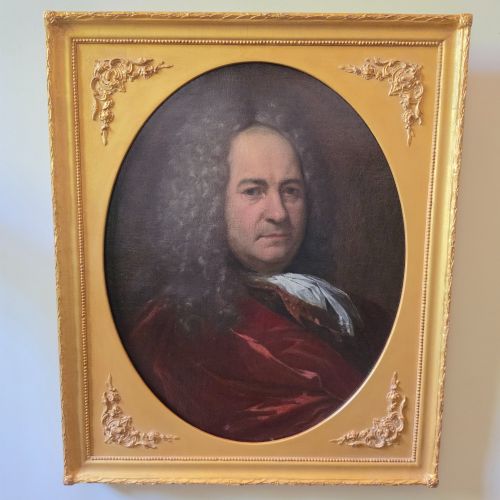
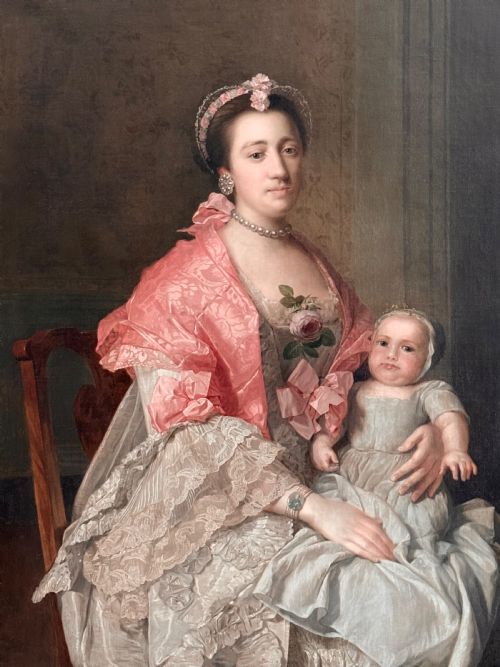
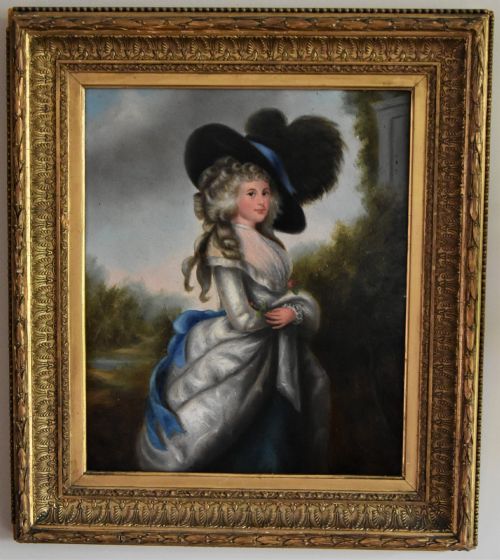
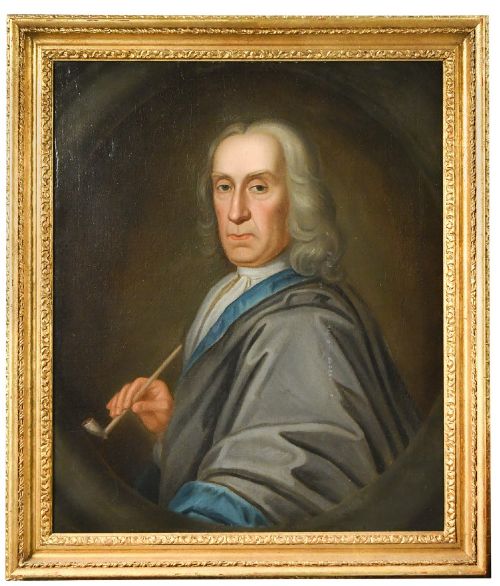
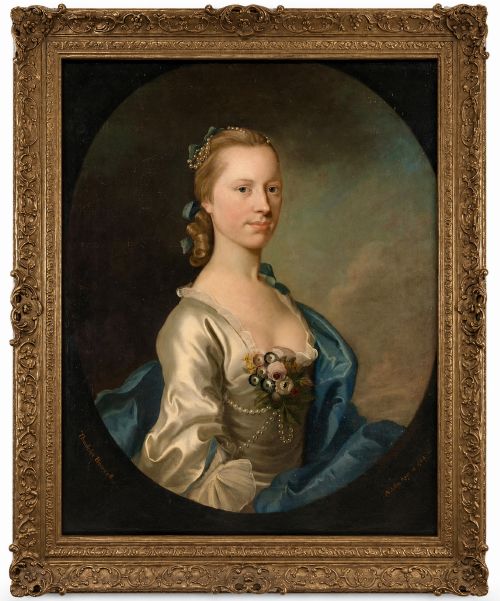
When you examine georgian style wall art, you encounter oil paintings on canvas, watercolours, and framed prints dating from the eighteenth century onwards. The selection relies heavily on oil portraits, classical scenes, and landscape works executed in the manner of established artists.
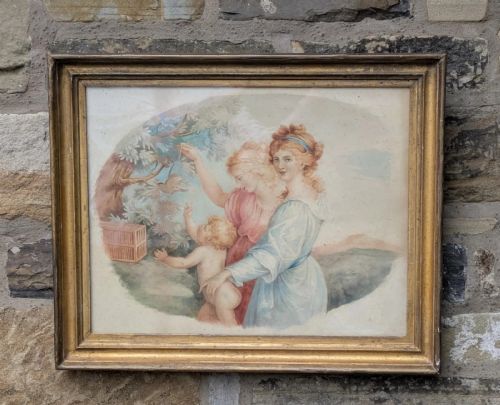
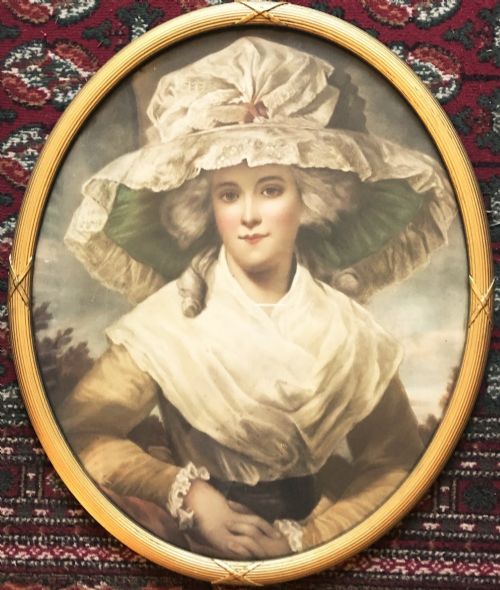
Most examples span the eighteenth and nineteenth centuries, including period originals alongside later revivals such as Edwardian watercolours and nineteenth century prints. You will also find textiles, silhouette cutouts, and porcelain plaques mounted as wall decoration.
How they were made
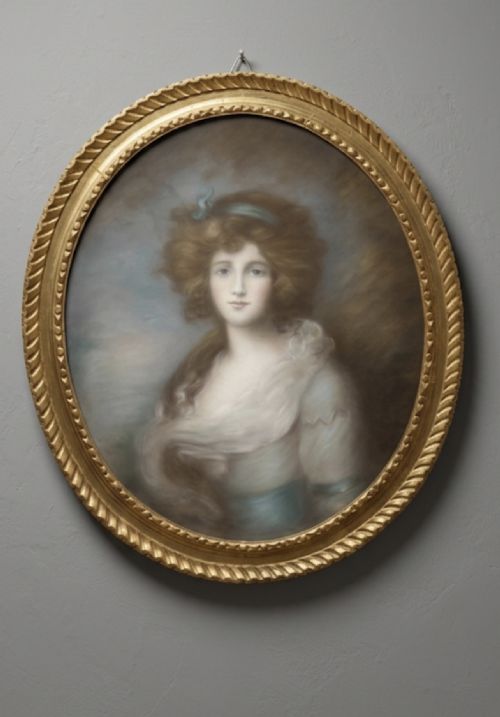
Makers built these pieces using oil paint on canvas or board, alongside watercolour and pastel applied to paper. Frames incorporate timber, carved giltwood, and traditional Hogarth moulding to support the panels and glazed prints.
Engravers used copper plates to produce hand-coloured prints and mezzotints, sometimes signed by the printmaker. Needlework panels and fabric wall hangings demonstrate period embroidery and tapestry techniques.
Materials recorded across the inventory include giltwood, canvas, paper, porcelain, and silk embroidery.
What varies in quality
Quality rests in the execution of the brushwork and the fidelity of the composition to its period source. Studio samples and works by followers display varying degrees of painterly confidence compared to primary portraits.
Materials also dictate standard, from carved giltwood frames with deep relief to simpler wooden mouldings. Original canvases laid onto board and clear, unblemished glass over paper prints represent distinct tiers of preservation.
Sir Joshua Reynolds·Charles D Agar·Allan Ramsay·Sir Thomas Lawrence·George Morland·Sydney Wilson·George Kilburne·George Romney·John Constable·George Edwards·Thomas G Appleton·Abraham Cooper
The Georgian Style Wall Art Glossary
- Mezzotint
- A printmaking process where the copper plate is roughened to achieve rich tonal gradations and dark backgrounds. This technique was frequently utilised for reproducing oil paintings.
- Giltwood
- Timber carved and coated with gold leaf or a gold-coloured finish. It provides the decorative border for many period paintings and mirrors.
- Eglomise
- A technique where gold or silver leaf is applied to the reverse side of glass and then etched or painted. It creates a reflective, decorative panel suitable for wall display.
- Engraving
- An intaglio printmaking method where lines are cut directly into a metal plate with a burin. The resulting grooves hold ink to transfer the image onto paper.
Georgian Style Wall Art: Frequently Asked Questions
How do I identify period pieces?
Distinguishing period originals from later revivals requires examining the materials, canvas preparation, and framing techniques. Eighteenth-century works often display hand-woven canvases and period pigments.
Secondary indicators include the style of the stretcher frames, paper ageing, and inscription styles on the reverse. Comparing the hand to known studio practices helps confirm the era.
Where were these artworks displayed?
Original artworks hung in country houses, libraries, and formal drawing rooms across Britain. They served as family portraits, academic studies, or decorative elements within panelled interiors.
Smaller engravings and silhouettes often decorated intimate spaces like bedrooms or private studies. Their placement depended on the social status of the household.
How should I care for oil paintings?
Oil paintings require stable environmental conditions away from direct sunlight and excessive humidity. Keep them in rooms with minimal temperature fluctuation to prevent canvas slackening and paint cracking.
Dust surfaces gently with a soft, dry brush without applying pressure or cleaning agents. Consult a professional conservator for deeper cleaning or canvas repairs.