





18th Century Style Prints
These 18th century style prints bring decorative history and classical portraiture into modern rooms through engravings, oleographs, and framed wall art.
18th Century Style Prints
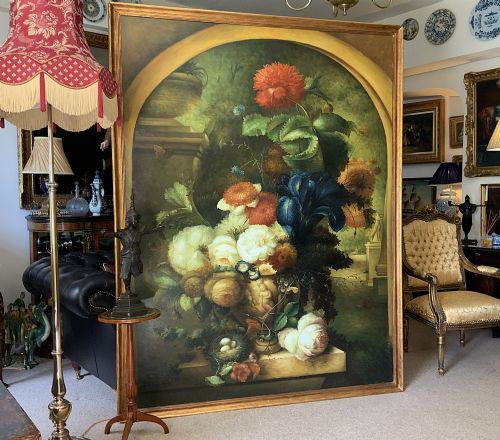
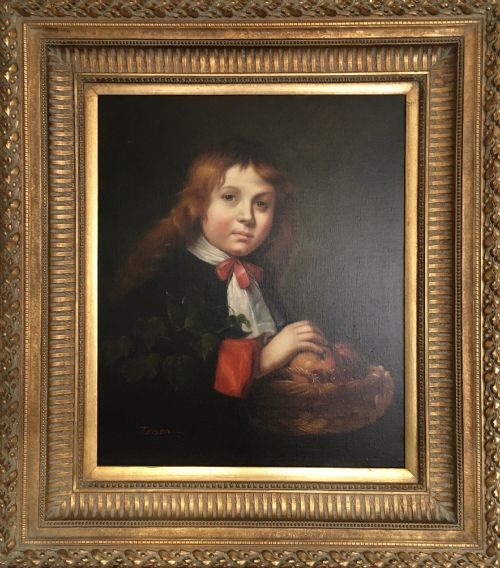
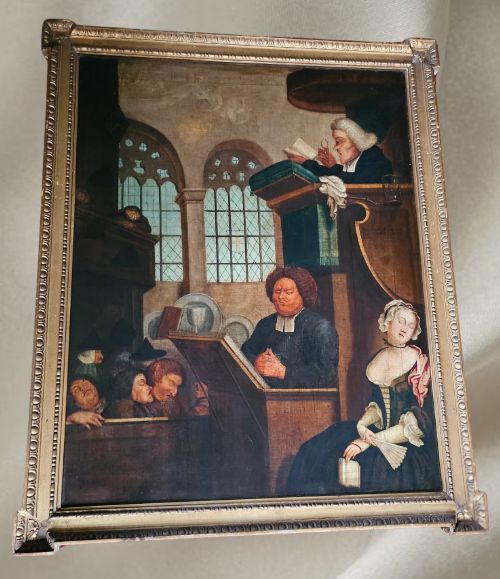
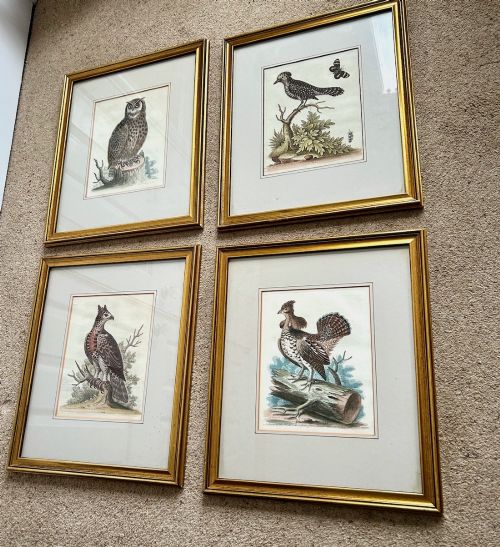
When you search for 18th century style prints, you encounter works spanning the Georgian and Regency periods alongside later nineteenth-century interpretations and twentieth-century reproductions. The selections on this page encompass framed prints, hand-coloured engravings, and fine art paintings depicting portraits and classical scenes.
You are most likely to meet pieces produced after notable artists such as William Hogarth, George Romney, and Jean-Baptiste Greuze. These items capture historical aesthetics through varied mediums, including paper prints, canvas works, and textiles.
How they were made
The construction of these pieces relies primarily on paper prints and engravings housed within wooden frames, often featuring gilt wood or gilded wood finishes. Some examples incorporate varnish layers or canvas surfaces to replicate the appearance of traditional oil paintings.
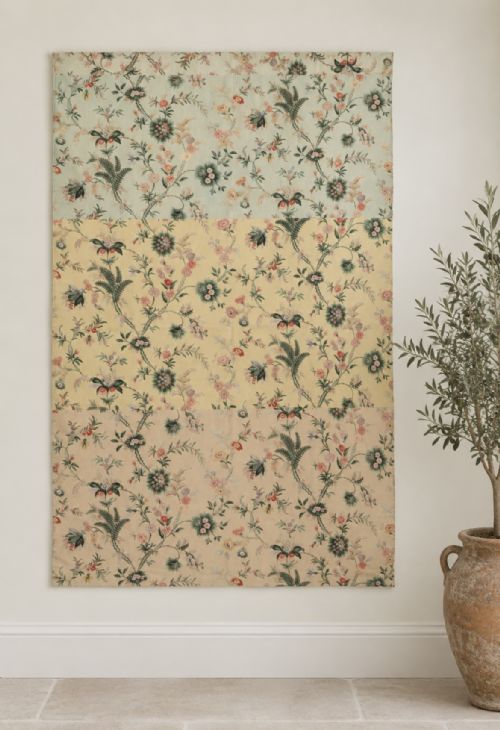
Hand-colouring techniques appear on engraved plates, while other items utilise textile panels or specialised printing processes like oleographs to achieve their finished visual effect.
Materials observed across the items are paper, glass, gilt wood, canvas, varnish, oil, gilded wood, and wood.
What varies in quality
Quality in these decorative works is distinguished by the fidelity of the printing method and the materials used for the framing. Hand-coloured details and fine engraving lines indicate higher grade execution compared to standard reproduction methods.
The preservation of the paper, canvas, or textile surface alongside the condition of the gilded wood frame determines the overall integrity and visual depth of the piece.
Jean-Baptiste Greuze·William Hogarth·George Romney·George Edwards·Thomas Gainsborough
The 18th Century Style Prints Glossary
- Engraving
- A printmaking process where an image is incised into a metal plate, which then holds ink for transfer to paper. This technique creates fine, sharp lines characteristic of historical print work.
- Oleograph
- A type of chromolithography designed to imitate an oil painting on canvas or textured paper. It often includes varnish to replicate brush texture and sheen.
- Neoclassical
- An artistic style drawing inspiration from the classical art and culture of ancient Greece and Rome. It emphasises symmetry, proportion, and classical motifs.
- Rococo Revival
- A nineteenth-century design movement resurrecting the ornate, flowing curves and asymmetry of the eighteenth-century Rococo period. It appears frequently in decorative frames and furnishings.
18th Century Style Prints: Frequently Asked Questions
What periods do these prints cover?
The pieces span multiple eras, ranging from genuine eighteenth-century works and Georgian production to Regency, Victorian, and twentieth-century interpretations.
Later decades also produced commemorative prints and textile panels that emulate these historical aesthetics.
How should I display framed prints?
These works suit traditional living spaces, studies, and hallways where their classical subjects can be appreciated at eye level.
Protect them from direct sunlight to preserve the paper, hand-colouring, and gilt wood frames.
What is an oleograph?
An oleograph is a printed reproduction on canvas or paper that uses oil-based inks to simulate the texture of an actual painting.
They gained popularity in later periods as an affordable alternative to original fine art.
Are all these items prints on paper?
While many examples consist of paper engravings and hand-coloured prints, the category also includes canvas oil paintings, textiles, and fabric wall panels.
Frames incorporate materials such as gilded wood and plain wood to complement the artwork.