
Classical Female Art
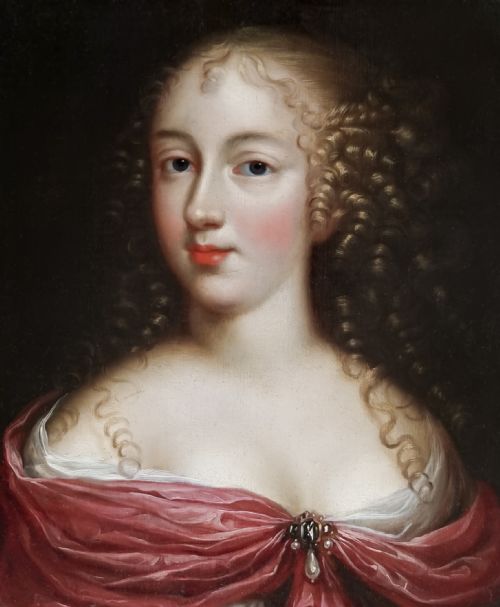
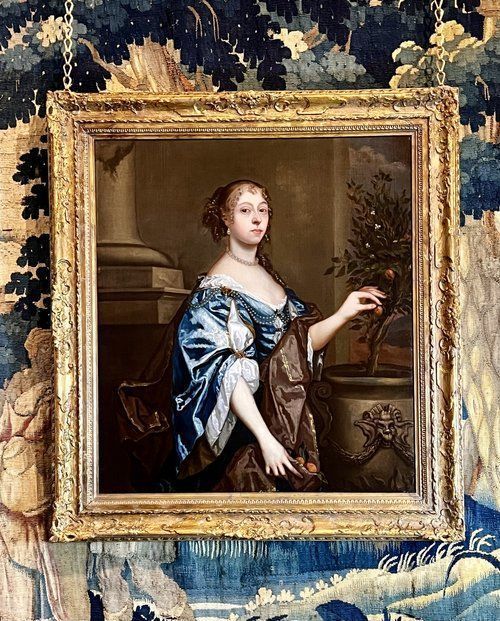
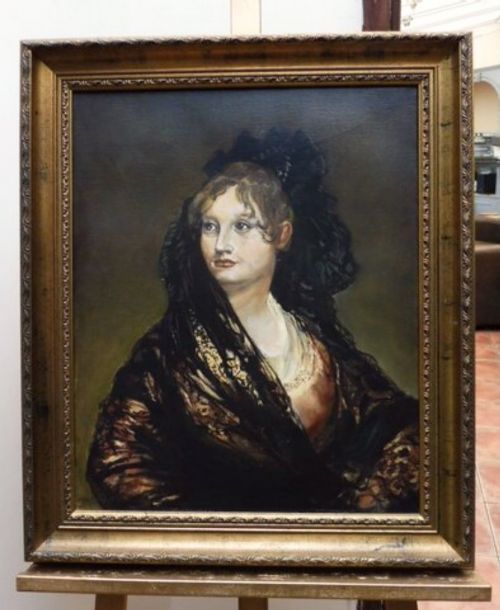
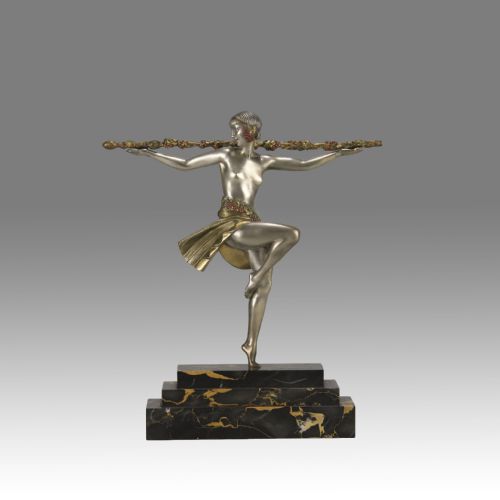
When you search for classical female art, you meet painted oils, carved marbles, and cast bronzes spanning several centuries.
Classical Female Art
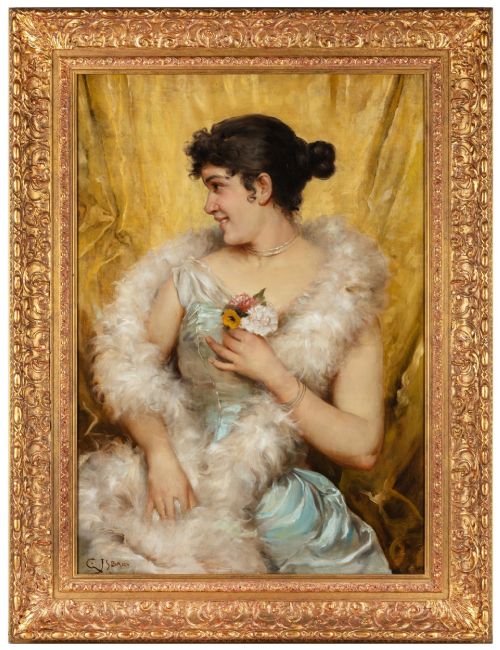
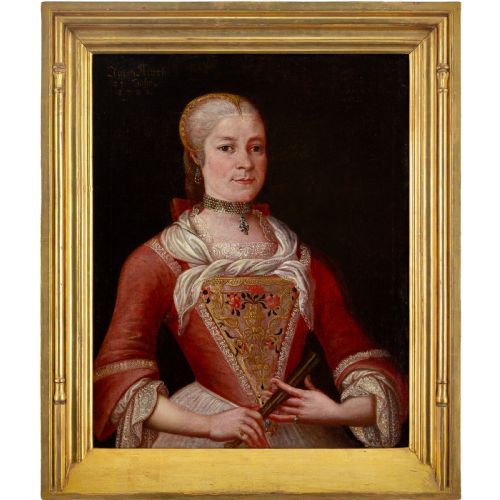
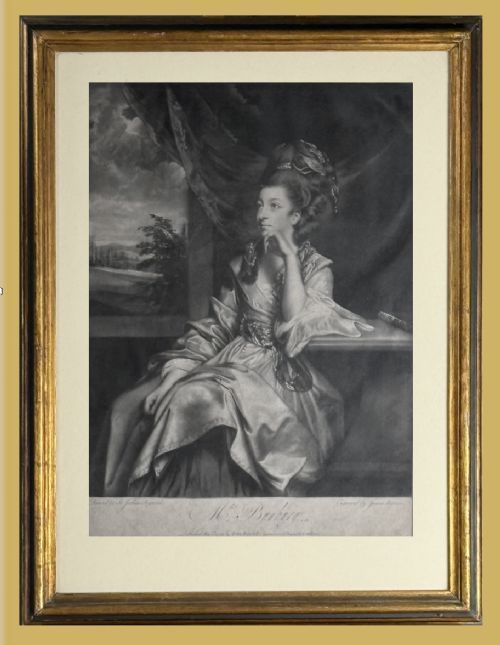
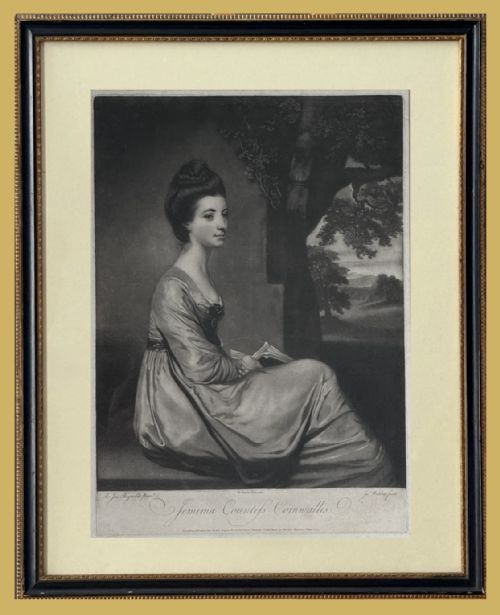
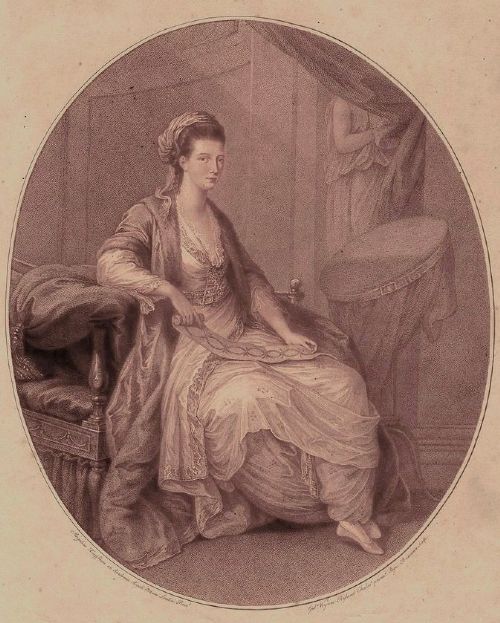
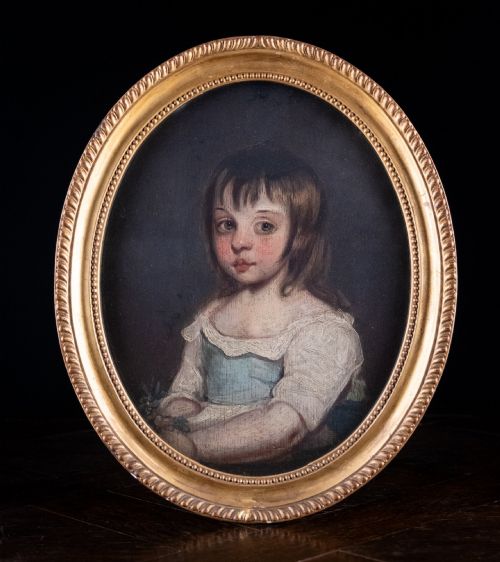
This grouping brings together figurative representations of women expressed through oil paintings, portrait engravings, mezzotints, and sculptural works in bronze, marble, and alabaster.
You will encounter pieces originating from the seventeenth century through to the mid-twentieth century, capturing shifts in aesthetic ideals across European traditions.
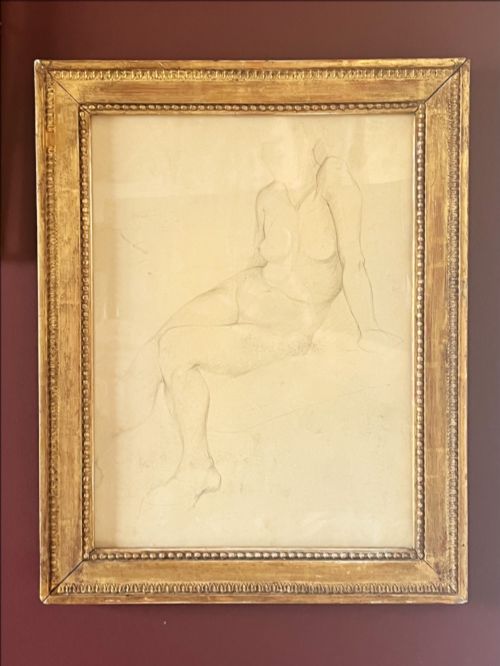
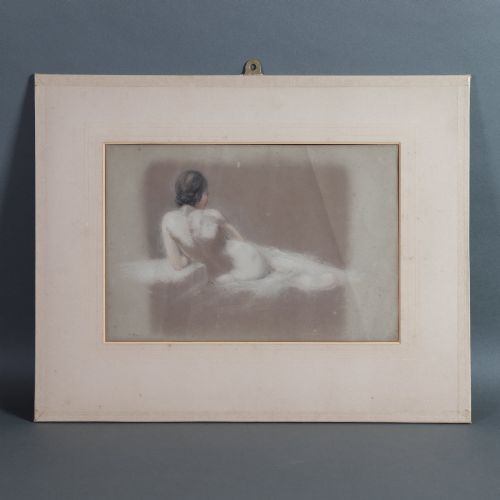
The material forms range from intimate pencil life drawings and pastel works on paper to monumental carved stone busts and patinated bronze dancer figures.
Materials and methods of creation
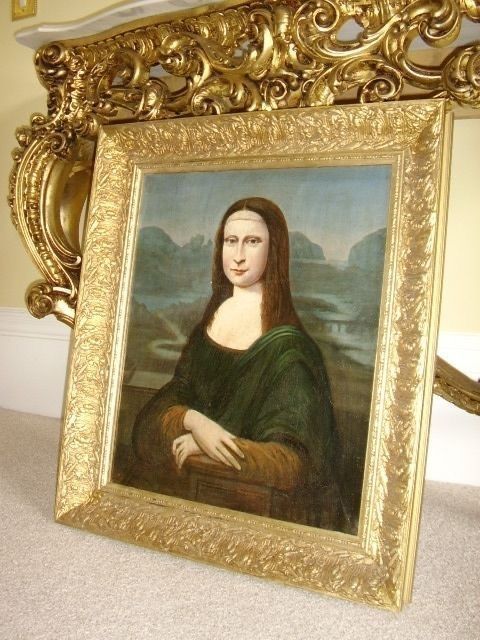
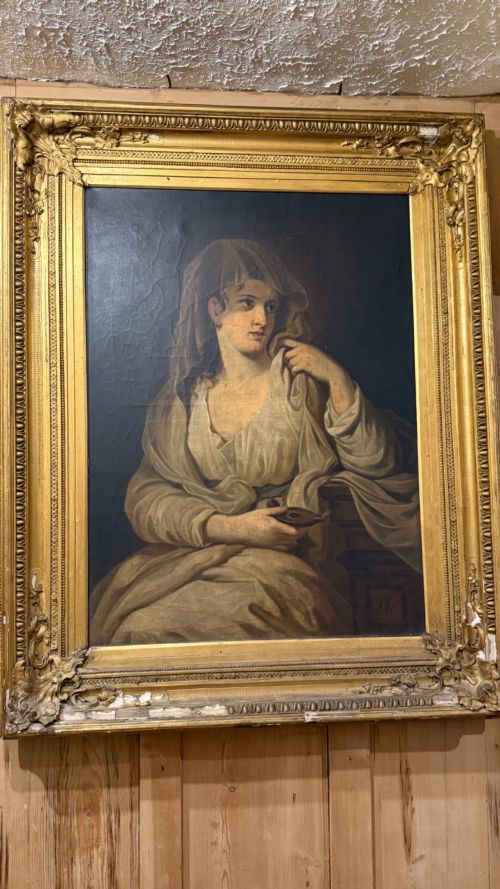
Paintings rely on pigments applied to canvas, wood panels, or paper, utilising techniques such as oil, pastel, and mixed media to build form and light.
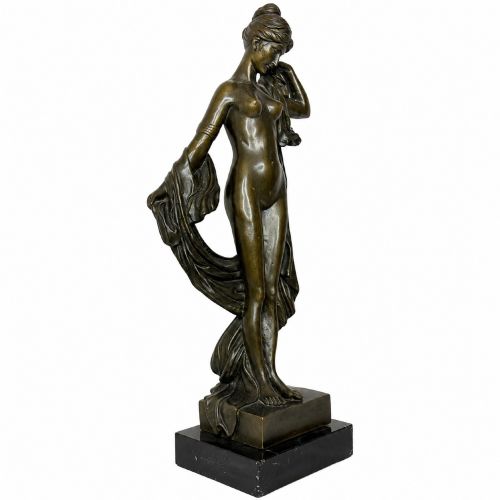
Sculptural works demonstrate traditional craftsmanship through the lost-wax casting of bronze, occasionally enhanced with cold painted finishes, alongside hand-carved alabaster and marble.
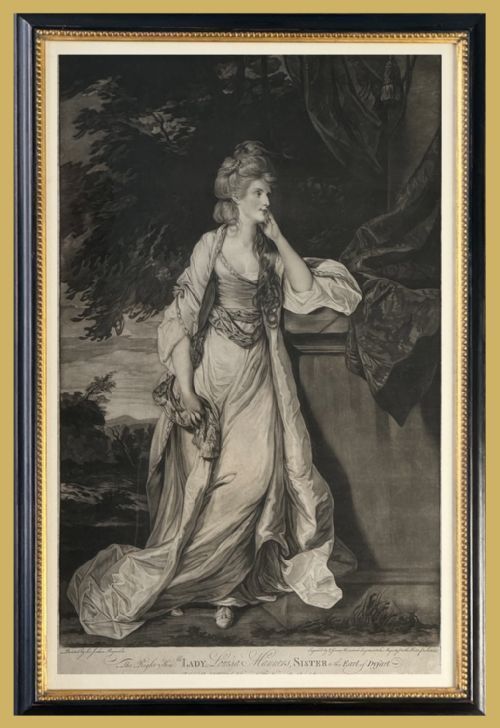
Printmakers employed mezzotint and engraving techniques on paper to translate painted compositions into highly detailed multi-tonal editions.
Listings feature works spanning the 17th Century to the 1960s, utilising oil on canvas, bronze, marble, and paper.
Distinctions in craftsmanship and execution
The upper tier of sculptural work displays precision in chasing and patination on bronze casts, or exceptional finesse in the chisel work of carved marble and alabaster.
Painted works reveal quality through the handling of anatomical proportion, textile rendering, and the subtle interplay of light across the subject.
Prints and engravings achieve distinction through the clarity of the plate impression and the preservation of fine tonal gradations across the paper surface.
G. J. S. Bary·Pierre le Faguays·William Etty·August Moreau·Mathurin Moreau·Edouard Drouot·Jean-Paul Aube
The Classical Female Art Glossary
- Mezzotint
- A printmaking process where the copper plate is roughened to allow rich tonal variations in dark and light areas. This technique produces velvety dark backgrounds and subtle gradients ideal for portraiture.
- Parian ware
- A fine-grained type of unglazed biscuit porcelain resembling white marble. It gained popularity in the nineteenth century for producing detailed portrait busts and classical figures.
- Cold painted bronze
- A method where patinated bronze sculptures receive oil or tempera paint finishes applied without heat. This technique adds vibrant polychrome detail to figurative bronzes.
- Alabaster
- A soft, translucent stone used widely for carving sculptural busts and figures. Its natural permeability allows light to penetrate the surface gently.
- Neoclassical
- An artistic movement drawing inspiration from the art and culture of classical antiquity. It emphasises proportion, restraint, and mythological or historical female subjects.
Classical Female Art: Frequently Asked Questions
What defines classical female art?
These pieces represent women through historical, mythological, or portraiture lenses using traditional mediums like oil, bronze, and marble.
The category spans centuries of European craftsmanship, reflecting changing artistic movements from the baroque period onwards.
How were bronze figures produced?
Foundries typically used the lost-wax method to cast detailed figures from an artist's original model.
After casting, artisans chased the metal surface and applied patinas or paints to enhance the sculptural depth.
How do I care for marble sculptures?
Keep carved stone and marble pieces away from direct sunlight and sudden temperature fluctuations to preserve the material.
Dust the surface gently with a dry, soft cloth, avoiding harsh chemical cleaners that can damage the stone.
What is the difference between an engraving and a mezzotint?
An engraving uses sharp tools to cut lines directly into a metal plate, creating crisp and defined outlines.
Mezzotint roughens the entire plate first to build deep shadows and smooth tonal transitions rather than relying primarily on lines.