
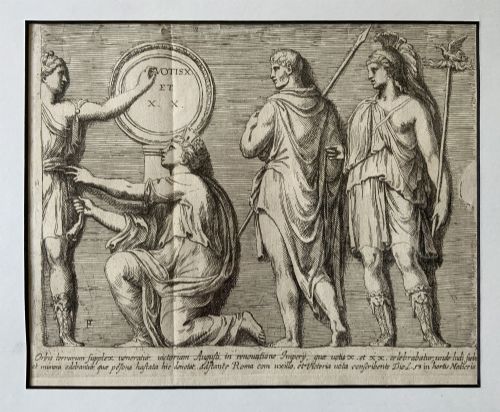


Black Ink Original Print
A black ink original print offers tactile depth and tonal range, bringing historic drawn lines directly onto paper.
Black Ink Original Print
A black ink original print comprises works executed on paper using ink, wood, and glass components, spanning periods from the nineteenth century through the mid twentieth century. Buyers seeking a black ink original print encounter etchings, fine art prints, drawings, sketches, and framed architectural drawings.
The selection ranges across distinct historical styles including Edwardian, American Modernism, Early Twentieth Century Realism, British Modernism, Victorian Narrative Art, Modern British, Victorian Gothic, and Gothic Revival. Pieces often bear signatures in pencil and carry provenance labels from established dealers.
Subjects vary from portraiture and sporting scenes such as polo and golf to animal studies like leopards and bulldogs, alongside landscape ink watercolour drawings and architectural history.
Materials and construction methods
Makers utilised paper as the primary support for ink and drypoint techniques, creating lines through direct drawing or intaglio plate work. Etchings and drypoint works rely on the precise application of black ink worked into metal plates before transfer under pressure.
Framed works incorporate wood and glass to protect the delicate paper surface and underlying ink mediums. Drawings combine ink with watercolour on paper substrates to achieve tonal variation.
Listings feature works spanning the nineteenth century, Edwardian era, nineteen-tens, nineteen-twenties, nineteen-thirties, and nineteen-sixties.
Distinctions in quality
Quality rests upon the clarity of the printed line and the crispness of the ink impression against the paper. Finer examples display deliberate draughtsmanship and strong tonal contrast in drypoint or etching.
Documented provenance and visible artist signatures in pencil elevate specific works above unsigned or unattributed examples. The integrity of the original paper surface and framing materials also influences the overall standard.
Anne Goldthwaite·Herbert Dicksee·Augustus Edwin John·James Dobie·Fred Lawson
The Black Ink Original Print Glossary
- Drypoint
- A printmaking process where an image is scratched directly onto a metal plate with a sharp needle, producing a velvety burr in the ink line. This technique creates distinctively rich dark tones in the printed image.
- Etching
- A method where lines are bitten into a metal plate with acid before ink is applied and transferred to paper. The resulting image captures fine detail and varied line weight.
- Provenance
- The documented history of ownership and exhibition of an artwork, often confirmed via labels attached to the reverse. It traces the journey of a piece from its creation to the present collection.
- Watercolour
- A painting method using water-soluble pigments, frequently combined with ink lines in landscape and architectural drawings. It permits translucent washes of colour alongside precise linear work.
Black Ink Original Print: Frequently Asked Questions
What is a drypoint etching?
A drypoint etching is an intaglio print where the artist draws directly onto a metal plate using a sharp point. This action raises a ridge of metal called a burr, which holds extra ink during printing.
When transferred to paper, this burr creates a soft, rich line characteristic of the technique seen in works by artists like Herbert Dicksee.
How do I identify an original print?
An original print shows plate marks where the edges of the printing matrix pressed into the paper, alongside subtle variations in ink density under magnification. Signatures in pencil and documented provenance labels further indicate original creation.
Reproduction photomechanical prints lack these physical impressions and tonal subtleties found in authentic period works.
How should I frame works on paper?
Works on paper require conservation mounting to keep the sheet from touching the glass directly, preventing moisture damage. Acid-free materials and UV-protective glass safeguard the ink and paper over time.
Displaying pieces away from direct sunlight preserves the black ink and watercolour pigments against fading.
What distinguishes Edwardian prints?
Edwardian prints often reflect the artistic tastes of the early twentieth century, encompassing narrative subjects, portraiture, and detailed animal studies. They frequently employ traditional etching and drypoint methods executed with refined technical precision.
Stylistically, these pieces balance Victorian narrative depth with the emerging realist tendencies of the period.