
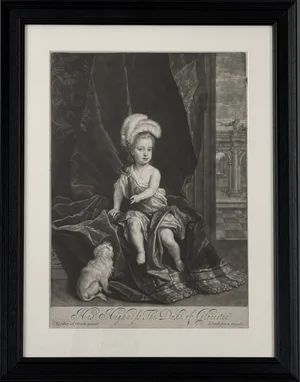
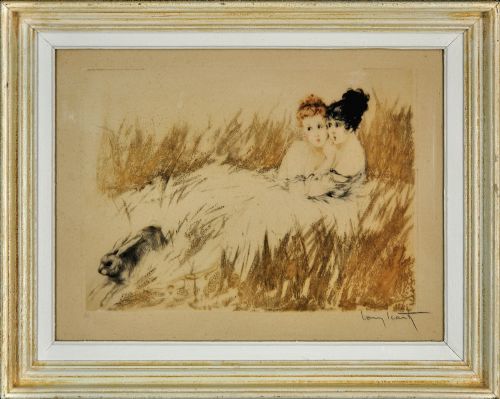
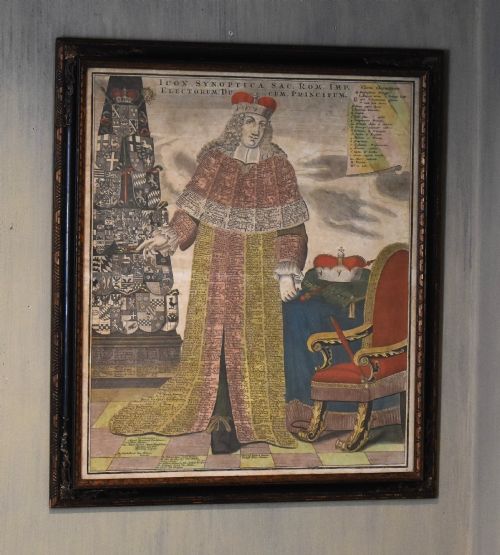


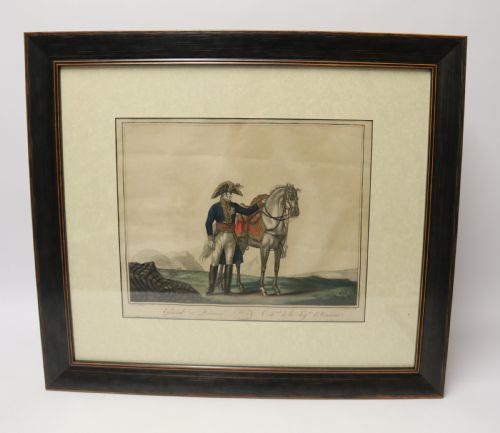


Portrait Etching on Paper
A portrait etching on paper brings the direct line of historical sitters into a room.
Portrait Etching on Paper
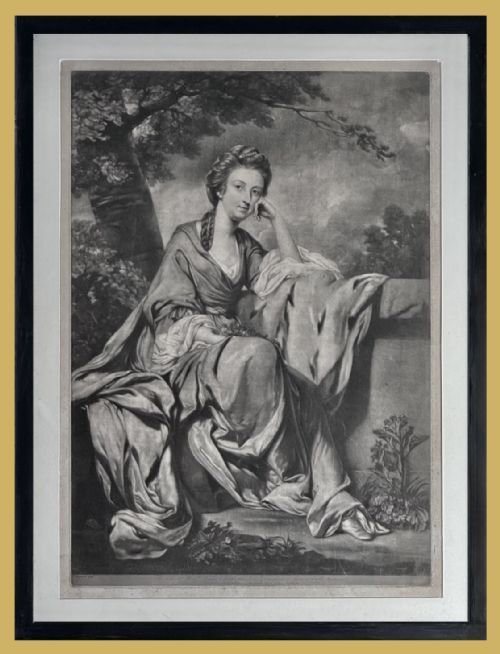
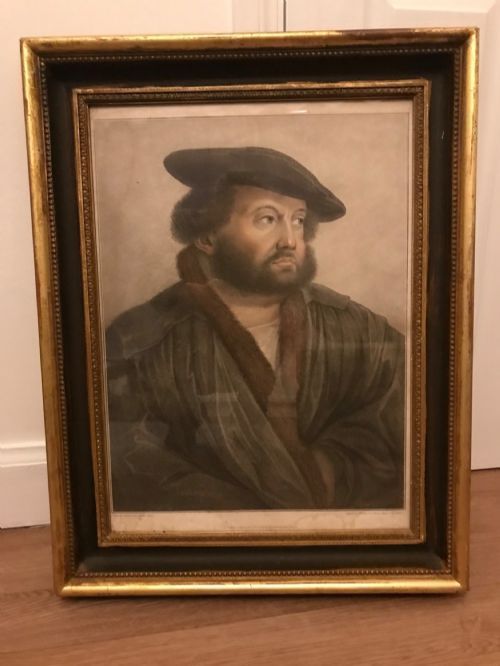
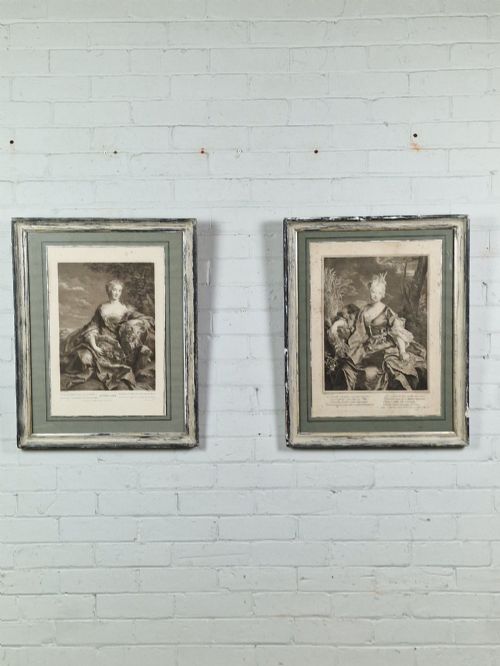
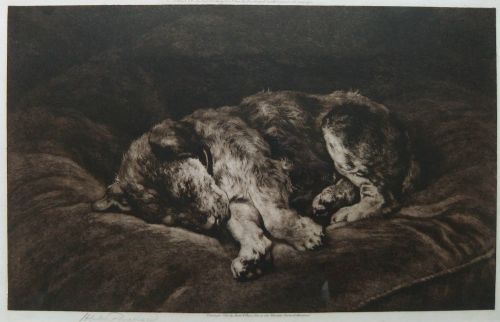
A portrait etching on paper offers an encounter with historical figures, artists and subjects rendered through inked impressions on delicate surfaces. Buyers look for these works to bring character, period detail and graphic depth into domestic spaces.
The selections span the seventeenth, eighteenth, nineteenth and twentieth centuries, encompassing Georgian, Victorian, Edwardian and Art Deco aesthetics. The most frequent encounters on this page include framed prints, engravings and original etchings set behind glass within wood frames.
What varies in quality
Provenance and documentation, such as original labels on the reverse of the frame, elevate a piece. The preservation state of the paper and the quality of the period framing contribute substantially to the standing of the work.
Listings feature paper, glass, wood, ink, gold leaf, graphite, copper and watercolour across the seventeenth, eighteenth, nineteenth and twentieth centuries.
Edward Fisher·Francesco Bartolozzi·Herbert Dicksee·John Smith·Louis Icart·Augustus Edwin John·Mariette Lydis
The Portrait Etching on Paper Glossary
- Etching
- A printmaking method where acid bites lines into a metal plate to hold ink. This technique allows for expressive, fluid lines that mimic hand-drawn sketches.
- Drypoint
- A printmaking technique where an artist scratches directly into a metal plate with a sharp needle. This creates a distinctive, velvety burr of metal that holds ink for rich, soft lines.
- Mezzotint
- A tonal printmaking process that works from dark to light by roughening a metal plate evenly. It produces smooth gradations of shadow and light without reliance on line.
- Stipple engraving
- A method of creating prints through a dense pattern of dots rather than continuous lines. This technique excels at rendering soft flesh tones and subtle facial contours in portraiture.
- Provenance
- The documented history of ownership and origin for an artwork. It provides verifiable evidence of authenticity and past exhibitions.
Portrait Etching on Paper: Frequently Asked Questions
What is a portrait etching on paper?
A portrait etching on paper is a fine art print created by biting lines into a metal plate with acid, then pressing the inked plate onto paper to capture a likeness.
These works range from seventeenth-century mezzotints to twentieth-century drypoints, capturing sitters from various historical periods.
How should I frame these prints?
These works require framing behind glass with acid-free mounts to protect the vulnerable paper surface from light and atmospheric damage.
Retaining original frames where present helps preserve the historical character of the piece.
How do I spot a genuine etching?
Genuine etchings typically display a plate mark, which is an indented impression in the paper where the edges of the metal plate pressed down during printing.
Under magnification, the ink lines may also show a slight raised quality above the flat surface of the paper.
Where were these portraits made?
The pieces originate from European workshops and studios spanning several centuries, reflecting different regional printing traditions.
French and British publishers and printmakers account for a large portion of the works found in these collections.